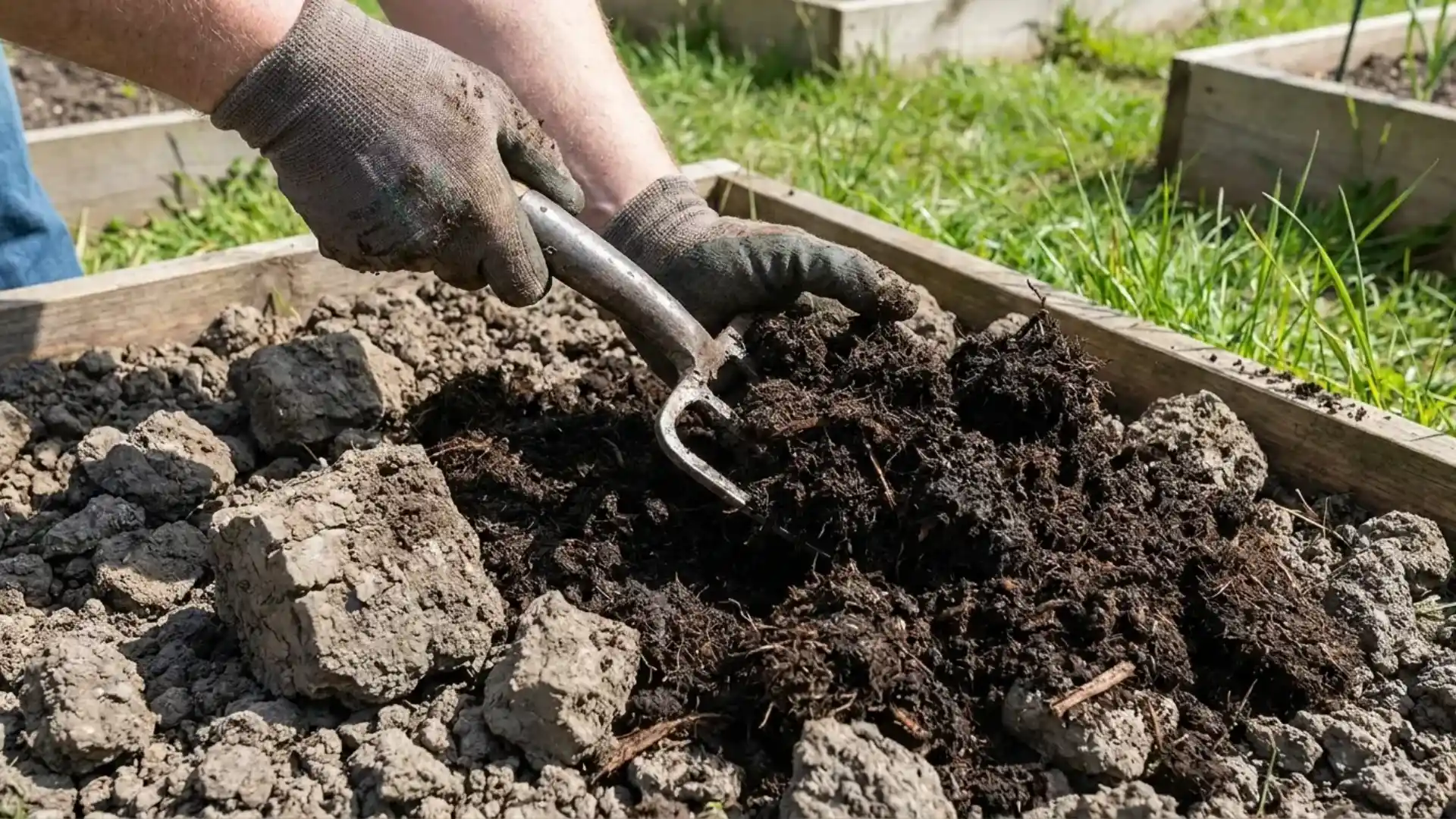

Finding unfamiliar pests around damp corners, houseplants, or in a basement can quickly become a concern.
Springtails are a perfect example: barely noticeable until they suddenly appear in groups.
They may gather around damp soil, linger near houseplants, or appear along bathroom floors after moisture builds up.
Yet springtails are not the frightening invaders they might first appear to be. In fact, these remarkable creatures play an important role in breaking down organic matter in nature.
Understanding what springtails are can make their unexpected presence feel less like a threat and more like a clue about the environment around a home.
What are Springtails?
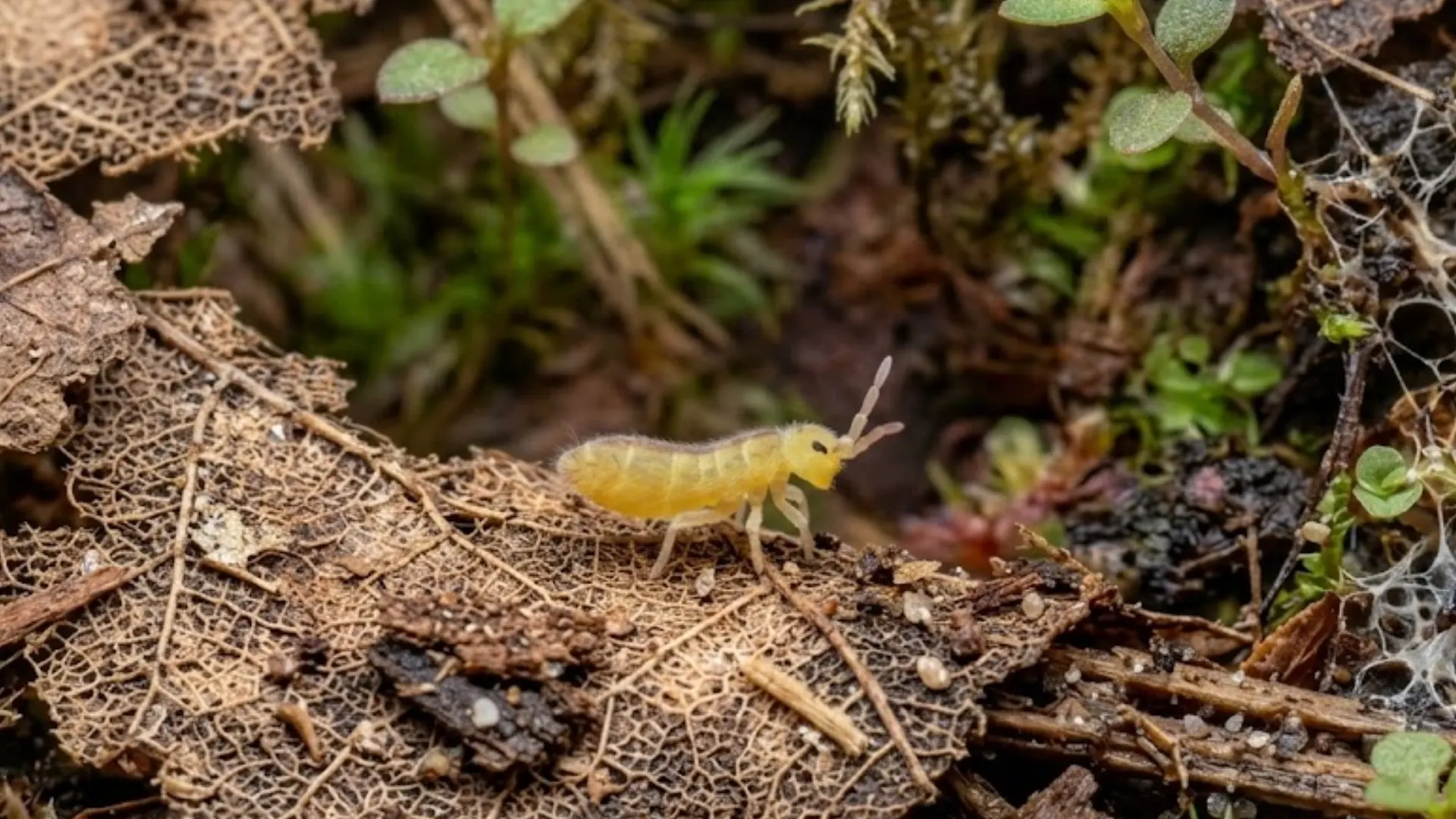
Springtails are tiny, wingless creatures commonly found in moist soil, decaying leaves, compost, and damp areas around homes.
They belong to a group called Collembola and are not technically insects, although they may look similar.
They get their name from a forked body part called a furcula, which helps them jump quickly when disturbed.
Springtails mainly feed on fungi, algae, bacteria, and decaying organic matter.
Fungus gnat larvae also feed on organic debris and root hairs in ways that call for different control methods than a springtail problem tied to excess moisture.
They do not bite people or pets and are generally harmless. In gardens, they can even support healthy soil by helping break down organic material.
Types of Springtails
Springtails come in thousands of species, and they can vary in size, color, body shape, and habitat.
While most share the ability to jump and prefer moist environments, they are commonly grouped by where they live and how they look.
- Soil-Dwelling Springtails: These springtails live mainly in soil, compost, leaf litter, and other organic material.
- Surface-Dwelling Springtails: Often found on the surface of soil, plants, water, and damp vegetation, these springtails are active and can quickly jump when disturbed.
- Aquatic Springtails: These species live around freshwater environments and are commonly found on the surface of ponds, streams, and other consistently wet areas.
- Globular Springtails: These springtails have rounded bodies and are generally slower-moving than elongated species.
- Elongated Springtails: These species have longer, slender bodies and are commonly found in soil, leaf litter, and other damp environments where organic food is available.
Despite their differences, most springtails are harmless and play useful roles in nature.
Identifying their general type can help you better understand where they live, what attracts them, and why you may be seeing them around your home or garden.
What Do Springtails Look Like?
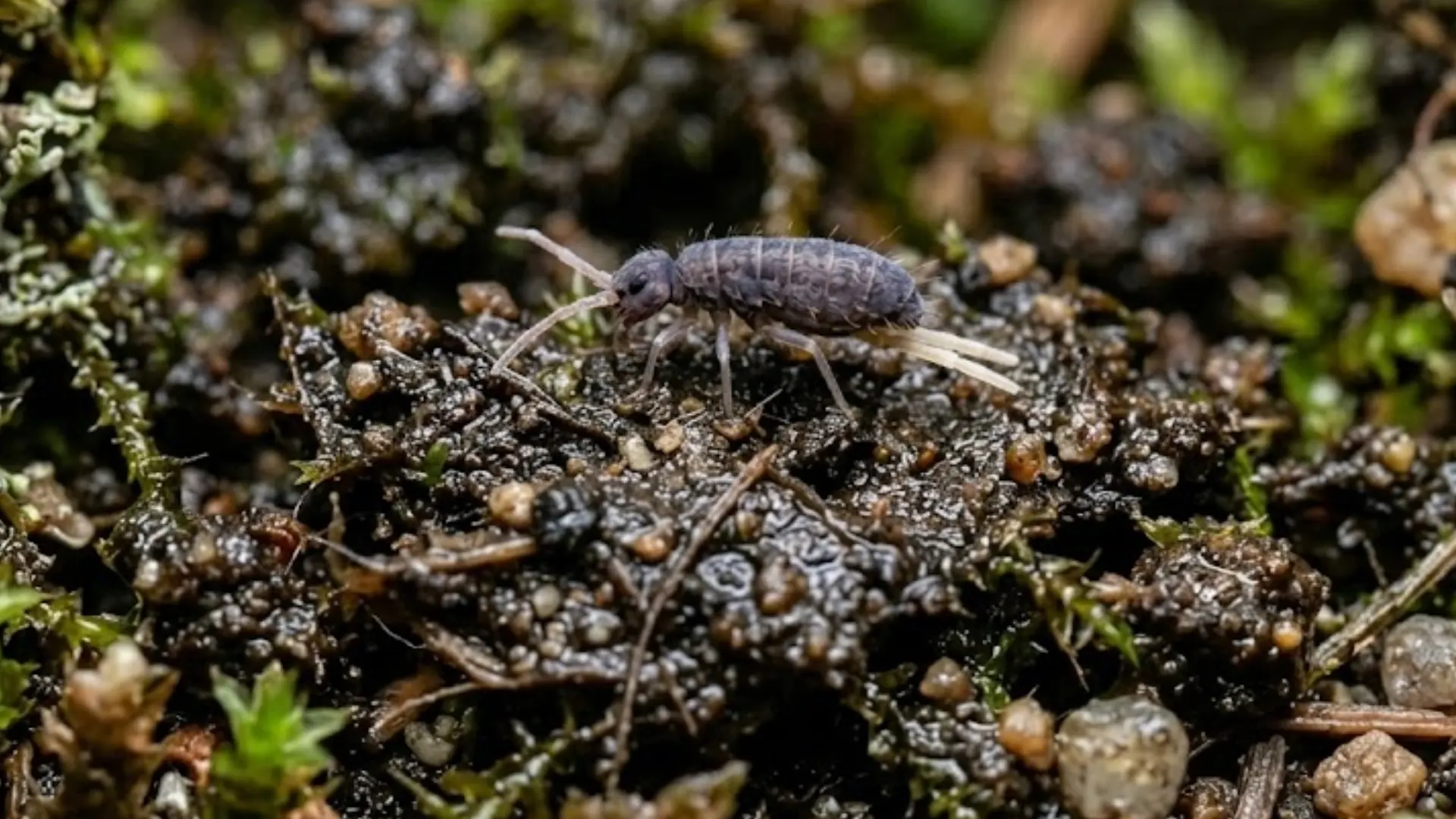
Springtails are tiny, soft-bodied creatures that are usually only about 1-6 millimeters long, making them difficult to notice at first glance.
Their bodies can be white, gray, black, brown, or even bluish, depending on the species.
Most have a rounded or elongated shape, along with short legs and long antennae that help them sense their surroundings.
This jumping movement often makes springtails easy to spot once you know what to look for. Unlike fleas, springtails do not have flattened bodies or powerful legs designed for jumping.
They are also usually found in groups, especially in damp areas with plenty of moisture and organic material.
How Do Springtails Behave?
Springtails are active, moisture-loving creatures that usually stay in damp soil, leaf litter, compost, and other humid areas.
They often gather in groups where food and moisture are readily available.
When disturbed, springtails can quickly jump using their furcula to escape potential threats.
I have watched a cluster scatter the moment overflow collects in a plant saucer, usually the clearest sign a pot is holding more water than it needs.
Springtails do not hunt people, pets, or plants, and they do not bite or sting. Indoors, they usually remain near damp areas such as plant pots, bathrooms, basements, and leaks.
Their presence often indicates excess moisture rather than an infestation.
Where are Springtails Found?
Springtails turn up almost anywhere moisture and organic matter meet, both outdoors in soil and indoors in damp corners of the home. Here is where they tend to concentrate.
- Moist soil: Springtails commonly live in garden soil, compost, mulch, and leaf litter, where moisture and decaying organic matter provide ideal conditions.
- Around houseplants: They may appear in overwatered plant pots, damp potting soil, and plant saucers where excess moisture creates a suitable habitat.
- Damp areas indoors: Springtails can be found inbasements, bathrooms, crawl spaces, laundry rooms, and kitchens, especially where humidity or moisture is high.
- Near water or leaks: Leaking pipes, poor drainage, condensation, and standing water can create the damp conditions that attract them.
- Under outdoor debris: They often gather under rocks, logs, stones, and decaying vegetation, where the environment stays cool and moist.
Are Springtails Harmful to People or Pets?
Springtails are generally harmless to people and pets. They do not bite, sting, or feed on blood, so they are not considered a health threat.
If you notice them crawling or jumping around your home, you usually do not need to worry.
Springtails may become a nuisance when they appear in large numbers, especially in damp areas such as bathrooms, basements, or around houseplants.
Their presence often points to excess moisture rather than poor cleanliness.
If you have a springtail problem, focus on finding and fixing the moisture source, such as a leak, poor drainage, or overwatering, instead of treating them as a dangerous pest.
The Role Springtails Play in Soil Health
Springtails may be tiny, but they play an important role in keeping soil healthy.
The natural activity supports nutrient cycling and contributes to a healthier environment for plants and other soil organisms.
Role of springtails:
- Break down decaying leaves and other organic material in the soil.
- Help release nutrients back into the soil as organic matter decomposes.
- Support microbial activity and natural decomposition processes.
- Provide food for spiders, beetles, mites, and other small soil-dwelling predators.
- Contribute to a balanced and active soil ecosystem.
A healthy population of springtails can signal active soil life. They help maintain the natural decomposition process without usually harming established plants.
Springtails also share their soil habitat with other small organisms, and learning to identify soil-dwelling insects and mites helps separate the ones improving the ground.
How to Get Rid of Springtails?
Springtails are easiest to control by reducing moisture and removing the conditions that attract them indoors.
- Reduce moisture: Fix leaks, improve ventilation, and keep damp areas as dry as possible throughout your home.
- Avoid overwatering: Let houseplant soil dry appropriately between waterings to prevent excessive moisture that attracts springtails indoors.
- Improve drainage: Ensure pots and outdoor areas drain properly to prevent standing water and persistently wet soil conditions.
- Remove organic debris: Clear damp leaves, mulch, and decaying plant material from areas surrounding your home’s foundation.
- Seal entry points: Close cracks, gaps, and openings around windows, doors, and foundations to limit indoor springtail entry.
Conclusion
Springtails are tiny, ancient, and far more beneficial than most people realize.
The next time you spot a few jumping around your damp bathroom tile or plant pot, you can skip the panic and simply address the moisture behind it.
Keeping your home dry and well-ventilated is often all it takes to prevent springtail problems.
Have you spotted springtails in your home or garden? Share your experience in the comments below and tell us where you found them.
Frequently Asked Questions
Are Springtails the Same as Fleas?
No. Fleas need a live host like a cat or dog to survive, while springtails live independently in soil and damp organic matter.
How Big Do Springtails Get?
Most springtails are extremely small, usually measuring between one and six millimeters long, depending on their species.
Are Springtails Active During Winter?
Springtails can remain active during mild winter conditions, particularly in protected, moist environments such as soil, compost, and greenhouses.