
Most of us learned to call dandelions weeds without ever questioning why. I did the same, until I actually looked into what that word means.
As it turns out, “weed” is not a scientific label at all. It is simply a term for any plant growing where we did not plant it.
So yes, dandelions fit that definition. But the story does not end there.
Foragers, beekeepers, and even a few scientists see something different in this plant, something closer to a gift than a problem.
Let’s find out who is right.
What Officially Makes a Plant a “Weed”?
There is no official scientific category for “weed.” It is really just a functional term, the word we reach for whenever a plant shows up somewhere we did not want it.
And that is exactly why dandelions get stuck with the label.
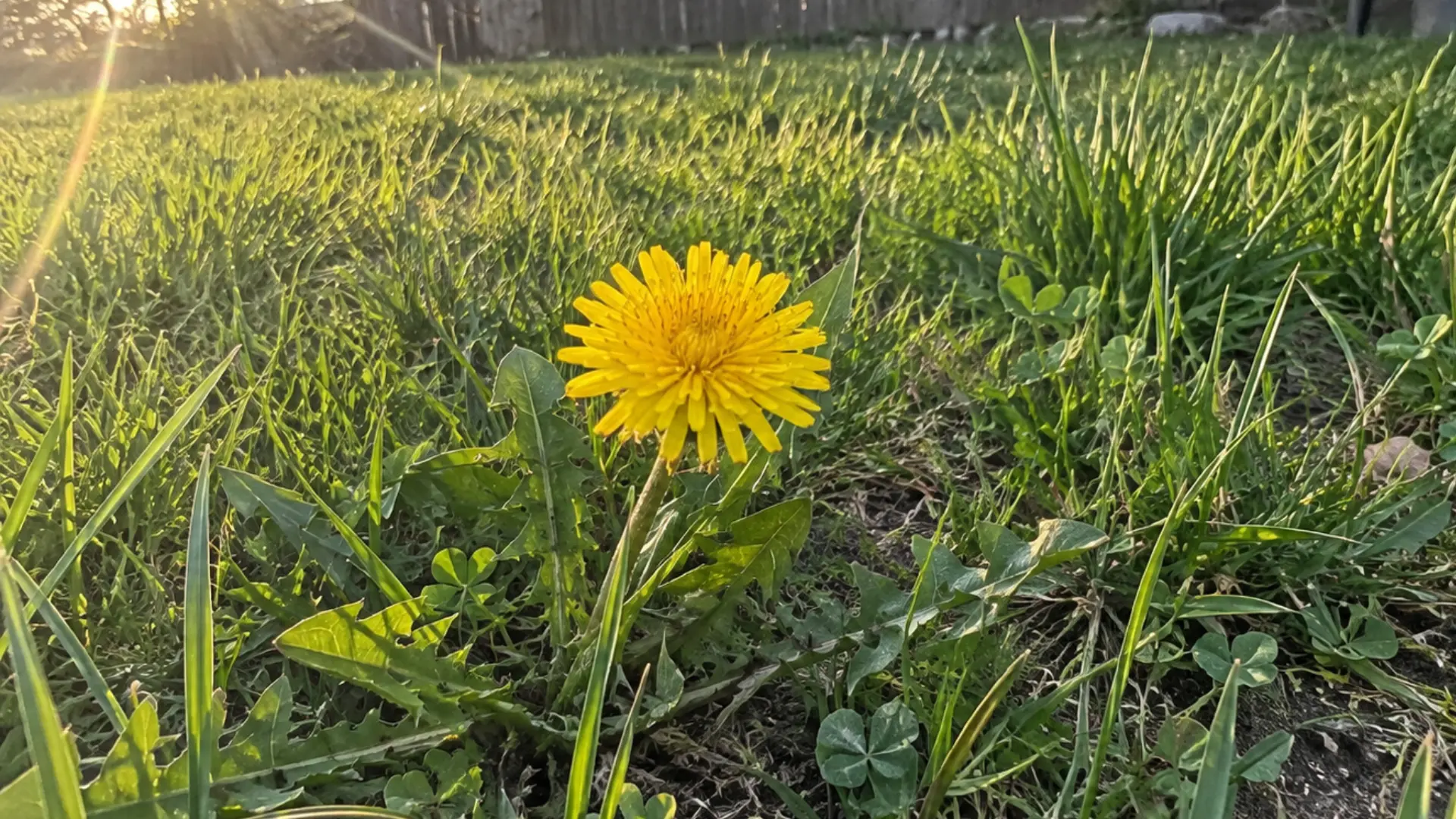
They spread through wind-carried seeds without asking permission, regrow from even a scrap of leftover taproot, and slowly outcompete lawn grass until they have taken over the whole patch.
But nature does have a proper name for them: Taraxacum officinale, part of the same Asteraceae family as daisies and sunflowers.
So while science never called dandelions weeds, our lawns definitely did.
Is a Dandelion a Flower?
It is, and once you really look at one, it’s hard to unsee. What reads as a single yellow bloom is actually dozens of tiny ray flowers bundled together on top of a hollow stalk, holding themselves up with nothing but air.
I used to think of “weed” and “flower” as opposites, like a plant had to pick a side. It does not.
A dandelion can be both at once, a stubborn lawn invader and a genuine flower, depending entirely on who is looking at it and where it happens to be growing.
Then comes the part everyone knows, even if they have never planted a single seed themselves.
The yellow bloom fades into that soft white puffball, and one good breath of wind sends its seeds drifting off toward someone else’s lawn.
It is the reason dandelions never really leave. They are just always somewhere new.
Why Dandelions Are Labeled Weeds?
I used to think my dandelion problem was a lawn-care failure on my part. It is not.
The dandelion plant is simply built to outlast almost anything you throw at it, and understanding how helped me stop taking it so personally.
- The taproot is the real problem. Dandelions grow a single, deep taproot that can reach over a foot into the soil, and even a small leftover fragment is enough for it to regrow.
- One plant, thousands of seeds. Each flower head can produce over a hundred seeds, and those seeds travel on the wind well beyond the yard they started in.
- It exploits weak spots in your lawn. Strong turf grass naturally crowds out invaders, but compacted or under-fertilized soil leaves gaps that dandelions are quick to take over.
- The “weed” label is newer than you would think. Settlers brought dandelions here on purpose for food and medicine, and the plant was branded unwanted only after manicured lawns became a status symbol in the 1900s.
None of this makes the dandelion aggressive by nature.
It just means the plant is doing exactly what it evolved to do, at a moment in history when that happened to put it at odds with how we decided a lawn should look.
What This “Weed” Actually Has to Offer
Somewhere between digging up my hundredth dandelion and reading about what this plant actually does, I started to feel a little guilty about all that weeding.
Turns out I had been throwing away more than I realized.
A Lifeline for Early Pollinators
Dandelions tend to bloom before most other flowers even wake up, which makes them one of the first real food sources bees have each spring.
When little else is flowering, that early burst of nectar and pollen can matter more than we give it credit for.
Nearly the Whole Plant is Edible
The leaves, flowers, and roots can all be eaten; only the stem is bitter enough to skip.
A single cup of raw dandelion greens delivers over 200% of the daily value for vitamin K and more than 400% DV of vitamin A, alongside real amounts of vitamin C, folate, and iron.
That density is part of why a CDC-published nutrient study ranks dandelion greens among the top 20 powerhouse fruits and vegetables. The same plant I used to dig out turns out to belong on a plate too.
The Taproot is Not All Bad
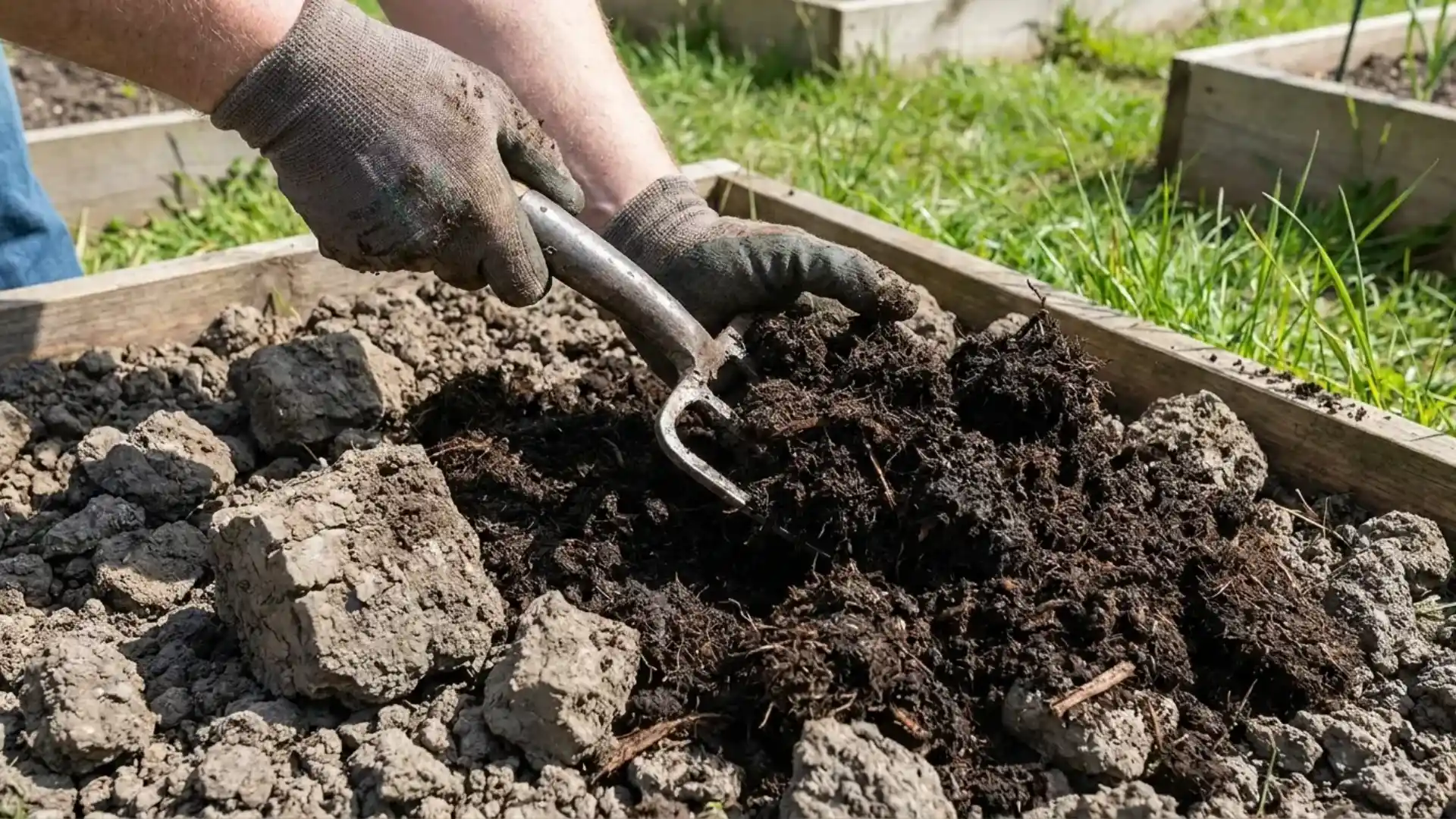
The same deep root that makes dandelions stubborn to pull also does real work underground. It breaks up compacted soil and draws nutrients up from lower layers, nutrients that plants with shallower roots can’t reach on their own.
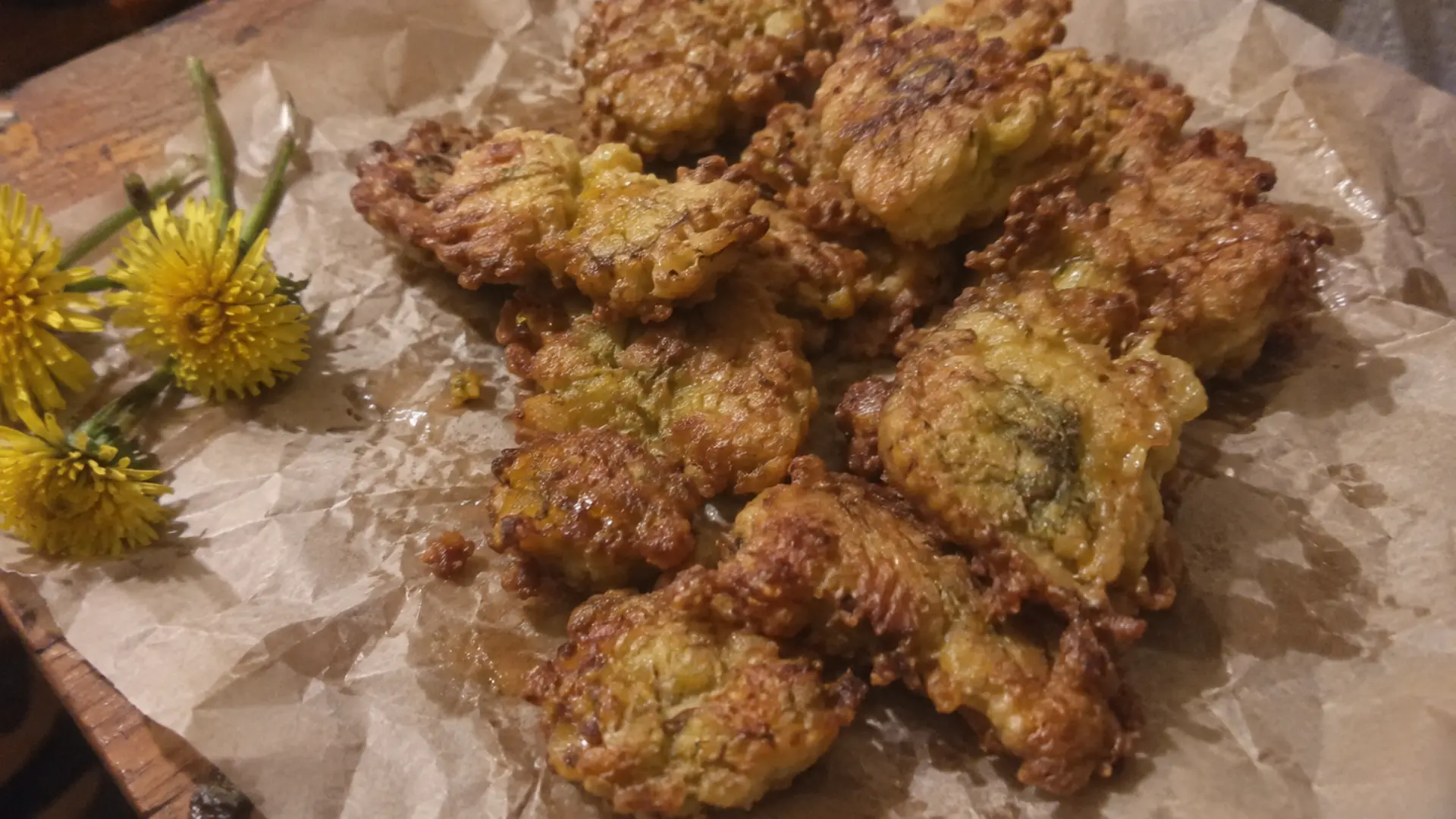
It has a long history beyond the garden. Dandelion greens, tea, fritters, and even wine have been part of culinary and medicinal traditions for centuries, long before the plant was seen as something to remove.
So maybe the dandelion was never really the enemy. It just happened to be growing in the wrong century, one that decided a lawn should look like a carpet instead of a living ecosystem.
Should You Remove Dandelions or Let Them Stay?
If a tidy, uniform lawn matters to you, stick with the basics.
Hand-pull the full taproot, mulch bare patches, overseed to crowd out new growth, and save the targeted herbicide for a last resort.
If you are open to something looser, dandelions can earn their keep, feeding early pollinators and doubling as a free, edible green.
There is no universal right answer here. It really comes down to what you want your yard to do for you.
Just one rule either way: never eat dandelions from a lawn treated with pesticides or herbicides.
Key Takeaway
I used to see dandelions as something to defeat. Now I just see them differently.
Dandelions are weeds, sure, but they are also flowers, food, and one of the first real meals a bee gets each spring.
Whether they belong in your lawn or not is really about right or wrong. It is about what you want your little patch of earth to do.
So tell me, do you pull your dandelions or let a few stick around? I’d love to hear how you have made peace with yours; drop a comment below.
Frequently Asked Questions (FAQs)
Are Dandelions Poisonous or Harmful to Pets or Humans?
No, dandelions are not poisonous. In fact, every part of the plant is safe to touch and even eat, aside from the bitter stem.
Are Dandelions Good or Bad for Lawns?
It depends on what you want. They compete with grass for space and nutrients, but they also feed early pollinators and help loosen compacted soil.
Can You Eat Dandelions Straight from Your Yard?
Only if you know that patch has not been treated with pesticides or herbicides. Wash everything well before eating, and avoid picking near roadsides.
Do Dandelions Help or Hurt Bees?
They mostly help. Dandelions bloom early in spring, often before other flowers, giving bees a much-needed source of nectar and pollen.
How Do You Get Rid of Dandelions Permanently?
Permanently is a strong word with this plant. Consistent hand-pulling with full taproot removal, paired with a thick, healthy lawn, keeps them under control long-term.