
Its a common misconception that struggling plants need more water or another bag of fertilizer.
Yet the harder I tried, the more frustrated I became. Leaves still drooped, roots stayed weak, and the ground felt lifeless in my hands.
Then I started paying attention to the soil itself. Organic soil amendments can improve poor texture, hold moisture, and support the quiet life beneath the surface.
The change was felt because it created healthy soil. If your plants seem stuck despite regular care, the answer may be hiding below them.
What are Organic Soil Amendments?
Organic soil amendments are natural materials, including compost, manure, worm castings, and plant residues.
These are added to soil to improve its physical, chemical, and biological properties.
The key distinction from fertilizers matters here: amendments build the soil itself over time, while fertilizers simply feed whatever plant happens to be growing in it right now.
It helps to think of soil less like dirt and more like a living system, a mix of minerals, organic matter, microbes, air, and water working together.
Amendments feed that microbial community, and it’s this activity that unlocks nutrients naturally rather than forcing them in.
Popular Types of Organic Soil Amendments
Each option supports different soil needs, so the right amendment depends on soil condition, plant type, and gardening goals.
1. Compost
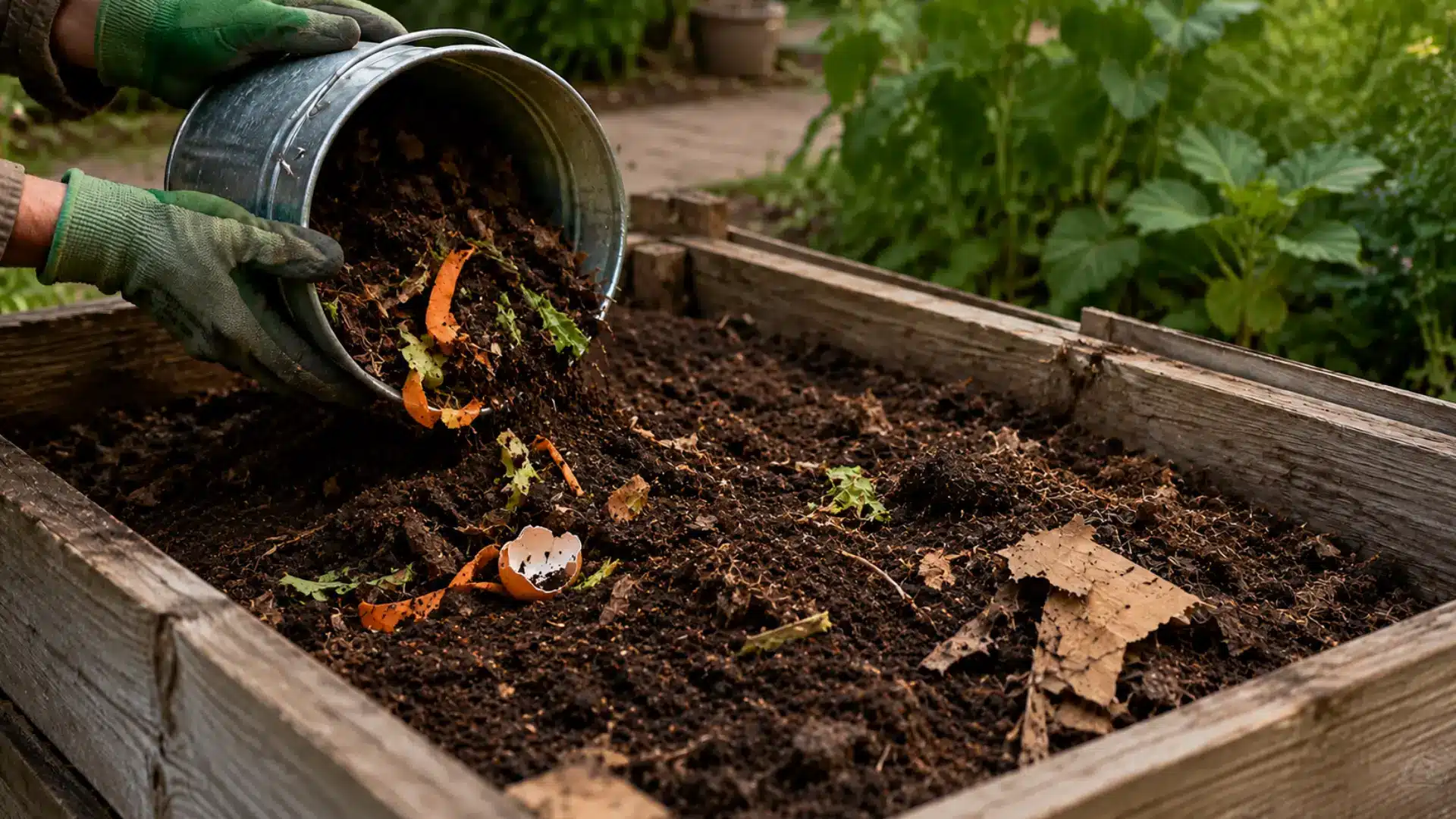
Compost is the gold standard, working well across nearly every soil type.
It adds organic matter, improves structure, and feeds microbial life all at once, making it a natural starting point regardless of what you’re growing.
Regular applications also help soil retain moisture while supporting steady plant growth throughout the season
2. Aged or Composted Manure
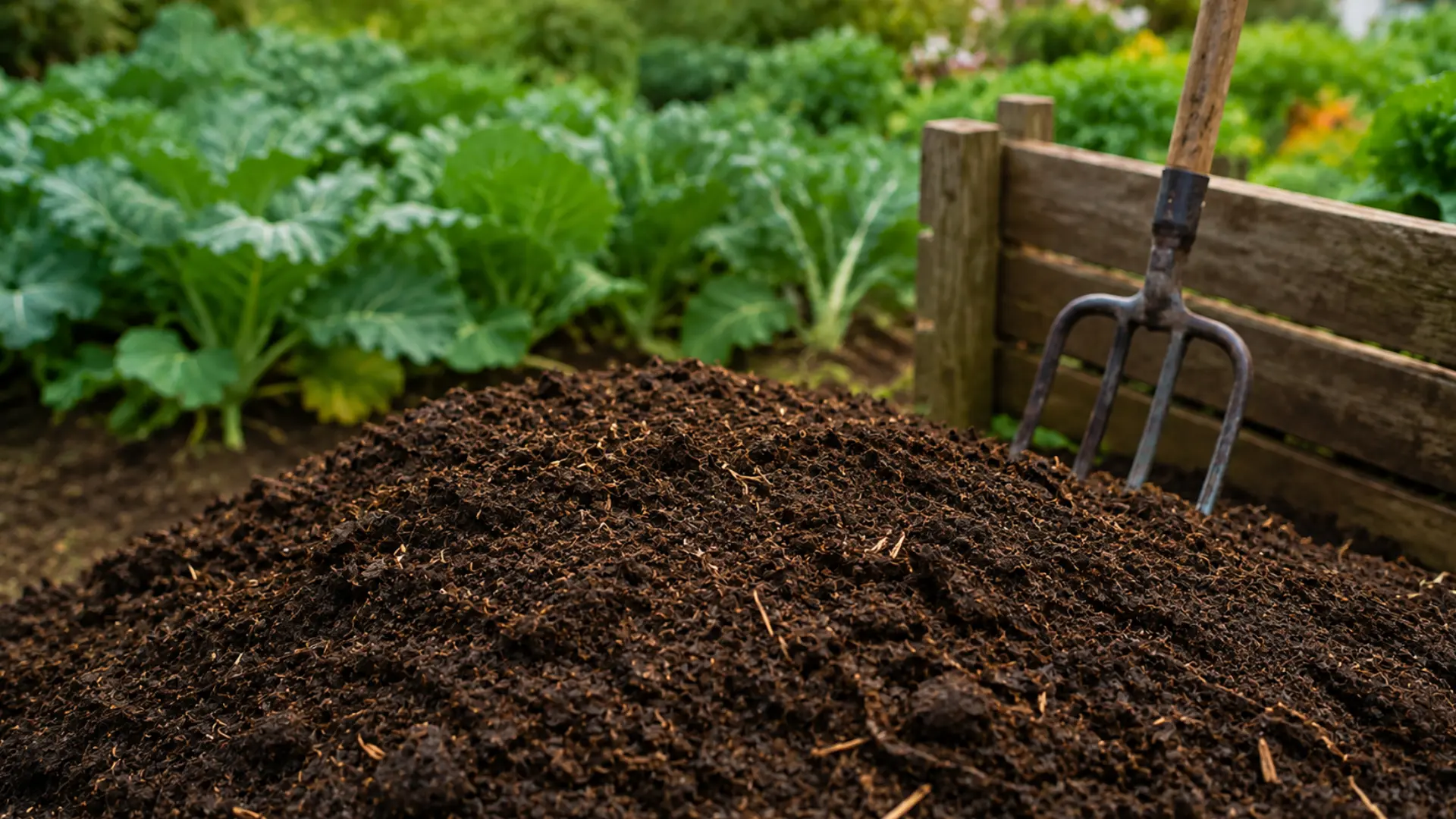
Manure from cows, horses, or chickens brings concentrated nutrients once properly aged or composted.
Fresh manure can burn roots and introduce pathogens, so aging first is non-negotiable; this amendment also works well for a broad nutrient boost.
Mixing it into soil before planting supports healthy growth while reducing odors and preventing direct contact with delicate plant roots.
3. Blood Meal
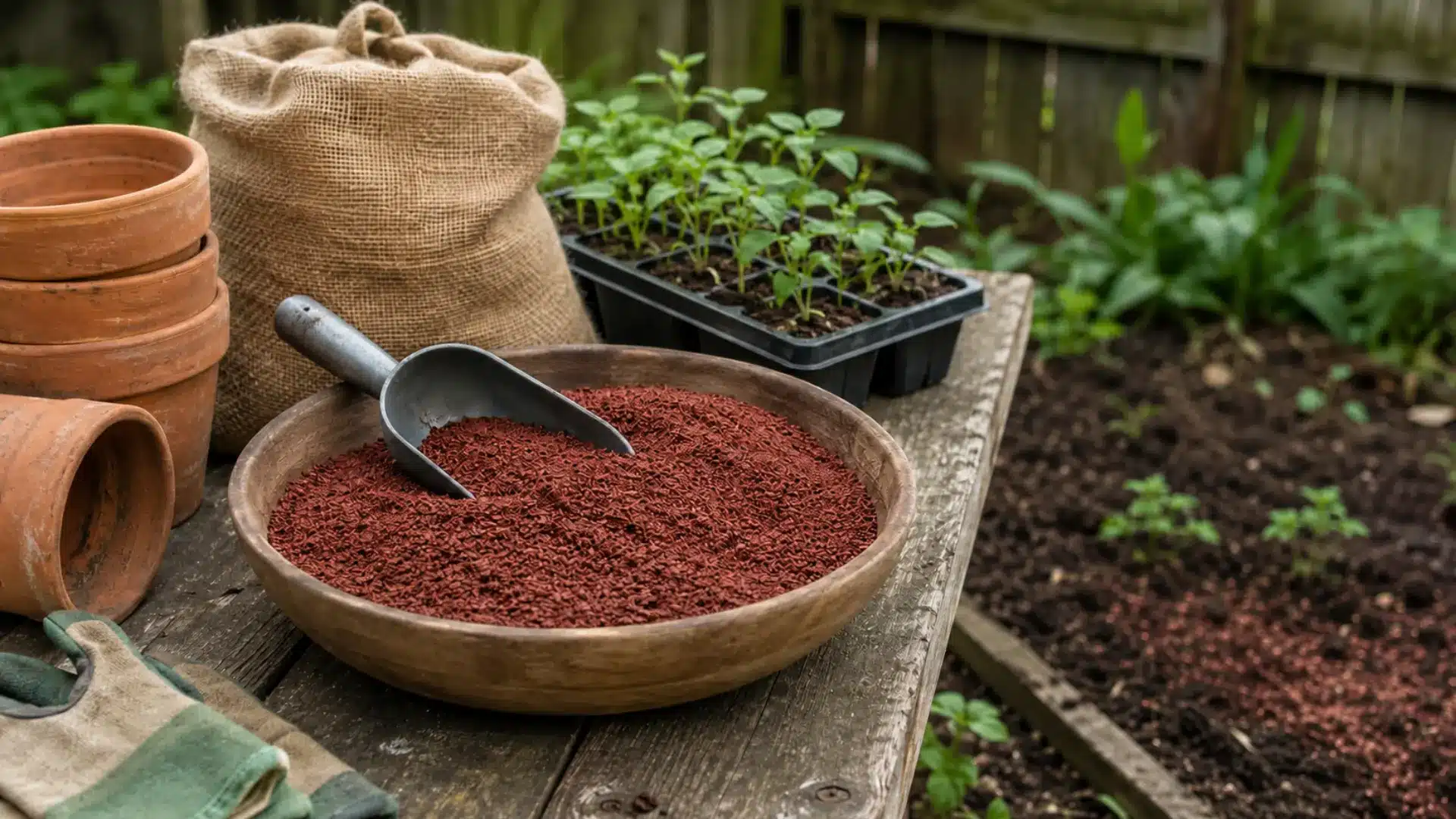
Blood meal is a dried, powdered byproduct rich in nitrogen for leafy growth.
It releases nutrients relatively quickly, so it’s worth applying with some caution, and leafy vegetables tend to respond especially well to a modest application.
Always follow package directions because excessive amounts can damage roots, disrupt soil balance, and produce weak growth with fewer flowers.
4. Bone Meal
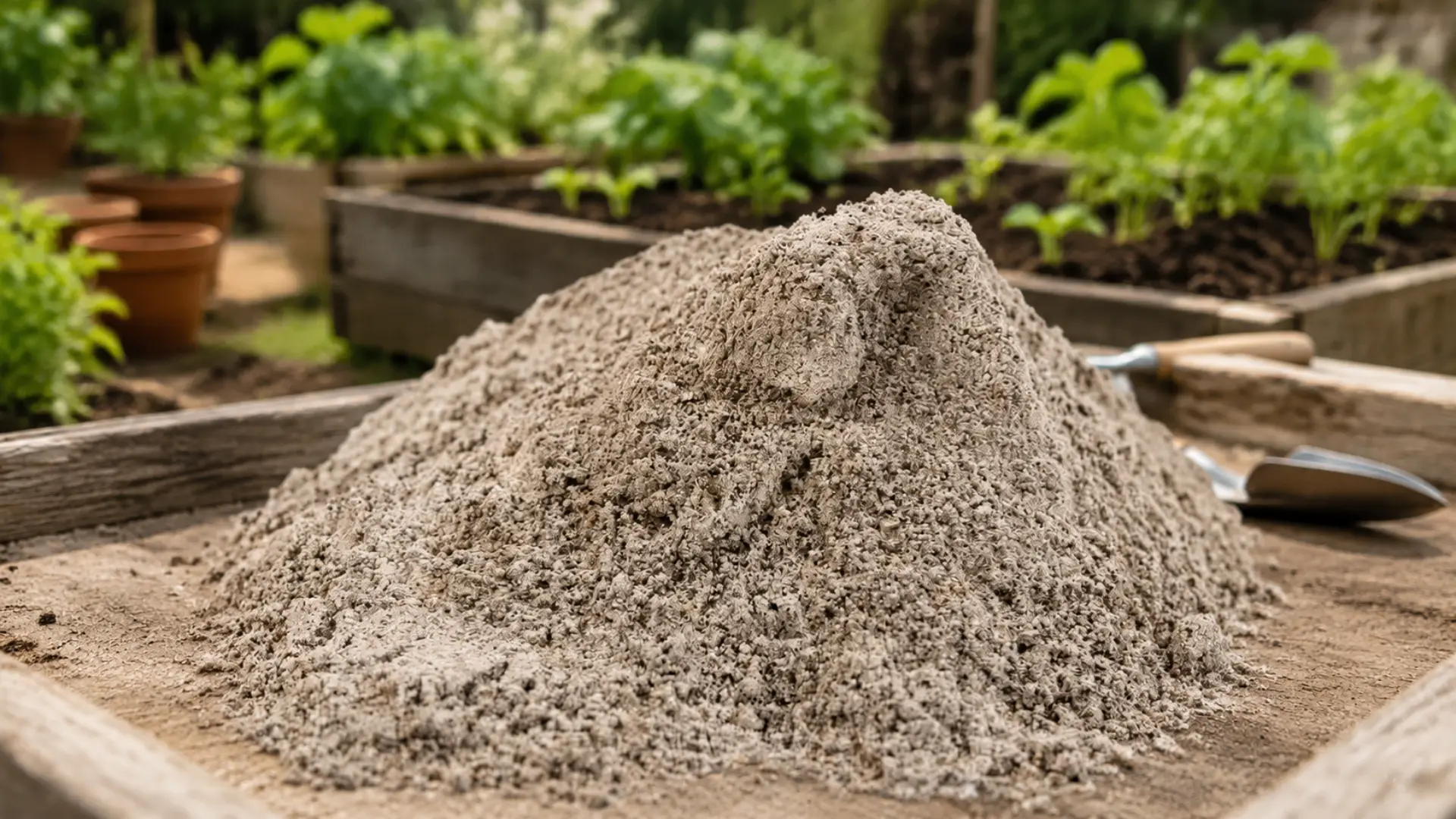
Bone meal supplies phosphorus, supporting strong root development and healthy flower production.
It’s slower-release than blood meal, making it more forgiving if overapplied slightly, and flowering plants benefit noticeably when it’s worked in at planting time.
5. Worm Castings
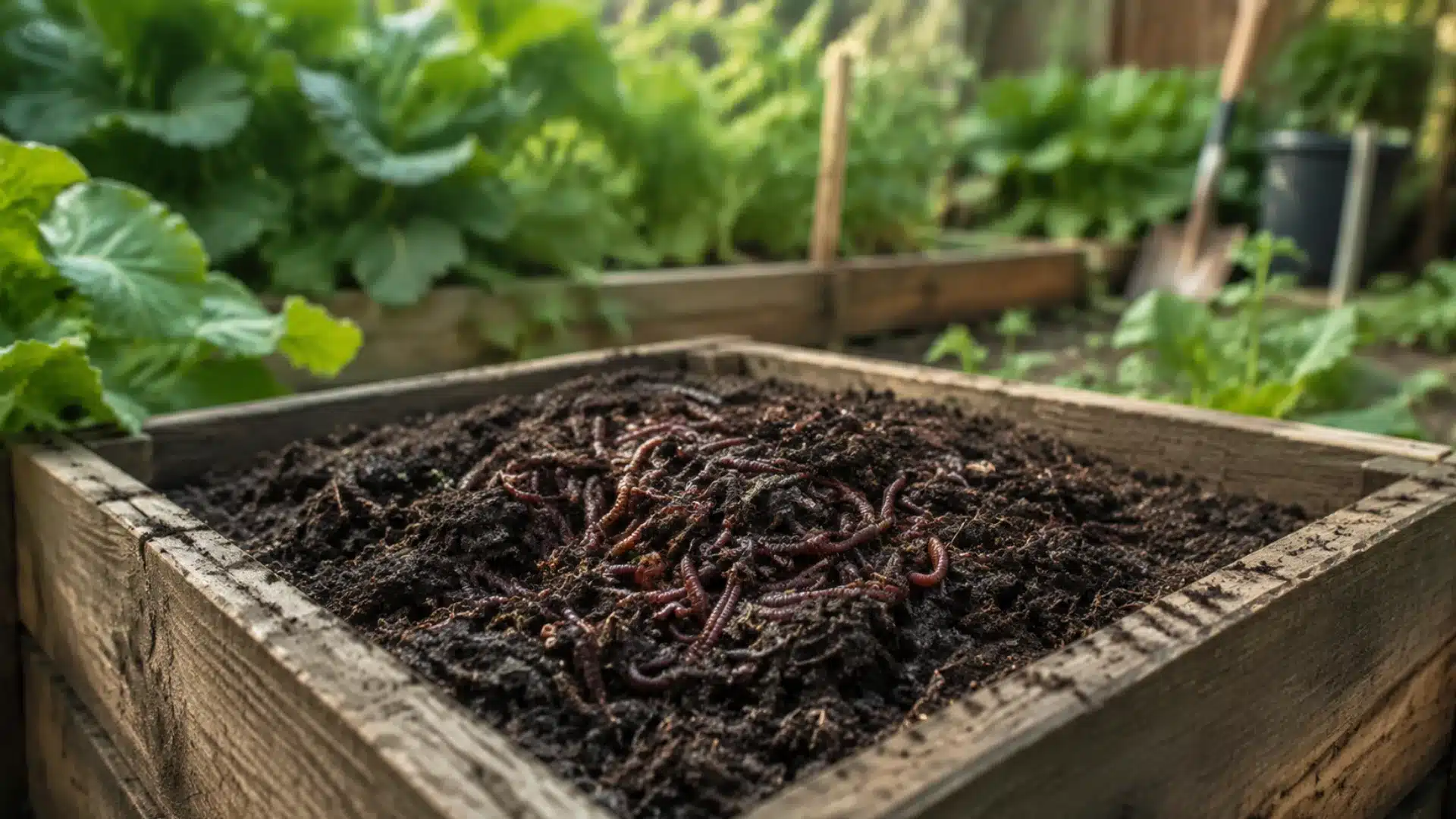
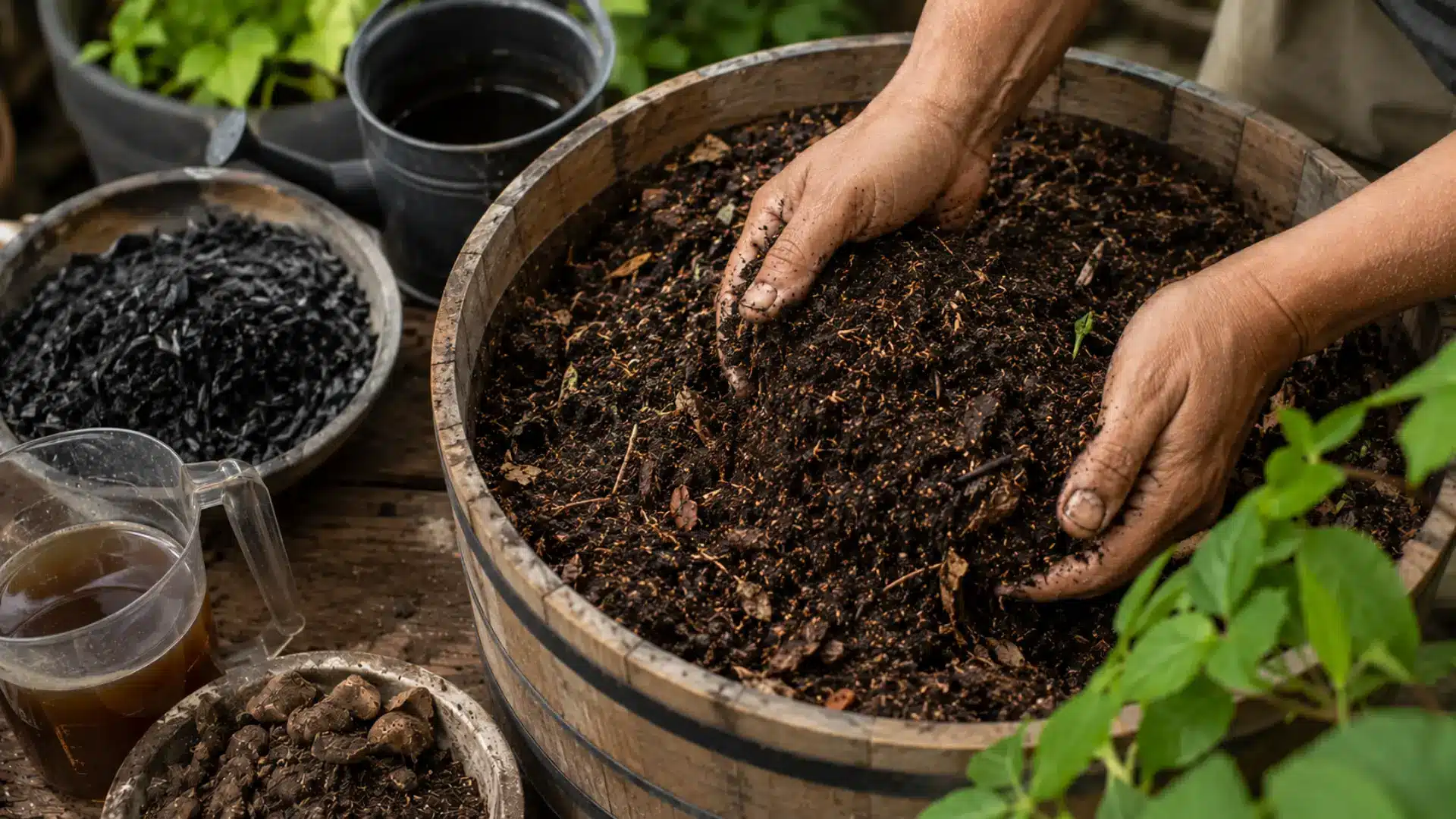
Worm castings are gentle and nutrient-dense, produced by earthworms processing organic matter.
The nutrients are bioavailable enough that plants can use them almost immediately, and they’re mild enough that over-application is genuinely difficult to do by accident.
They also improve moisture retention, soil texture, and microbial activity without burning tender plant roots.
6. Biochar
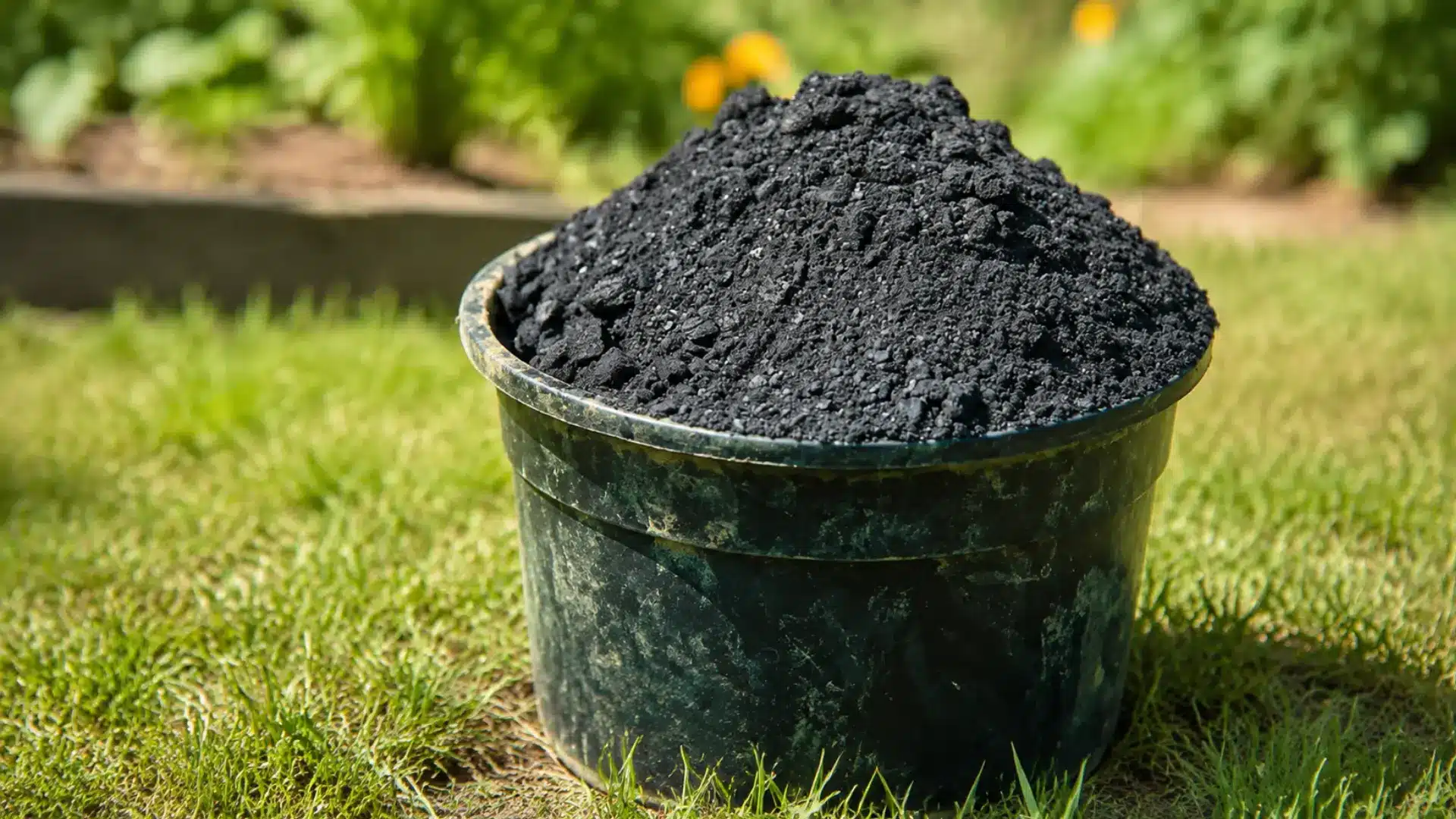
Biochar is charcoal made for agricultural use, valued for water retention and carbon storage.
It creates a porous structure that holds moisture and nutrients close to plant roots, making it a strong long-term investment in soil health.
Mix it with compost before application to prevent untreated biochar from temporarily absorbing soil nutrients.
7. Peat Moss
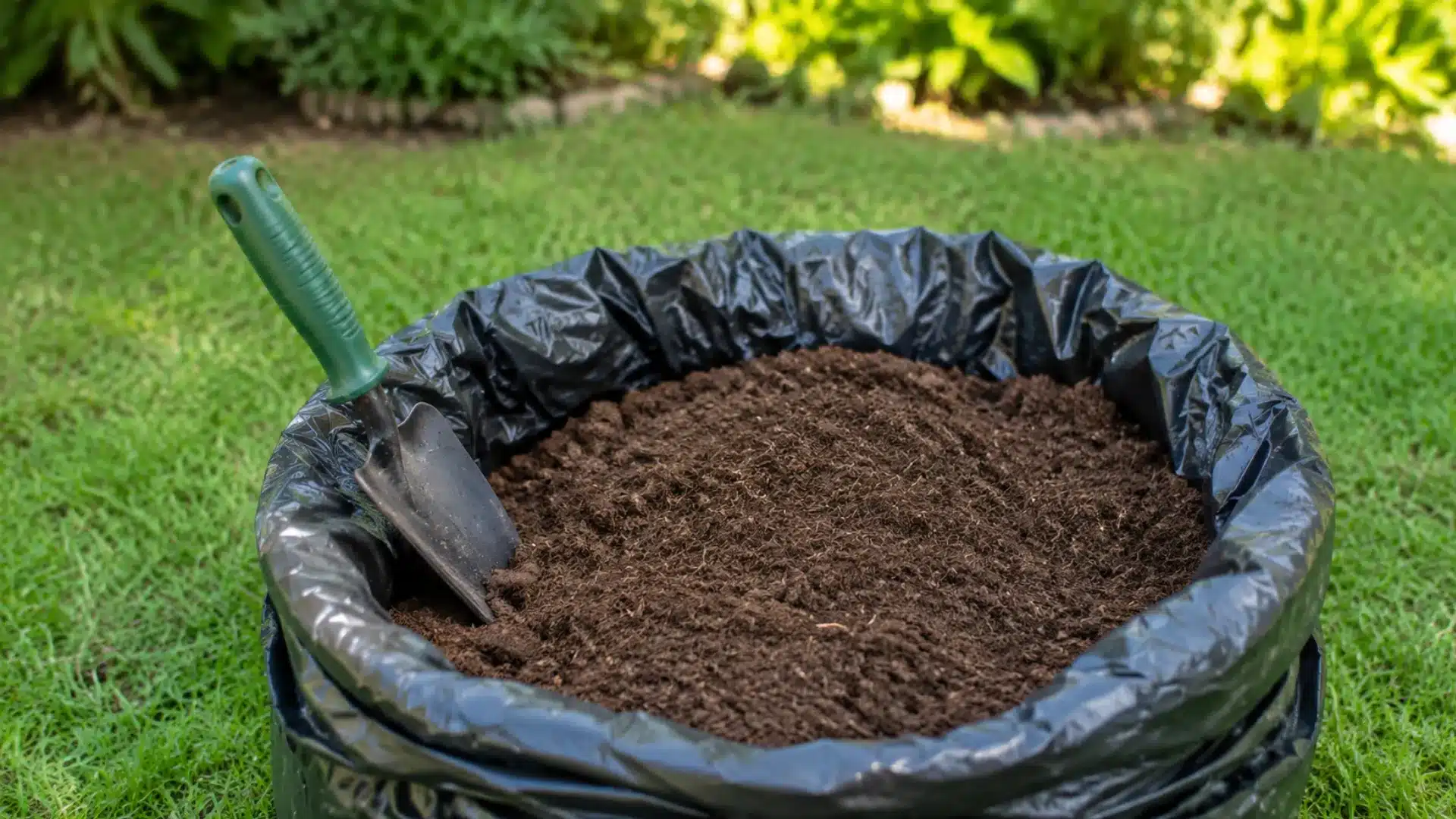
Peat moss holds moisture exceptionally well while slightly lowering soil pH.
It works best in sandy, fast-draining soils that struggle to retain water, though its harvesting raises sustainability concerns worth considering before choosing it.
8. Coconut Coir
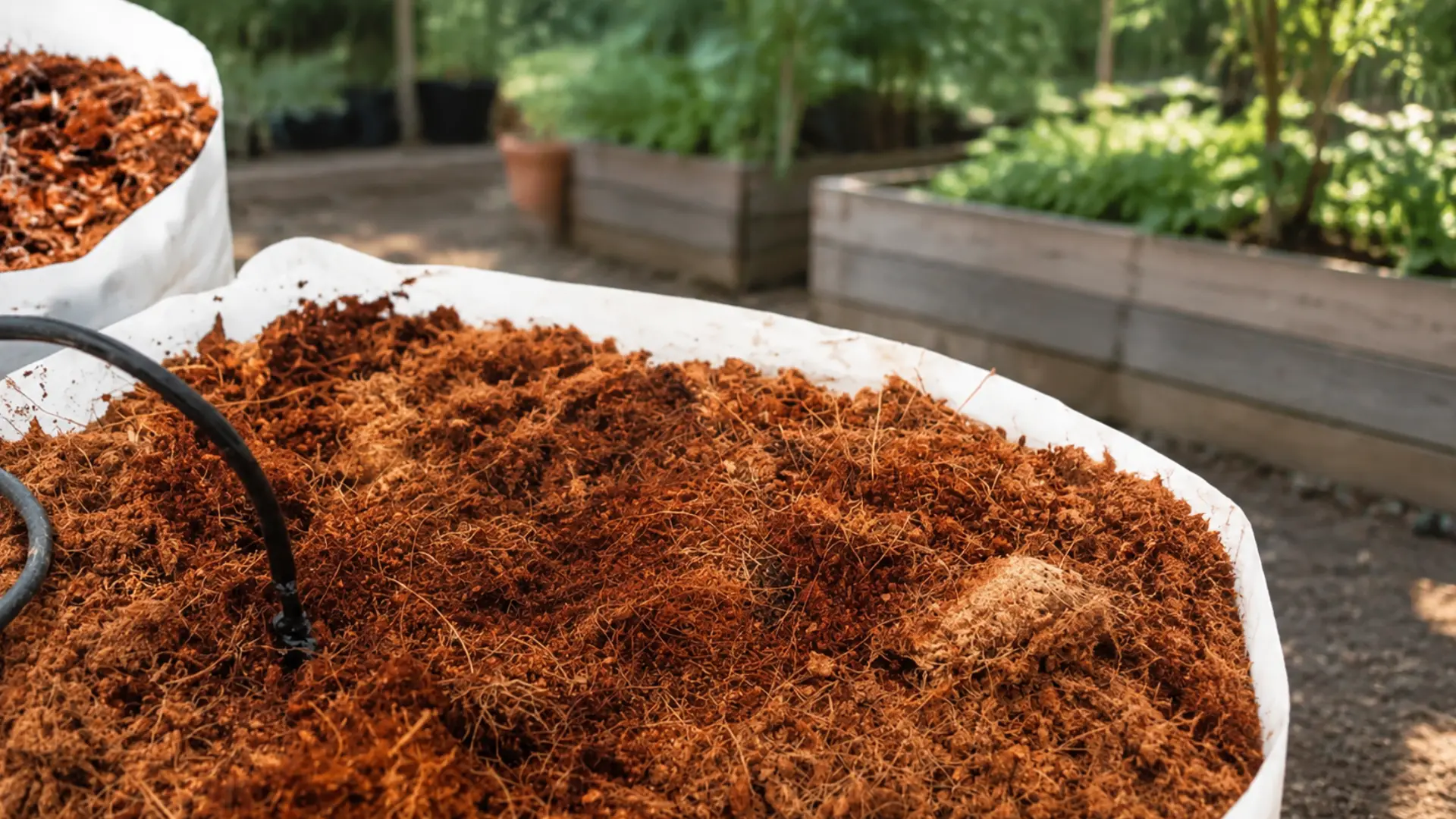
Coconut coir is a fibrous byproduct of coconut husks, often used as a more sustainable alternative to peat moss and is also an organic conditioner.
It holds moisture well while still allowing decent airflow, making it a strong fit for containers and raised beds.
Rinse coir before use to remove excess salts that could affect sensitive plants or seedlings.
9. Mulch
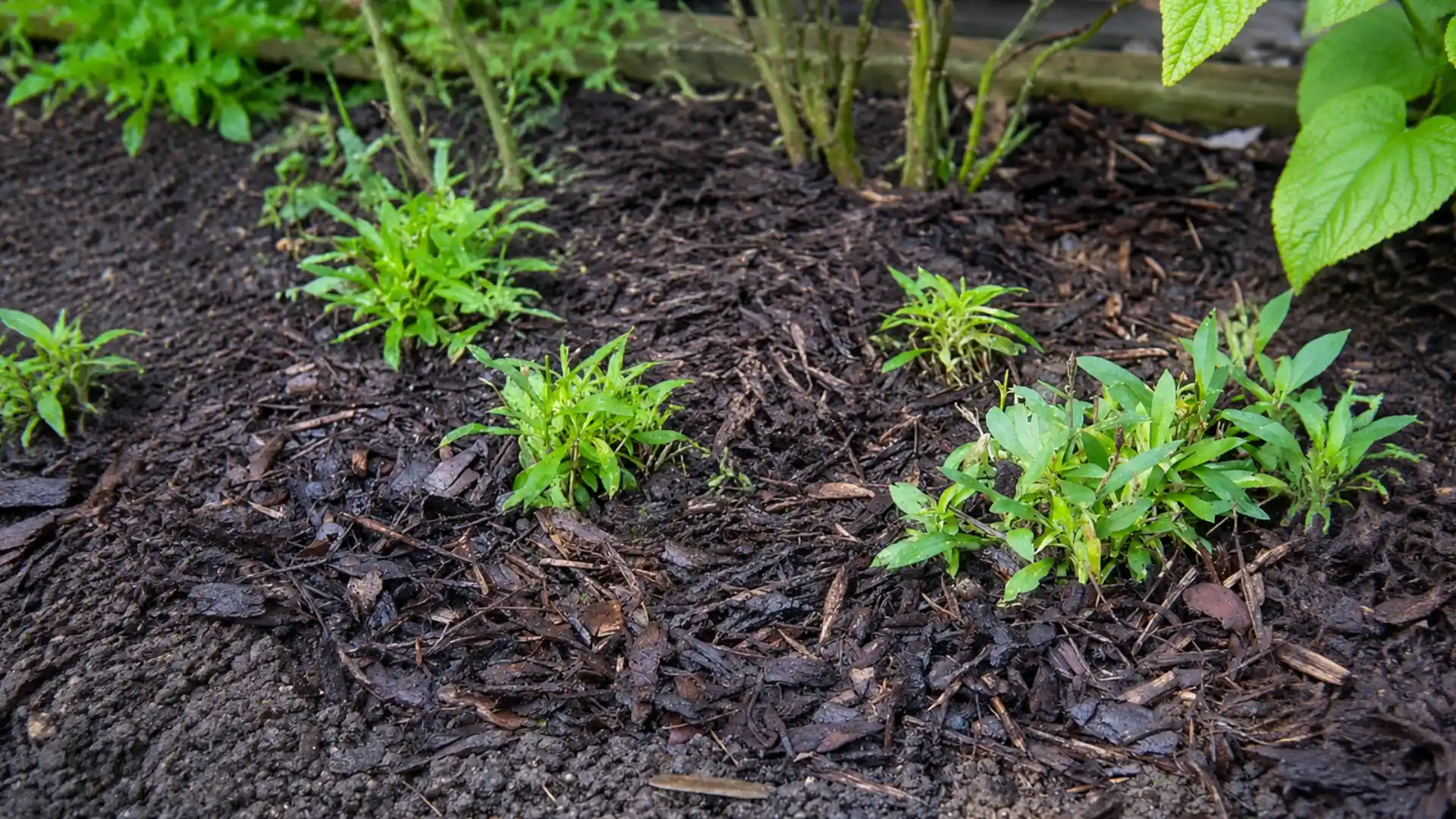
Mulch, whether wood chips, bark, or straw, sits on top of soil rather than being worked into it.
It retains moisture, suppresses weeds, and gradually adds organic matter as it breaks down, making it one of the easiest amendments for beginners.
Keep mulch a few inches away from plant stems to prevent rot and pest problems.
When & How to Apply Organic Soil Amendments
Getting the timing and method right matters just as much as choosing the right amendment in the first place.
| When | How |
|---|---|
| Fall | Compost or manure gives time to break down before next season |
| Spring | Aligns with active plant growth as demand ramps up |
| Established beds | Top-dress on the surface to avoid disturbing roots |
| New beds or planting | Incorporate directly into soil for faster availability |
| Quick nutrient boost | Use liquid feeds like compost tea |
| Ongoing maintenance | Apply gradually, once or twice a year, guided by soil test results |
How to Choose the Right Amendment for Your Soil?
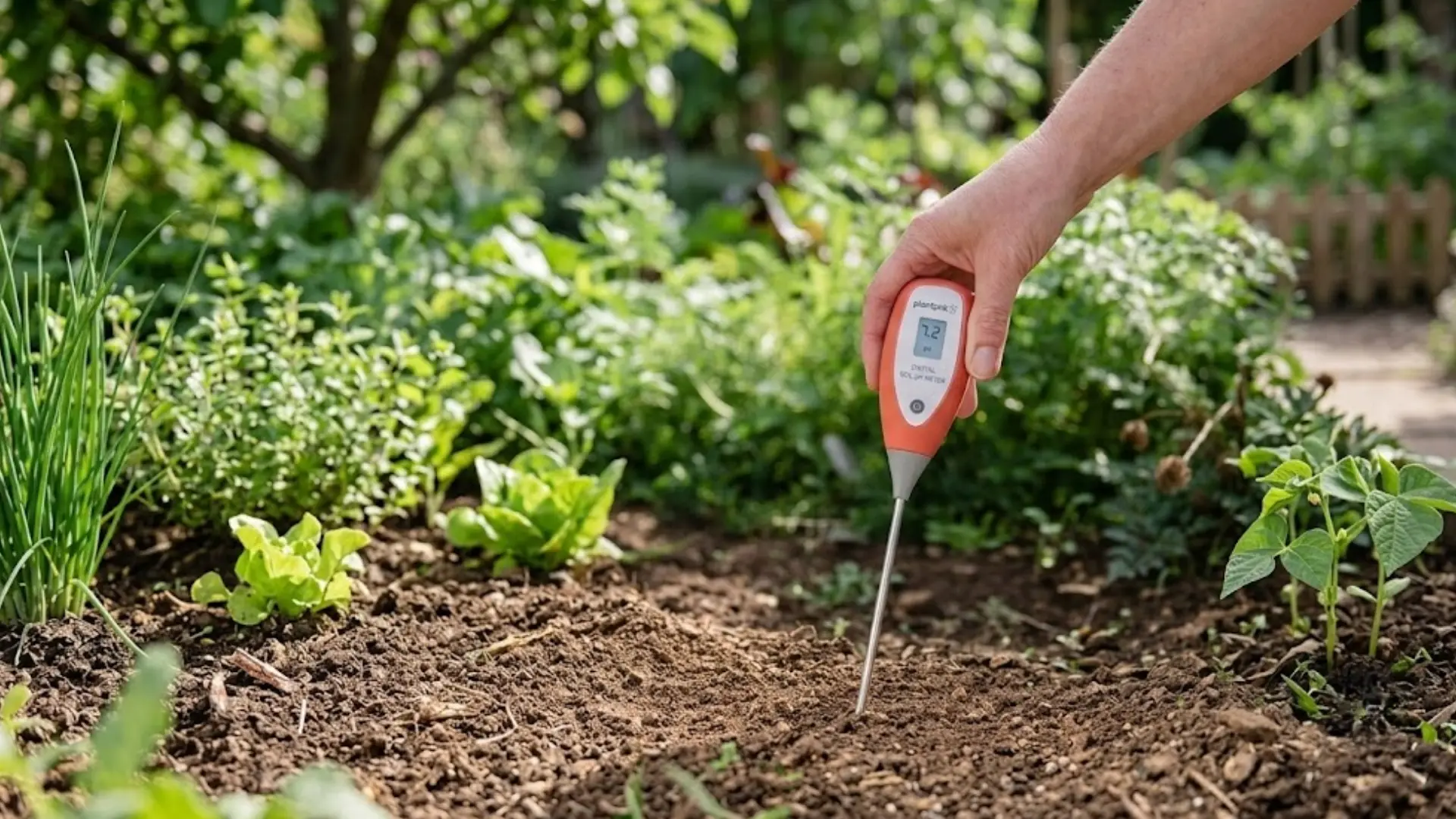
Choosing the right organic soil amendment starts with identifying the soil condition. A soil test can reveal pH, nutrient levels, and organic matter content.
- Sandy soil: Use compost, leaf mold, or coco coir to improve moisture retention and reduce nutrient loss.
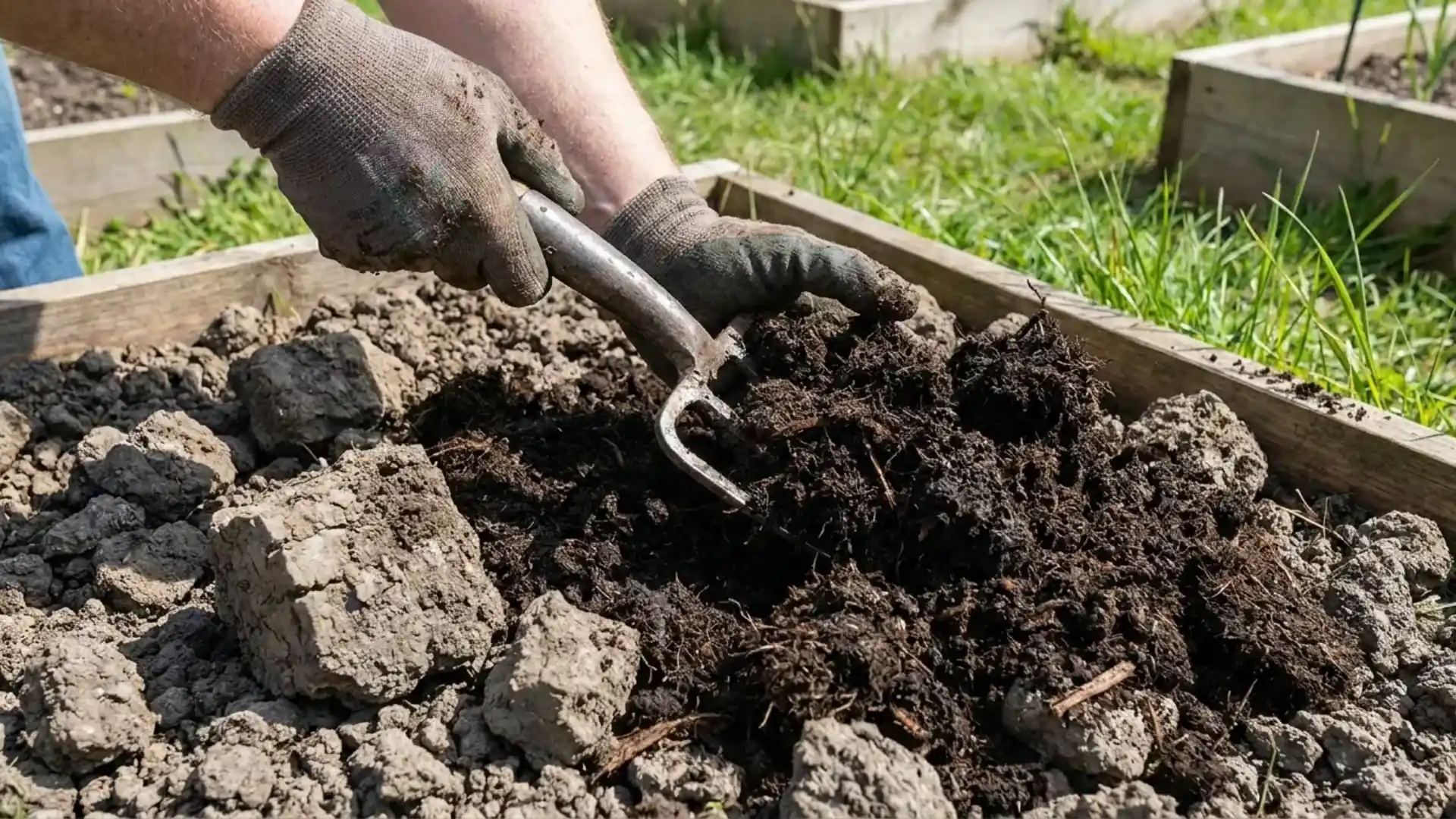
- Heavy clay soil: Add compost or leaf mold to loosen dense ground and improve drainage.
- Low fertility: Apply compost, aged manure, or worm castings to build organic matter gradually.
- Waterlogged soil: Use compost or aged bark to improve structure and drainage.
- Compacted soil: Add compost or leaf mold to soften ground and support root growth.
- Acidic soil: Apply garden lime with compost to raise soil pH.
- Alkaline soil: Use pine bark or peat moss to slowly lower soil pH.
Avoid adding any organic soil amendment in excessive amounts. Soil test results and plant requirements should guide the final choice and application rate.
Core Benefits of Organic Soil Amendments
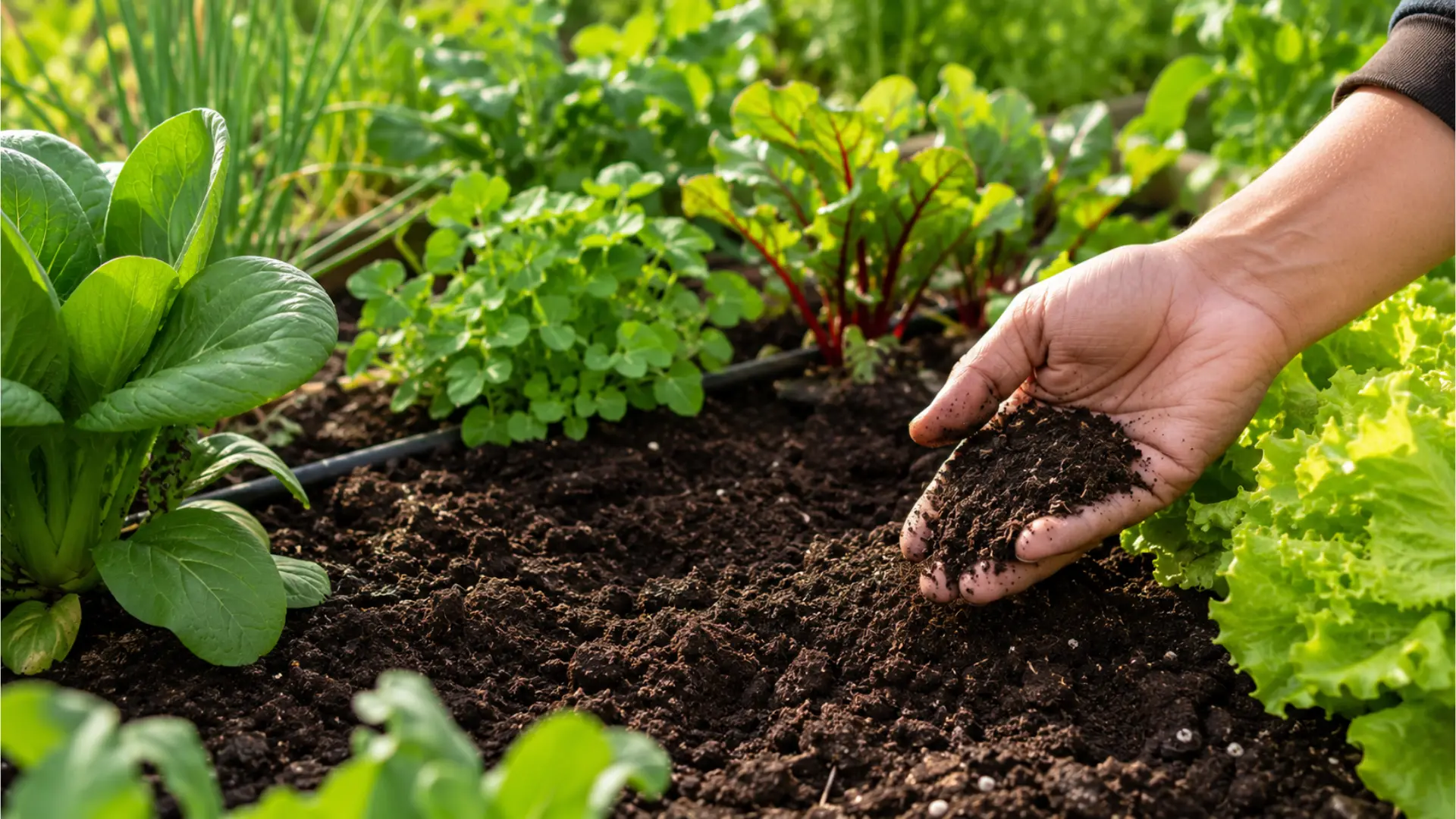
These are the reasons why building soil health pays off in ways a quick fertilizer fix simply can’t match.
- Improved soil structure: Better water retention and drainage happen simultaneously, something synthetic inputs rarely manage to balance well.
- Enhanced nutrient cycling: Nutrients release slowly through microbial activity, matching what plants actually need rather than dumping everything at once.
- Boosted microbial life: Beneficial bacteria and fungi multiply, creating a soil ecosystem that continues working long after the amendment itself has broken down.
- Natural pest and disease resistance: Healthier soil biology helps plants build their own defenses, reducing reliance on sprays and treatments after problems appear.
- Environmental sustainability: Less runoff, better carbon sequestration, and reduced dependence on synthetic chemical inputs overall.
For tracking real progress, USDA NRCS guidance recommends retesting soil 1 to 3 years after application, with monitoring continuing 3+ years out for longer-term impacts.
Organic vs Inorganic Amendments vs Synthetic Fertilizers
A three-way comparison for anyone deciding between all the options on the table.
| Factor | Organic | Inorganic | Synthetic Fertilizers |
|---|---|---|---|
| Source | Compost, manure, worm castings | Lime, gypsum, perlite | Manufactured nutrient salts |
| Soil Biology | Feeds beneficial microbes | Mostly neutral | Can suppress soil life over time |
| Nutrient Release | Slow and steady | Doesn’t add nutrients directly | Immediate, risks burning if overapplied |
| Primary Purpose | Builds long-term fertility | Corrects structure or pH | Fast, targeted nutrient boost |
| Long-Term Effect | Soil gets healthier over time | Supports structure, not biology | Can create input dependency |
| Cost Over Time | Higher upfront, lower long-term | Moderate, occasional use | Lower upfront, rising over time |
Most healthy gardens use a mix of all three: organic for long-term soil health, inorganic for structural or pH fixes, and synthetic sparingly for quick, targeted needs.
Conclusion
Healthy soil gives every plant a better chance to grow, and the right amendment can help you create that foundation naturally.
Start with a soil test, pick the right amendments for what you’re growing, and give it time to work.
Small changes beneath the surface can lead to stronger roots, steadier growth, and a garden that feels easier to manage.
Consistent care and careful observation will help you understand how your soil responds throughout each growing season.
What’s your soil struggling with right now? Let us know; we might just have the fix for it.
Frequently Asked Questions
What’s the Difference Between Soil Amendments and Fertilizers?
Amendments improve soil structure, biology, and water retention over the long term, while fertilizers directly supply nutrients to plants in the short term.
How Much Organic Matter Should I Add?
This depends on your soil condition and what a soil test reveals, but a general guideline is working 2 to 3 inches of compost into the top several inches of soil once or twice a year.
What Amendments Work Best for Vegetable vs Flower Gardens?
Vegetable gardens often benefit from nitrogen-rich amendments like composted manure or blood meal. Flower gardens tend to do well with phosphorus-focused amendments like bone meal, supporting blooms over leafy growth.