

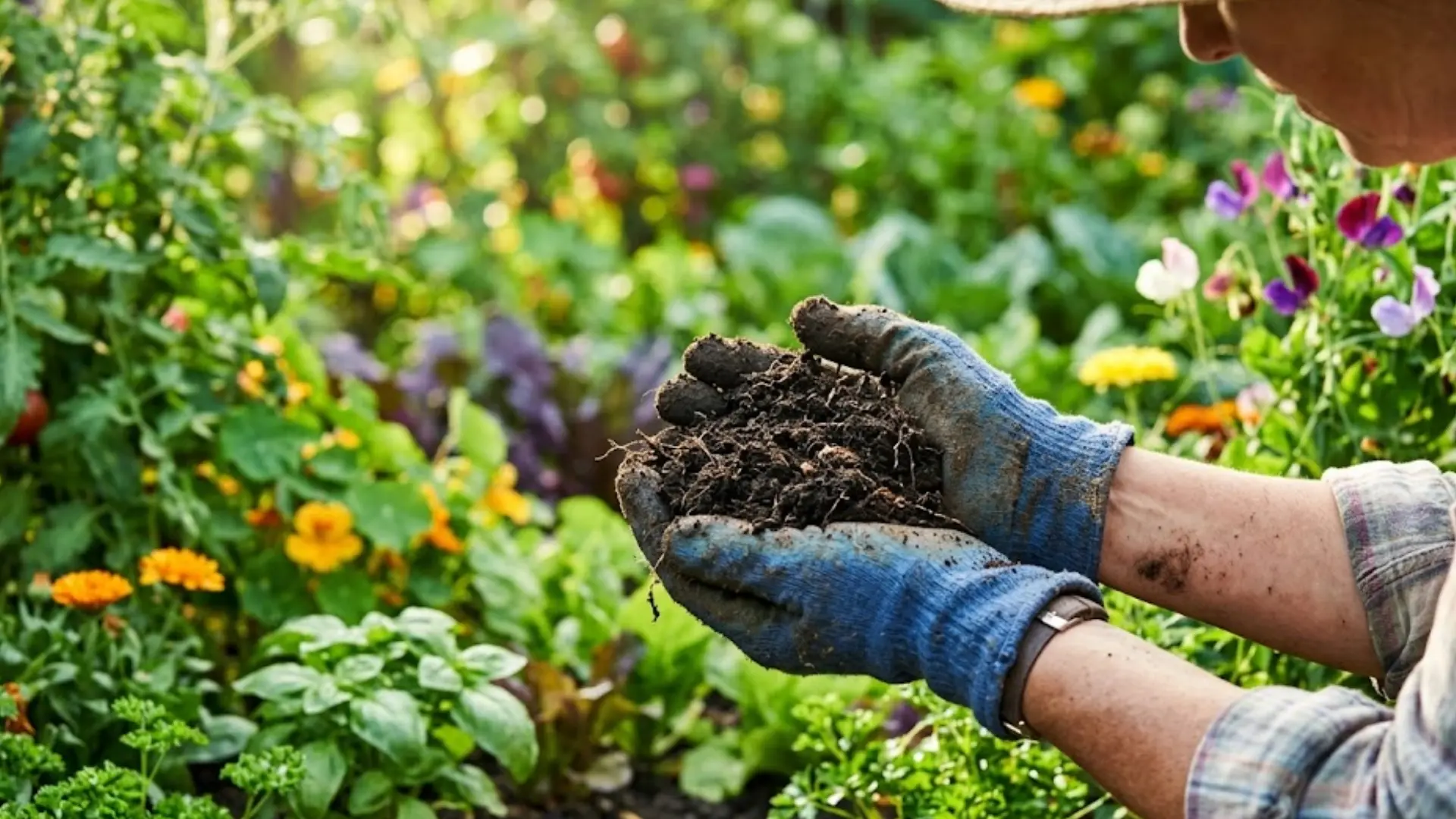
Your garden tells you a lot, but your soil tells you more. The way water moves, roots spread, and plants grow all starts beneath the surface.
Soil is a living system, and like anything living, it needs the right conditions to perform. That is where knowing what a soil conditioner is comes in handy.
Some gardens look healthy on the outside but are struggling beneath the surface. The foundation matters more than most people realize.
Get the soil right, and everything growing above it will follow. This is exactly what you need to know before your next planting season.
What is a Soil Conditioner?
A soil conditioner is any material you add to soil to improve its feel and function. It works on the structure of the soil, not the nutrient content. Soil is more than just dirt.
It is a living system that either helps your plants prosper or holds them back. When soil becomes too hard, too sandy, or too dense, roots struggle to grow.
Water either runs off too fast or pools in all the wrong places. Soil conditioners fix those problems at the root level.
Better structure means better drainage, better root movement, and better moisture retention. Healthy soil makes everything else in your garden work the way it should.
What Does Soil Conditioner Do to Soil?
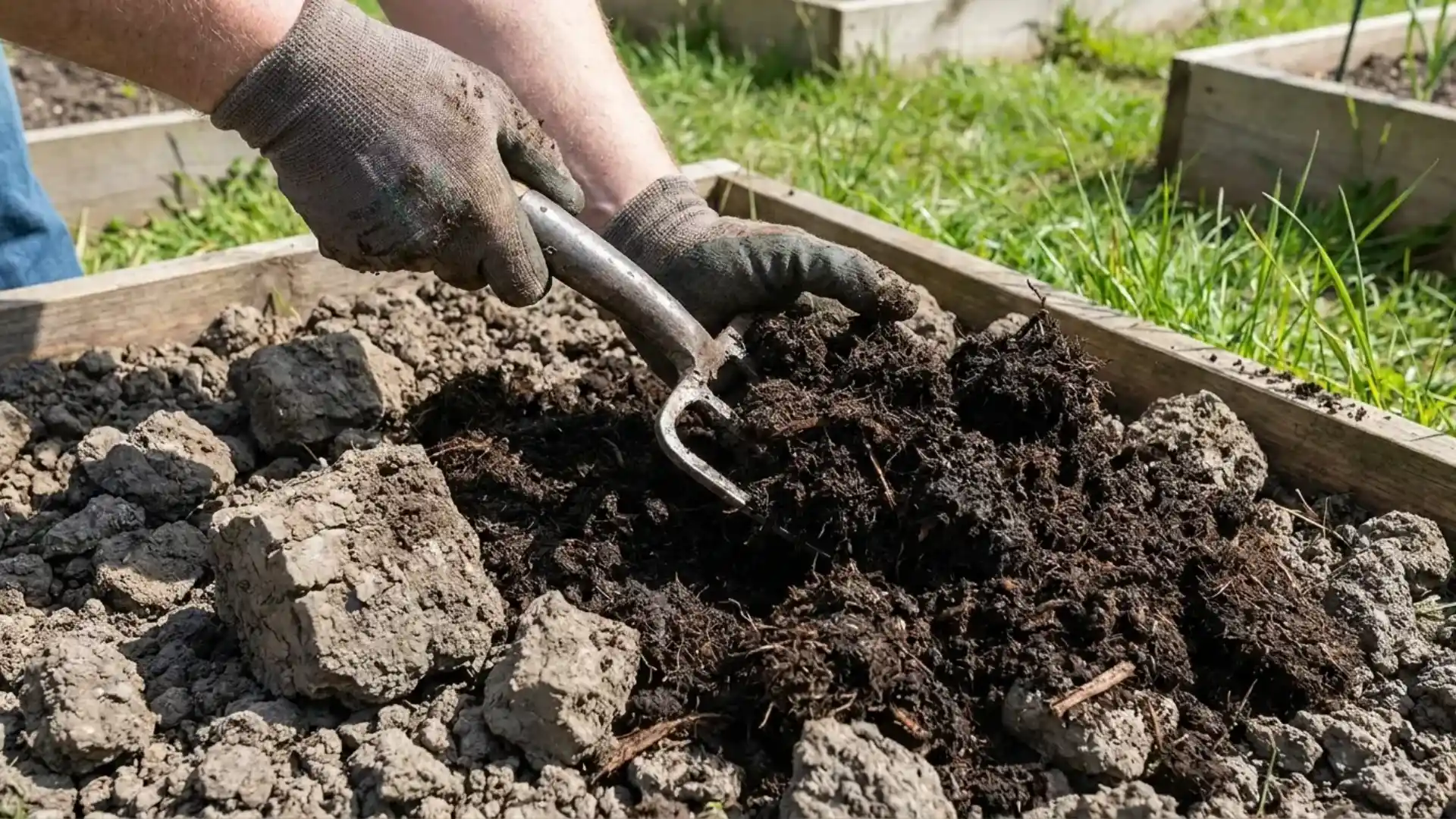
Soil conditioners change the way soil behaves from the inside out. They work on the physical makeup of soil, not just the surface. Dense, compacted soil gets looser and easier for roots to push through.
Sandy soil holds onto water longer instead of letting it drain away too fast. Heavy clay soil drains better, so roots do not sit in standing water.
Air can move through the soil more freely, which roots actually need to stay healthy. Over time, the whole growing environment improves.
Plants can spread their roots deeper, absorb water more efficiently, and build stronger stems. Good soil structure is the foundation on which everything else depends.
What Is Soil Conditioner Made Of?
Soil conditioners come in many forms, both natural and manufactured. The type you choose depends on your soil problem. Here is a breakdown of the main categories:
1. Organic Soil Conditioners
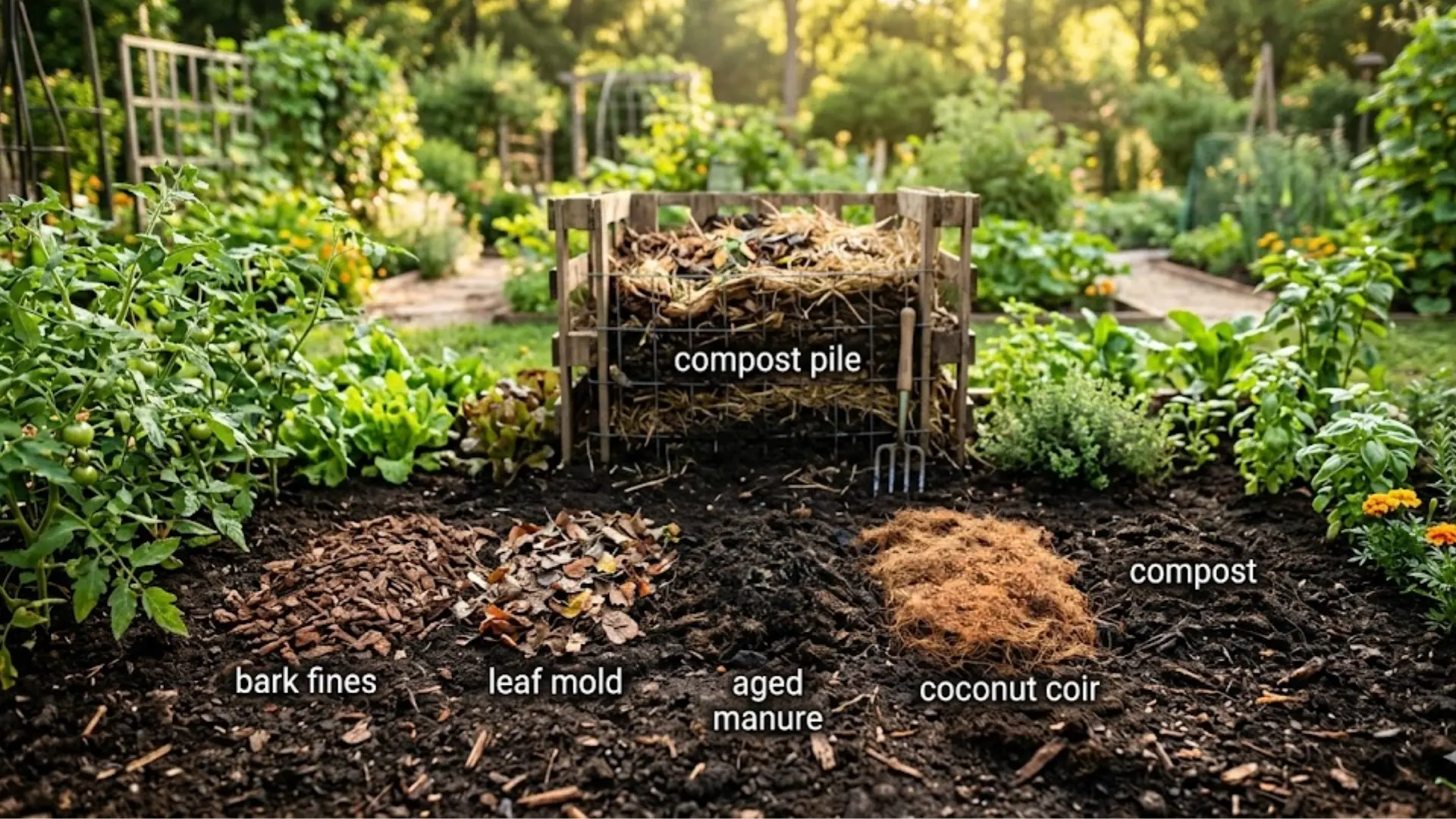
Organic soil conditioners come from natural plant or animal sources. They break down over time and improve soil from within. The most common organic options include:
- Compost: Decomposed plant and food waste that improves structure and feeds soil microbes
- Aged manure: Broken-down animal waste that loosens dense soil and adds organic matter
- Leaf mold: Partially decomposed leaves that lighten clay soil and improve moisture retention
- Coconut coir: A coconut byproduct that helps soil hold water without becoming waterlogged
- Bark fines: Finely ground bark that improves drainage and aeration in compacted soils
They are widely available and easy to work into most soil types. They also support long-term soil health over time.
2. Inorganic Soil Conditioners

Inorganic soil conditioners are mineral-based and do not break down like organic options. They are useful when a specific structural fix is needed. Common inorganic options include:
- Gypsum: Loosens compacted clay soil without altering the pH level
- Perlite: A lightweight volcanic material that improves aeration and prevents clumping
- Vermiculite: Helps soil retain moisture and stay loose after mixing
- Sand: Coarse sand that improves drainage and reduces compaction in heavy soils
They last longer since they do not decompose. They work best when combined with organic matter.
3. Commercial Soil Conditioner Blends
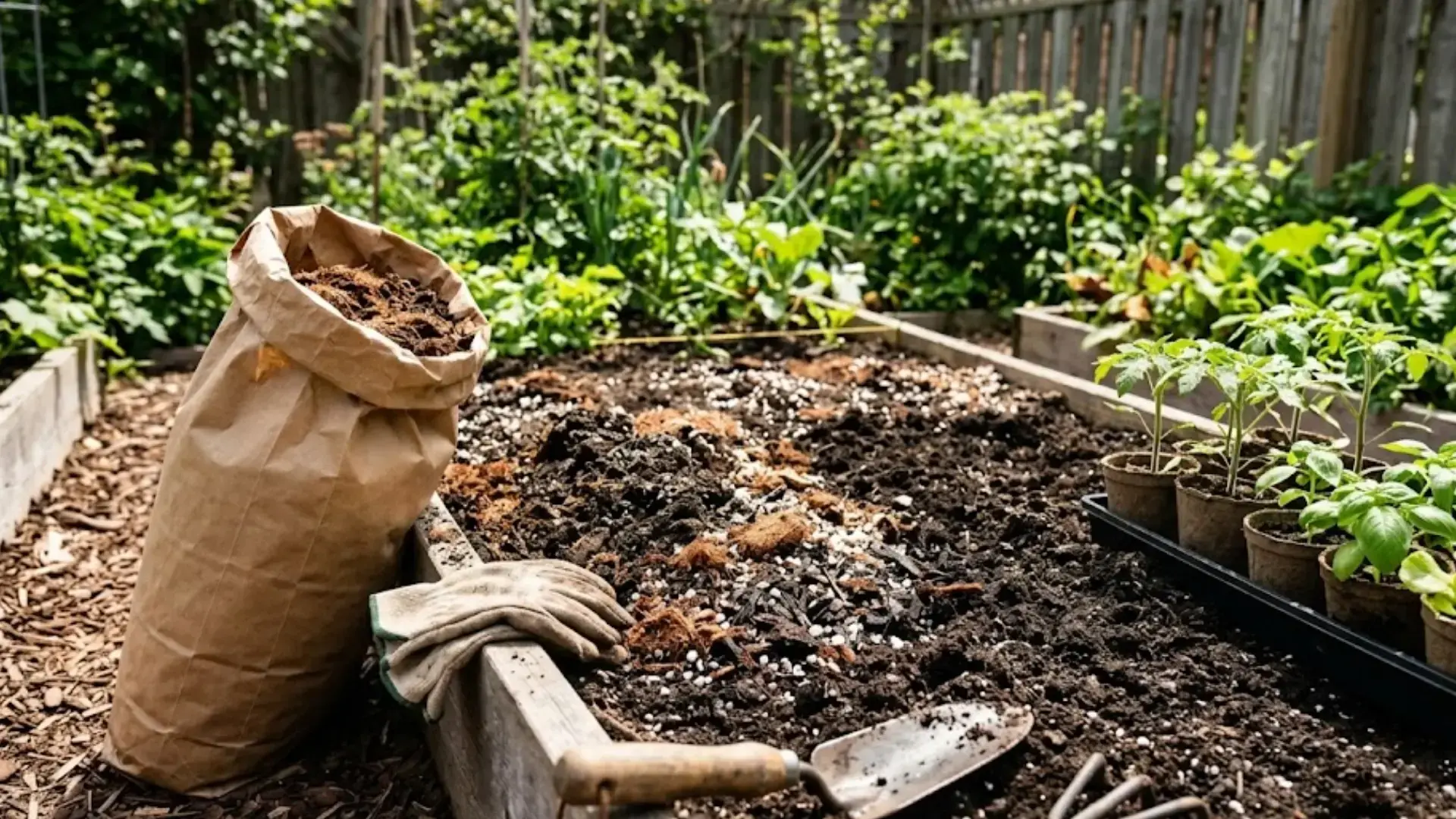
Commercial blends are pre-mixed products that tackle multiple soil problems at once. They combine organic and inorganic ingredients for broader results. Common ingredients found in commercial blends include:
- Compost and perlite mix: Improves both moisture retention and aeration in one product
- Gypsum and organic matter blend: Targets clay-heavy soil while supporting microbial activity
- Coir and vermiculite combination: Ideal for container gardens and raised beds
- Humic acid additives: Enrich nutrient absorption and improve overall soil structure
They save time by removing the need to source materials separately. Most are ready to use straight from the bag.
Types of Soil Conditioners
Soil conditioners vary widely in their sources, compositions, and what they fix. The table below covers the most common types and what each one does:
| Type | Source | Best For | Application Method |
|---|---|---|---|
| Compost-Based | Decomposed plant and food waste | All soil types | Mix into topsoil or spread as a surface layer |
| Manure-Based | Aged animal waste | Depleted or compacted soil | Till into the soil before planting, or use as mulch |
| Peat Moss | Decomposed sphagnum moss | Sandy or dry soil | Work into the soil by hand or with a garden fork |
| Gypsum | Natural mineral | Heavy clay soil | Spread evenly on the surface and water in thoroughly |
| Biochar | Charred organic material | Poor or degraded soil | Mix deep into soil for best long-term results |
| Commercial Blends | Mixed organic and inorganic ingredients | Specific or multiple soil problems | Follow the product label for mixing ratio and depth |
Each type works differently depending on your soil condition and goals. Choosing the right one starts with knowing what your soil actually needs.
Signs Your Soil May Need a Soil Conditioner
Soil does not always show problems in obvious ways. Sometimes the signs show up in your plants before you even check the ground. Watch out for these red flags:
- Water sits on the surface for a long time after watering or rainfall
- Soil dries out and cracks within a day or two of being watered
- The ground feels rock hard and is difficult to dig into
- Plants grow slowly, look weak, or keep wilting without a clear reason
- Seeds struggle to germinate, or new roots fail to establish properly
These are all signs that your soil structure needs attention. Fixing it early saves your plants a lot of unnecessary stress.
How to Use Soil Conditioner?
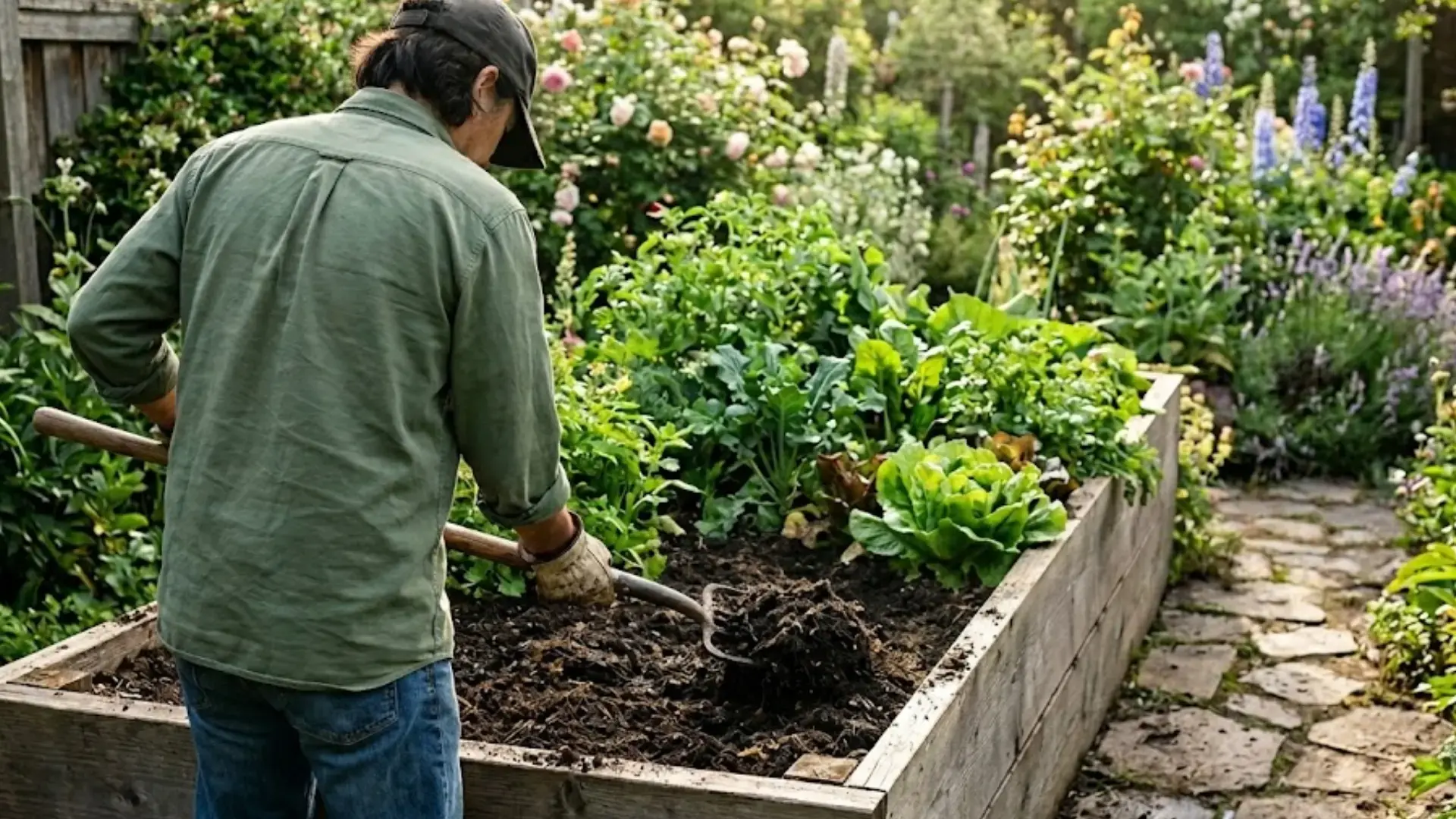
Using a soil conditioner the right way makes a real difference in how well it works. Rushing the process or skipping steps can reduce the results. Here is how to do it properly:
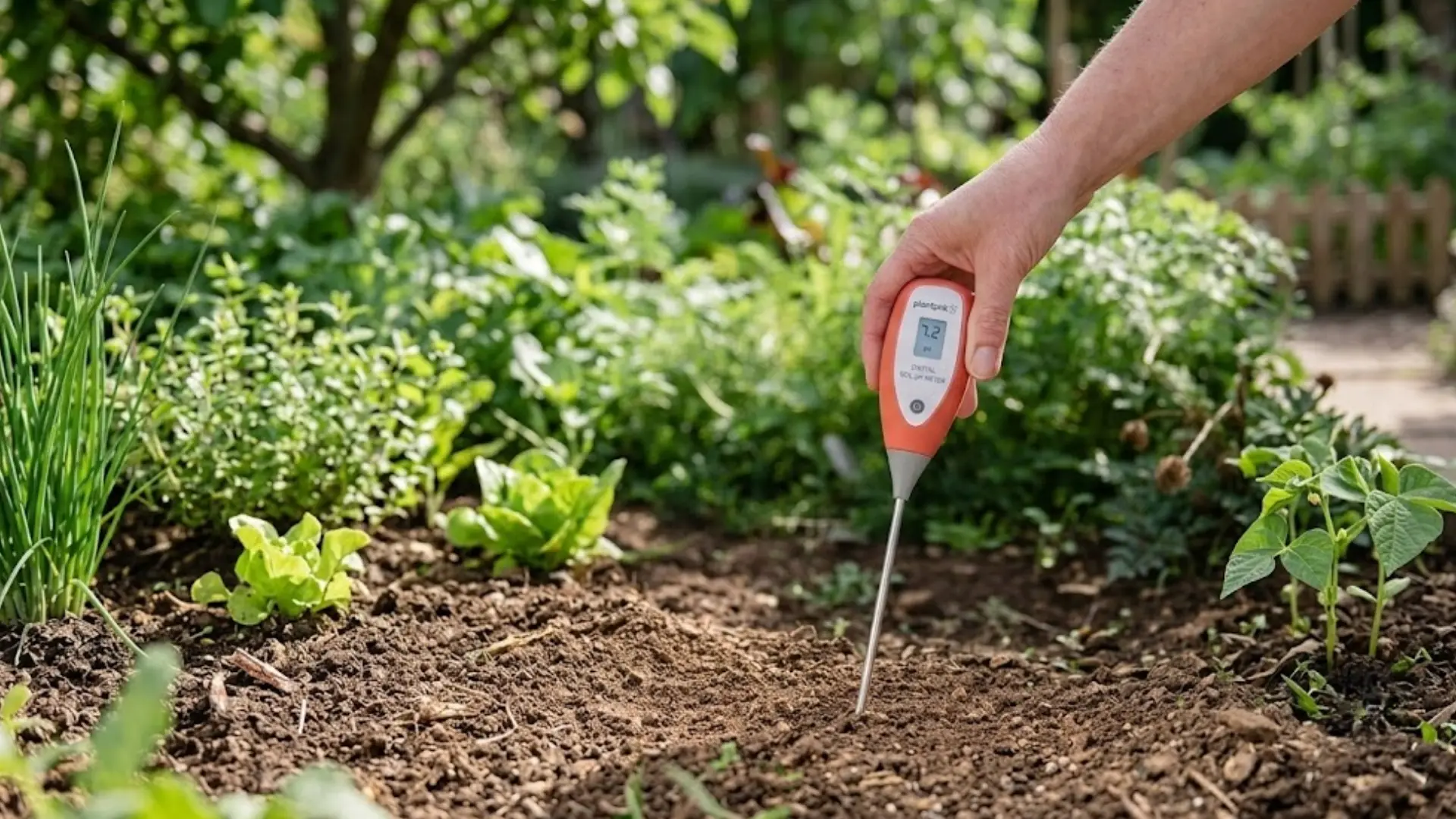
- Step 1: Test your soil first to understand its texture, drainage, and any obvious problem areas
- Step 2: Choose a conditioner that matches your specific soil type and the problem you are fixing
- Step 3: Follow the recommended amount on the product label and avoid over-applying
- Step 4: Work the conditioner at least six to eight inches deep into the existing soil
- Step 5: Water the area thoroughly after application to help the conditioner settle and activate
Give it some time before expecting visible results. Most conditioners need at least a few weeks to start making a difference.
How to Use Soil Conditioner in Different Areas
Soil conditioner works across many growing spaces, but the approach changes depending on where you use it. The table below breaks down what works best for each area:
| Area | Best Conditioner Type | How to Apply | When to Apply |
|---|---|---|---|
| Garden Beds | Compost or aged manure | Till six to eight inches deep into the existing soil | Before planting season or during soil prep |
| Vegetable Gardens | Compost or worm castings | Mix thoroughly into the top layer of soil | At the start of each growing season |
| Flower Beds | Peat moss or compost mix | Work into the soil around existing plants carefully | Early spring or after the last frost |
| Lawns | Gypsum or compost topdress | Spread evenly across the surface and water in | Early fall or spring for best absorption |
| Raised Beds | Perlite and compost mix | Mix into the existing soil before filling the bed | When setting up or refreshing the bed |
| Potted Plants | Perlite or vermiculite | Mix into the potting soil at a ratio of roughly twenty percent | When repotting or refreshing container soil |
Every growing space has different drainage and root needs. Matching the right conditioner to the right area gives you the best results.
Common Mistakes When Using Soil Conditioner
Soil conditioners work well when used correctly, but small mistakes can reduce their effectiveness. Knowing what to avoid saves you time, money, and effort. Here are the most common mistakes to watch out for:
- Applying too much conditioner at once, which can throw off the soil’s natural balance
- Choosing a conditioner that does not match your actual soil type or problem
- Skipping a soil check and conditioning based on guesswork alone
- Expecting the soil to transform overnight instead of giving it time to work
- Forgetting to water after application, which prevents the conditioner from activating properly
These mistakes are easy to make but just as easy to avoid. A little preparation before you start goes a long way.
Best Soil Conditioner Products Available in the Market
Several reliable soil conditioner products are available across the USA for home and garden use. The table below covers six well-known options worth considering:
| Product | Type | Best For | Key Feature |
|---|---|---|---|
| FoxFarm Happy Frog Soil Conditioner | Organic | All garden types and beds | Contains earthworm castings, bat guano, and humic acids |
| Espoma Soil Perfector | Inorganic mineral-based | Compacted and clay-heavy soils | Kiln-fired ceramic mineral that permanently improves soil structure |
| Espoma Garden Gypsum | Mineral | Heavy clay soils and lawns | Loosens clay without altering soil pH |
| G&B Organics Soil Building Conditioner | Organic blend | Flowers, shrubs, and trees | OMRI lists and includes mycorrhizae for strong root development |
Always check the product label for application rates before use. Choosing the right product depends on your soil type and the specific problem you are trying to fix.
Frequently Asked Questions
Can soil conditioner be used on lawns?
Yes. Gypsum and compost topdressing work well on lawns. They loosen compacted soil and help grass roots grow deeper.
Can I use compost as a soil conditioner?
Yes. Compost is one of the most effective organic soil conditioners. It improves structure, feeds soil microbes, and boosts moisture retention.
How long does soil conditioner take to work?
Most conditioners show results within a few weeks. Organic options take longer but deliver more lasting improvements.
Can you make your own soil conditioner?
Yes. Compost, leaf mold, and aged manure are easy to make at home. They work just as well as many store-bought options.
Final Words
Healthy soil is not something you can see right away, but you will notice it in how your plants grow. Roots spread better. Water moves the way it should. Plants stop struggling.
Knowing what a soil conditioner is gives you a real advantage in the garden. The fix is simpler than it sounds. You do not need expensive tools or special skills.
You just need the right conditioner and a little patience. Start with your soil, and the rest follows naturally. Tried a soil conditioner before? Drop your experience in the comments below.


One Response