

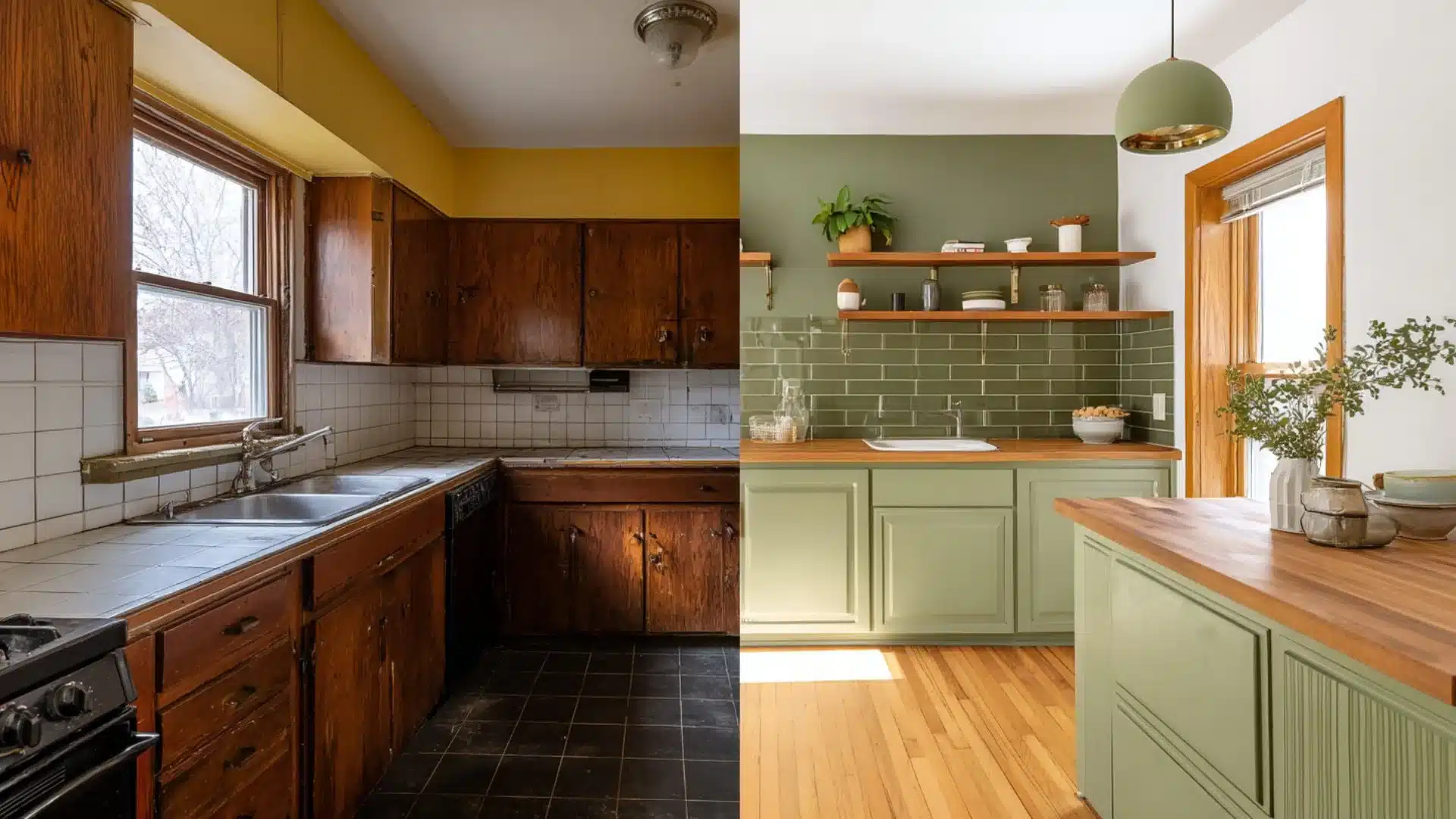
A cracked countertop, cabinets that no longer close right, and a layout that has never made sense. At some point, every kitchen reaches a stage where patching things up is no longer enough.
So, how much does a kitchen remodel cost when you finally decide to act on it?
The answer depends on more factors than many expect. Size, materials, labor, location, and hidden expenses all pull the number in different directions.
This breakdown covers every cost factor in plain terms, with real figures across every budget level. Read through before setting a single dollar aside.
Average Kitchen Remodel Costs
No two kitchens cost the same to remodel, and that price gap often comes down to a handful of key factors. Square footage, existing conditions, and material choices all shape the final number.
Kitchen renovation costs typically range from $14,000 to $40,000 for most households.
A cracked countertop, cabinets that no longer close right, and a layout that has never made sense. At some point, every kitchen reaches a stage where patching things up is no longer enough.
Looking at before-and-after kitchen remodel results can help clarify how far a budget actually stretches.
Where Does the Budget Go in a Kitchen Remodel?
Knowing where your money actually goes makes it far easier to plan, prioritize, and avoid surprises along the way.
| Category | Estimated Cost Range | What Drives the Cost |
|---|---|---|
| Cabinets and Hardware | $3,000 to $50,000+ | Cabinet type (stock, semi-full custom) and hardware finish |
| Labor Costs | $5,000 to $15,000 | Project complexity, local rates, and contractor experience |
| Appliances | $2,000 to $20,000+ | Brand, grade (basic, mid, professional), and number of units |
| Countertops | $15 to $150 per sq ft | Material choice (laminate, quartz, granite, or natural stone) |
| Flooring | $1,500 to $7,000 | Material type (vinyl, tile, hardwood, or stone) and kitchen size |
| Plumbing and Electrical | $2,000 to $9,000 | Scope of rerouting, fixture replacements, and panel upgrades |
These figures are national average estimates and will shift based on your location, project scope, and contractor rates. Collect itemized quotes before setting a final budget.
With a clear picture of where costs stand today, it helps to look at how these numbers have changed over time and what that could mean for your planning ahead.
How Have Kitchen Remodel Costs Changed Over Time?
Kitchen remodel pricing hasn’t stayed the same. Supply chain shifts, rising material costs, and changing labor markets have all pushed numbers in different directions over the past decade.
Current Kitchen Remodeling Costs
What once fell comfortably in a mid-range budget may now push into higher territory depending on your location and scope.
| Remodel Level | Current Average Cost |
|---|---|
| Minor Remodel | $14,000 to $25,000 |
| Mid-Range Remodel | $25,000 to $50,000 |
| High-End Remodel | $75,000 and above |
Today’s kitchen renovation costs reflect higher material prices, increased contractor demand, and regional labor shifts. These current figures make it clear that planning with a buffer is no longer optional.
Average Costs Over the Years
A decade ago, a mid-range kitchen remodel in the US cost between $18,000 and $30,000. Basic remodels came in well under $15,000, and even high-end projects rarely crossed $60,000.
Labor was more affordable, imported materials were cheaper, and supply chains ran without major disruption. Those baselines shaped budget expectations for years, but the market has moved considerably since then.
What Do These Changes Mean for Future Remodeling Plans?
Material prices remain above historical norms, labor rates continue to rise in most markets, and contractor availability remains tight in many regions.
Building in a contingency of at least ten to fifteen percent above your estimated budget gives you room to handle cost shifts without derailing the project.
Costs have shifted across every category, and that context sets a stronger foundation for the next step: breaking down what drives remodel costs at the individual project level.
Kitchen Renovation Costs Based on Project Scope

Kitchen renovation costs depend heavily on the amount of work involved. Knowing the differences between these remodeling levels can help set realistic expectations and make budget planning easier before work begins.
1. Basic Kitchen Updates
A basic kitchen update focuses on improving the appearance of the space without replacing major components or changing the layout.
Most of the existing cabinets, plumbing, and electrical systems remain in place, which helps keep costs lower.
Typical Cost: $15,000 to $30,000
Basic Kitchen updates include:
- Cabinet refinishing
- New cabinet hardware
- Wall painting
- Ceiling painting
- New sink
- New faucet
- Updated light fixtures
- Minor repairs
This type of project works well for kitchens that are still functional but need a cleaner, more up-to-date appearance.
Since the work mainly focuses on surface improvements, labor and material costs are generally more manageable.
2. Mid-Range Kitchen Renovations
A mid-range renovation goes beyond cosmetic improvements and includes replacing several major kitchen features. While the overall layout often stays the same, many of the materials and fixtures are upgraded.
Typical Cost: $30,000 to $65,000
Mid-Range Kitchen Renovations include:
- New cabinets
- New countertops
- New flooring
- New appliances
- Tile backsplash
- Storage upgrades
- New sink fixtures
- Electrical upgrades
This remodeling level is often chosen by people who want improved functionality, storage, and durability without undertaking a full kitchen redesign. It provides a noticeable improvement in both appearance and daily use.
3. High-End Kitchen Remodeling
A high-end remodel involves extensive upgrades, custom features, and major construction work. These projects often include significant design changes and premium materials throughout the space.
Typical Cost: $65,000 to $150,000+
High-end kitchen updates include:
- Custom cabinetry
- Stone countertops
- Luxury appliances
- Large kitchen island
- Custom storage
- Layout changes
- Wall removal
- Plumbing relocation
High-end remodeling offers the highest level of customization and can completely change how a kitchen looks and functions.
While these projects require a larger investment, they allow for greater flexibility in design and materials, as well as improved long-term performance.
Choosing the right level depends on the current condition of the kitchen and the overall budget goals.
Major Factors that Influence Remodeling Costs
Not all remodeling decisions affect the budget equally. While kitchen size and location influence pricing, the following factors often have the greatest impact on overall kitchen renovation costs.
| Factor | How It Affects Costs | Cost Impact |
|---|---|---|
| Material Selection | Choice of countertops, flooring, fixtures, and finishes | Moderate to High |
| Cabinet Type | Stock, semi-custom, or custom cabinetry | High |
| Layout Changes | Moving work zones, appliances, or fixtures | High |
| Appliance Upgrades | Standard, premium, or professional-grade appliances | Moderate to High |
| Structural Work | Wall removal, room expansion, or configuration changes | Very High |
| Utility Relocation | Moving plumbing, gas, electrical, or ventilation lines | High |
Material choices and design decisions can quickly change the total remodeling budget. Evaluating these factors early can help balance project goals with realistic spending expectations.
How Does Kitchen Size Affect Remodeling Costs?
Kitchen size plays a major role in determining remodeling costs. Larger spaces typically require more materials, labor, and installation time, which can increase the overall budget.
1. Small Kitchens
Small kitchens generally have lower remodeling costs because they require fewer materials and less labor. However, premium finishes and custom features can still significantly increase expenses.
Typical Cost Range: $10,000 to $30,000
2. Medium Kitchens
Medium-sized kitchens offer more space for upgrades, storage solutions, and appliance replacements. Costs often vary based on material selections and the extent of the renovation.
Typical Cost Range: $25,000 to $60,000
3. Large Kitchens
Large kitchens usually involve higher remodeling costs due to greater material requirements, longer installation times, and larger work areas. Custom features and high-end finishes can further increase the budget.
Typical Cost Range: $50,000 to $100,000+
4. Open-Concept Kitchen Spaces
Open-concept kitchens often require additional work beyond standard remodeling. Projects may involve removing walls, modifying structural elements, relocating utilities, and creating a connected flow between living areas.
Typical Cost Range: $60,000 to $150,000+
Kitchen size affects remodeling costs, but material choices and labor needs matter too. Location can further influence pricing due to regional labor rates and market conditions.
Labor Costs and Professional Services
Labor and professional services can account for a significant portion of a kitchen remodeling budget. Costs vary based on project complexity, location, and the specialists required to complete the work.
| Service Category | What It Covers | Typical Cost Range |
|---|---|---|
| Contractor Fees | Project management, demolition, installation, and coordination | $5,000 to $15,000+ |
| Designer Fees | Kitchen layout planning, material selection, and design drawings | $1,500 to $10,000+ |
| Plumbing and Electrical Labor | Fixture installation, wiring, plumbing work, and system upgrades | $2,000 to $9,000+ |
| Permit and Inspection Costs | Building permits, inspections, and local approvals | $500 to $3,000+ |
Professional service costs can vary widely between projects. Obtaining multiple estimates and understanding what each service includes can help avoid unexpected expenses during a kitchen remodel.
Why Local Labor Rates Affect Pricing
Local labor rates play a major role in kitchen remodeling costs because installation work often represents a significant portion of the overall budget.
Areas with a higher cost of living typically have higher rates for contractors, electricians, plumbers, and carpenters.
Labor availability can also influence pricing, as regions with strong demand for remodeling services may charge more for skilled work.
As a result, two similar kitchen projects can have noticeably different costs depending on where they are completed.
Kitchen Remodel Costs by Location
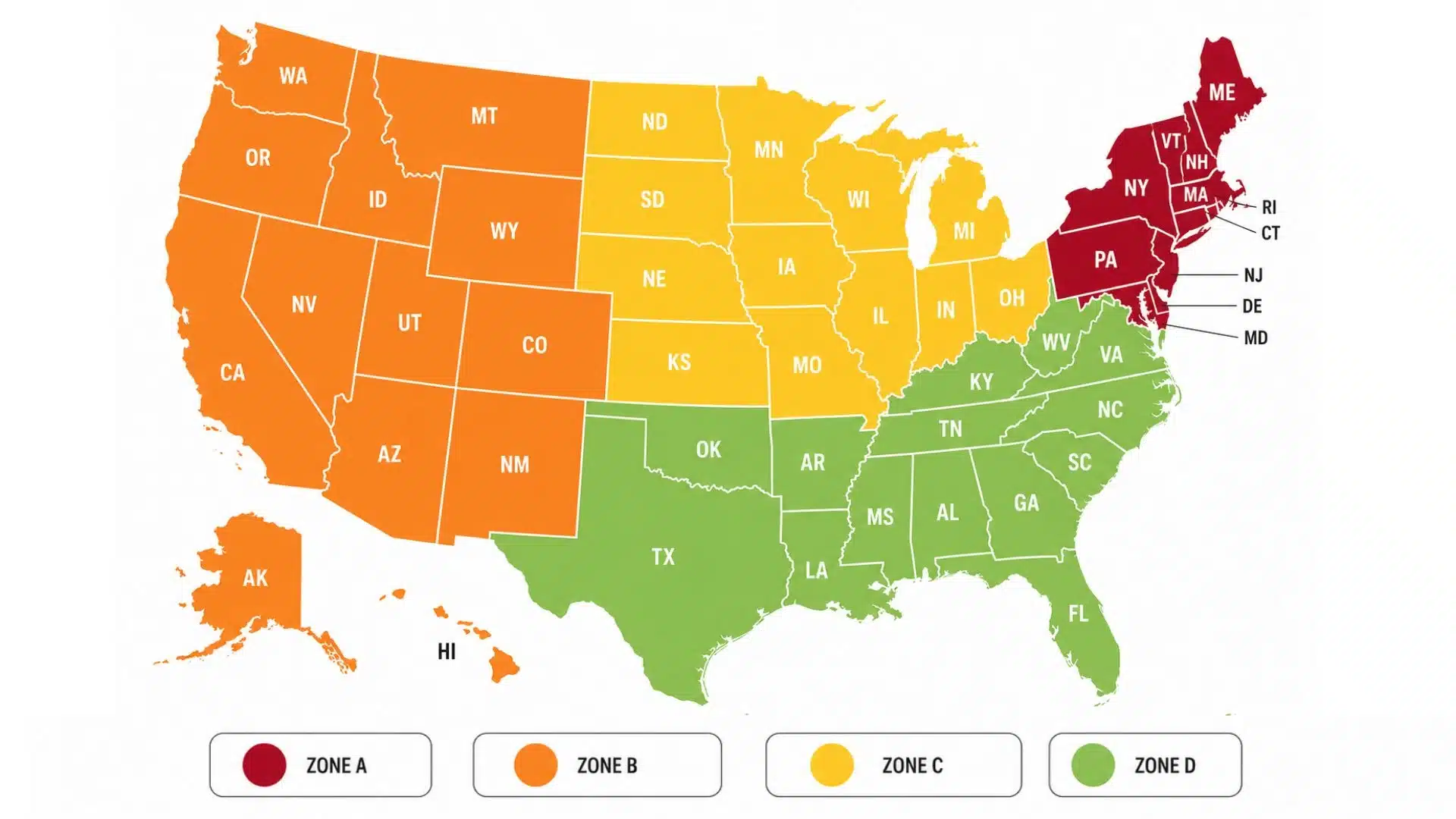
Kitchen renovation costs can vary significantly across the United States. Local labor rates, permit requirements, material availability, and market demand all influence how much a remodeling project may cost in a particular area.
Zone A
Zone A includes parts of the Northeast, such as New York and Massachusetts.
Kitchen remodeling costs are often higher due to :
- Elevated labor rates,
- Strict permit requirements
- Strong demand for skilled contractors.
Material prices can also be higher in major metro areas.
Those planning a remodel can reduce costs by requesting multiple bids, planning purchases in advance, and, whenever possible, keeping the existing kitchen layout to avoid additional labor and permit expenses.
Zone B
Zone B covers many Western states, including California and Washington.
Remodeling costs are often influenced by :
- Higher living expenses
- labor costs
- Material transportation fees
Demand for custom features and premium finishes can further increase budgets.
A practical way to manage costs is to choose readily available materials, compare supplier pricing, and focus spending on improvements that add functionality.
Zone C
Zone C includes much of the Midwest, with states such as Illinois and Ohio.
Remodeling costs are often influenced by :
- Steady labor rates
- Accessible material options
- Balanced contractor market
These can help keep budgets predictable.
Those planning a kitchen remodel can benefit from setting clear priorities, comparing contractor estimates, and selecting upgrades that provide long-term value rather than focusing solely on appearance.
Zone D
Zone D includes many Southern states, such as Texas and Florida.
Remodeling costs are often influenced by:
- Lower labor expenses
- Competitive contractor markets
- Lower operating costs
- Strong material availability
However, costs can rise in rapidly growing cities where demand for remodeling services remains high.
A practical way to manage costs is to compare multiple contractor bids, schedule projects during less-busy periods, and focus on durable upgrades that provide long-term value without unnecessarily increasing the overall budget.
Urban vs. Suburban Cost Differences
Even within the same state, remodeling costs can vary based on location. Urban areas often carry higher expenses than suburban communities due to labor demand, permit fees, and operating costs.
| Factor | Urban Areas | Suburban Areas |
|---|---|---|
| Labor Costs | Higher | Moderate |
| Contractor Availability | Higher demand | More availability |
| Permit Fees | Typically higher | Often lower |
| Material Delivery Costs | Higher | Lower |
| Project Timelines | May take longer | Often more flexible |
| Overall Remodeling Costs | Higher | Moderate |
Location can influence remodeling costs just as much as project size or material choices. Comparing local estimates is one of the best ways to build an accurate kitchen remodeling budget.
Hidden Expenses that Can Increase a Kitchen Remodel Budget
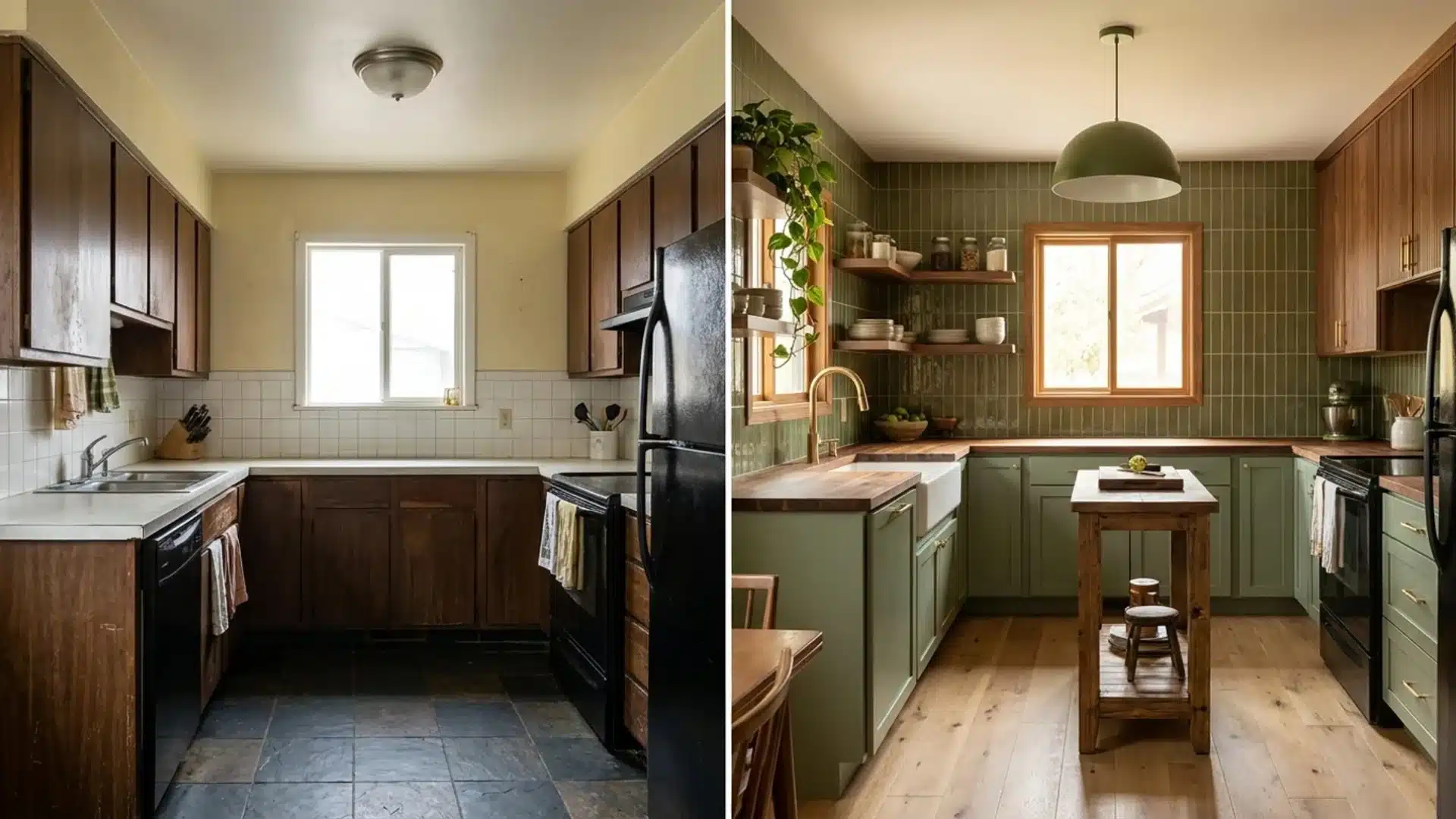
Unexpected costs can appear during almost any kitchen remodel. Planning for potential budget surprises can help avoid financial setbacks.
1. Water Damage Repairs
Water damage is one of the most common hidden expenses during a kitchen remodel. It is often discovered after cabinets, flooring, or drywall have been removed, resulting in unexpected repair costs.
- Common triggers: Leaking sink connections, damaged water lines, leaks from old appliances, and moisture beneath the flooring.
- Why it is often overlooked: Water damage often remains hidden behind walls, cabinets, or flooring until demolition begins.
Repairing damage early helps prevent structural issues and provides a solid base for the remodel.
2. Electrical System Updates
Many older kitchens were not built to support modern appliances and current electrical demands. As a result, upgrades may be required during renovation.
- Common triggers: Outdated wiring, insufficient circuits, old outlets and switches, and new appliance requirements.
- Why it is often overlooked: Existing systems may appear functional, while hidden deficiencies are only identified during inspections.
Electrical upgrades improve safety, support modern appliances, and help meet current building standards.
3. Plumbing Issues
Plumbing problems can increase remodeling costs when aging pipes or hidden leaks are uncovered during construction. Repairs are often necessary before installation work can proceed.
- Common triggers: Corroded pipes, hidden leaks, outdated plumbing materials, and worn shut-off valves.
- Why it is often overlooked: Most plumbing components are concealed behind walls or beneath cabinets during everyday use.
Resolving plumbing concerns early helps protect new fixtures, cabinets, and flooring from future damage.
4. Permit Requirements
Permit-related expenses can affect remodeling budgets, particularly when electrical, plumbing, or structural work is involved. Requirements vary based on local regulations.
- Common triggers: Electrical upgrades, plumbing modifications, structural changes, and local building regulations.
- Why it is often overlooked: Permit fees are not always included in early estimates and vary by municipality.
Understanding permit requirements in advance can help avoid delays, unexpected fees, and compliance issues.
5. Temporary Living and Meal Costs
A kitchen remodel can disrupt normal cooking routines for weeks. Many households spend more on meals and temporary arrangements during construction.
- Common triggers: Extended project timelines, full kitchen demolition, appliance disconnection, and material delays.
- Why it is often overlooked: These expenses accumulate gradually and are rarely included in remodeling budgets.
Planning for temporary meal and living arrangements can help reduce stress and prevent these costs from disrupting the overall budget.
Kitchen Remodel Cost Versus Return on Investment
A kitchen remodel can improve both daily functionality and future resale appeal. However, not every upgrade contributes equally to a home’s value, making it important to balance spending with buyer expectations.
| Consideration | What It Means | Impact on Return |
|---|---|---|
| Value Added to a Home | Updated kitchens can make a property more attractive to buyers | Can improve marketability and perceived value |
| Functional Layout | Efficient work areas and good flow between spaces | Often appeals to a wider range of buyers |
| Updated Cabinetry | Modern cabinets with practical storage | Strong buyer interest |
| Durable Countertops | Long-lasting, easy-to-maintain surfaces | Positive impact on resale appeal |
| Energy-Efficient Appliances | Lower operating costs and modern features | Attractive to many buyers |
| Overspending on Luxury Features | High-cost upgrades that exceed local market expectations | May reduce overall return |
The best return often comes from upgrades that improve functionality, durability, and buyer appeal. Focusing on practical improvements can help balance remodeling costs with long-term resale potential.
Ways to Reduce Kitchen Remodeling Expenses

Cutting kitchen remodel costs does not mean cutting quality. With the right decisions made early, it is possible to achieve a well-finished kitchen within a realistic budget.
Keep the existing layout. Avoid moving plumbing, gas, or electrical lines to reduce labor and permit costs.
Reface instead of replace. Update cabinet doors and drawer fronts if existing cabinet boxes remain in good condition.
Choose mid-grade materials. Mid-range finishes often provide good durability without the higher cost of premium options.
Compare multiple quotes. Request estimates from several contractors to identify fair pricing and service differences.
Purchase appliances separately. Buying appliances directly can help avoid supplier markups and lower overall project costs.
Reducing kitchen remodel expenses comes down to making deliberate choices at each stage of the project. The decisions made before work begins tend to have the greatest effect on the final cost.
Creating a Realistic Kitchen Remodel Budget
A well-planned budget can help prevent overspending and reduce stress during a kitchen remodel. Taking a structured approach makes it easier to manage costs and prepare for unexpected expenses.
- Step 1: Define remodeling goals and decide which upgrades are essential for your kitchen.
- Step 2: Research local costs for kitchen renovation to set realistic budget expectations.
- Step 3: Request multiple contractor estimates and compare pricing, services, and timelines.
- Step 4: Include materials, labor, permits, and other project-related expenses in the budget.
- Step 5: Set aside contingency funds for unexpected repairs and hidden remodeling costs.
Creating a realistic budget starts with careful planning and informed decisions. A clear financial plan can help keep the project on track while supporting both short-term needs and long-term value.
Final Thoughts
A kitchen does not remodel itself, and neither does a budget.
How much a kitchen remodel costs depends on every decision made before work begins, from materials and labor to layout choices and hidden fees.
This breakdown has covered each of those factors with real numbers across every budget level. Now the next step is yours.
Take the figures, compare contractor quotes, and build a budget that reflects the actual scope of your kitchen.
Start planning with the numbers that matter.
Frequently Asked Questions (FAQs)
Is It Cheaper to Remodel a Kitchen During the Off-Season?
In some areas, contractors may offer better scheduling flexibility and competitive pricing during slower remodeling periods.
Can I Remodel My Kitchen in Phases to Spread out Costs?
Yes. Completing upgrades in stages can make expenses easier to manage while reducing immediate financial pressure.
Do Custom Cabinets Significantly Increase Project Costs?
Yes. Custom cabinets generally cost more because they require specialized design, materials, and manufacturing processes.
Will Changing the Kitchen Layout Always Require Permits?
Not always. Permit requirements depend on local regulations and whether plumbing, electrical, or structural changes are involved.