
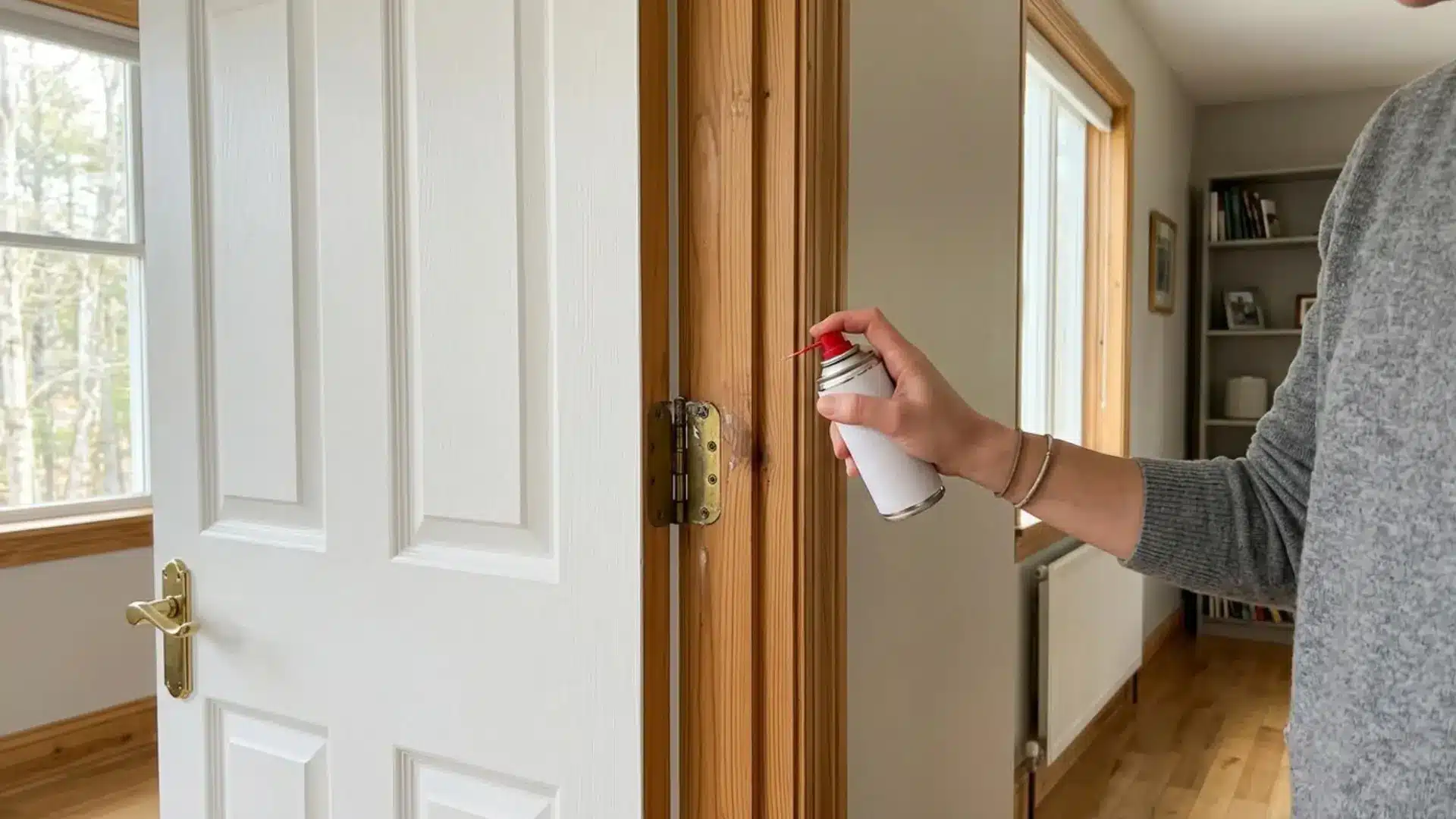
Door hinges need attention just like any other part of the house. A squeaky hinge usually means it needs care. Finding the best lubricant for door hinges makes the job easy.
Not every product on the shelf works the same way. Some wear off fast, while others last for months. Picking the right one saves time and keeps the noise away.
It also protects the metal from rust and wear. A little care now means fewer squeaks later. Doors get used every day, so hinges deserve regular attention too.
Grab the right lubricant, and let the squeaks disappear for good.
Why Hinge Lubrication Matters More Than You Think
A good hinge lubricant does more than stop a squeak for a day. It should cut down friction without wearing off too fast. It shouldn’t leave a greasy mess or attract dust and dirt.
Some lubricants also need to resist moisture, especially on doors in humid environments. It’s worth knowing the material of your hinge too, since not all lubricants suit every metal.
Quick sprays offer fast relief but often need to be reapplied soon. Thicker options like grease last much longer between applications. A hinge in bad shape can also lead to bigger issues, like fixing adoor that won’t close properly.
Location matters as well, since exterior doors face more weather than interior ones. Picking the right lubricant depends on where and how often the door gets used.
Things to Keep in Mind Before Lubricating Door Hinges
Most lubricant “failures” have nothing to do with the product itself. The real issue usually happens before you even apply the lubricant.
- Wipe the Hinge Clean First: Dust and old residue trap dirt under new lubricant instead of fixing the problem.
- Remove the Hinge Pin If Possible: Pulling the pin allows deeper, more even application than spraying from outside.
- Soak Rusty Hinges First: A rust penetrant dissolves existing rust that lubricant alone can’t remove.
- Test The Door Before Applying More: Swing the door a few times first to see if light cleaning alone solves minor squeaks.
Skipping these steps is often the real reason a squeak returns within days. A little prep beforehand goes a long way toward making any lubricant actually work as intended.
Best Commercial Lubricants for Door Hinges
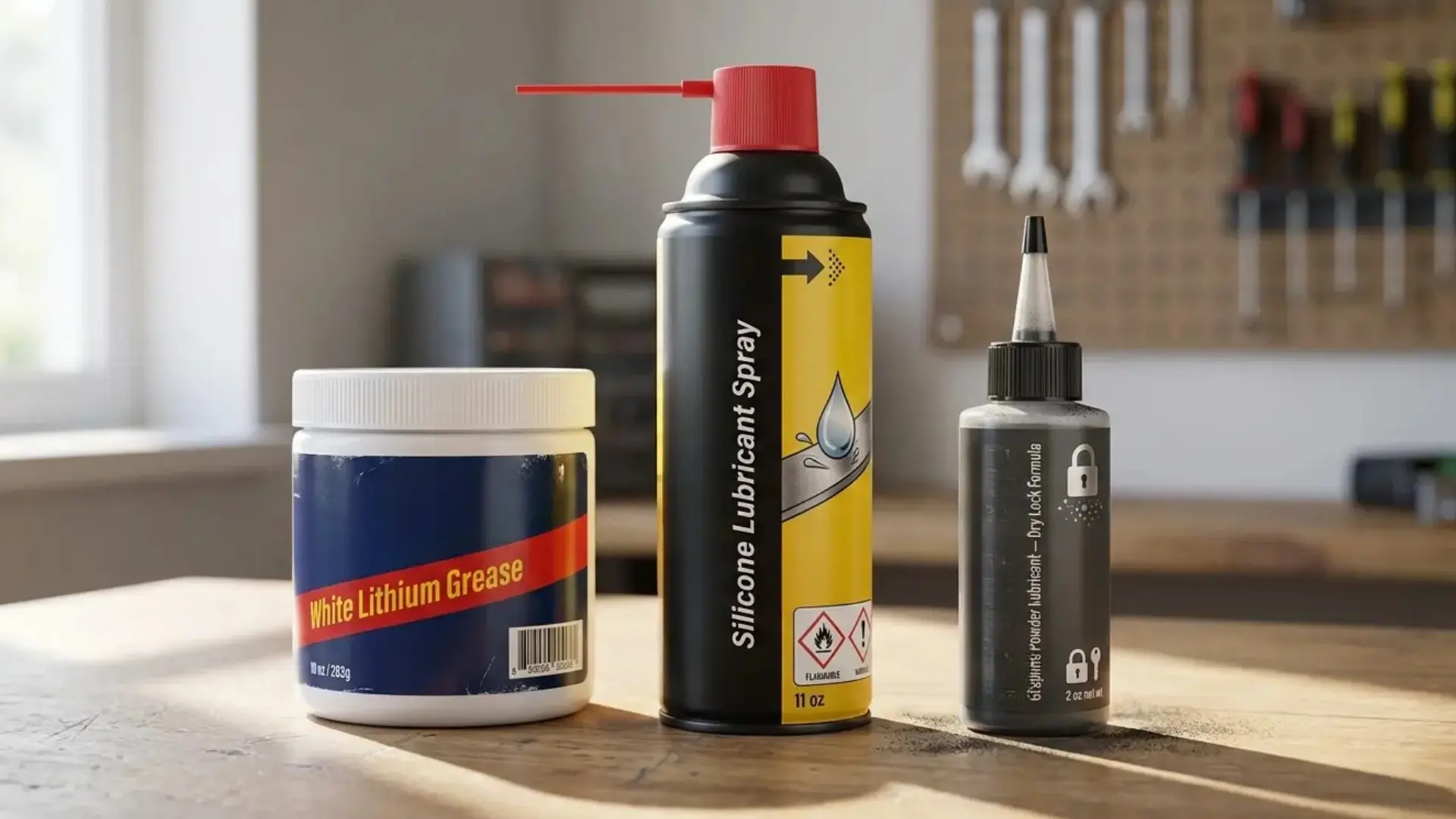
Not every lubricant works the same way, and picking the wrong one often means reapplying every few weeks. Here’s a closer look at the three most recommended commercial options:
1. White Lithium Grease
White lithium grease is a thick, durable lubricant that clings well to metal surfaces and resists wear far longer than lighter alternatives.
It creates a lasting protective layer between moving parts, which is why it’s often recommended for hinges that see frequent use or carry heavier doors.
The trade-off is that it’s messier to apply and can attract dust over time if you don’t wipe away the excess.
Durability: Long-lasting, often 6–12 months per application
Recommended Product: Blaster High-Performance White Lithium Grease Spray
How to Apply:
- Wipe the hinge clean before applying
- Apply a thin layer directly to the hinge pin and knuckle
- Work the door back and forth to spread it evenly
- Wipe off any excess grease from the frame
2. Silicone Spray
Silicone spray is a clean, fast-drying lubricant that resists moisture without leaving behind a greasy residue on the door or frame.
It works well in humid spaces like bathrooms or kitchens, since it forms a water-repellent layer that helps prevent rust.
Many people prefer it for interior doors because it requires less cleanup than thicker greases.
Durability: Moderate, typically 3–6 months
Recommended Product: Blaster Industrial Strength Silicone Lubricant Spray
How to Apply:
- Spray directly onto the hinge pin
- Move the door back and forth to work it in
- Wipe off any excess before it drips
3. Graphite Powder
Graphite powder is a dry lubricant that reduces friction through its layered molecular structure, without any oil or grease involved.
Since it stays completely dry, it won’t attract dust or dirt the way wet lubricants sometimes do over time.
The one drawback is that its fine black powder can stain light-colored carpet or flooring if it’s not applied carefully near the hinge.
Durability: 4–8 months; holds up well since it doesn’t attract dust
Recommended Product: Minute Key Powdered Graphite
How to Apply:
- Puff a small amount directly into the hinge joint
- Move the door back and forth to distribute it evenly
- Wipe away any excess powder from the surrounding area
4. Dry Teflon (PTFE) Lubricant Spray
Dry Teflon spray uses fine PTFE particles to reduce friction without leaving an oily or sticky surface behind.
It bonds to metal and stays in place even after repeated door movement, making it a solid pick for high-traffic doors.
Since it dries completely, it will not attract dust, dirt, or lint the way wet lubricants sometimes do.
Durability: Long-lasting, often 6–9 months
Recommended Products: DuPont Teflon Silicone Lubricant
How to Apply:
- Shake the can well before spraying
- Apply a light, even coat directly onto the hinge pin
- Let it dry fully before closing the door
- Wipe away any excess spray from nearby surfaces
Which Lubricant Fits Your Hinge Type
Different hinge materials and locations respond differently to the same lubricant. This quick reference table will help you match the right one to your specific hinges.
| Hinge Material, Location | Recommended Lubricant | Why It Works |
|---|---|---|
| Brass Hinges | Silicone spray | Won’t discolor or tarnish the brass finish over time |
| Stainless Steel Hinges | White lithium grease or silicone spray | Both work well without reacting to the metal |
| Aluminum Hinges | Silicone spray | Lightweight formula won’t cause corrosion or residue buildup |
| Exterior Doors | White lithium grease | Thicker formula holds up better against weather and heavy use |
| Interior Doors | Silicone spray or graphite powder | Clean application with no greasy residue |
| Dry, Low-Traffic Rooms | Graphite powder | Long-lasting in dry conditions where moisture isn’t a concern |
Matching the lubricant to both the hinge material and the room’s conditions helps prevent issues such as discoloration or a fix that wears off too quickly.
When in doubt, silicone spray remains the safest all-around option across most materials and locations.
Additional Household Alternatives You Can Use
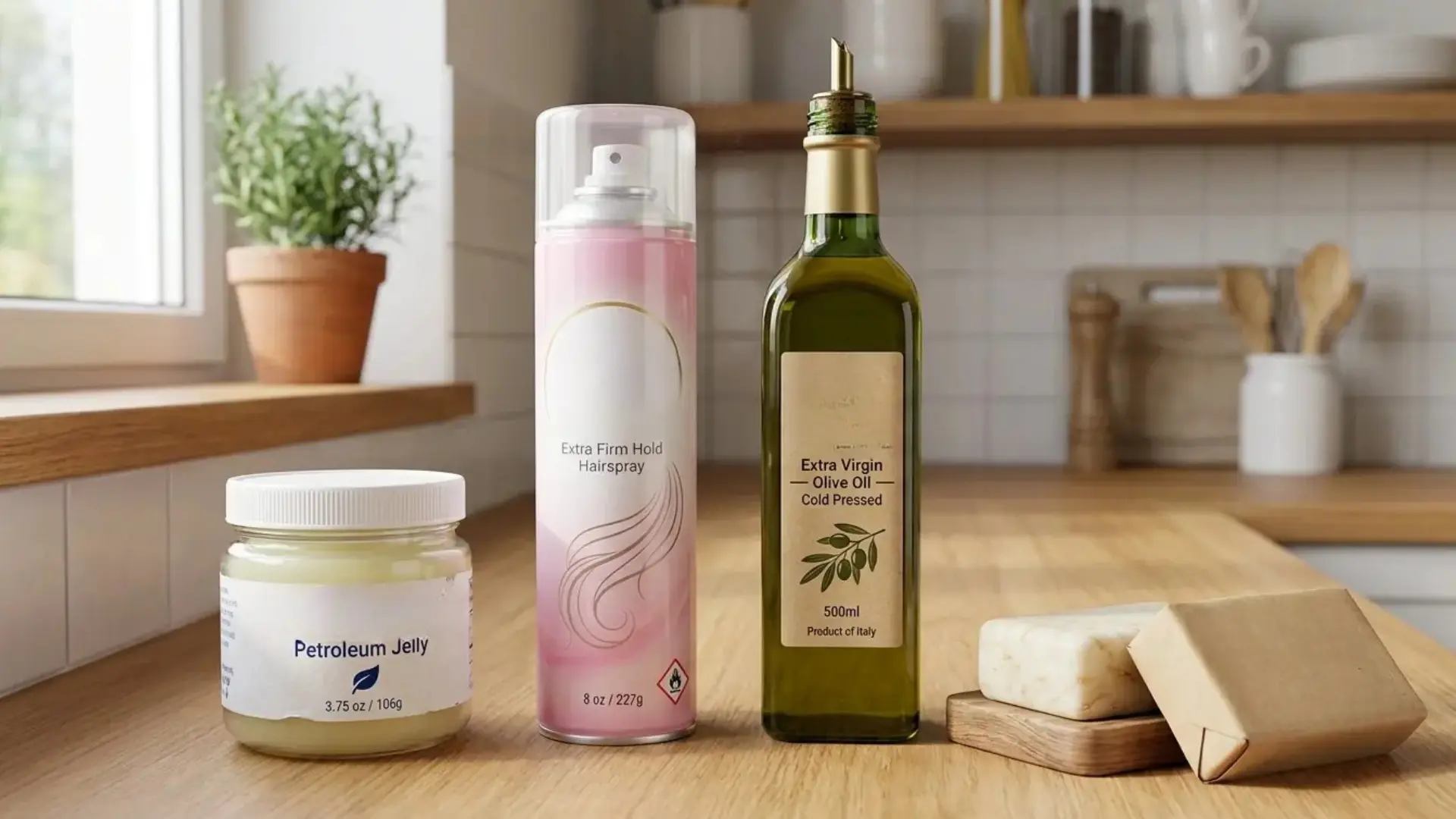
Sometimes a squeaky hinge acts up right when no commercial lubricant is on hand. Everyday kitchen and bathroom items can offer quick relief in a pinch. Here are a few common household options worth trying:
1. Olive Oil
A few drops of olive oil on the hinge pin can quiet a squeak almost instantly, making it a handy emergency fix straight from the kitchen.
It’s one of the most accessible options, since almost every home already has a bottle within reach, so no extra trip to the store is required for a quick, temporary fix.
How to Apply:
- Drip a few drops directly onto the hinge pin
- Swing the door back and forth to work it in
- Wipe off any excess oil from the surrounding frame
2. Petroleum Jelly
Petroleum jelly coats the hinge pin smoothly and reduces friction almost immediately, providing decent short-term relief from squeaking.
It’s thicker than oil, so it tends to stay in place a little longer at first, making it a slightly more durable emergency option than thinner household liquids.
How to Apply:
- Scoop a small amount onto your finger
- Rub it directly into the hinge joint
- Move the door back and forth to spread it evenly
3. Bar Soap
Rubbing a bar of soap directly onto the hinge is a surprisingly effective quick fix, especially for minor, occasional squeaks around the house.
It is mess-free compared to oils or grease, since there’s no dripping or residue left on the floor, making it a clean option for a fast, temporary result.
How to Apply:
- Rub the bar directly onto the exposed hinge pin
- Open and close the door a few times
- Wipe away any soap flakes from the frame
4. Hairspray
A light coat of hairspray on the hinge can temporarily reduce squeaking by creating a thin, slippery film over the metal surface.
It is rarely anyone’s first choice, but it works in a pinch, since most bathrooms already have a can on hand, making it a last resort when nothing else is available.
How to Apply:
- Spray a light, quick coat directly onto the hinge pin
- Work the door back and forth to spread it
- Repeat once more if the squeak is still noticeable
- Wipe off any sticky residue from nearby surfaces
5. Cooking Spray
A quick burst of cooking spray onto a squeaky hinge can cut friction almost as fast as olive oil, without the mess of pouring.
It coats the metal in a thin, even layer, making it easier to apply than liquid oils in tight or awkward hinge spots.
How to Apply:
- Spray a light coat directly onto the hinge pin
- Swing the door open and shut several times
- Wipe off any excess spray from the frame
6. Candle Wax
Rubbing a plain candle along a hinge or sliding door track can ease friction and cut down on squeaks fast.
It also works well on wood-on-wood contact points, since the wax fills tiny grooves that cause sticking or dragging.
How to Apply:
- Rub the candle directly along the hinge pin or track
- Work the door back and forth to spread the wax evenly
- Repeat on any spots that still stick or squeak
- Test the door’s swing to confirm the noise is gone
Note: All these household alternatives are short-term fixes only. They quiet a squeak temporarily but wear off fast and need frequent reapplication over time.
Lubricants and Products to Avoid
Not every lubricant belongs on a door hinge, even if it seems like a reasonable option at first.
A few common choices can quietly create bigger problems than the squeak they were meant to fix.
- Cooking Oils: Vegetable or canola oil might seem like a convenient fix, but it oxidizes over time, turning thick and sticky. Instead of reducing friction, it can gum up the hinge and attract dust.
- WD-40 as a Long-Term Fix: WD-40 works well as a quick penetrant to loosen rust or free a stuck hinge, but it’s not built for lasting lubrication.
- Thick Greases on Decorative Hinges: Heavy greases work fine on plain utility hinges, but on delicate or ornate decorative hinges, they can pool in detailed grooves, stain the finish, or clog intricate designs over time.
- Dry Silicone Spray on Rusty Hinges: Silicone spray works well on clean hinges, but it does not penetrate existing rust, so corrosion keeps spreading underneath the surface.
Skipping these options up upfront saves the trouble of undoing a bigger mess later, especially on hinges that are harder to clean or replace.
Why Lubricant Sometimes Isn’t Enough?
Sometimes a squeak sticks around even after proper lubrication. That usually means the real problem isn’t friction at all.
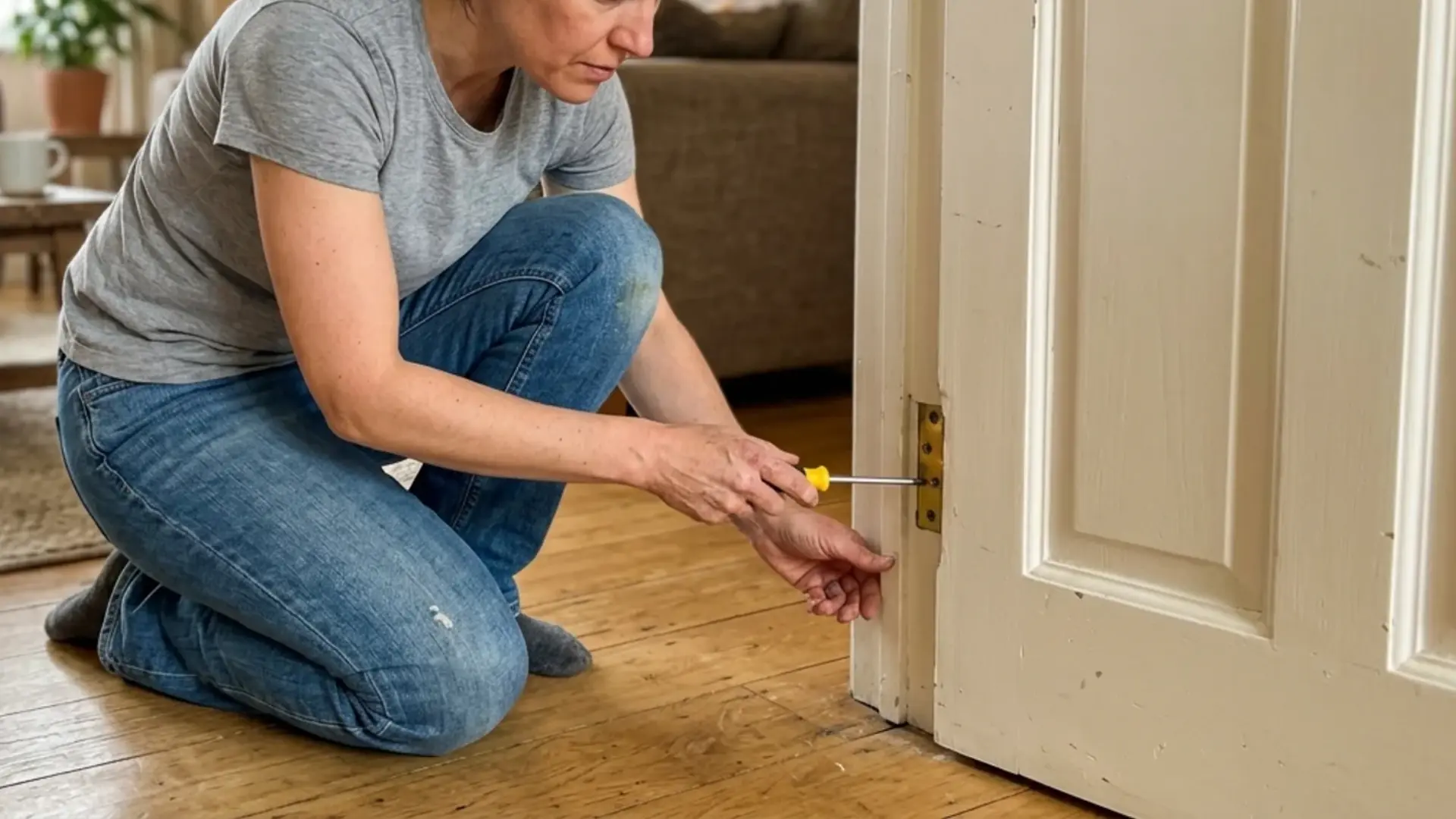
A hinge can squeak for mechanical reasons that oil or grease won’t fix. Loose screws let the hinge shift slightly with every swing, causing noise. A bent hinge pin can also stop the door from moving smoothly.
Older homes often settle over time, causing the frame to shift slightly. This shift can create rubbing that sounds just like a dry hinge.
If lubrication doesn’t help within a day or two, try these steps for a stubborn squeaky door to find the real cause.
How Often to Lubricate Door Hinges
How often to lubricate a hinge depends on the door type. Exterior doors, humid climates, and daily use all matter. Here’s a simple breakdown to help you plan ahead:
| Door Type | Recommended Lubrication Frequency | Reason |
|---|---|---|
| Average interior door | Every six months | Balances upkeep with typical daily use |
| Exterior door | Every three to four months | Constant exposure wears hinges down faster |
| Homes in humid climates | More frequent than standard interval | Moisture speeds up corrosion |
| Rarely used interior door | Once a year or less | Rarely opened, so friction stays low |
Sticking to this schedule keeps hinges quiet and working well. A little consistency goes a long way in preventing squeaks.
When to Replace Hinges Instead of Lubricating?
Lubrication solves most hinge problems, but not all. At a certain point, the hinge itself is beyond saving, and replacement becomes the more practical fix.
- Rusted-Through or Corroded Hinges: Once rust eats through the metal, no lubricant can restore its strength or smooth movement.
- Cracked Hinge Plates: A crack compromises structural integrity and will worsen under the door’s weight, with or without lubricant.
- A Sagging Door: If the door drags even after lubrication, the hinge is too worn to hold alignment, and grease won’t fix that.
- Stripped Screw Holes: When the screw holes have worn too large to hold the hinge tight, no amount of lubricant will stop the wobble.
If any of these signs show up, replacing the hinge is a quicker, more reliable fix than continuing to lubricate a problem that’s already mechanical rather than friction-related.
Frequently Asked Questions (FAQs)
Is WD-40 Safe for Long-Term Hinge Lubrication?
It’s safe to use, but not ideal in the long term. WD-40 evaporates fairly quickly, leaving a dry surface that attracts dust, so it works better as a short-term penetrant.
How Long Does Silicone Spray Last on Door Hinges?
Silicone spray typically lasts three to six months per application, depending on how often the door is used and how humid the surrounding room stays.
Can Overlubricating a Door Hinge Cause Problems?
Yes, excess lubricant attracts dust and grime and can drip onto the floor or frame. Wiping away extra product right after application helps prevent this.
Summing It Up!
Keeping doors quiet is simple once the right lubricant is in hand. Silicone spray, white lithium grease, and graphite powder each suit different hinges.
Match the lubricant to the hinge and its location. Clean the hinge first, since dirt blocks even the best product. Watch for rust, cracks, or a sagging door before adding more spray.
Those signs mean replacement, not another coat of lubricant. Regular care stops squeaks before they spread through the house.
A smooth hinge keeps the whole home quieter day to day. Try one lubricant this week and notice the difference. Drop a comment below and share what worked best for your doors.