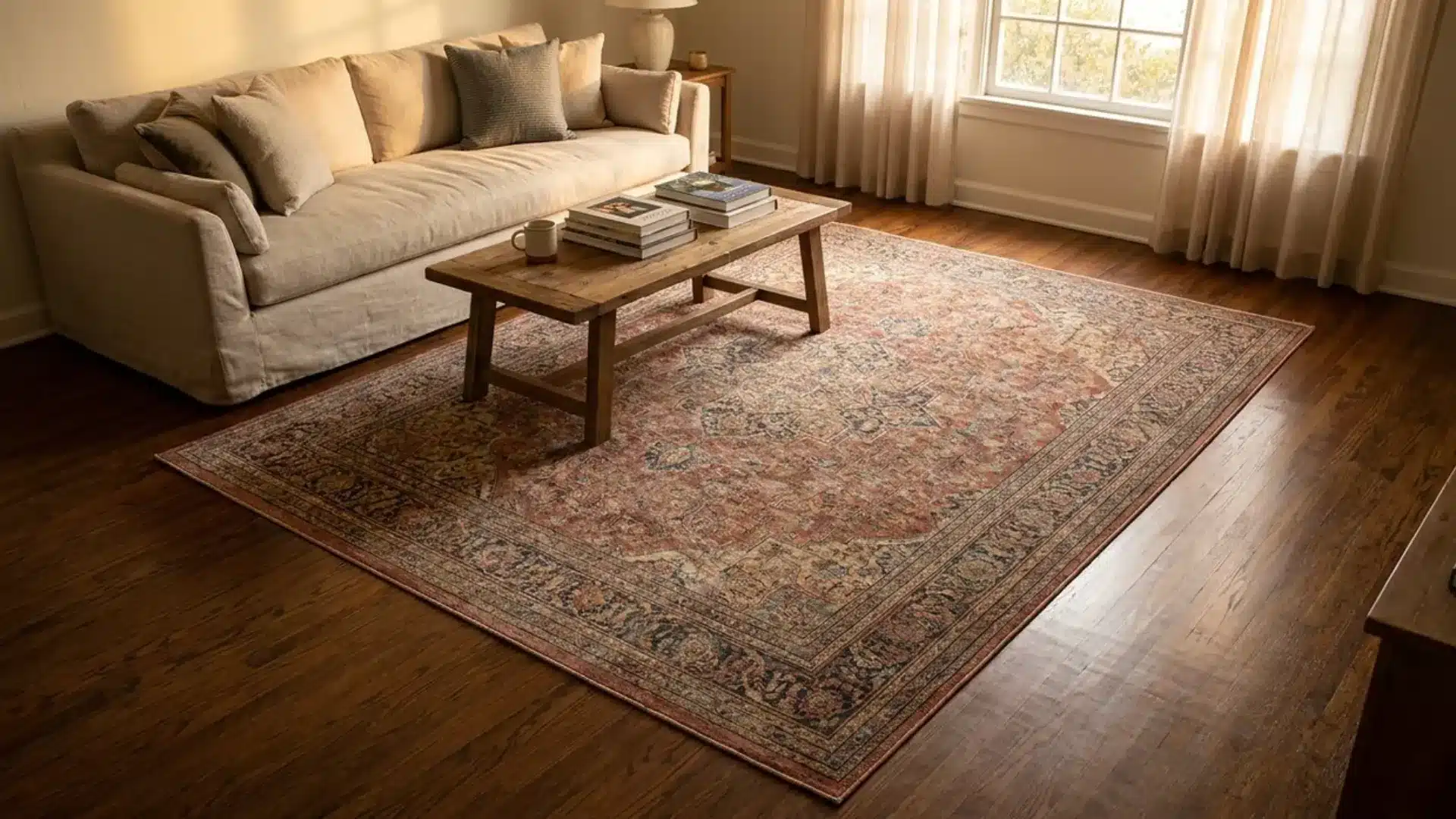

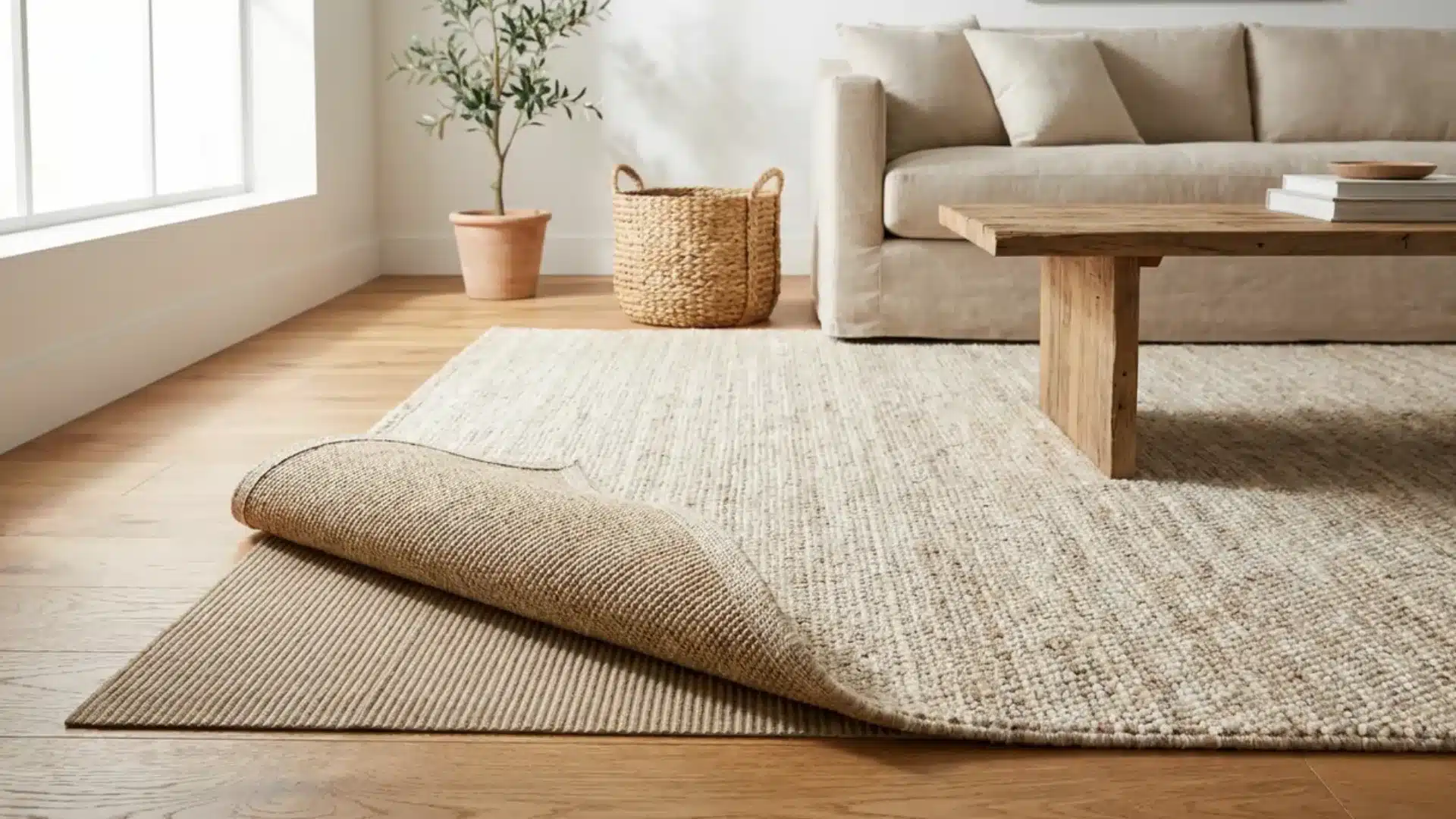
Area rug ties the room together, but one small problem can quickly spoil the feeling.
It shifts underfoot, the corners begin to curl, or faint marks appear on the floor beneath it. Suddenly, a simple decorating choice brings daily frustration.
This is often the moment when people ask, do you need a rug pad? The answer matters more than it might seem.
A hidden layer beneath the rug can affect comfort, safety, floor condition, and even how long the rug keeps its shape. Yet choosing one is not always straightforward.
Before buying another home accessory, it helps to understand if your rug truly needs support and what kind will work without damaging the surface below.
Do You Need a Rug Pad Under an Area Rug?
Yes, most area rugs need a rug pad, especially on hardwood, tile, laminate, or vinyl floors.
Start with your floor. Hard surfaces like wood, tile, and laminate offer little grip, so a rug shifts around easily.
Soft flooring like carpet already holds a rug in place on its own.
Next, look at where the rug lives. A rug near an entryway or under a dining table is subject to constant movement. A decorative rug in a quiet corner barely gets touched.
Your floor and your foot traffic together shape the whole decision. Keep both in mind as you read through what a rug pad really brings to a room.
Choose a pad that is compatible with the floor material and slightly smaller than the rug.
What Does a Rug Pad Do?
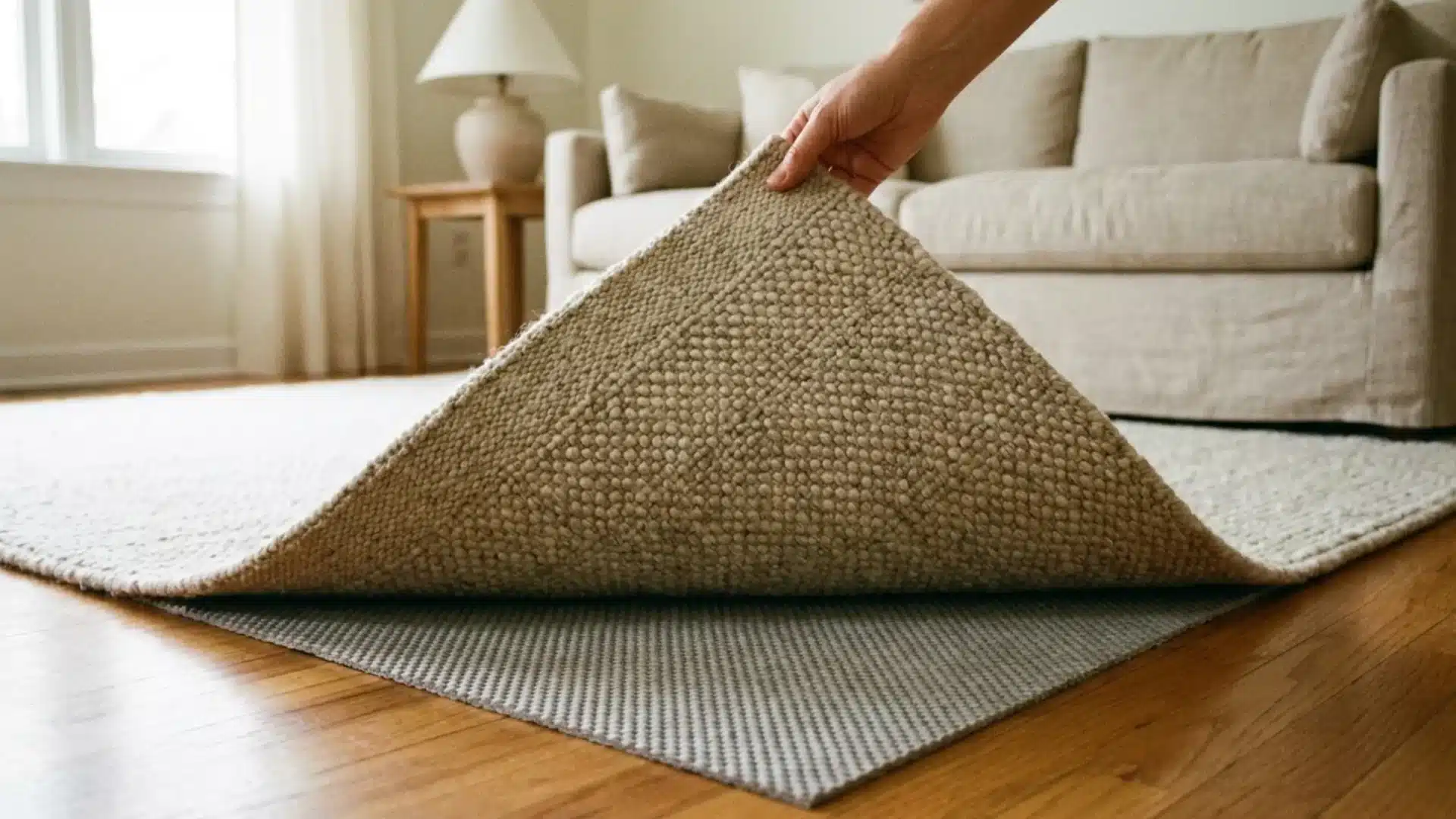
A rug pad offers several practical benefits beyond adding extra cushioning.
Below, I have explained how it keeps an area rug from sliding, protects the flooring, reduces wear on rug fibers, improves comfort, and helps control noise within the room
1. Stops the Rug From Sliding
A rug without grip can slide the moment you step on it. That is more than annoying; it is a real fall risk, especially for kids or older family members.
A rug pad grips both the floor and the rug backing, holding everything steady no matter how much foot traffic passes through.
Once it is anchored, you stop thinking about it altogether, which is exactly the point.
2. Keeps Corners From Curling
Rugs left bare tend to curl up at the edges over time, especially if they came rolled up in shipping.
Curled corners are not just an eyesore; they catch on shoes and vacuum cords.
A rug pad presses the whole rug flat against the floor and keeps it that way. Your rug ends up looking freshly laid even months after you first laid it out.
2. Protects Hardwood From Scratches
Rug backings often hide tiny grit and sand that scratch a floor every time the rug shifts.
On hardwood, that damage builds up slowly until you notice dull patches or fine scratches near doorways.
A rug pad keeps the rug from grinding against the floor and traps that grit before it causes harm.
If you care about keeping your floor’s finish intact, this one reason alone justifies the cost.
3. Adds Cushion Underfoot
Standing on a thin rug over tile or concrete can feel almost like standing on a bare floor.
A good rug pad layered with rug changes that completely, softening every step and easing pressure on your feet and knees.
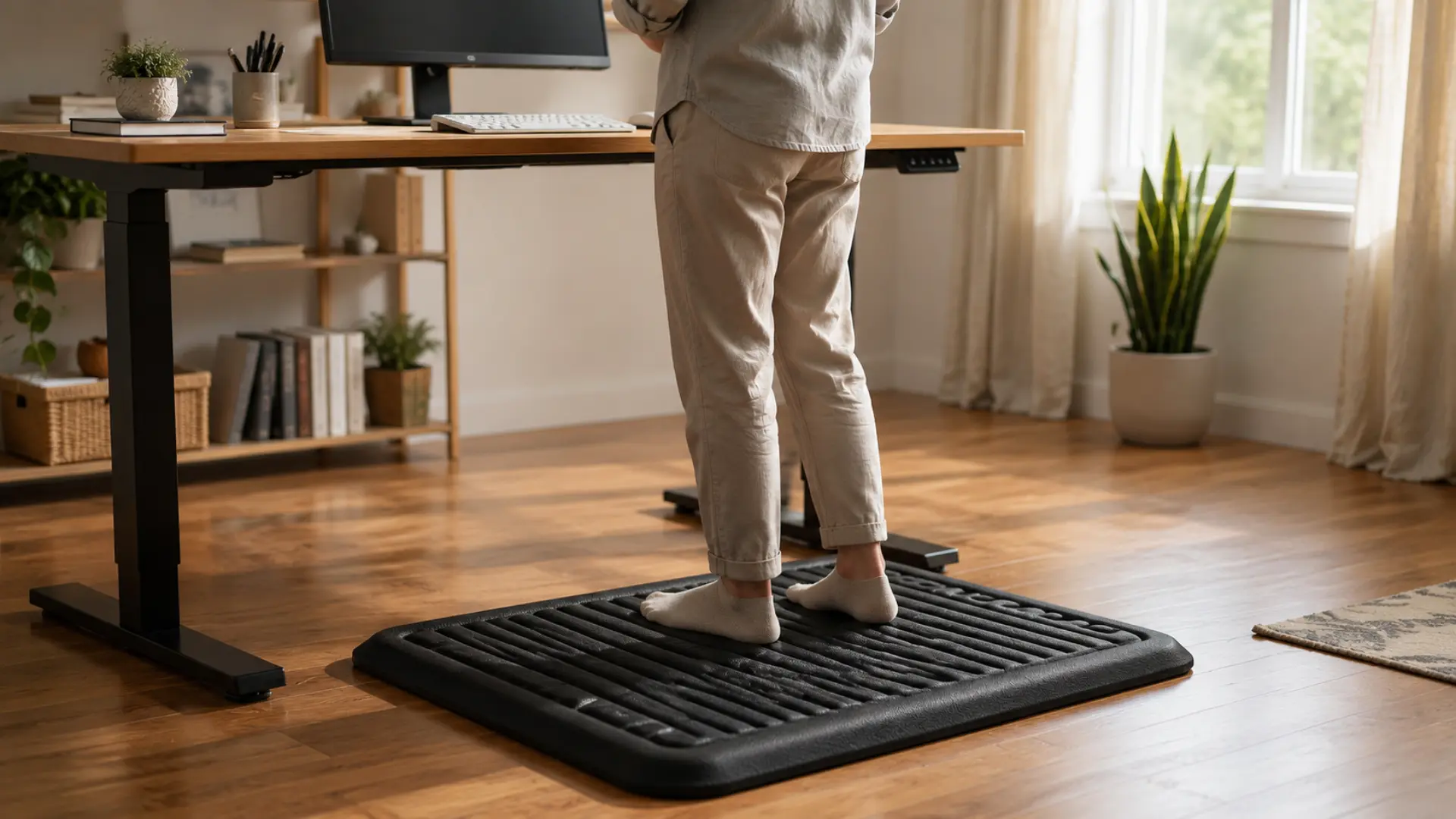
This makes the biggest difference in kitchens, home offices, or anywhere you spend long stretches standing.
Your rug also looks and feels pricier than it actually was, just from that added layer of comfort.
4. Extends the Rug’s Life
Every rug wears out eventually, but friction speeds that process up dramatically.
A rug that slides even a little each day slowly frays at the edges and thins out at the base.
A rug pad removes that friction almost entirely, letting the rug age gracefully rather than break down early.
For rugs passed down through family or bought as a real investment, this protection matters even more.
5. Improves Airflow Underneath
A rug pressed tightly against the floor traps moisture, especially in humid climates or rooms near a kitchen.
That trapped moisture creates the perfect conditions for mold, mildew, and a musty smell that lingers no matter how often you clean.
Most rug pads have small ridges or a breathable texture that lets air move freely underneath, keeping your rug and floor healthier over time.
6. Cuts Down on Noise
If you live above another unit or share a home with multiple floors, footsteps can travel further than you expect.
A bare rug over hardwood barely muffles that sound at all.
A thicker rug pad absorbs impact noise before it reaches the floor below, making a real difference for shared walls or multi-story homes.
7. Keeps the Rug Flat
An unanchored rug bunches up wherever foot traffic pushes it, creating uneven ridges that trip people and wear unevenly over time.
This happens fastest near doorways, hallways, and spots where furniture gets moved often.
A rug pad keeps the entire surface flat against the floor, spreading wear evenly across the rug rather than concentrating it in one worn-out patch.
Signs You Need a Rug Pad vs When You Can Skip It
A rug pad is needed when a rug slides, bunches, curls, or scratches the floor.
It may be unnecessary when the rug has a safe nonslip backing and stays firmly positioned. These signs can help guide the decision with confidence.
Get a rug pad if:
- Your rug slides every time you walk across it
- The corners keep curling up no matter what you try
- You have spotted scratches on the floor underneath
You can likely skip it if:
- The rug already sits on the carpet with a strong natural grip
- It is a small decorative piece in a low-traffic corner
- The space barely sees any foot traffic at all
Rug Pad Type by Floor
Each flooring material needs a suitable rug pad for proper grip and protection. Once you match the pad to your floor and your space, the decision gets simple.
| Floor Type | Recommended Pad | Why It Works |
|---|---|---|
| Hardwood and Laminate | Felt or rubber pad | Grips firmly without harming the finish |
| Tile and Vinyl | Non-slip rubber pad | Holds steady on smooth, slick surfaces |
| Wall to Wall Carpet | Thin grip pad | Stops bunching without adding bulk |
| Outdoor Spaces | Waterproof mesh pad | Resists moisture and mildew outside |
Conclusion
A rug pad may seem like a minor addition, but it can change how a rug looks, feels, and performs each day.
The right pad keeps edges flat, limits unwanted movement, and provides a barrier against scratches and daily wear.
Still, not every rug needs the same solution. Consider the floor finish, rug size, room traffic, and desired cushioning before buying.
Has a rug pad made a noticeable difference in your home? Share your results and buying tips in the comments below to help other readers decide.
Frequently Asked Questions
Do Rug Pads Work on Carpet?
Yes, thin grip pads designed for carpet help keep area rugs flat and reduce bunching, shifting, wrinkles, and uneven edges.
What Thickness Should You Pick?
A thin pad suits quiet spaces and doorways, while a thicker option adds comfort and daily support in busy rooms.
Can a Rug Pad Damage Floors?
Low-quality pads containing unsuitable rubber, PVC, or adhesives may discolor floors, so choose a certified floor-safe material carefully.
How Long Does a Rug Pad Last?
Most pads perform well for 5 to 10 years depending on material and traffic, though rubber can stiffen or flake sooner in very dry or humid rooms and is worth checking yearly.