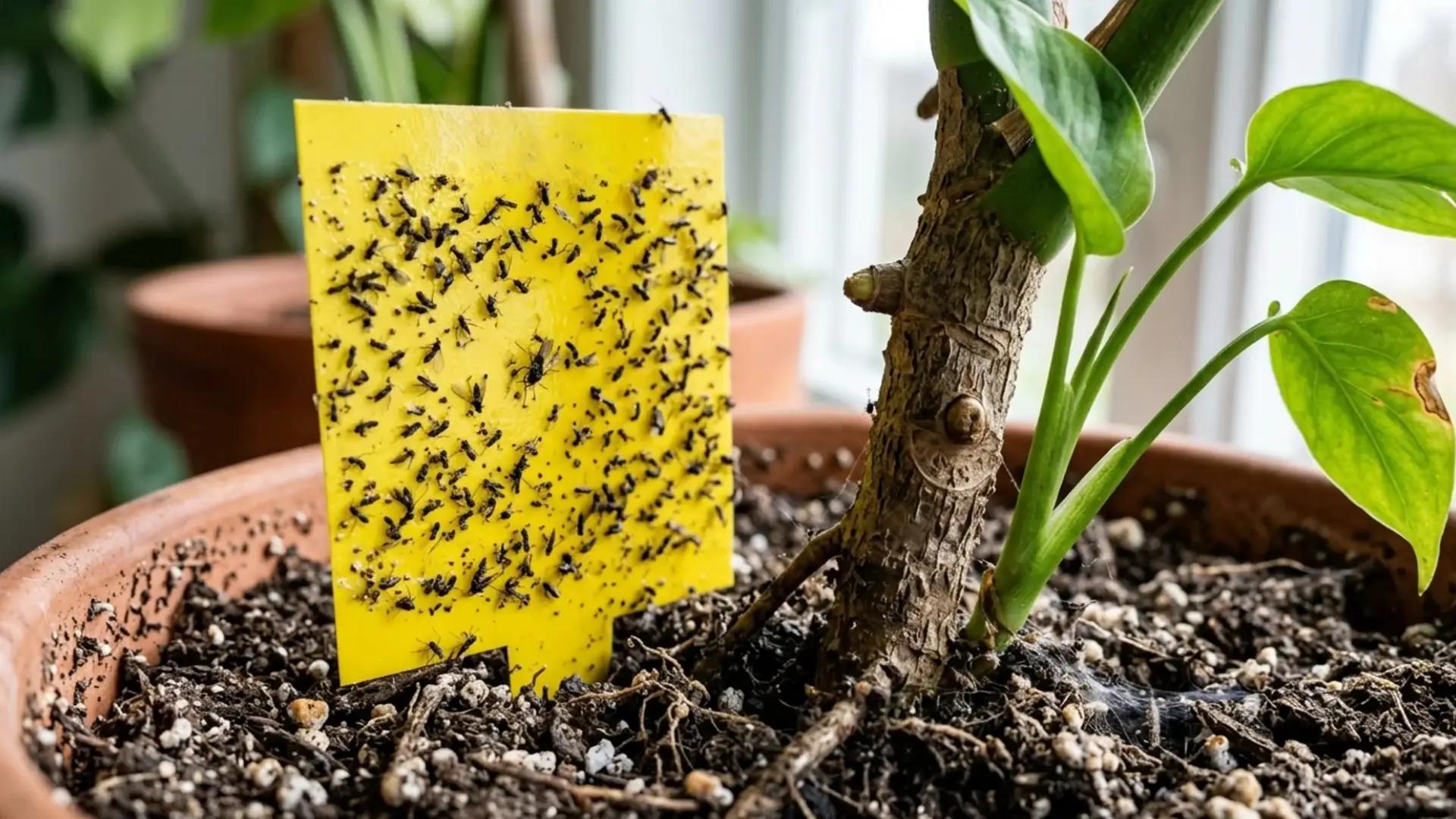

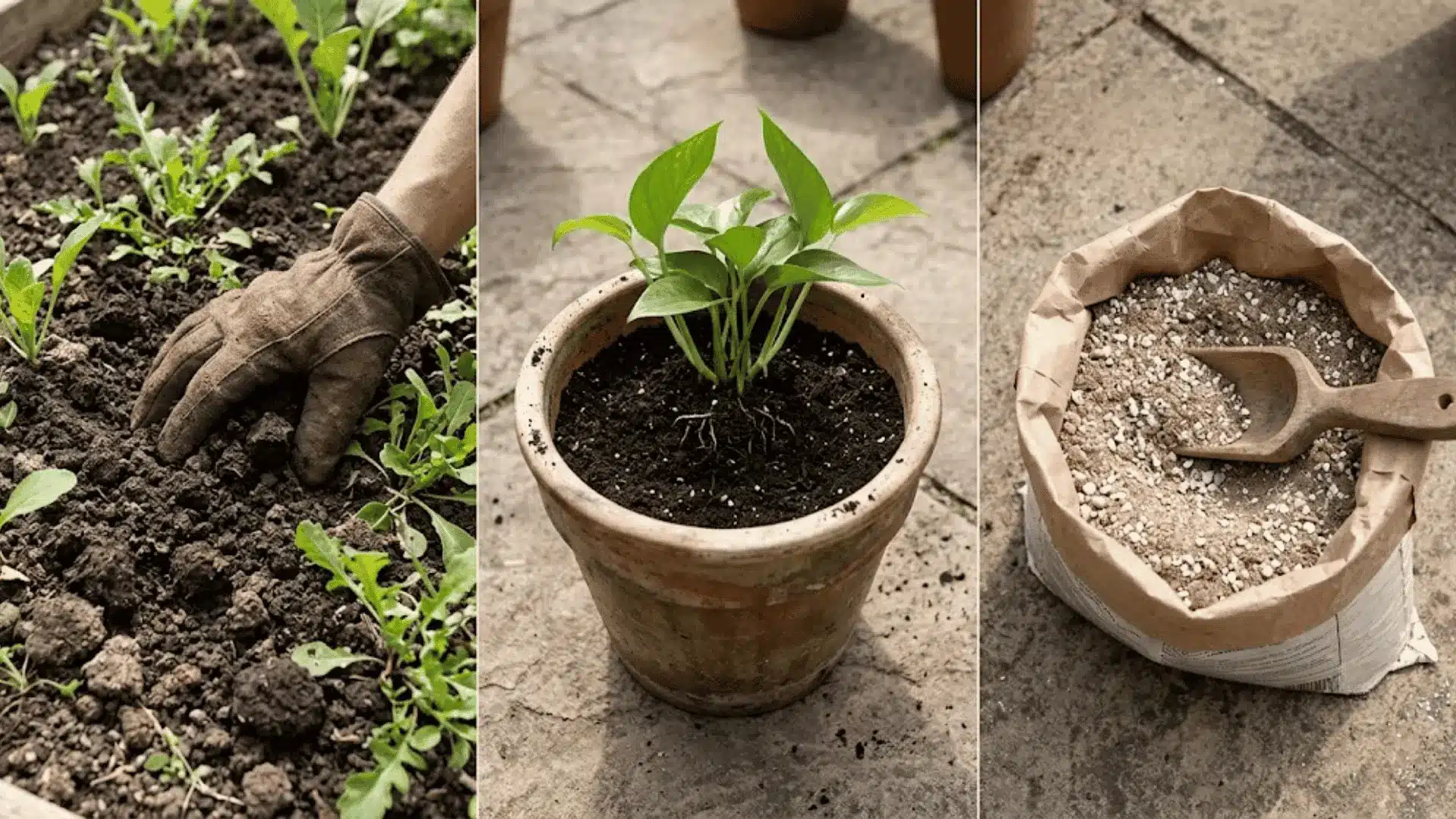
Your plants are only as healthy as what they’re growing in.
Sounds simple, but garden soil, potting soil, and potting mix are three very different things doing three very different jobs, and using the wrong one is one of the most common reasons plants fail without any obvious explanation.
The right growing medium feeds roots, manages moisture, and gives your plants a real foundation to work from.
Once you understand what separates these three, every planting decision starts to feel a lot more intentional.
Garden Soil vs. Potting Soil: The Quick Answer
Garden soil, potting soil, and potting mix look similar on the shelf but behave very differently once they’re in use.
Each one is formulated with a specific environment in mind, and that formulation changes everything about how your plants root, breathe, and absorb water.
Here’s a side-by-side look at how they actually compare:
| Factor | Garden Soil | Potting Soil | Potting Mix |
|---|---|---|---|
| Composition | Natural soil blended with compost or organic matter | Soil-based blend with added organic material and amendments | Soilless blend of peat, perlite, bark, and vermiculite |
| Drainage | Slow to moderate | Moderate | Excellent |
| Aeration | Low | Moderate | High |
| Weight | Heavy | Medium | Light |
| Nutrient Content | Moderate, depends on soil quality | Moderate to high | Low to moderate, often requires added fertilizer |
| Water Retention | High | Moderate to high | Moderate, drains excess readily |
| Cost | $2–$5 per bag | $5–$15 per bag | $10–$30 per bag |
| Best Uses | In-ground garden beds, landscaping, and soil amendment | Raised beds, large outdoor containers | Indoor plants, container gardening, and seedlings |
| Container Suitability | Poor | Fair | Excellent |
What is Garden Soil?
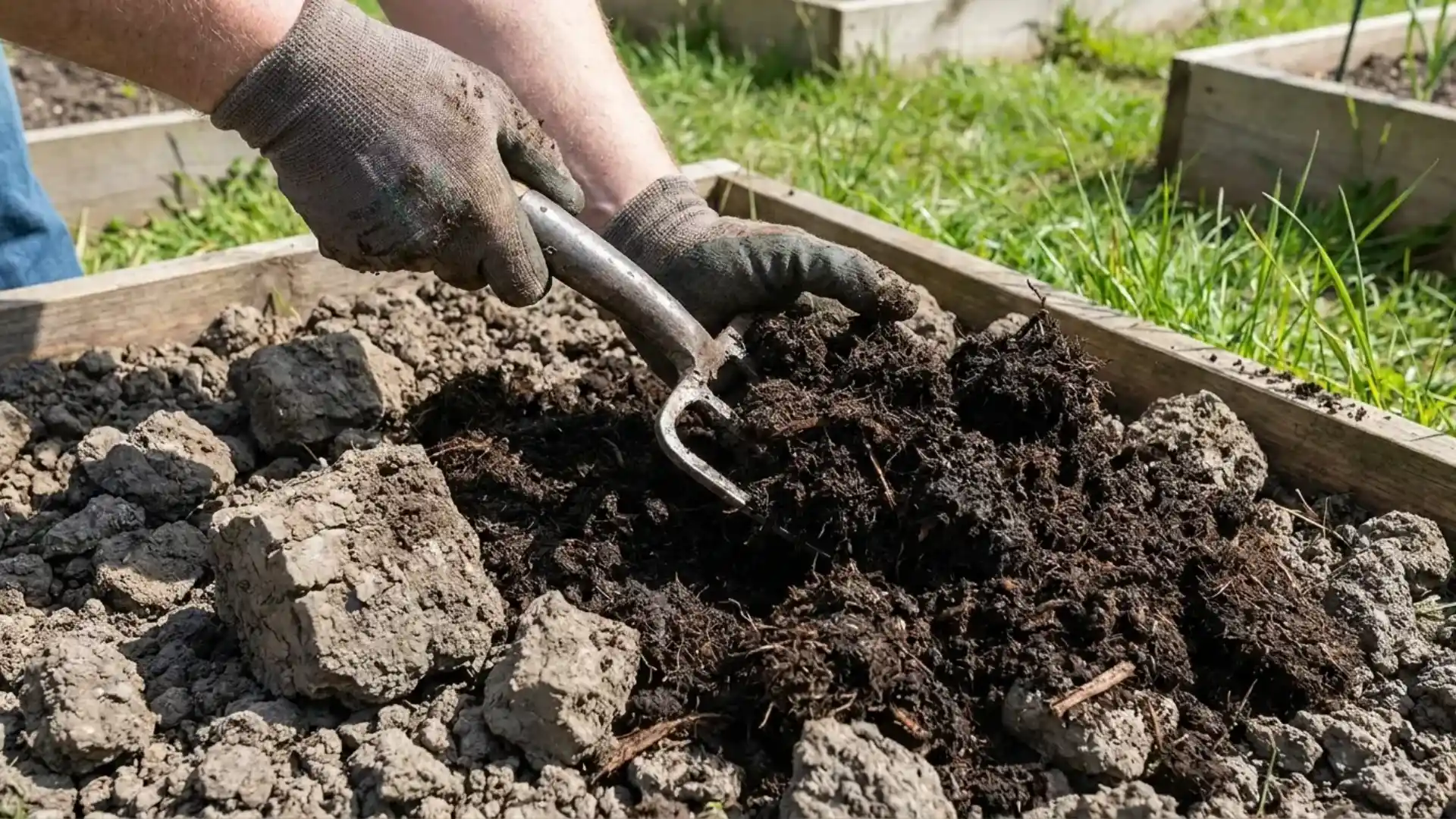
Garden soil is a blended growing medium made from natural topsoil combined with compost, aged forest products, and organic matter to improve its structure for outdoor use.
It’s heavier and denser than other mediums, which works well when you need something that integrates with the ground beneath it.
It retains moisture effectively and adds bulk to depleted soil, making it a reliable choice for in-ground vegetable gardens, raised beds, landscape plantings, and flower borders.
The tradeoff is that its density can restrict drainage and airflow, making it a poor fit for containers or indoor plants.
Starting with ground that’s already working in your favor matters; learning how to make soil fertile first means any amendment you add actually sticks.
What is Potting Soil?
Potting soil is a specially formulated blend designed for container growing, made from ingredients like peat moss or coco coir, perlite, vermiculite, compost, and bark fines.
Unlike natural soil, it’s engineered to balance moisture retention with enough drainage to keep roots from sitting in water.
It’s lighter than garden soil and structured to support plants in environments where they can’t access the ground beneath them.
It works well for indoor plants, outdoor containers, hanging baskets, and patio planters, though it can compact over time and may need refreshing between growing seasons.
Potting Mix vs. Soil: Are They the Same Thing?
Potting mix and potting soil are often used interchangeably, but they’re not the same thing.
Potting mix is typically soilless, composed of peat moss, perlite, bark, and vermiculite, making it lighter, faster-draining, and less prone to compaction.
Potting soil, by contrast, contains some level of actual soil, which adds weight and higher moisture retention.
For container plants, potting mix is usually the better choice because its airy structure supports root growth without the compaction risk that comes with heavier, soil-based mediums.
Garden Soil vs. Potting Soil: Detailed Comparison
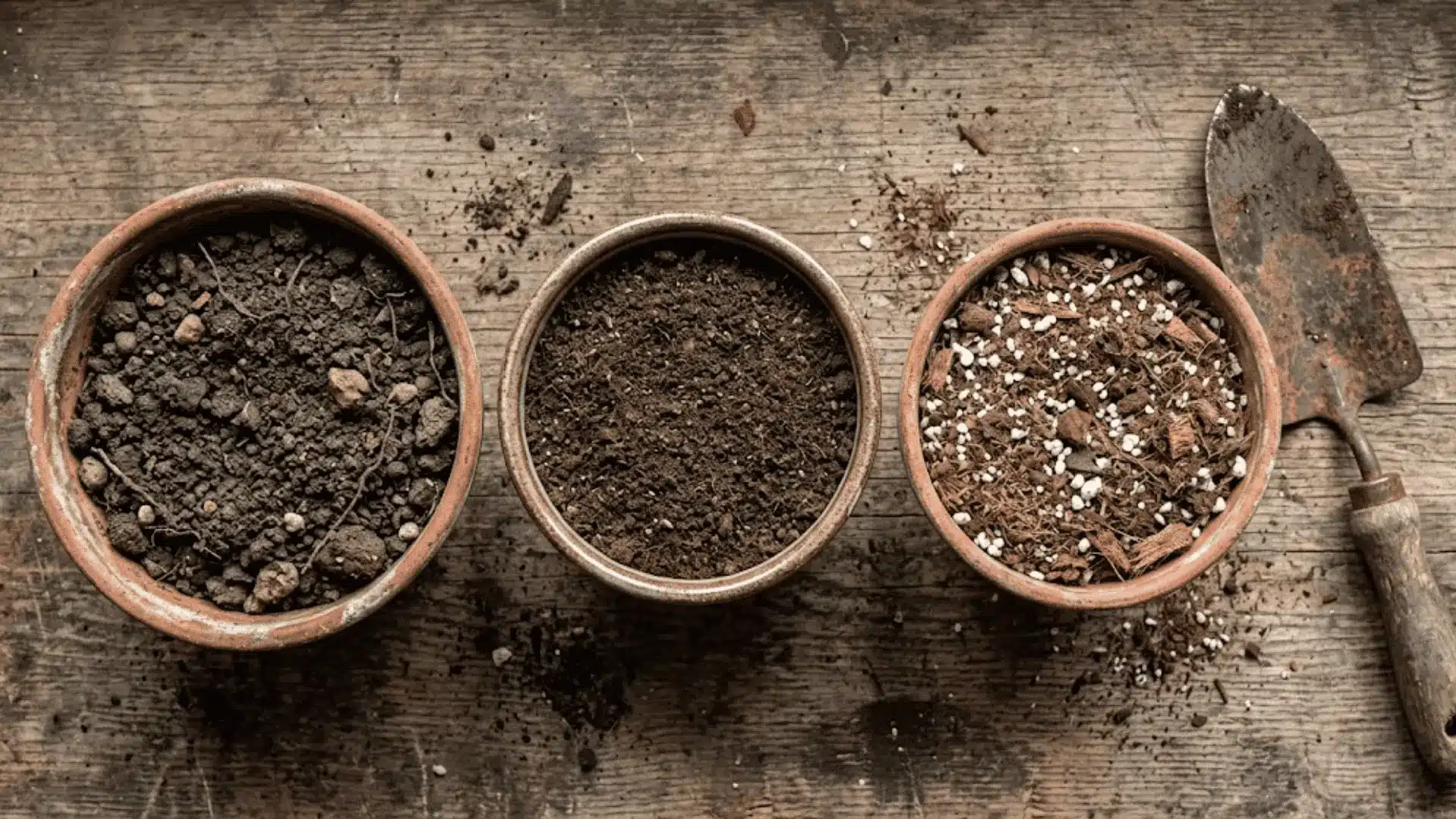
Both mediums share shelf space at every garden center, but their performance in actual growing conditions tells a very different story.
Here’s where the real differences show up:
1. Composition and Ingredients
Garden soil is built around natural topsoil blended with compost and organic matter, giving it a dense, earth-heavy structure.
Potting soil skips the topsoil entirely, relying on peat moss, coco coir, perlite, and bark fines to create a lighter, more controlled blend.
The ingredient list determines everything from drainage to root behavior, so understanding what’s in each bag matters before you plant.
2. Drainage Performance
Garden soil drains slowly, which works in open ground where excess water can disperse naturally.
In containers or raised beds, that same density creates waterlogging and root rot risk. Potting soil is formulated with drainage in mind, moving water through at a pace that keeps roots moist without suffocating them.
For anything grown above ground level, the potting soil’s drainage performance is noticeably more reliable.
3. Aeration and Root Development
Dense garden soil leaves little room for roots to spread freely, especially in compacted conditions.
Potting soil’s lighter, more porous structure allows roots to push through with less resistance, supporting faster and healthier development.
Good aeration also means oxygen reaches the root zone more consistently, which directly affects how efficiently a plant absorbs water and nutrients over time.
4. Moisture Retention
Garden soil holds onto water longer due to its density, which can work in hot, dry outdoor beds but becomes a liability in containers.
Potting soil retains enough moisture to keep plants hydrated while still allowing excess water to drain freely.
That balance is harder to achieve with garden soil, making potting soil the more predictable option when consistent moisture management matters.
5. Density and Weight
Garden soil is noticeably heavier, which makes it practical for in-ground use where weight isn’t a concern.
In containers, that weight adds up fast and can make pots difficult to move and drainage sluggish.
Potting soil is engineered to be lighter without sacrificing structure, making it far more manageable for container gardening, balcony setups, and any situation where portability plays a role.
6. Nutrient Availability
Garden soil often contains naturally occurring nutrients from its organic components, but their availability varies widely depending on the source.
Potting soil is typically pre-amended with a balanced nutrient profile to support plants from the start, though it may require supplemental feeding over time as those nutrients deplete.
Neither medium replaces a consistent fertilizing routine for heavy-feeding plants.
7. Weed Seeds and Pathogens
One underrated risk with garden soil is its potential to carry weed seeds, fungal spores, and soil-borne pathogens that can quietly damage plants before any visible symptoms appear.
Potting soil goes through processing that significantly reduces these risks, making it a cleaner starting point for seedlings and sensitive plants.
For indoor use especially, the pathogen risk alone makes potting soil the more sensible choice.
8. Long-Term Performance
Garden soil can improve over seasons with the right amendments, building structure, and fertility gradually in outdoor beds.
Potting soil, however, breaks down and compacts over time, losing its airy structure and nutrient content after one or two growing seasons.
Refreshing or replacing potting soil regularly keeps container plants performing well, while garden soil benefits more from annual topdressing with compost.
9. Environmental Considerations
Many potting soils rely heavily on peat moss, which is harvested from slow-regenerating bog ecosystems, raising sustainability concerns. Coco coir-based alternatives are increasingly available as a more renewable option.
Garden soil, when sourced responsibly, has a lower environmental footprint, though large-scale topsoil extraction carries its own ecological risks.
Checking ingredient labels and opting for peat-free or sustainably sourced blends is worth considering either way.
Can You Use Garden Soil in Pots?
Technically yes, but it rarely works in your favor. Garden soil is designed for open ground where natural drainage and soil biology help manage its density.
In a container, those same properties become problems fast:
- Compaction sets in quickly, leaving roots with little room to spread or breathe.
- Moisture accumulates at the bottom, creating conditions where root rot takes hold.
- Oxygen flow drops, directly affecting how well plants absorb nutrients.
It can work in large outdoor planters or raised beds with open bottoms, where some weight and natural drainage into the ground offset the density.
For everything else, blending it with perlite and potting mix in roughly equal parts makes it significantly more container-friendly.
Can You Use Potting Soil on the Ground?
You can, and in small doses, it can actually help. Worked into existing garden beds, potting soil introduces organic matter and improves aeration in dense or clay-heavy ground.
The structure it adds can give struggling soil a meaningful boost:
- Loosens compacted ground, making it easier for roots to establish and spread.
- Improves drainage in beds where water tends to pool after rain.
- Adds organic material that supports microbial activity over time.
The real limitation is cost. Potting soil is priced for container use, and covering large garden beds with it adds up quickly without offering much advantage over cheaper soil amendments.
For broad outdoor areas, compost or aged manure delivers comparable benefits at a fraction of the price and is far better suited to in-ground use at scale.
Which Soil Should You Use for Different Plants?
The right medium shifts depending on where your plant lives and what it needs from the ground up.
Here’s a straightforward breakdown by plant type:
| Plant Type | Best Medium | Drainage Need | Key Requirement |
|---|---|---|---|
| Houseplants | Potting mix | High | Lightweight, container-friendly |
| Succulents and Cacti | Cactus blend or potting mix with perlite | Very high | Fast-draining, low moisture retention |
| Vegetables in Containers | Potting soil or potting mix | Moderate to high | Consistent nutrients, good moisture balance |
| Vegetables in Garden Beds | Garden soil with compost | Moderate | Depth, fertility, moisture retention |
| Raised Beds | Garden soil, compost, and potting mix blend | Moderate to high | Balanced structure, open-bottom drainage |
| Flowers and Ornamentals | Follows placement | Moderate | Potting mix in containers, garden soil in beds |
| Trees and Shrubs | Garden soil with compost | Low to moderate | Weight and structure for deep root anchoring |
| Herbs | Potting mix or potting soil | High | Good drainage, moderate fertility |
What Should You Do If You Used the Wrong Soil?
The signs usually show up before the damage becomes permanent. Yellowing leaves, waterlogged roots, stunted growth, or soil that dries out within hours of watering all point to a medium that isn’t doing its job.
Here’s how to course-correct:
- Check drainage first by lifting the pot or digging a few inches down to see how water is moving through.
- Mix in perlite or potting mix if the garden soil in a container has compacted or is holding too much moisture.
- Add compost or topsoil to the potting mix used in garden beds that’s drying out too fast or lacking structure.
- Repot entirely if roots are visibly rotting, circling, or the medium has broken down beyond amendment.
- Refresh potting soil annually in containers where compaction and nutrient depletion have set in over a full growing season.
Catching it early makes the fix simple. Most plants recover well once the medium is corrected, and in most cases, a partial amendment is all it takes to get things back on track.
Should You Mix Garden Soil and Potting Soil?
Mixing the two can work well when the goal is to balance structure with drainage.
Garden soil adds weight and moisture retention; potting soil lightens the blend and improves airflow. For raised beds, a ratio of one part garden soil to one part potting soil with added compost gives you a well-rounded medium.
The risk comes with containers, where even a small amount of garden soil can introduce compaction over time.
Mixing makes the most sense for raised beds and large outdoor planters, where the added density is an asset rather than a liability.
Raised Bed Soil vs. Garden Soil vs. Potting Soil
Raised beds fall into a category of their own, and the medium they require reflects that.
Here’s how all three compare in a raised bed context:
| Factor | Raised Bed Soil | Garden Soil | Potting Soil |
|---|---|---|---|
| Composition | Blended mix of topsoil, compost, and aerating amendments | Natural topsoil with organic matter | Peat, perlite, bark, and vermiculite |
| Drainage | Moderate to high | Low to moderate | Moderate to high |
| Weight | Medium | Heavy | Light |
| Nutrient Content | High, formulated for productive growing | Moderate, varies by source | Moderate, depletes faster |
| Compaction Risk | Low | High | Medium over time |
| Best Fit for Raised Beds | Ideal | Workable with amendments | Too light on its own |
| Cost | $8–$20 per bag | $2–$5 per bag | $10–$30 per bag |
How to Choose the Right Soil for Your Gardening Project?
Before reaching for any bag, a few quick questions narrow the choice down fast:
- Indoor or outdoor? Potting mix for anything inside or in a container; garden soil for open ground.
- Fast or slow drainage needed? Cacti, succulents, and herbs want a lighter, faster-draining medium; moisture-loving plants can handle more retention.
- What’s your watering routine? Infrequent waterers need soil that holds moisture longer; daily waterers need something that drains freely.
- What’s your budget? Garden soil covers large areas affordably; potting mix is worth the higher cost for containers and indoor plants.
- What’s your climate like? Hot, dry conditions call for higher moisture retention; humid or rainy climates need faster drainage to prevent waterlogging.
The right soil choice rarely requires overthinking. Match the medium to the environment first, factor in the plant’s specific drainage and nutrient needs, and the decision usually makes itself.
The Bottom Line
Garden soil vs potting soil is one of those distinctions that seems minor until you watch a perfectly healthy plant decline for no obvious reason.
The growing medium beneath makes a quiet but significant difference, and now that you know what sets each one apart, every planting decision gets a little more intentional.
Match the medium to the environment, pay attention to what your plants are telling you, and the rest tends to follow.
Got a planting project coming up or a soil question we didn’t cover? Drop it in the comments below.
Frequently Asked Questions (FAQs)
Why Can’t Garden Soil Be Used in Pots?
Garden soil is too dense for container use, compacting quickly and restricting both drainage and airflow. In a pot, that density creates waterlogged conditions that most plants can’t recover from.
How Often Should Potting Soil Be Replaced?
Most potting soil breaks down and loses its structure after one to two growing seasons. Refreshing it annually keeps containers draining well and nutrient levels where they need to be.
Does Potting Soil Contain Real Soil?
Not always. Many potting soils are soilless blends built from peat moss, perlite, and bark, engineered to perform better in containers than actual soil would.
Can I Reuse Potting Soil From Last Year?
You can, but it needs refreshing first. Mix in fresh compost and perlite to restore structure and nutrients before replanting.