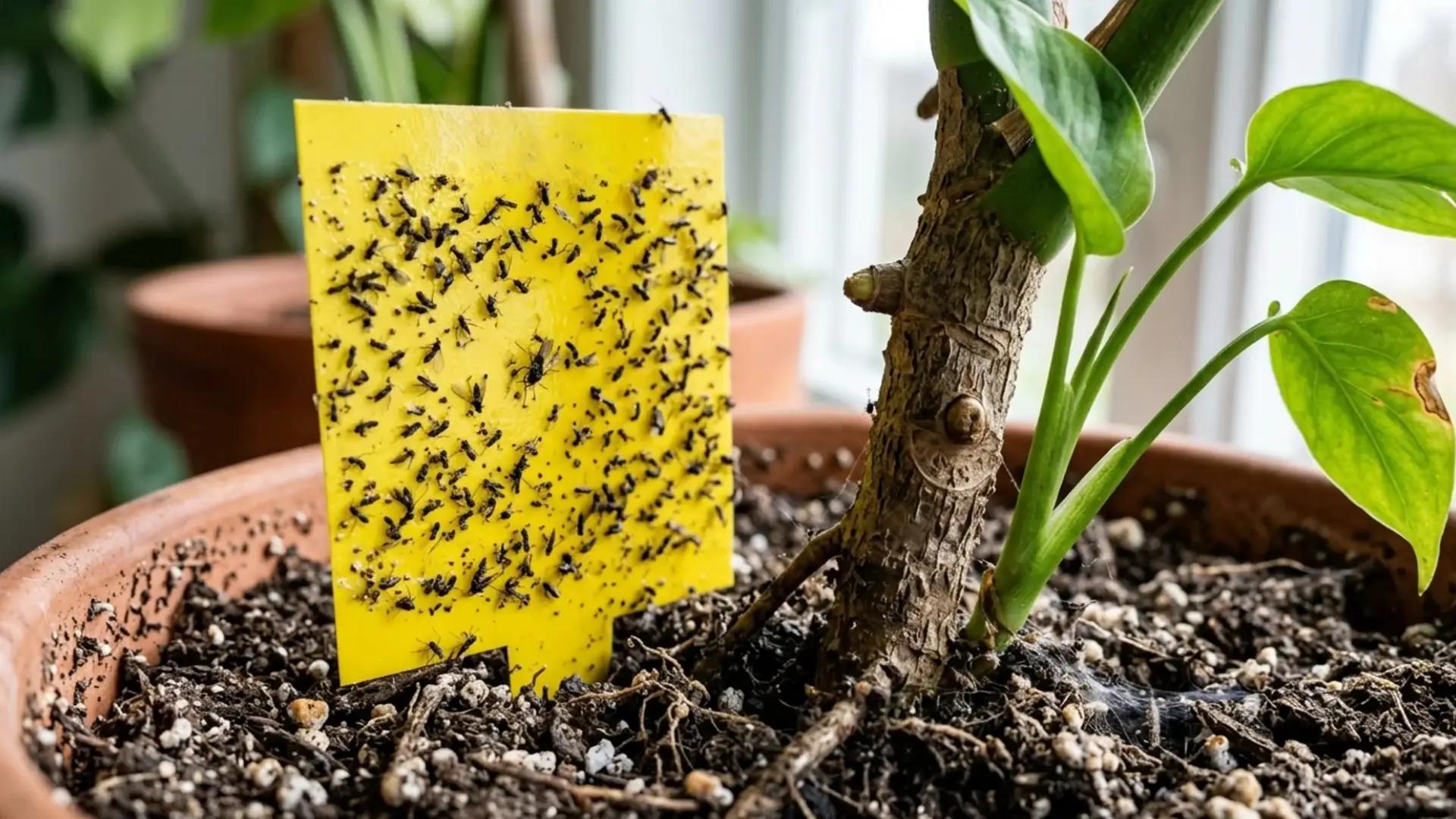

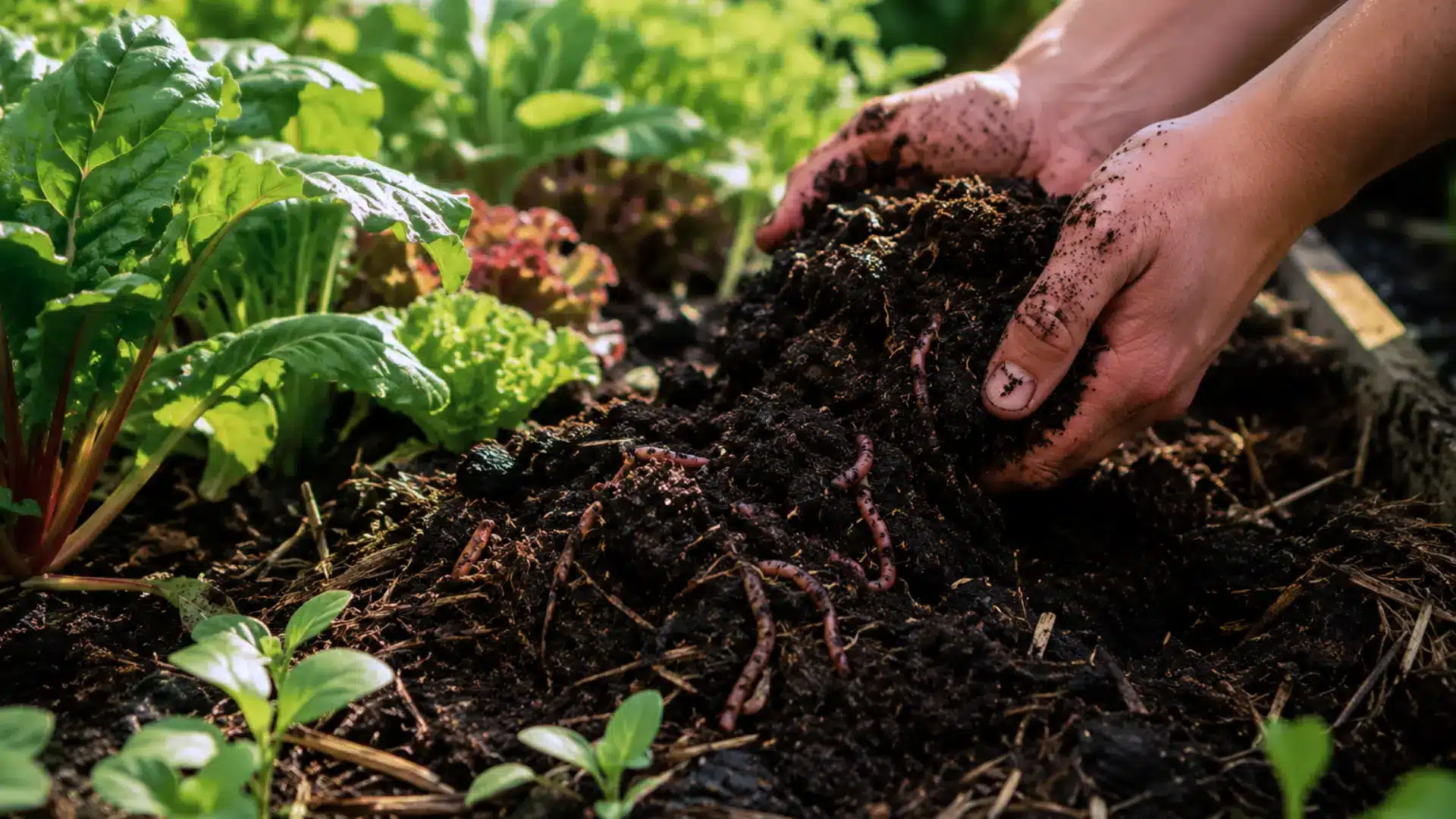
Good soil is the difference between a garden that struggles and one that thrives. If your plants look weak despite regular watering and care, the soil is usually the problem.
Learning how to make soil fertile is the one fix that improves everything else at once. It affects how roots grow, how water moves, and how well your plants can access nutrients.
Many gardeners focus on what is above ground, but the real work happens below the surface. Healthy soil does not need constant attention once you build it right.
Get the foundation right, and your garden will do most of the hard work on its own.
What Makes Soil Fertile?
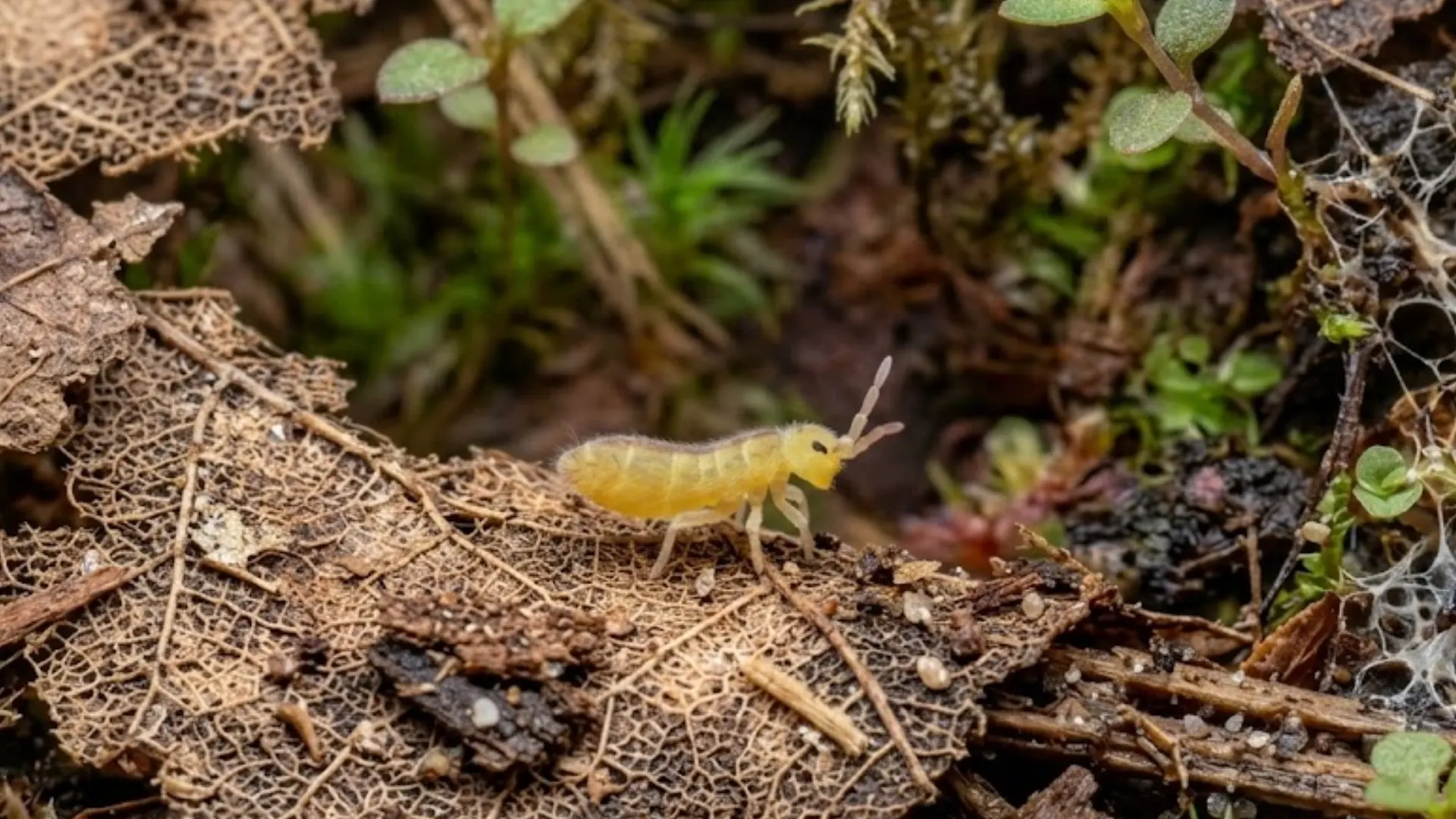
Healthy soil is not just dirt. It is a living system packed with minerals, organic matter, water, air, and tiny organisms. These five things work together to feed your plants from the ground up.
When soil is fertile, roots spread easily and absorb nutrients without struggle. Plants also hold onto moisture longer, so you water less often. Poor soil does the opposite.
It starves roots, drains fast, and leaves plants weak. Whether you are growing vegetables, flowers, or a lawn, fertility is the foundation.
Get the soil right first. Everything else your plants need will follow naturally from there.
Check Your Existing Soil Before Making Improvements
Before you add anything to your soil, you need to know what you are already working with. Skipping this step often leads to wasted money and effort. Here are five simple checks to do first:
- Soil type: Pinch a damp handful and roll it. Sandy soil falls apart, clay soil stays clumped, and loam feels soft and crumbly.
- Drainage: Dig a small hole, fill it with water, and watch. If it drains in under an hour, you are in good shape.
- Compaction: Push a finger or pencil into the soil. If it barely goes in, your soil is too compacted for healthy roots.
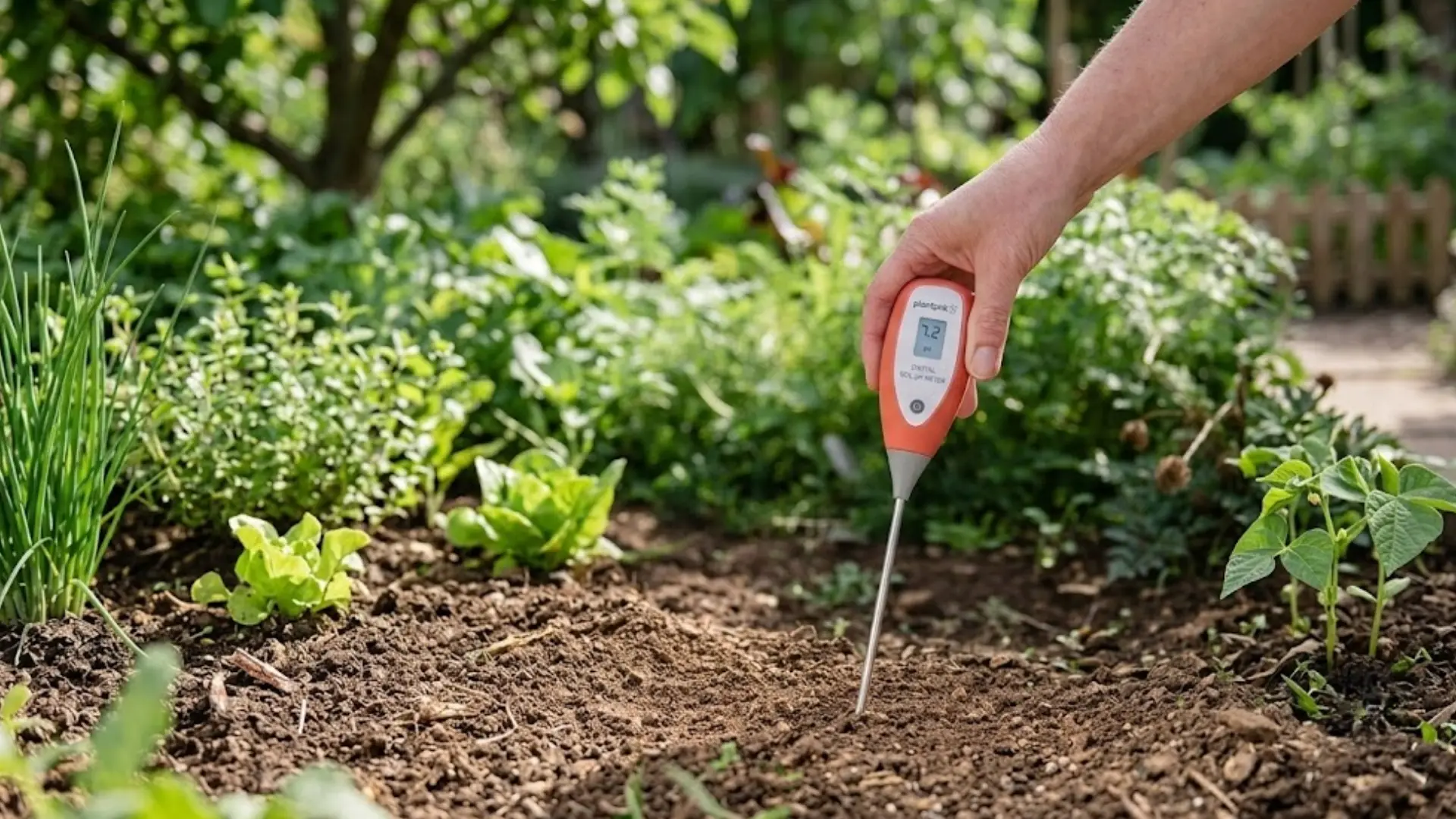
- pH level: Use a basic home test kit to check whether your soil is acidic, neutral, or alkaline.
- Fertility signs: Yellow leaves, slow growth, and weak stems are all signs that your soil is not feeding your plants well.
Once you know what your soil is missing, fixing it becomes much simpler. You will not be guessing anymore.
Effective Ways to Boost Soil Fertility Naturally
There are plenty of natural ways to build fertile soil, and none of them require expensive products or special skills. Here are the best methods you can start using right away:
1. Add Compost Regularly
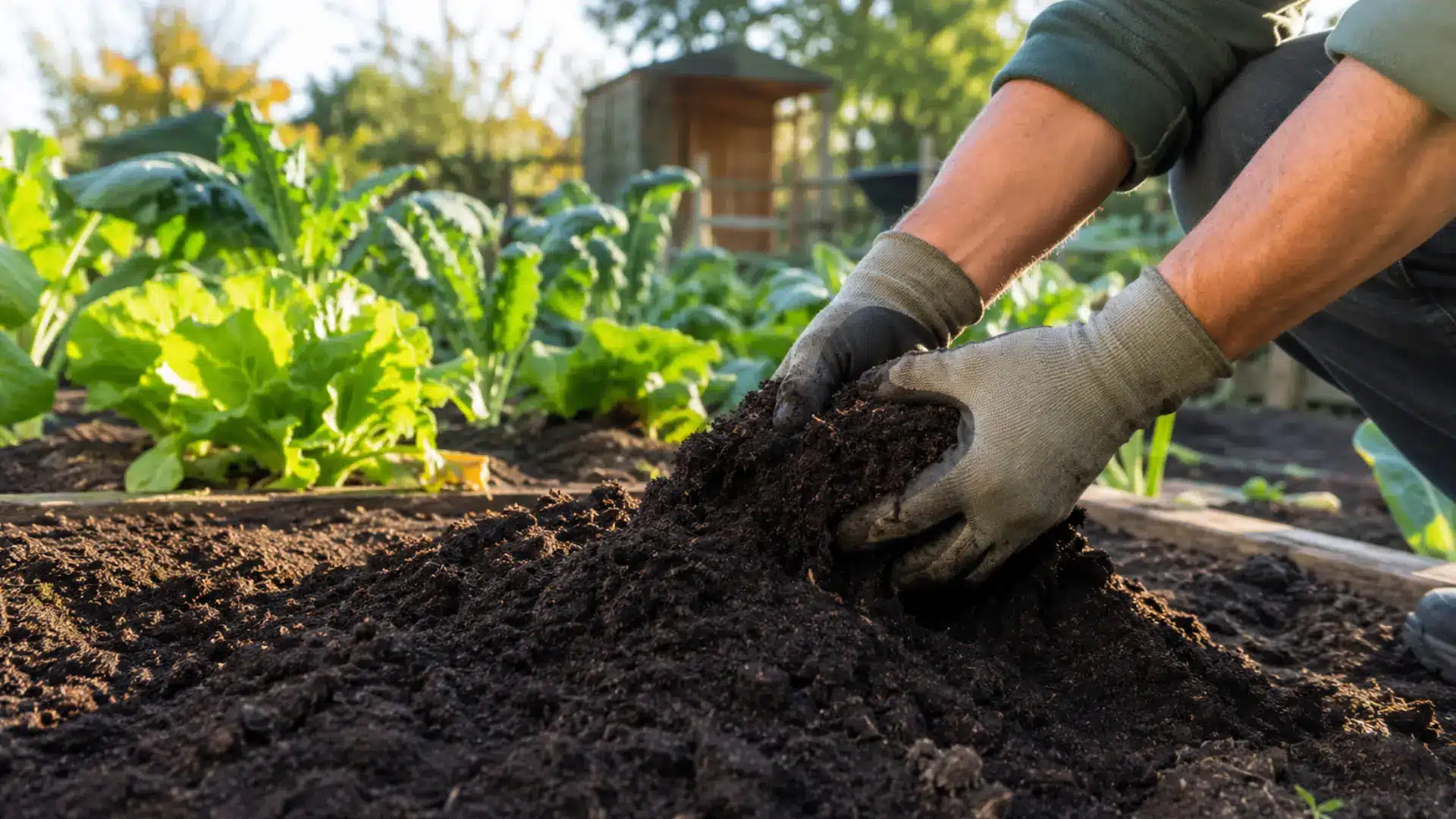
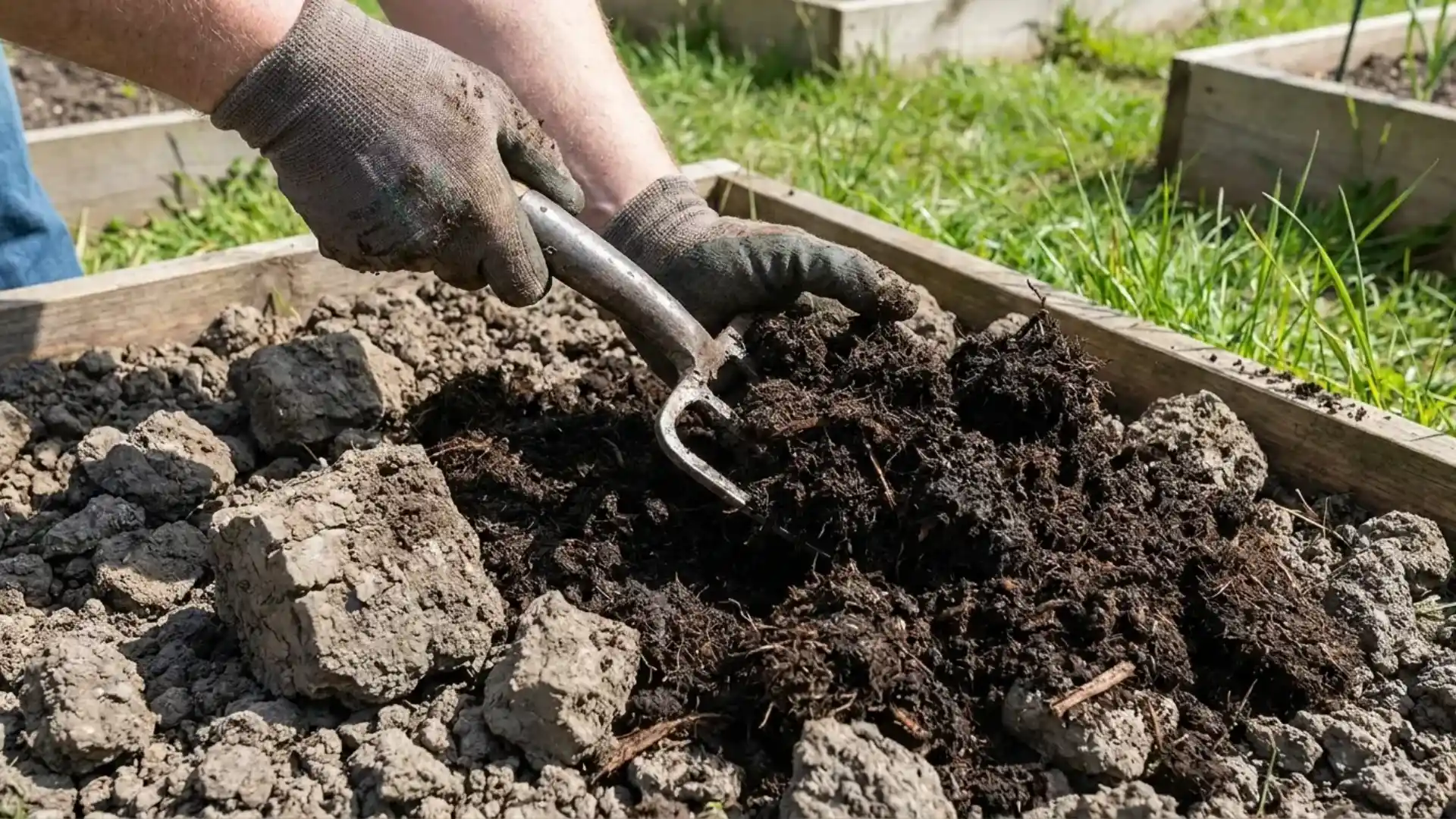
Compost is the single best thing you can add to any soil. Spread a two to three-inch layer over your beds and work it into the top few inches.
It is made from broken-down organic matter and feeds your soil with nitrogen, phosphorus, and potassium. It also improves soil structure and brings in beneficial microbes that keep the whole system alive and active.
- Suitable crops: Vegetables, fruits, herbs, flowers, lawns
- Usage frequency: Every season, or at least once a year
2. Use Aged Animal Manure
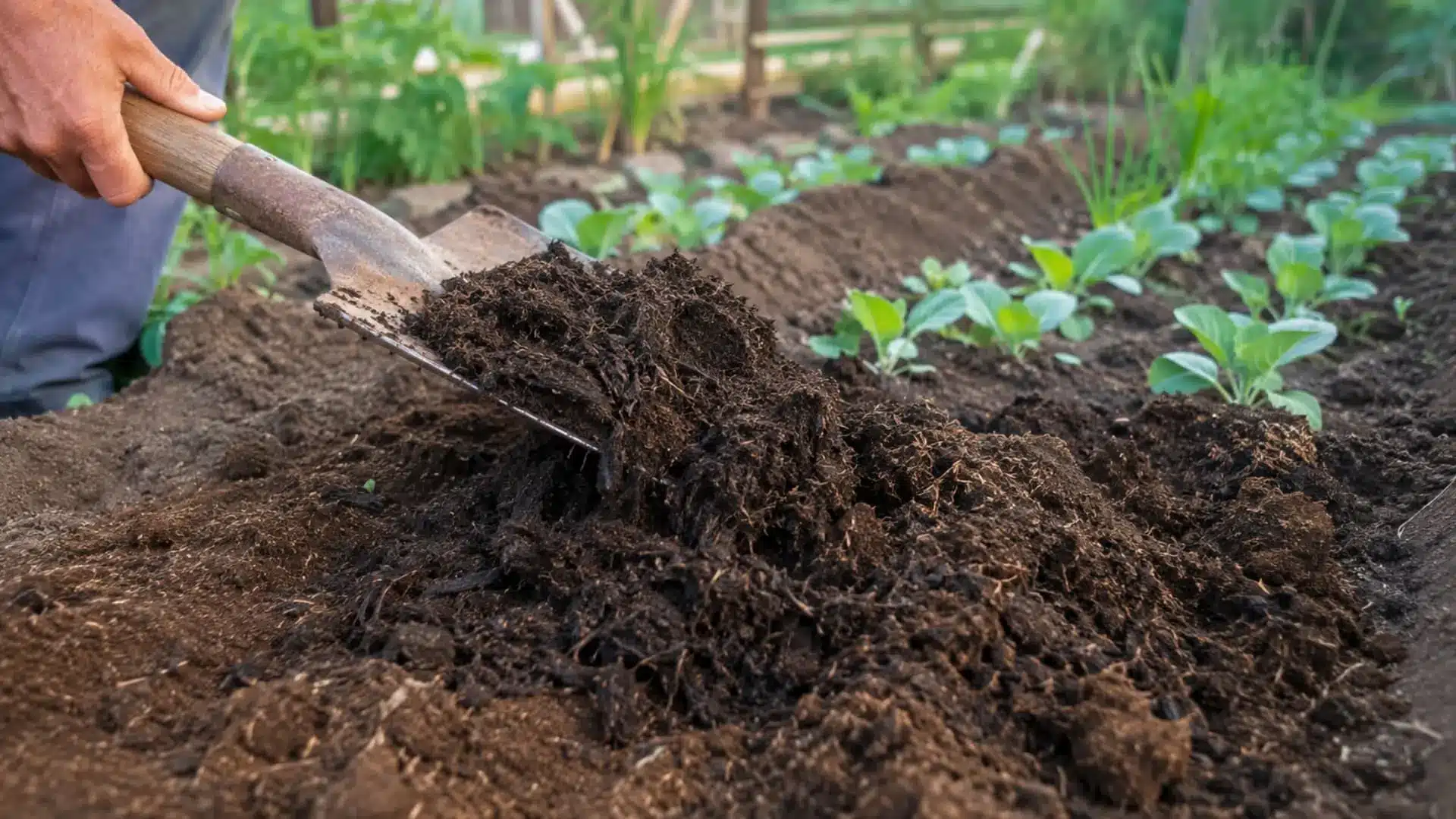
Well-rotted manure from cows, horses, chickens, or sheep adds rich nutrients back into tired soil. Always use aged or composted manure and work it in a few weeks before planting.
Fresh manure burns plant roots and can carry harmful bacteria, so avoid it entirely. Aged manure also improves texture, helping sandy soil hold water and loosening up heavy clay over time.
- Suitable crops: Vegetables, fruit trees, roses, lawns
- Usage frequency: Once or twice a year, ideally before planting season
3. Grow Cover Crops
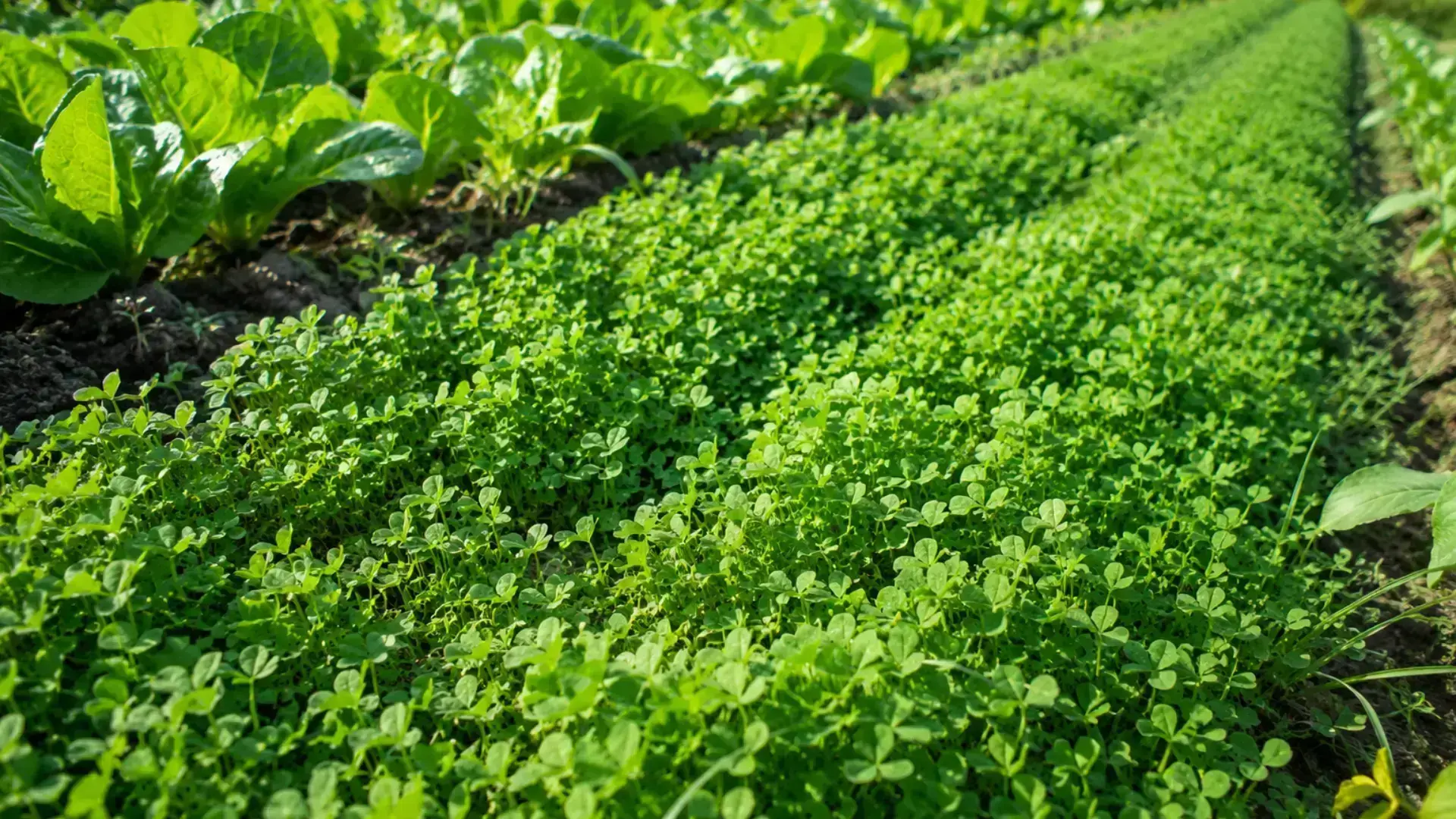
Cover crops are plants you grow specifically to feed the soil, not to harvest. Plant them after your main crop finishes, then cut or dig them into the soil before they go to seed.
They protect bare soil over winter, add organic matter, and some fix nitrogen from the air. Popular choices include clover, rye, and vetch, all of which are easy to source and grow.
- Suitable crops: Benefit all follow-on vegetables, grains, and fruit crops
- Usage frequency: Once a year, typically in autumn or early spring
4. Leave Grass Clippings on the Soil
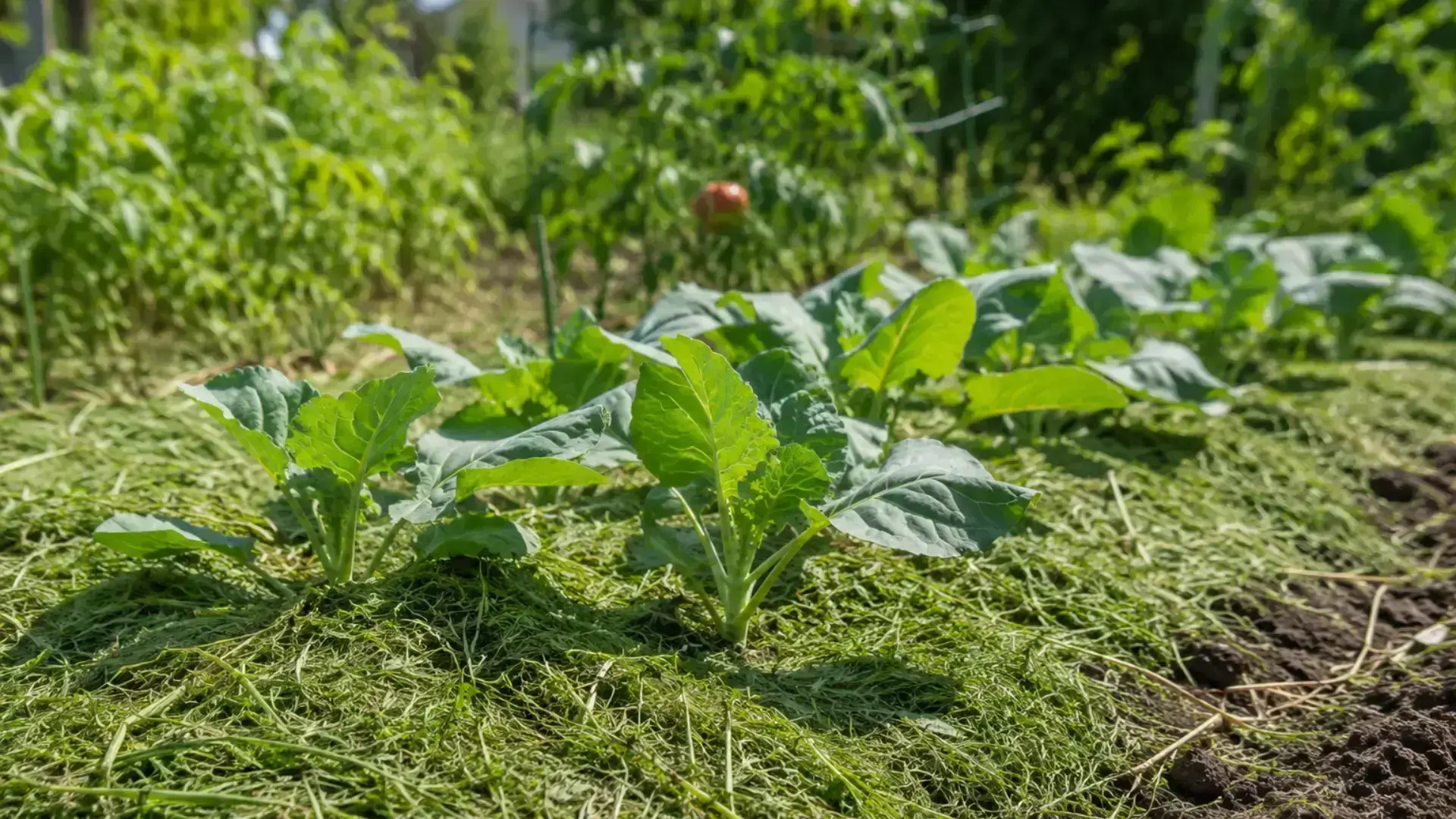
Fresh grass clippings are high in nitrogen and break down quickly into the soil. After mowing, leave a thin layer on the surface to decompose naturally instead of bagging it up.
You can also spread them around garden beds as a light mulch between plants. Just avoid thick clumps as they mat together, block air, and start to smell as they rot.
- Suitable crops: Lawns, vegetables, shrubs, fruit trees
- Usage frequency: After every mow, throughout the growing season
5. Apply Organic Mulch
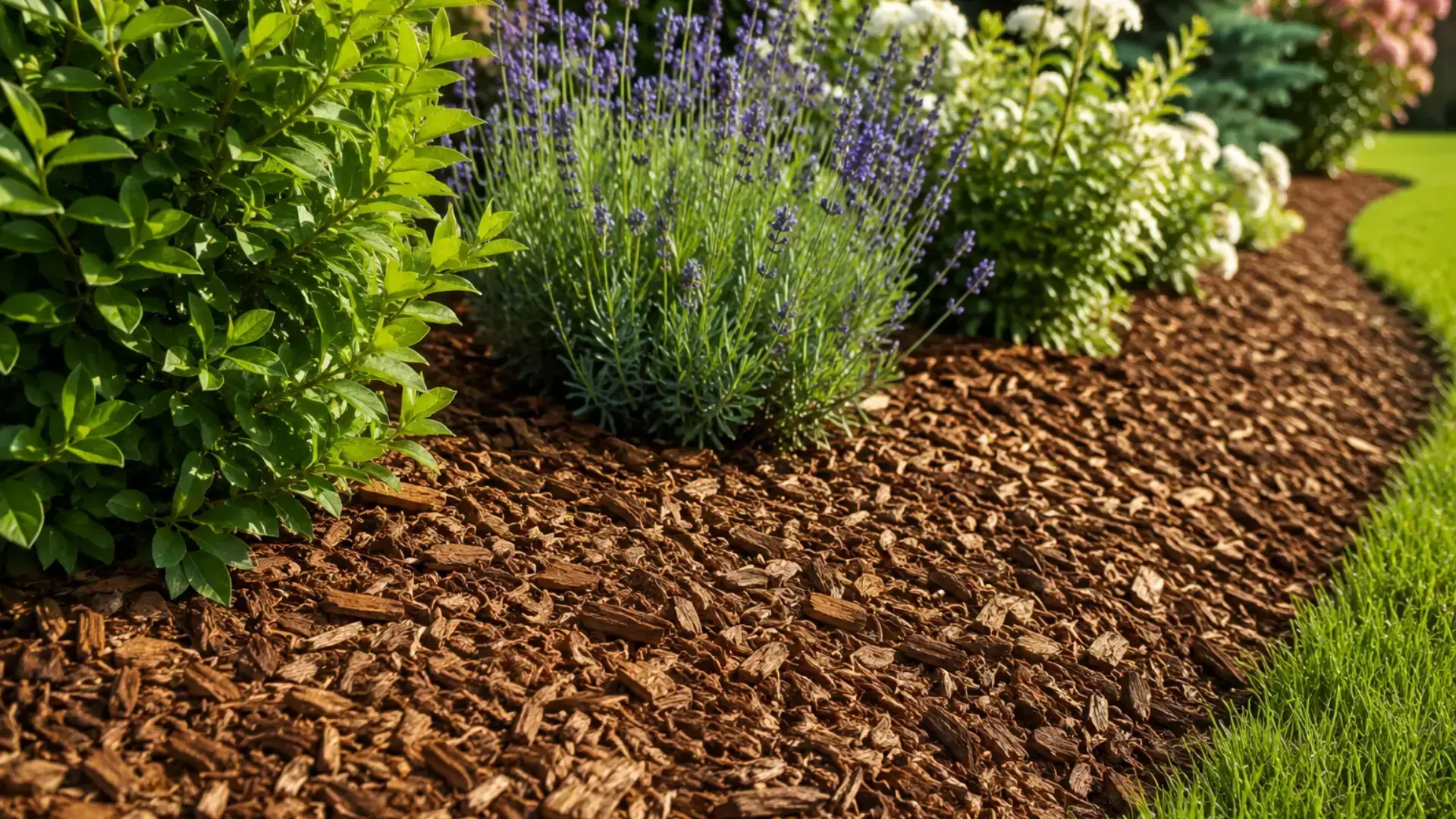
Organic mulch includes wood chips, straw, and shredded bark spread over bare soil in a two to four-inch layer. Keep it away from direct contact with plant stems to prevent rot.
It slows moisture loss, keeps soil temperature steady, and suppresses weeds without any chemicals.
As it breaks down over time, it feeds the soil below and adds organic matter that supports healthy soil life.
- Suitable crops: Fruit trees, shrubs, vegetables, perennials
- Usage frequency: Reapply once or twice a year as the layer breaks down
6. Add Worm Castings
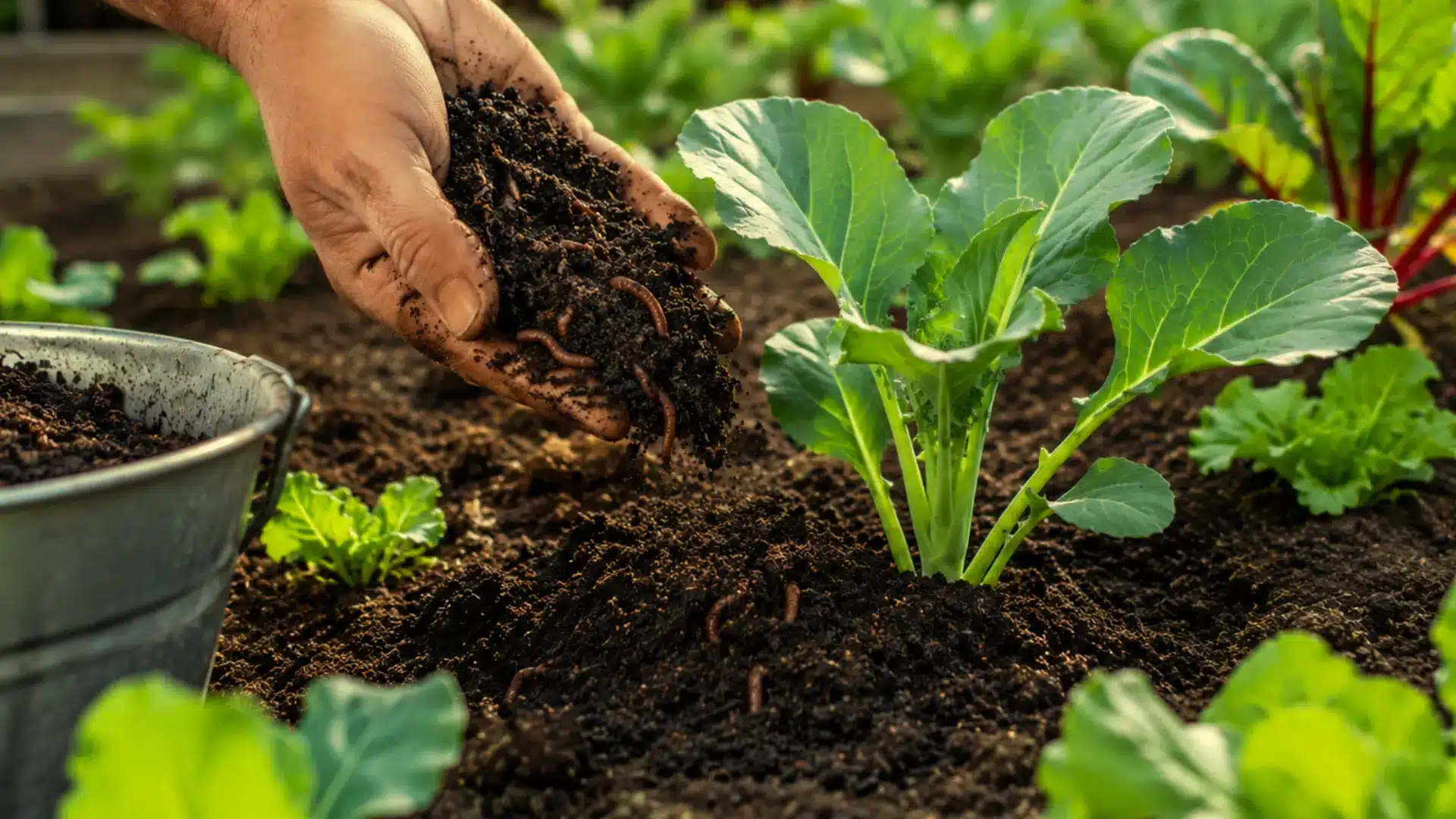
Worm castings are essentially worm waste, and they are one of the most nutrient-dense soil amendments available.
Mix them into potting soil, sprinkle around plant bases, or brew them into a liquid feed and water them in.
They are packed with nitrogen, phosphorus, and potassium in a form plants absorb straight away. They also improve soil texture and encourage strong, healthy root development from the start.
- Suitable crops: Vegetables, houseplants, seedlings, herbs
- Usage frequency: Every four to six weeks during the growing season
7. Practice Crop Rotation
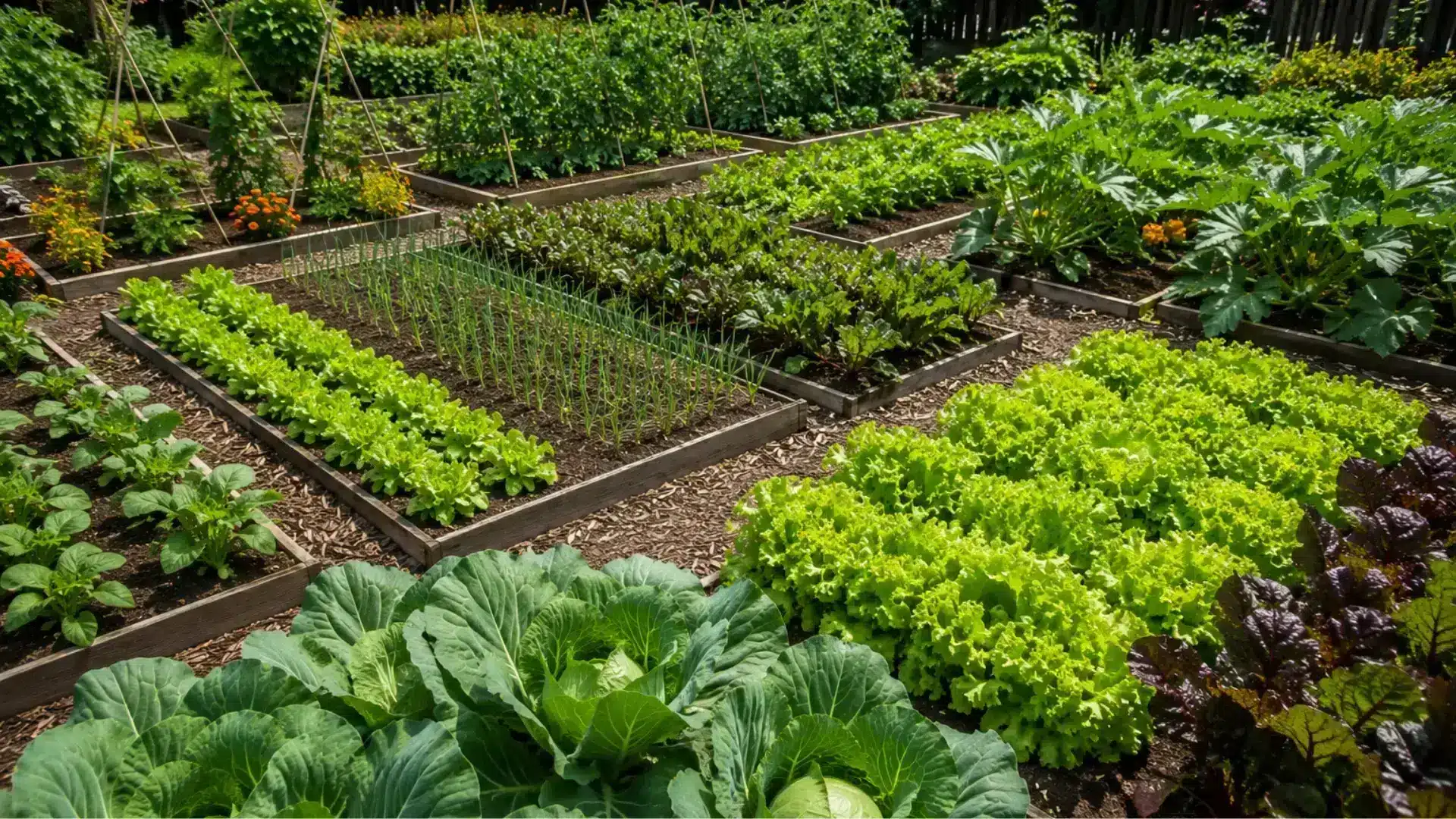
Crop rotation means moving plant families to different beds or spots in your garden each year. A basic rotation cycles heavy feeders, light feeders, and soil builders across three or four beds in sequence.
Different plants take different nutrients from the soil, so growing the same crop in the same place exhausts specific minerals fast.
Rotating also breaks pest and disease cycles that quietly build up in the soil over time.
- Suitable crops: Vegetables, especially tomatoes, brassicas, legumes, and root crops
- Usage frequency: Rotate every growing season, year on year
8. Plant Nitrogen-Fixing Crops
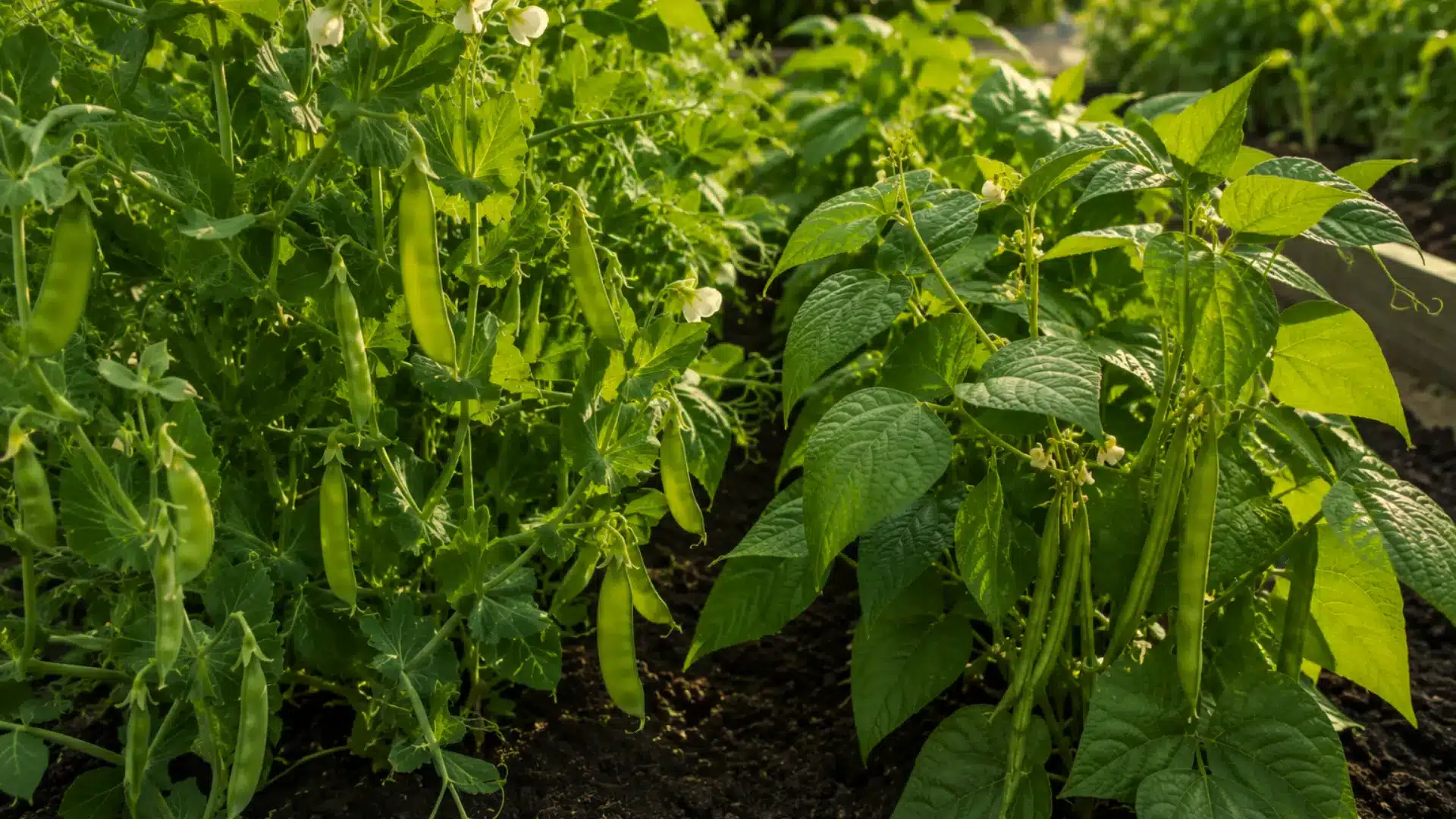
Legumes like beans, peas, and clover have a special ability to pull nitrogen from the air and store it in their roots. Grow them in a bed, then cut them down or dig them in at the end of the season.
That stored nitrogen is released into the soil and feeds the next crop you plant in that spot. It is one of the cheapest and most natural ways to restore nitrogen to worn-out soil.
- Suitable crops: Follows well for brassicas, leafy greens, corn, and root vegetables
- Usage frequency: Once a year as part of a rotation plan
9. Improve Soil With Leaf Mold
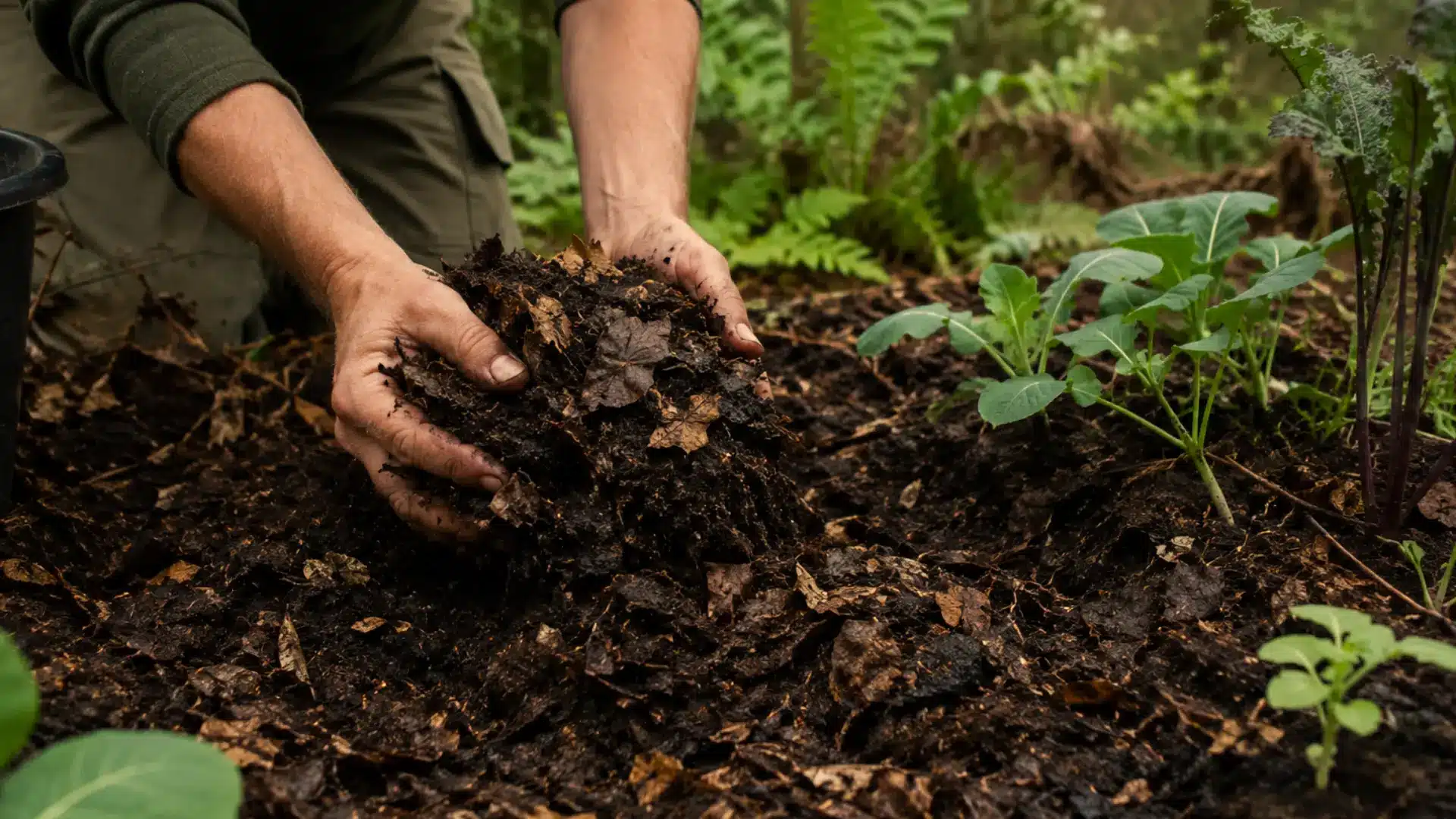
Leaf mold is simply autumn leaves left to break down over one to two years into a dark, crumbly material. Pile up fallen leaves, keep them damp, and leave them undisturbed until they decompose fully.
It does not add many nutrients, but it dramatically improves soil structure and moisture retention. Dig it into beds or use it as a mulch to help soil hold water through dry spells.
- Suitable crops: Woodland plants, vegetables, fruit bushes, moisture-loving perennials
- Usage frequency: Apply once a year, ideally in autumn or spring
10. Use Compost Tea
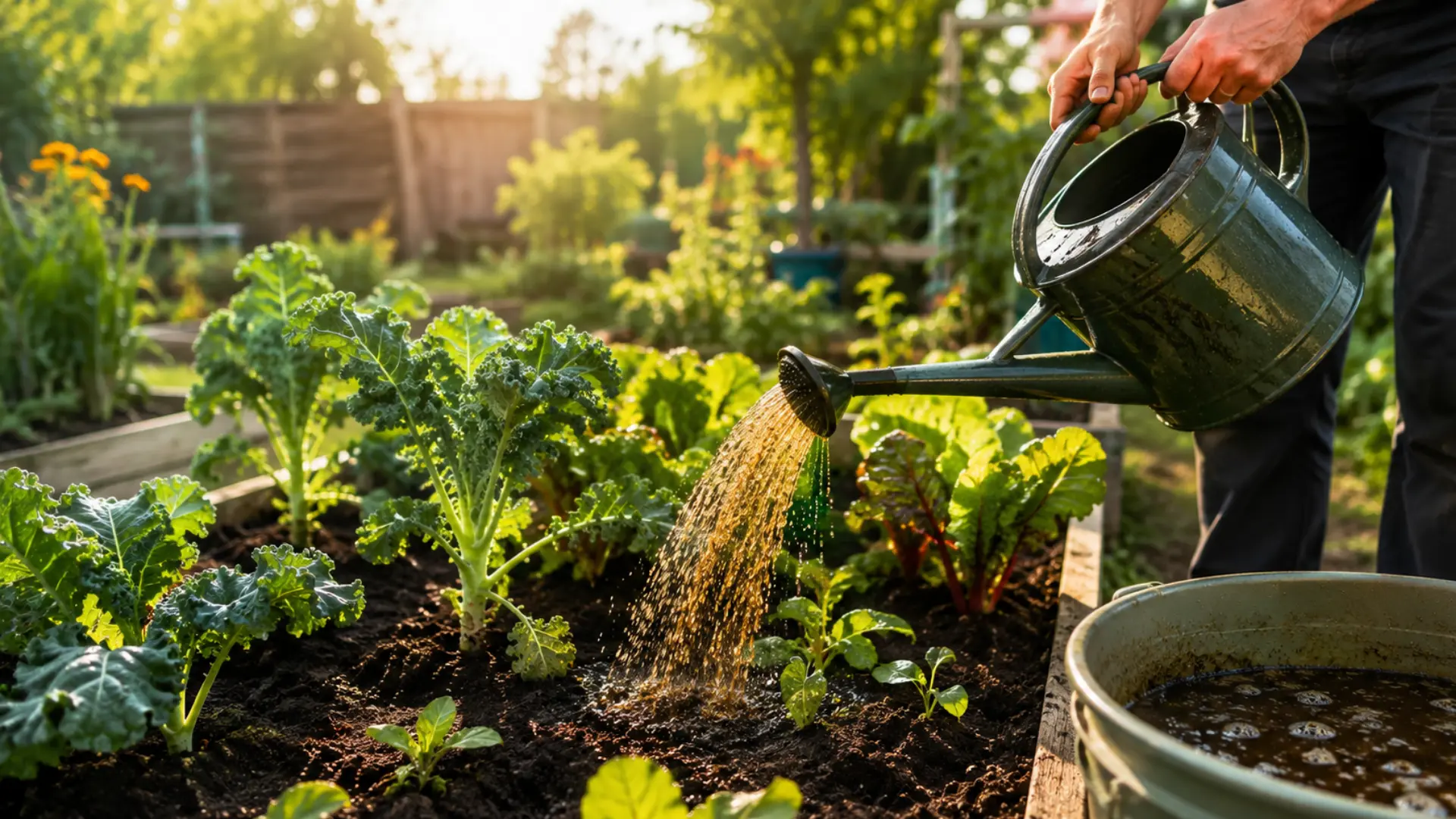
Compost tea is made by soaking finished compost in water for one to two days, then straining out the liquid. Pour or spray it directly onto soil or onto plant leaves for a fast nutrient boost.
The water picks up beneficial microbes and nutrients from the compost as it soaks. It is a great way to deliver a burst of microbial activity to tired or depleted soil between solid compost applications.
- Suitable crops: Vegetables, herbs, fruit trees, container plants
- Usage frequency: Every two to four weeks during the active growing season
11. Add Biochar
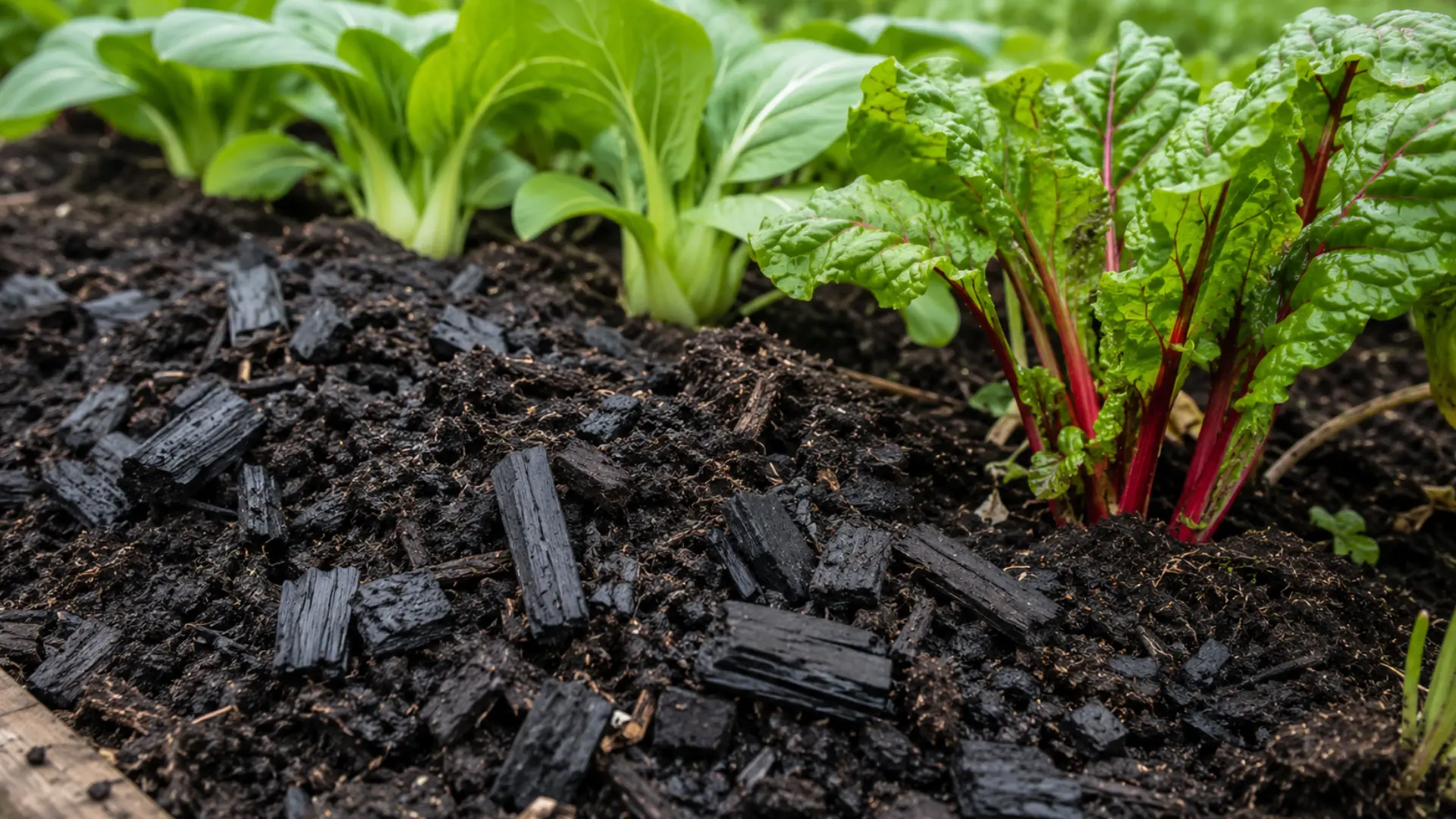
Biochar is charcoal made from burning organic material at high heat with very little oxygen. Always mix it thoroughly with compost before adding it to soil, as raw biochar can initially lock up nutrients.
It does not break down for hundreds of years, making it a genuinely long-term investment in your soil.
Over time it improves nutrient retention, holds moisture, and creates a stable habitat for beneficial microbes.
- Suitable crops: Vegetables, fruit trees, tropical plants, container gardens
- Usage frequency: Once every few years as a soil amendment
12. Use Seaweed Products
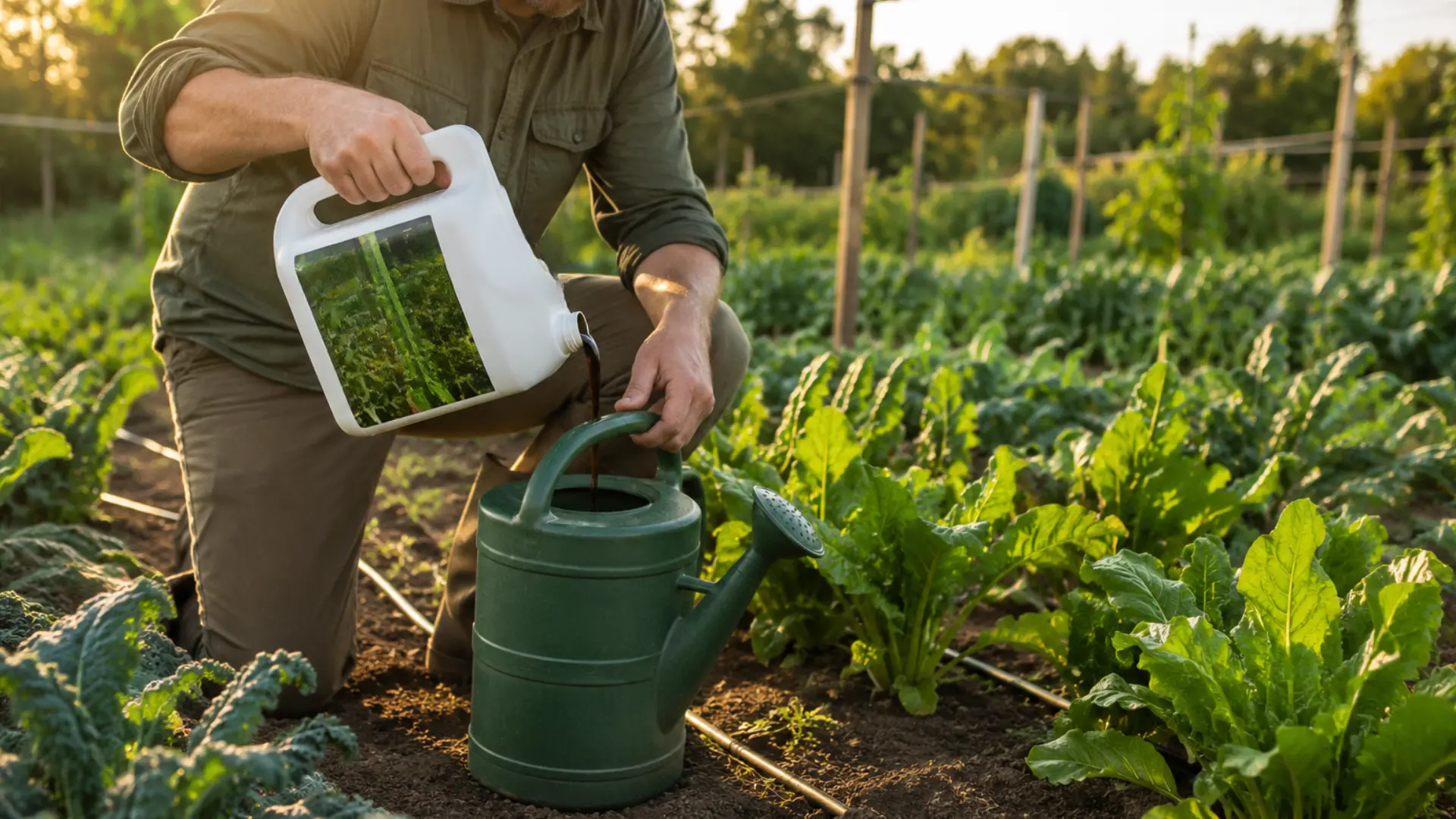
Seaweed is packed with trace minerals that most other soil amendments miss, including iron, magnesium, and zinc.
Use it as a dried meal dug into soil or dilute the liquid concentrate and water it around plant roots. It also contains natural plant growth hormones that support stronger, healthier growth above and below ground.
It works well alongside compost to fill in nutrient gaps that organic matter alone cannot cover.
- Suitable crops: Vegetables, root crops, fruiting plants, lawns
- Usage frequency: Every three to four weeks during the growing season
13. Apply Bone Meal
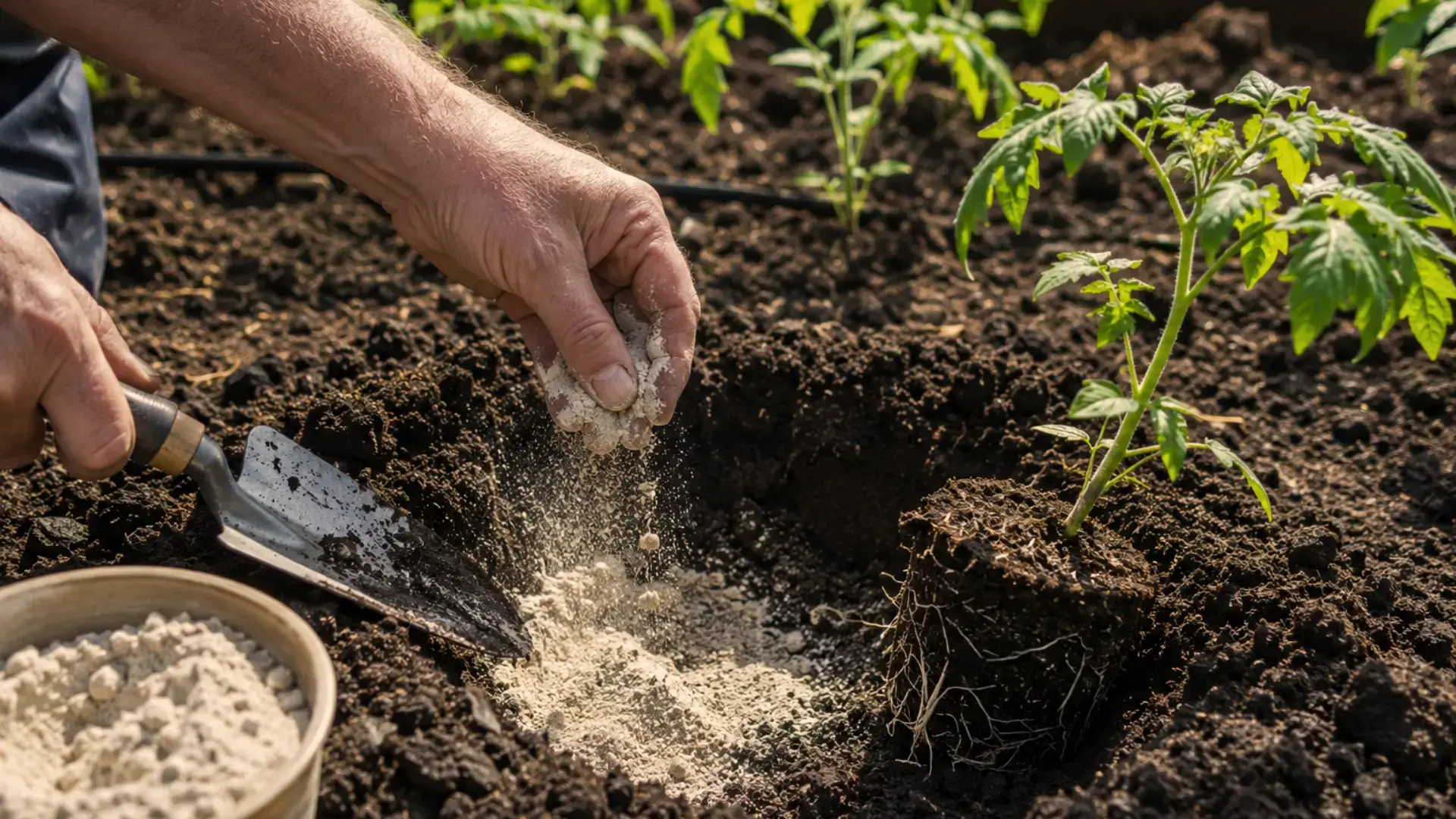
Bone meal is a slow-release powder made from ground animal bones and is one of the richest natural sources of phosphorus.
Work it into the planting hole or mix it into the top few inches of soil before sowing seeds or transplanting.
It also contains calcium and breaks down gradually over several months as soil microbes process it. This makes it ideal for crops that need strong root systems right from the start.
- Suitable crops: Bulbs, root vegetables, fruit trees, roses
- Usage frequency: Once at planting time, or once a year in spring
14. Add Wood Ash Carefully
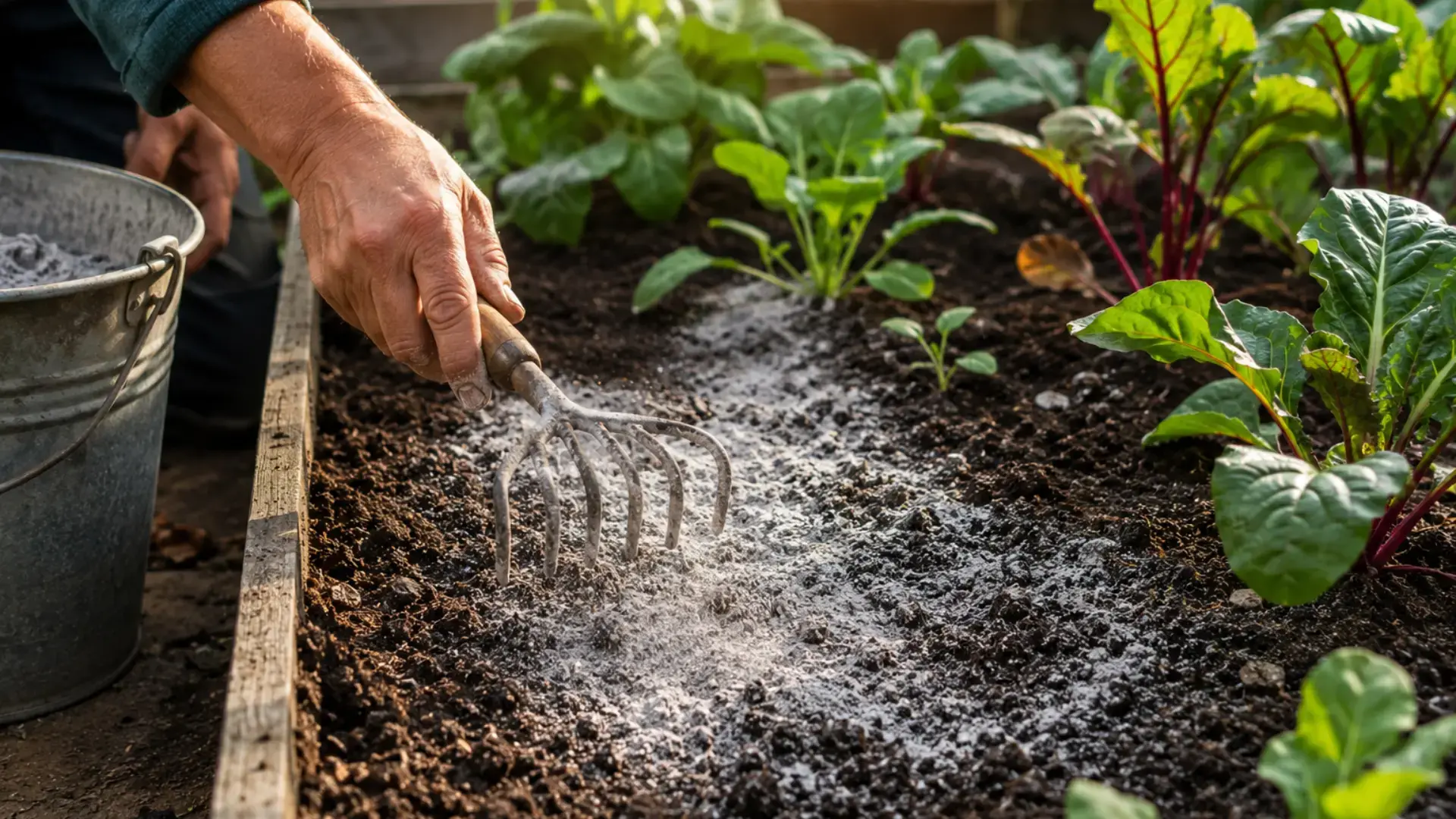
Wood ash from untreated timber contains potassium and calcium, both useful for plant growth. Sprinkle a thin layer over the soil surface, rake it in lightly, and always test your pH before applying.
It raises soil pH, which helps on acidic soils but causes problems on alkaline ones. Never use ash from treated wood, coal, or painted materials, as these contain chemicals harmful to soil and plants.
- Suitable crops: Brassicas, root vegetables, fruit trees, garlic
- Usage frequency: Once a year in small amounts, in autumn or early spring
15. Grow Green Manure Crops
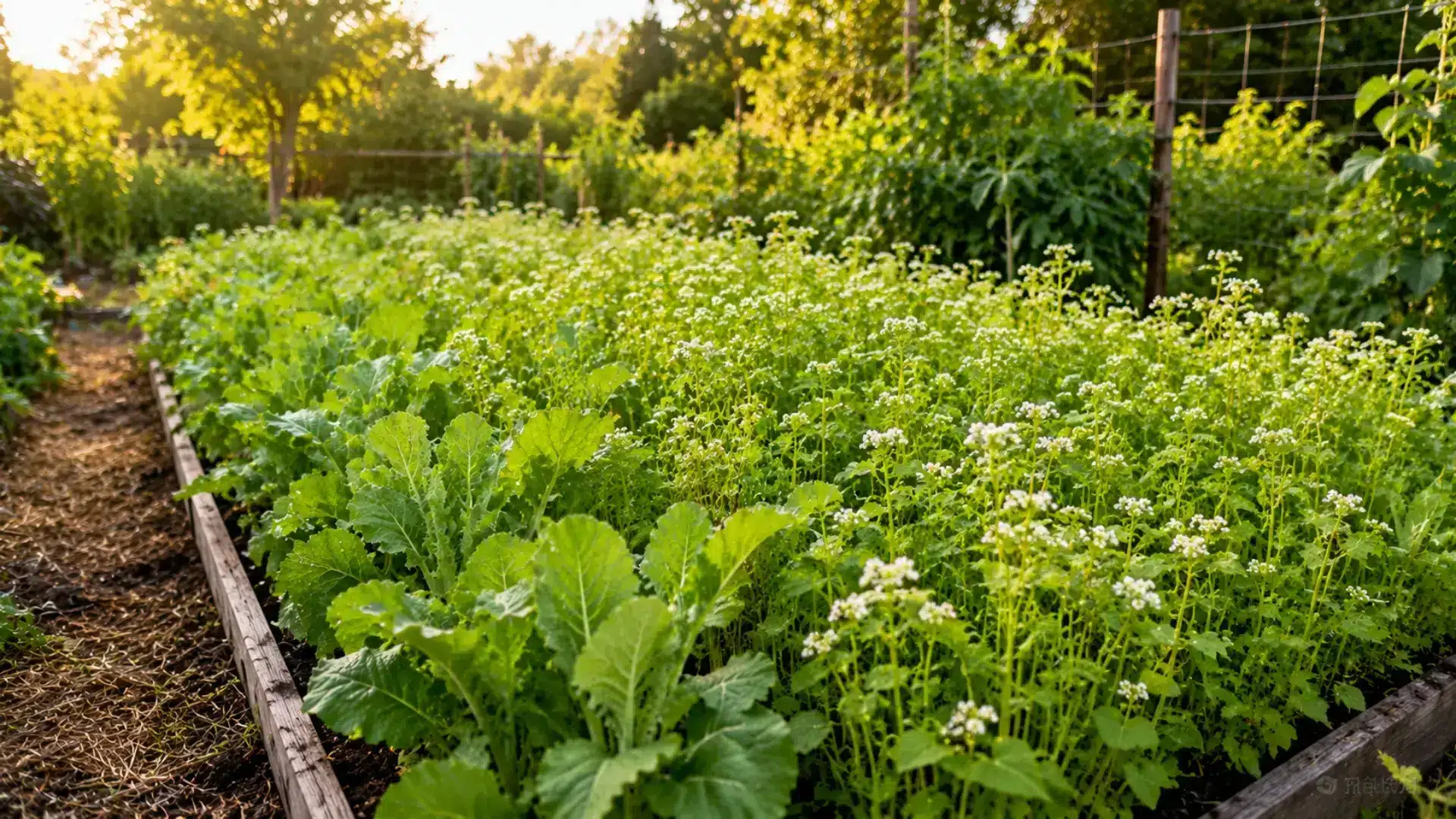
Green manure crops are fast-growing plants you sow on empty beds and then dig back into the soil while still green. Let them grow for a few weeks, then cut and incorporate them before they flower and set seed.
They add organic matter, improve structure, and, depending on the crop, can fix nitrogen too. Popular choices include mustard, phacelia, buckwheat, and fenugreek, all of which grow quickly and are easy to manage.
- Suitable crops: Precedes most vegetables, especially brassicas and leafy greens
- Usage frequency: Between growing seasons, two to three times a year if space allows
16. Reduce Excessive Tilling
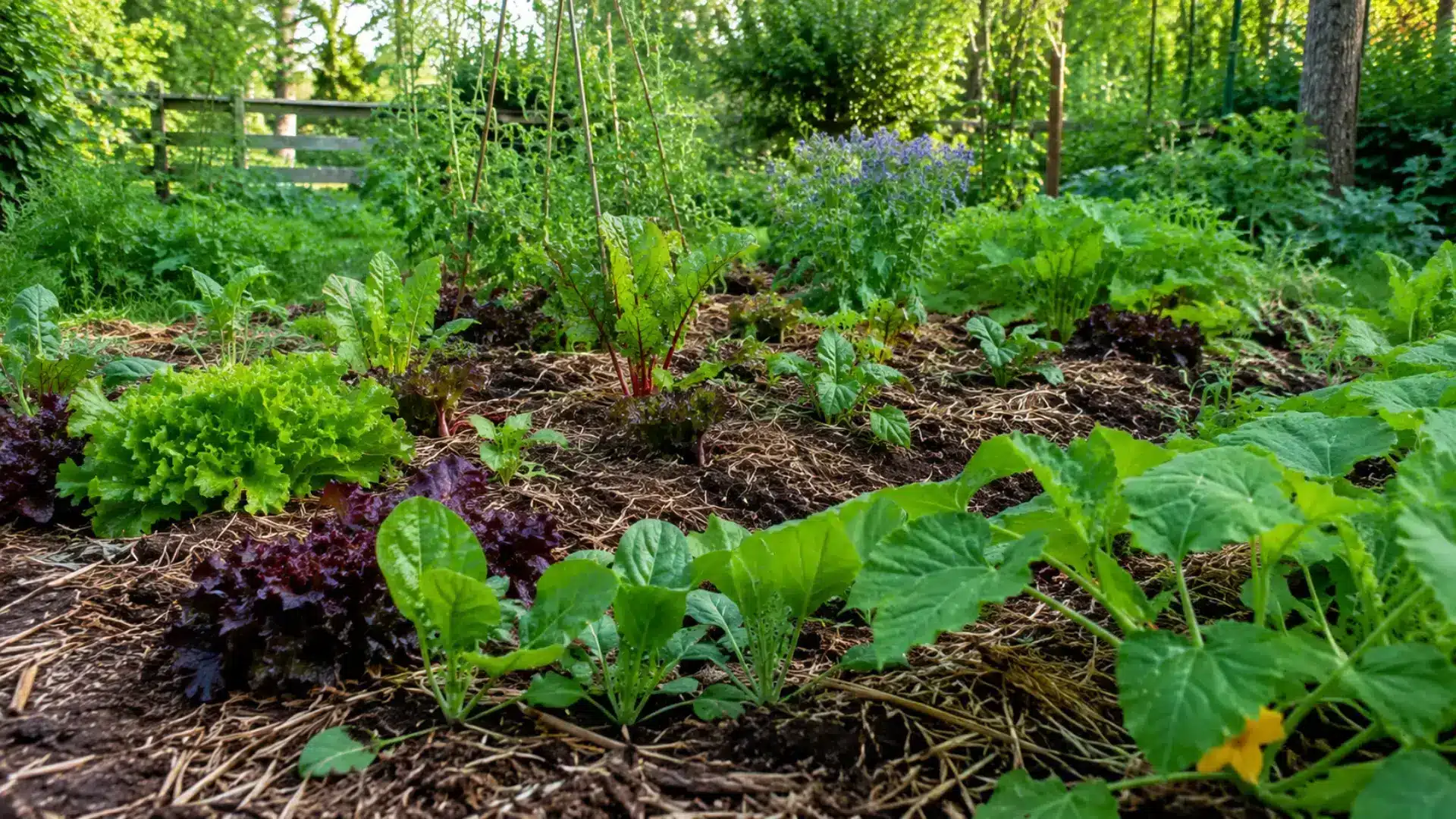
Every time you dig deeply and repeatedly, you break up the networks of fungi and microbes that hold fertile soil together.
Try layering compost on the surface instead of digging it in, and let worms and microbes do the work below.
Minimal tillage keeps soil life intact, reduces erosion, and helps organic matter build up steadily over time. The less you disturb the soil, the stronger and more self-sustaining it becomes.
- Suitable crops: All garden plants benefit from reduced soil disturbance
- Usage frequency: Limit deep tilling to once a year at most, ideally less
17. Keep Soil Covered Year-Round
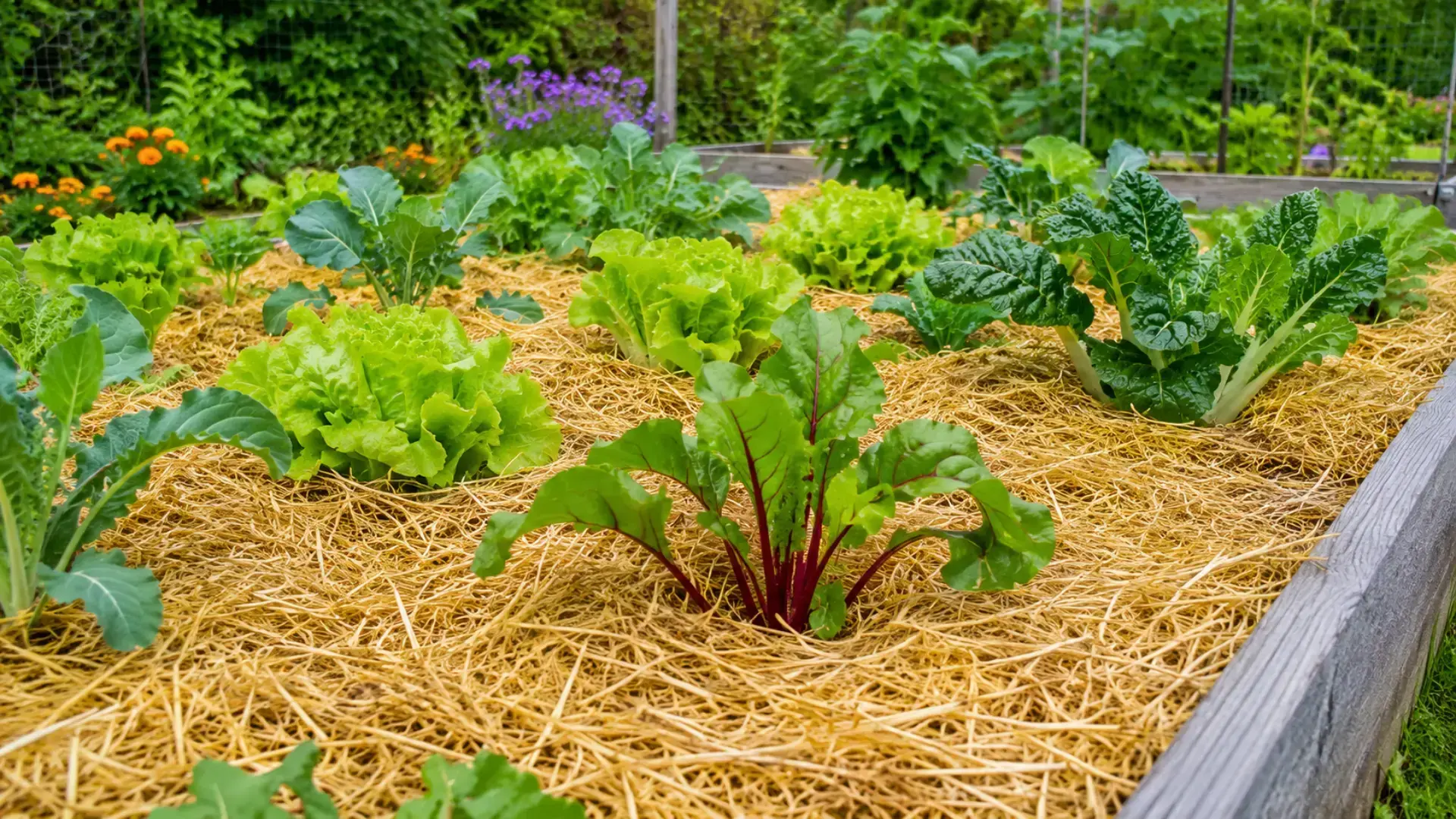
Bare soil loses moisture fast, erodes in rain, and bakes hard in summer heat. Cover empty beds with mulch, straw, shredded leaves, or a fast-growing ground cover plant to protect the surface.
Covered soil stays cooler in summer, warmer in winter, and holds moisture far more efficiently than bare ground.
Even a simple layer of straw over empty winter beds makes a noticeable difference when spring arrives.
- Suitable crops: All garden beds, including vegetable plots and ornamental borders
- Usage frequency: Maintain cover continuously, refreshing mulch as it breaks down
18. Add Fish Emulsion
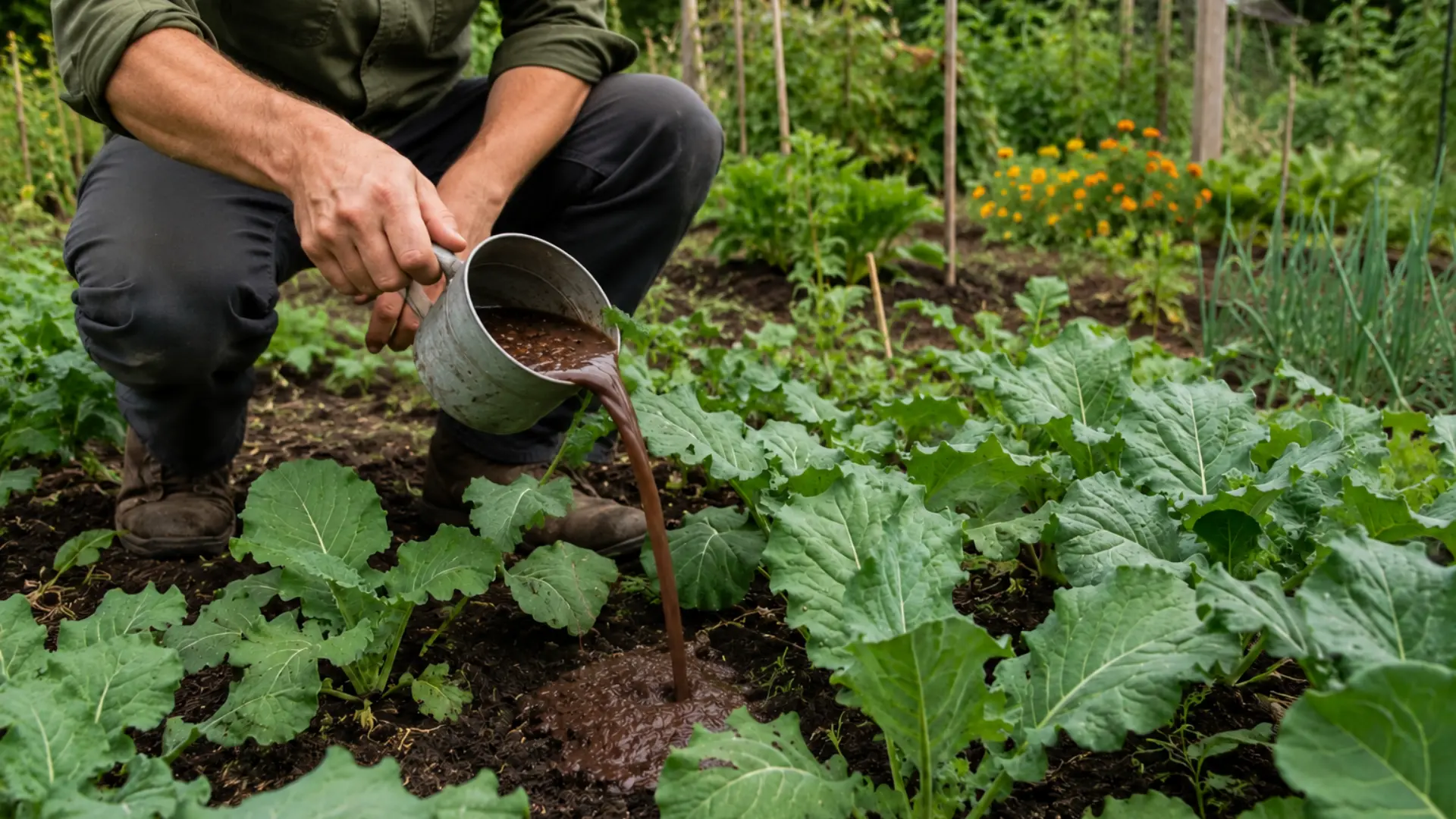
Fish emulsion is a liquid fertilizer made from processed fish waste and rich in nitrogen.
Dilute it with water according to the pack instructions and apply it directly to the soil around plant roots for a fast nutrient boost.
It has a strong smell that fades after a day or two, so outdoor use is best. Avoid overusing it as too much nitrogen pushes leafy growth at the expense of flowers and fruit.
- Suitable crops: Leafy greens, corn, brassicas, seedlings
- Usage frequency: Every two to three weeks during active growth
19. Correct Soil pH
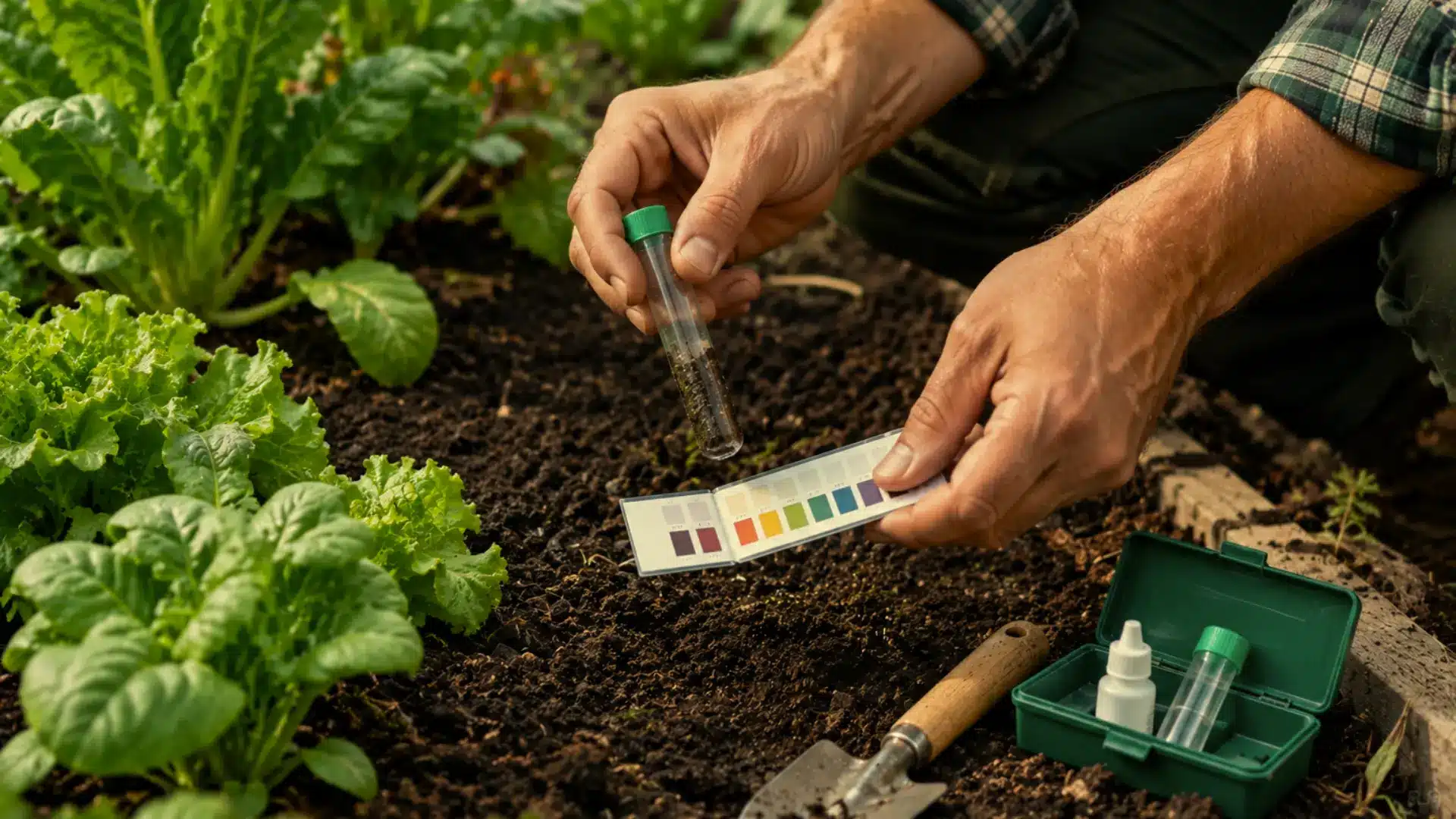
Soil pH controls how well plants can access the nutrients already present in the soil. Use a simple home test kit to find out where you stand, then adjust from there.
To raise pH on acidic soil, rake in garden lime. To lower it on alkaline soil, add sulfur or composted pine needles. Even fertile soil can leave plants starving if the pH is too far off the ideal range.
- Suitable crops: All crops, with specific targets for blueberries, brassicas, and root vegetables
- Usage frequency: Test annually, amend only when readings fall outside the ideal range
20. Use Kitchen Scraps for Composting
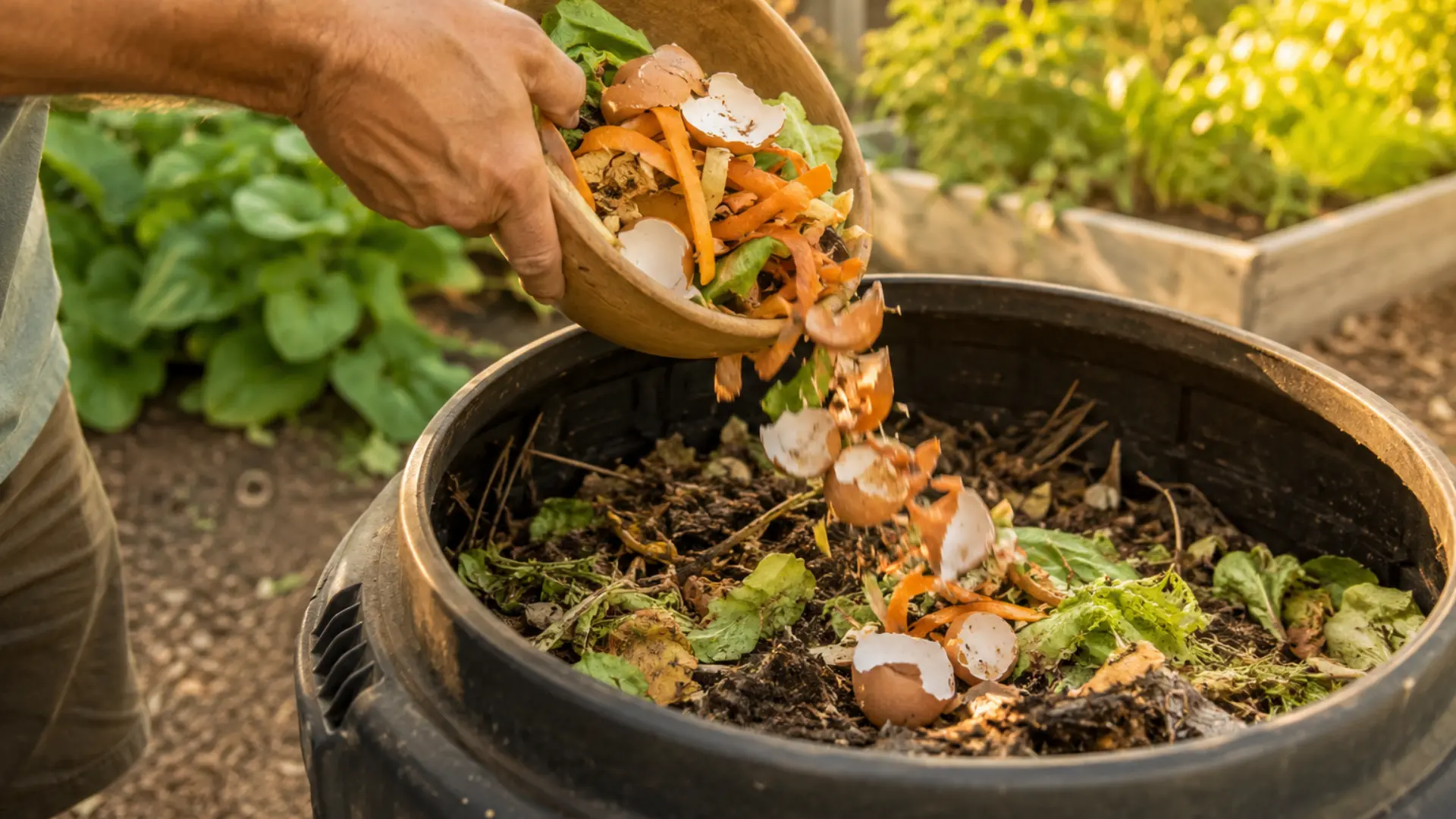
Most kitchen waste can be composted and returned to the soil instead of going to landfill.
Layer vegetable peelings, fruit scraps, coffee grounds, eggshells, and tea bags with dry garden material like shredded paper or dried leaves.
This balance keeps the compost from going slimy and speeds up the breakdown process. Avoid meat, dairy, and oily foods as these attract pests and slow everything down considerably.
- Suitable crops: All garden plants once scraps are fully composted
- Usage frequency: Add scraps continuously, use finished compost every three to six months
21. Add Rock Dust

Rock dust is finely ground volcanic or glacial rock that releases trace minerals slowly into the soil over time. Sprinkle it over beds and rake it in, or mix it into compost before applying to get more even distribution.
Modern soils are often stripped of minerals through repeated cropping, and rock dust helps restore that balance gradually.
It works best as a long-term complement to compost rather than a standalone quick fix.
- Suitable crops: Root vegetables, fruit trees, grains, and mineral-hungry crops
- Usage frequency: Once a year, or every two years for established beds
22. Build Raised Beds With Rich Soil Mixes
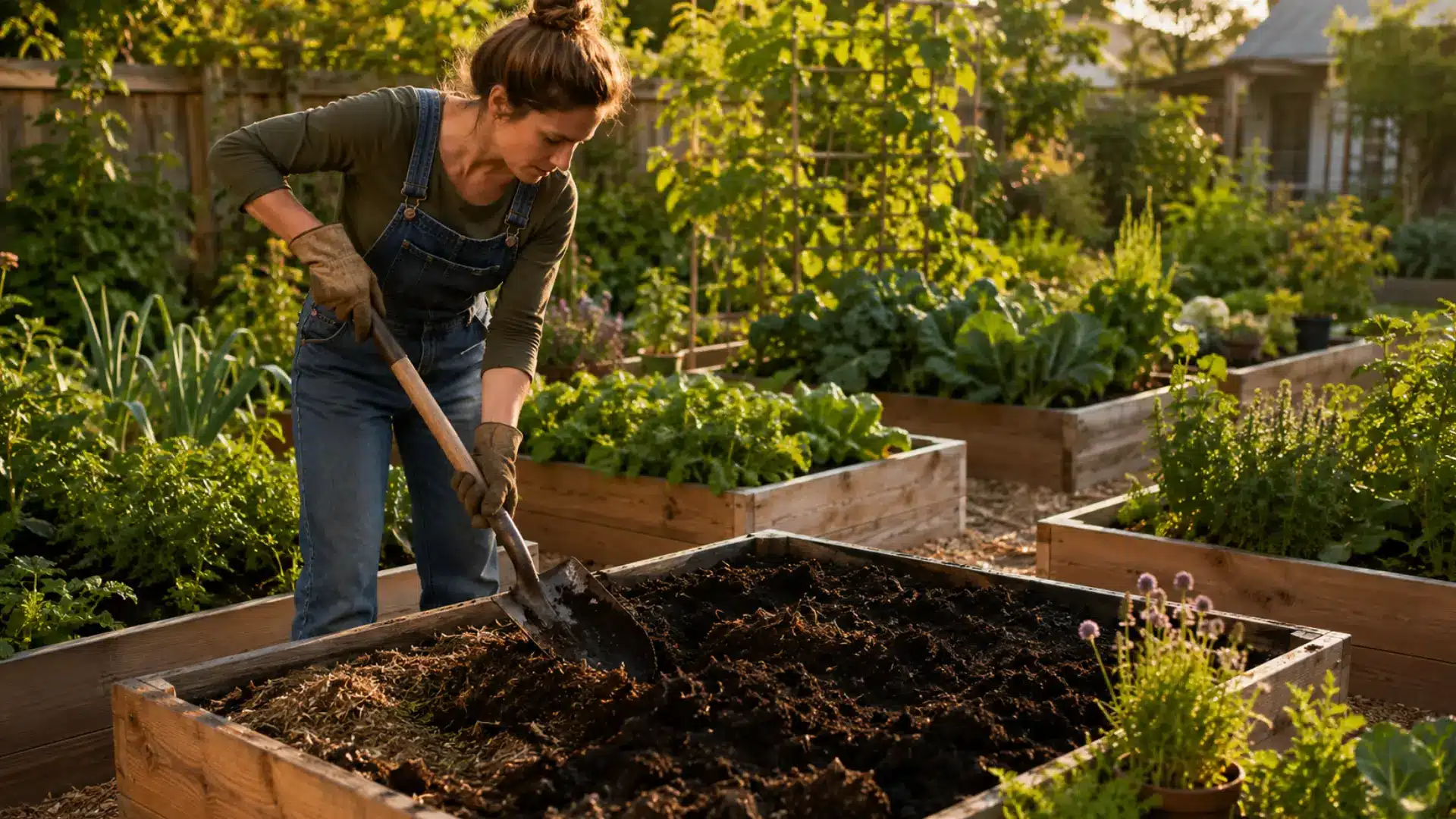
Raised beds let you build the perfect soil from scratch without being limited by what is underneath.
Fill them with a blend of topsoil, compost, and aged manure, then refresh with more compost each season to keep fertility high.
You control what goes in, so managing nutrients is far simpler than working with existing ground soil. Raised beds also warm up faster in spring, drain better, and are much easier to keep free of compaction.
- Suitable crops: Vegetables, salad crops, herbs, strawberries
- Usage frequency: Refresh with compost and organic matter every season
How Long Does It Take to Build Fertile Soil?
Building fertile soil is not something that happens overnight, and that is completely normal. Some changes show up fast, while others take years to fully develop.
Quick fixes like adding compost or fish emulsion can improve nutrient availability within days or weeks. You will notice better plant growth and stronger leaves fairly quickly after your first season of consistent effort.
Structural improvements take longer. Breaking up compaction, balancing pH, and building up organic matter can take one to three years of regular work.
The good news is that every small step adds up. Soil that gets consistent care each season becomes noticeably richer, looser, and more productive year after year.
Mistakes That Stop Your Soil From Getting Fertile
Even the most well-meaning gardeners make mistakes that quietly undo all their hard work. Knowing what to avoid is just as important as knowing what to add. Here are the most common soil mistakes to watch out for:
- Too much fertilizer: More is not always better. Excess fertilizer burns roots, kills soil microbes, and leaves behind salt buildup that makes soil worse over time.
- Ignoring soil pH: You can add all the compost in the world, but if your pH is off, plants still cannot absorb nutrients properly. Always test before you amend.
- Over-tilling: Digging too often destroys the fungi, microbes, and soil structure that took years to build. Disturb your soil as little as possible.
- Using fresh manure: Fresh manure burns plant roots and carries harmful bacteria that can contaminate food crops. Always use aged or composted manure instead.
- Leaving soil bare: Bare soil erodes, dries out, and loses fertility fast. Keep it covered with mulch or a cover crop whenever beds are not in use.
Avoiding these mistakes will save you a lot of time, money, and frustration in the long run. Small habit changes make a bigger difference to soil health than any single product ever will.
Frequently Asked Questions
Is Garden Soil the Same as Topsoil?
No. Garden soil is blended with organic matter for planting. Topsoil is just the upper layer of ground and varies widely in quality.
Does Watering Affect Soil Fertility?
Yes. Overwatering washes nutrients out of the soil. Underwatering slows microbial activity. Consistent, moderate watering keeps soil biology working properly.
Should I Fertilize in Winter?
Generally no. Most soil organisms slow down in cold weather. Adding fertilizer in winter leads to nutrient runoff rather than plant uptake.
Can Plants Grow in Soil without Organic Matter?
They can survive but rarely thrive. Organic matter feeds soil life, improves structure, and helps roots access water and nutrients more efficiently.
The Bottom Line
Fertile soil is not built in a day, but every small step you take adds up faster than you expect. The secret to how to make soil fertile comes down to consistency more than anything else.
Start with one or two changes this season. Add compost, cover your beds, or cut back on tilling. You do not need to do everything at once. Pick what works for your space and build from there.
Your plants will show you when the soil is improving. Better growth, stronger stems, and deeper roots are all signs you are on the right track.
Tell us in the comments which soil method made the biggest difference for you.