

The first time you pull a carrot out of your own soil, something clicks. It is not just about the vegetable; it is about realizing how easy it actually was.
Home growing is one of those things that sounds like a big project until you start, and then you wonder why you waited.
You do not need a large yard, expensive tools, or years of experience to grow real food at home. A sunny corner or a few containers is enough.
These vegetable garden ideas give you everything you need to grow more food at home, without the guesswork.
What to Look at Before You Start Planting
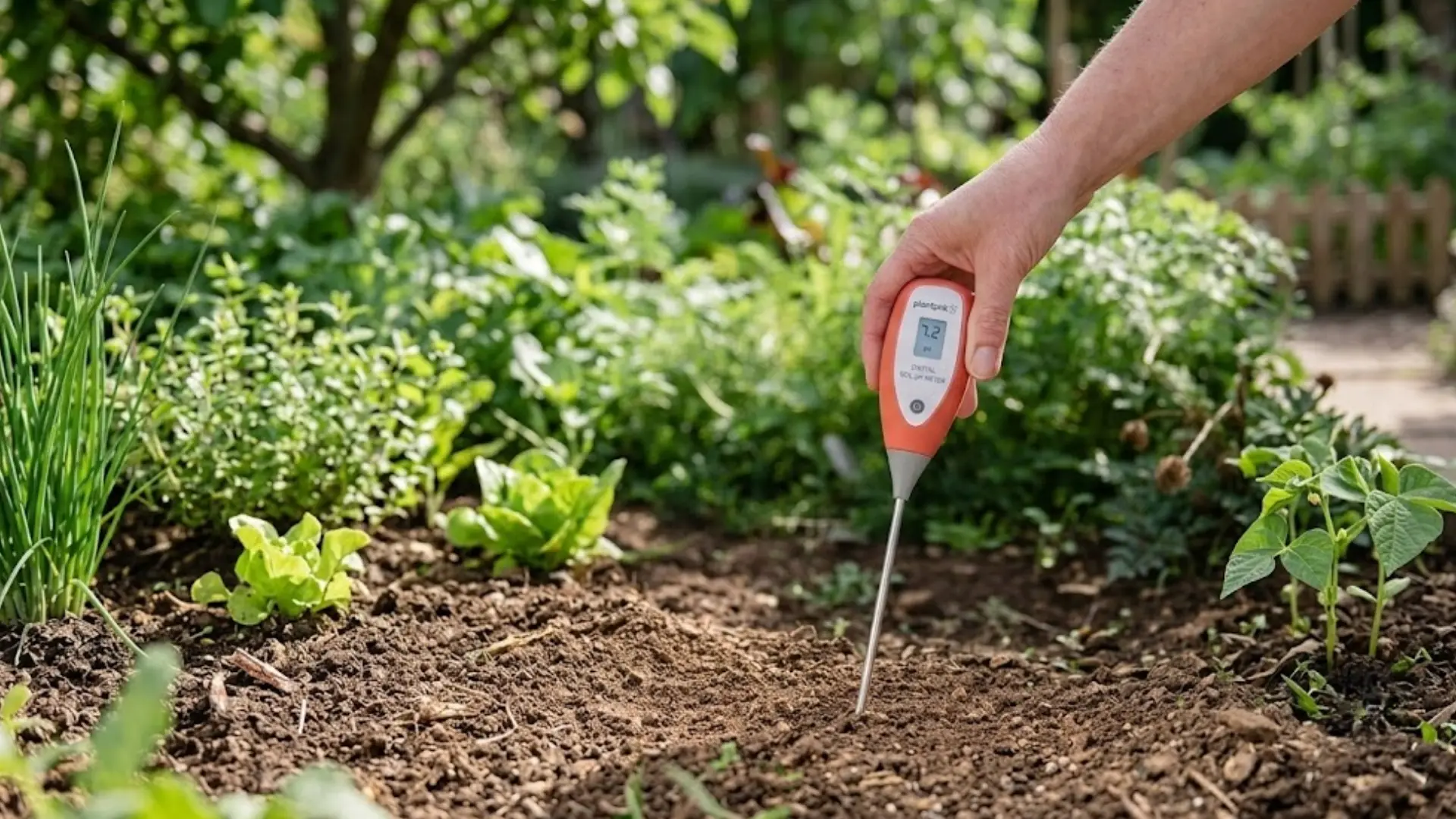
Before you plant anything, take a good look at your space. Walk around at different times of day and notice where the sun hits and where it does not. Check your soil by picking up a handful.
Sandy soil drains fast, clay holds water, and mixed soil sits somewhere in the middle. Think about your local weather too. Frost dates, dry spells, and hot summers all affect what will grow well.
Notice if your space gets a lot of wind, since some plants struggle without shelter. The more you understand your space first, the easier it becomes to choose plants that actually thrive there.
Small-Space and Container Vegetable Garden Ideas
Not every productive garden starts with a big plot of land. These ideas are built around making the most of whatever space you have.
1. Build a Raised Bed Garden

Raised beds give you full control over soil quality, drainage, and layout. Cedar and galvanized metal are popular material choices.
A standard 4×8-foot bed fits most yards and works well for tomatoes, peppers, and root vegetables.
They also warm up faster in spring, giving you a head start on the growing season. Beginners and experienced gardeners alike consistently rank raised beds as their preferred setup.
2. Try a Container Garden on Your Patio or Balcony

No yard? No problem. Containers let you grow tomatoes, lettuce, herbs, and peppers on any surface that gets sunlight.
Choose pots at least 12 inches deep for most vegetables, make sure they have drainage holes, and use a quality potting mix rather than garden soil.
Container gardens are also easy to rearrange as sunlight patterns shift across your space.
3. Go Vertical with a Trellis or Tower Garden

Growing upward is one of the smartest home vegetable garden ideas for tight spaces.
Cucumbers, pole beans, and peas climb naturally and produce heavily on vertical structures.
Use a simple wooden trellis, a cattle panel arch, or a freestanding tower planter to make the most of your vertical space without expanding your garden’s footprint.
4. Try Square Foot Gardening

Square foot gardening divides your bed into a grid, with each square dedicated to one crop based on its size.
This method eliminates guesswork, reduces waste, and maximizes yield per square foot.
It’s especially beginner-friendly and works beautifully inside a raised bed. Even a single 4×4 grid can produce a surprisingly varied and abundant harvest.
5. Grow a Straw Bale Garden

Straw bales work as self-contained growing containers, ideal for yards with poor or compacted soil.
Condition the bales for 10 to 14 days by watering and adding nitrogen fertilizer, then plant directly into the top.
Great for tomatoes, squash, and cucumbers with minimal ground prep required. It’s one of the lowest-barrier vegetable garden ideas available.
Creative and Themed Vegetable Garden Ideas
A vegetable garden doesn’t have to be rows of plants in a patch of dirt. These ideas bring intention, personality, and a bit of fun into the design.
6. Plant a Three Sisters Garden

The Three Sisters is an Indigenous companion planting method in which corn, beans, and squash are grown together.
Corn provides a climbing structure for beans, beans fix nitrogen in the soil, and squash shades the ground to retain moisture.
The three crops support each other in ways that make the whole garden more productive than growing any single crop alone.
7. Design a Pizza Garden

Grow everything needed for homemade pizza in one dedicated bed. Plant tomatoes, basil, oregano, garlic, and bell peppers together in a wheel or wedge layout.
It makes harvesting feel intentional and keeps related crops grouped together.
A great option for anyone wanting a vegetable garden with a clear purpose and something delicious at the end.
8. Create a Keyhole Garden

Keyhole gardens are circular raised beds with a narrow center path and a compost basket at the core.
Nutrients from the basket feed surrounding plants as you water.
The design is space-efficient, low-waste, and works especially well in dry climates where every bit of moisture and compost needs to stretch as far as possible across the bed.
9. Try Edible Landscaping
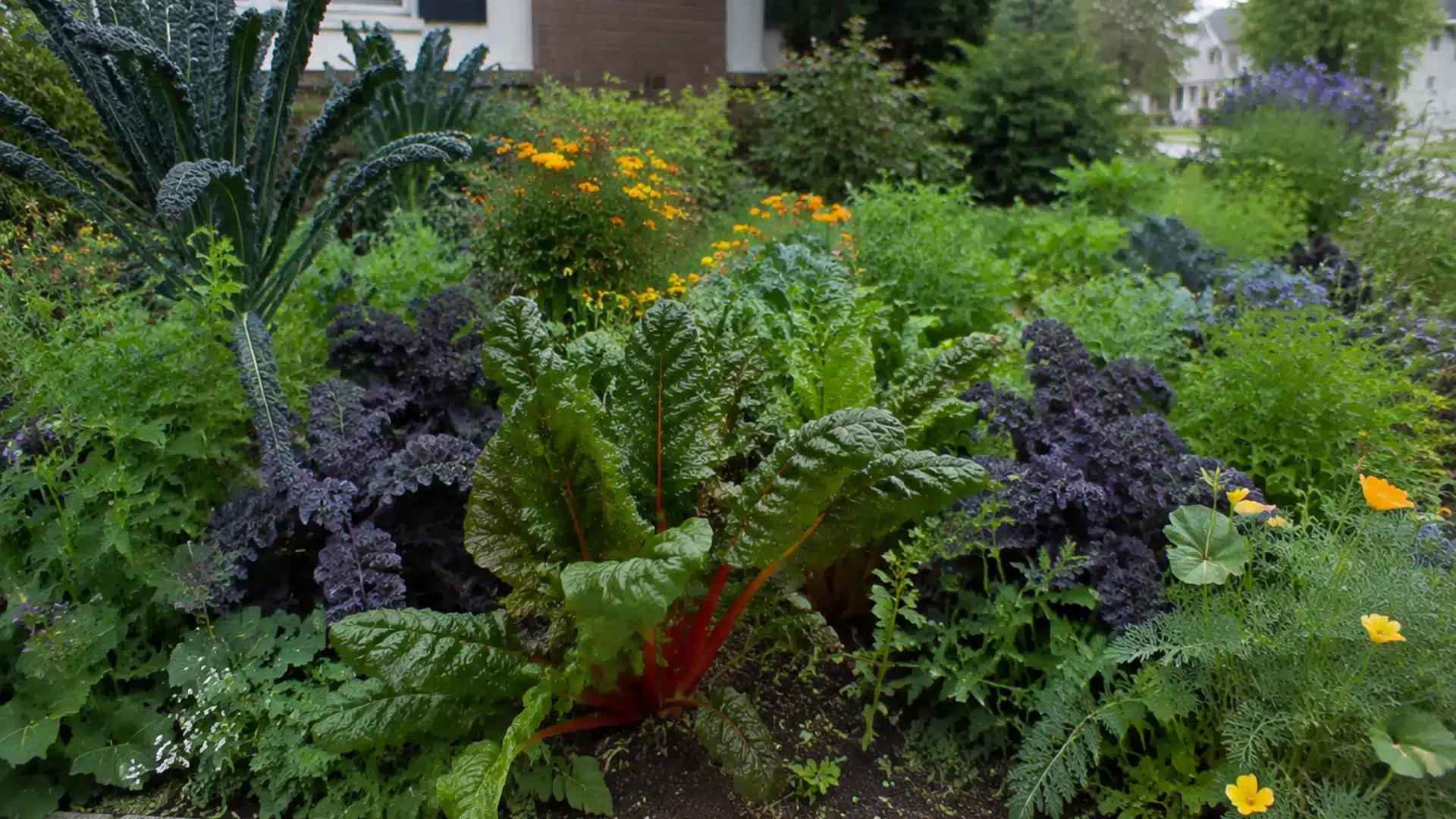
Edible landscaping blends vegetables into ornamental beds, making the garden look intentional rather than utilitarian.
Rainbow chard, purple kale, and climbing beans add color and texture alongside flowers.
It is one of the most underrated home vegetable garden ideas for homeowners who want their outdoor space to look good and produce food at the same time.
Productive Planning and Planting Strategies
Getting more out of your garden has less to do with how much space you have and more to do with how thoughtfully you use it. These ideas focus on the decisions that happen before and during the season.
10. Use Companion Planting Throughout Your Garden
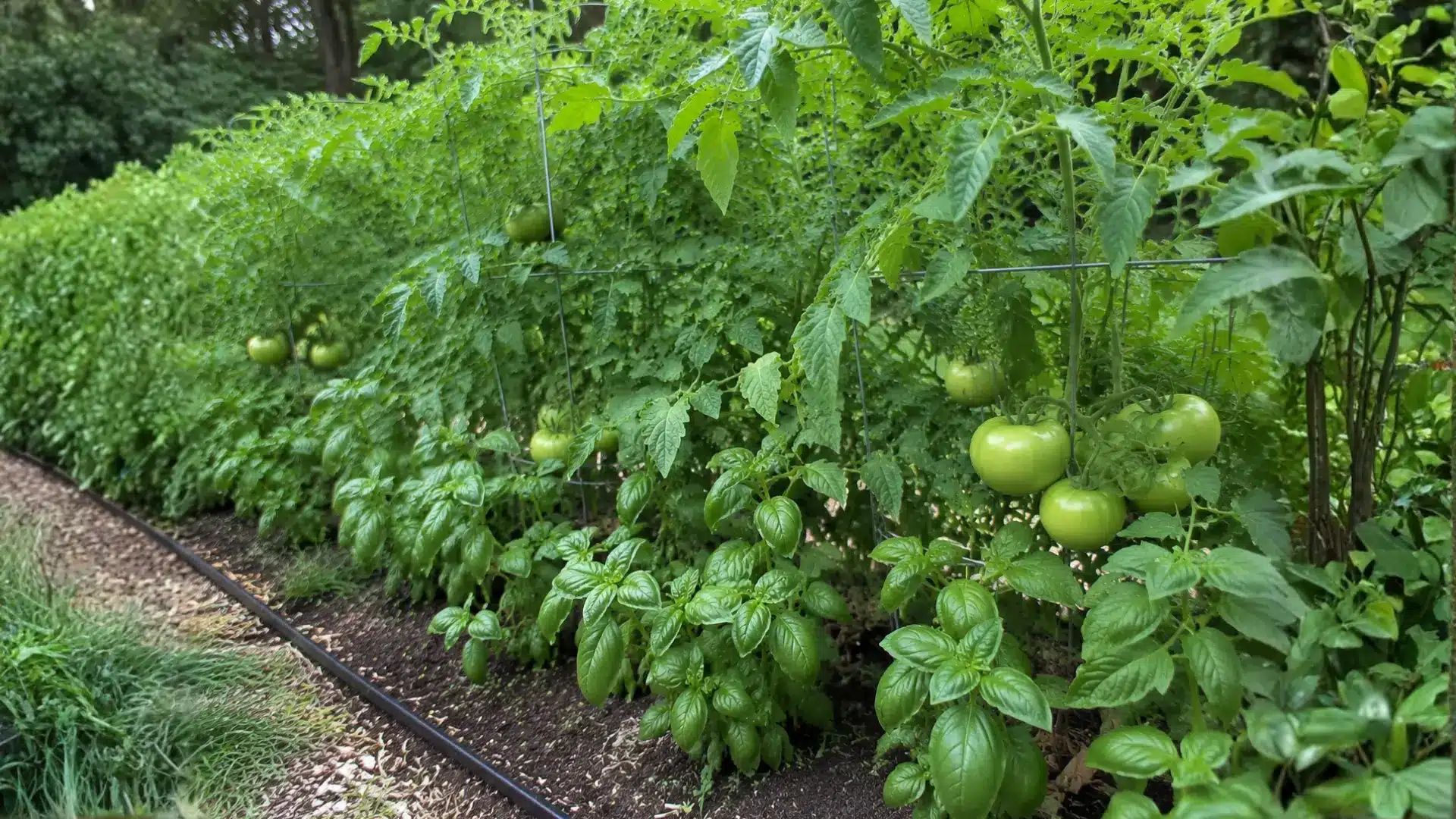
Strategic crop pairings deter pests and improve growth without chemicals.
Classic combinations include tomatoes with basil, carrots with onions, and nasturtiums planted along borders to draw aphids away from vegetables.
A little planning at planting time reduces many problems later in the season and keeps your vegetable garden healthier overall.
11. Plan for Succession Planting

Instead of sowing everything at once, stagger plantings every two to three weeks.
This keeps your harvest spread out over months rather than producing one overwhelming flush.
Successional planting works especially well for fast-growing crops like lettuce, radishes, spinach, and bush beans throughout the growing season.
12. Dedicate a Row to Perennial Vegetables

Perennials like asparagus, rhubarb, and artichokes come back every year with minimal replanting effort.
They require patience since asparagus takes two to three years to produce, but they reward you with reliable annual harvests.
Dedicate a permanent bed or border row so they are not disturbed during seasonal soil prep.
13. Add a Cold Frame to Extend Your Season

A cold frame acts as a mini greenhouse, letting you plant weeks earlier in spring and keep harvesting well into late fall.
Build a simple version using an old window frame and lumber, or buy a ready-made kit from a garden center. Leafy greens, spinach, kale, and root vegetables thrive in cold frame conditions.
It is one of the most practical home vegetable garden ideas for anyone who wants to stretch their growing season without investing in a full greenhouse.
14. Set Up Drip Irrigation or Soaker Hoses

Consistent moisture is one of the most important factors in vegetable production, and inconsistent watering is one of the most common reasons home gardens underperform.
A drip irrigation system or soaker hose delivers water directly to the root zone, reducing evaporation and preventing the leaf disease that overhead watering can cause.
Setup is straightforward and affordable, and it pairs especially well with raised beds. Once it is in place, your garden waters itself and you spend less time with a hose in your hand.
Low-Maintenance and Soil-Smart Garden Ideas
The best vegetable garden ideas are the ones you can actually keep up with. These approaches reduce the daily effort involved and let the garden do more of the work on its own.
15. Build a Hugelkultur Bed

Hugelkultur beds are constructed over a base of buried logs and woody debris, which decompose slowly and act as a moisture sponge beneath the soil.
Once established, they require far less watering and fertilizing than conventional beds.
The mounded shape also creates varied growing conditions for different crops along the slope, making it one of the more self-sufficient home vegetable garden ideas available.
16. Use Mulch Generously Across All Beds

Mulching is one of the simplest upgrades for any vegetable garden.
A two- to three-inch layer of straw, wood chips, or shredded leaves retains soil moisture, regulates temperature, suppresses weeds, and improves soil structure as it breaks down over time.
It significantly reduces watering frequency and is one of those small habits that make a measurable difference throughout the entire growing season.
17. Design Your Garden for Beauty as Well as Yield

A well-designed garden is easier to maintain and more enjoyable to spend time in.
Use pathways to define beds, vary plant heights for visual interest, and incorporate flowers like marigolds or zinnias alongside vegetables.
When your garden looks good, you are more likely to tend it consistently, and a consistently tended garden is always going to out-produce a neglected one.
Maintenance Tips for Healthy Growth
Keeping your garden healthy does not have to be complicated. A few simple habits done regularly make a big difference over time. Here are the basics to stay on top of:
- Water based on the plant, not the calendar. Check the soil first. If it feels dry an inch down, it is time to water.
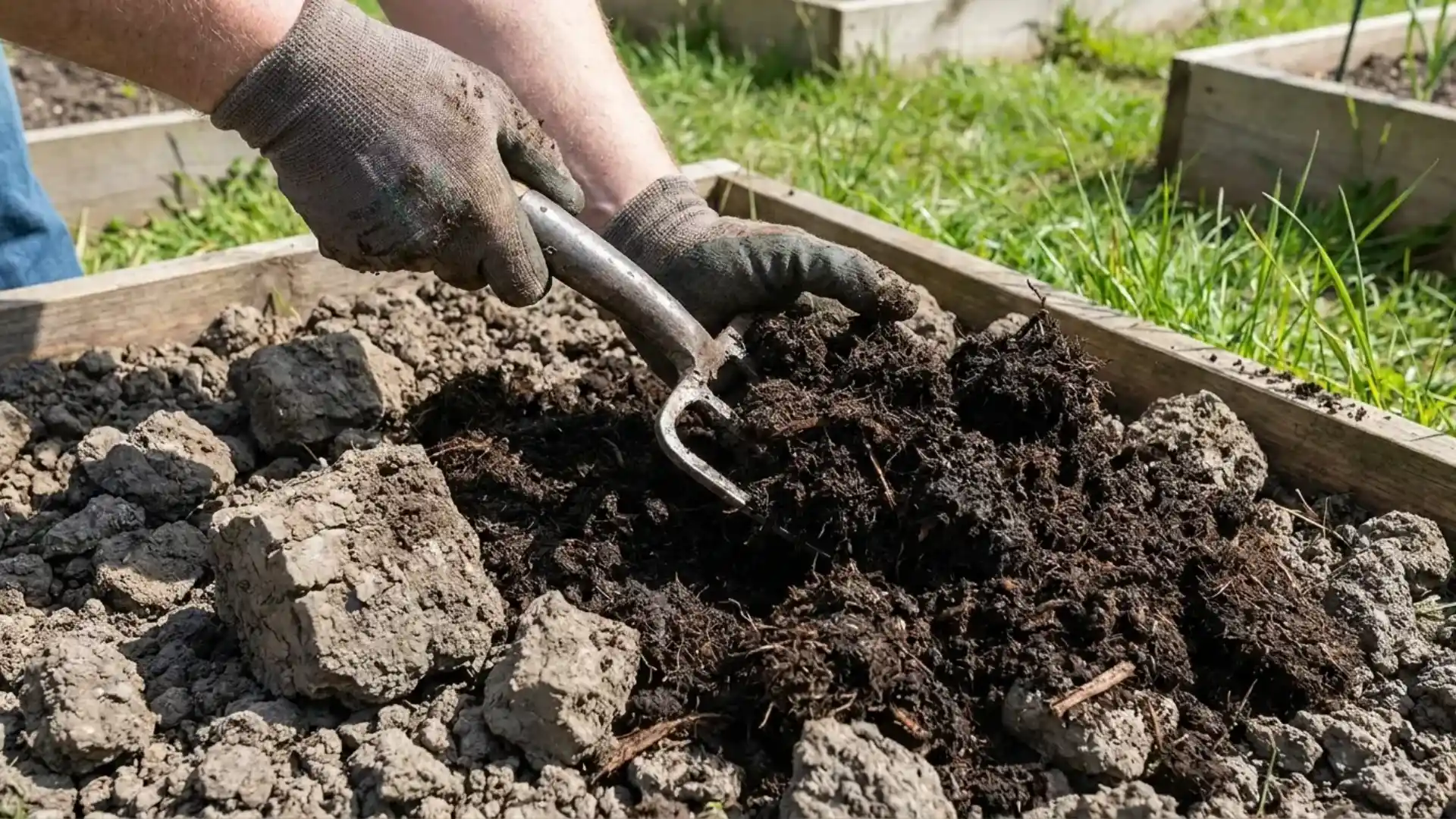
- Feed your soil once or twice a season. A layer of compost worked into the bed gives plants steady, reliable nutrition.
- Prune dead or damaged growth as soon as you see it. This keeps plants tidy and stops problems from spreading further.
- Pull weeds before they set seed. A few minutes of weeding each week saves hours of work later in the season.
- Clear out dead plant material at the end of each season. Old leaves and stems left behind can harbor pests and disease over winter.
These steps do not take much time once they become routine. A well-maintained garden stays healthier, looks better, and gives you far less to fix later.
Conclusion
A great vegetable garden is not built in a single afternoon, and it rarely looks the same from one season to the next.
The vegetable garden ideas in this list are meant to be mixed, adapted, and built on over time. Start with one or two that fit your space right now, and add more as you get comfortable.
Every gardener figures it out as they go, and that process is a big part of what makes it rewarding. Your best garden is always the next one.
Bookmark this page and come back to it each time you are ready to try something new.
Frequently Asked Questions
What Are the Best Vegetables to Grow for Beginners?
Tomatoes, lettuce, radishes, green beans, and zucchini are all reliable starting points. They are forgiving, fast to produce, and widely available as seeds or seedlings.
How Much Space Do I Need for a Home Vegetable Garden?
A 4×4-foot raised bed is enough to get started. Container gardens require even less, making it possible to grow vegetables on balconies and small patios.
Is It Better to Grow Vegetables in Raised Beds or in the Ground?
Raised beds offer better drainage, fewer weeds, and easier soil control. In-ground gardens cost less to set up but require more upfront soil preparation.
When Should I Start Planning My Vegetable Garden?
Late winter is the ideal time to start planning. It gives you enough lead time to order seeds, prep beds, and start seedlings indoors before the last frost.
How Often Do Vegetable Gardens Need to Be Watered?
Most vegetable gardens need one to two inches of water per week. Raised beds and containers dry out faster and typically require more frequent watering than in-ground gardens.