
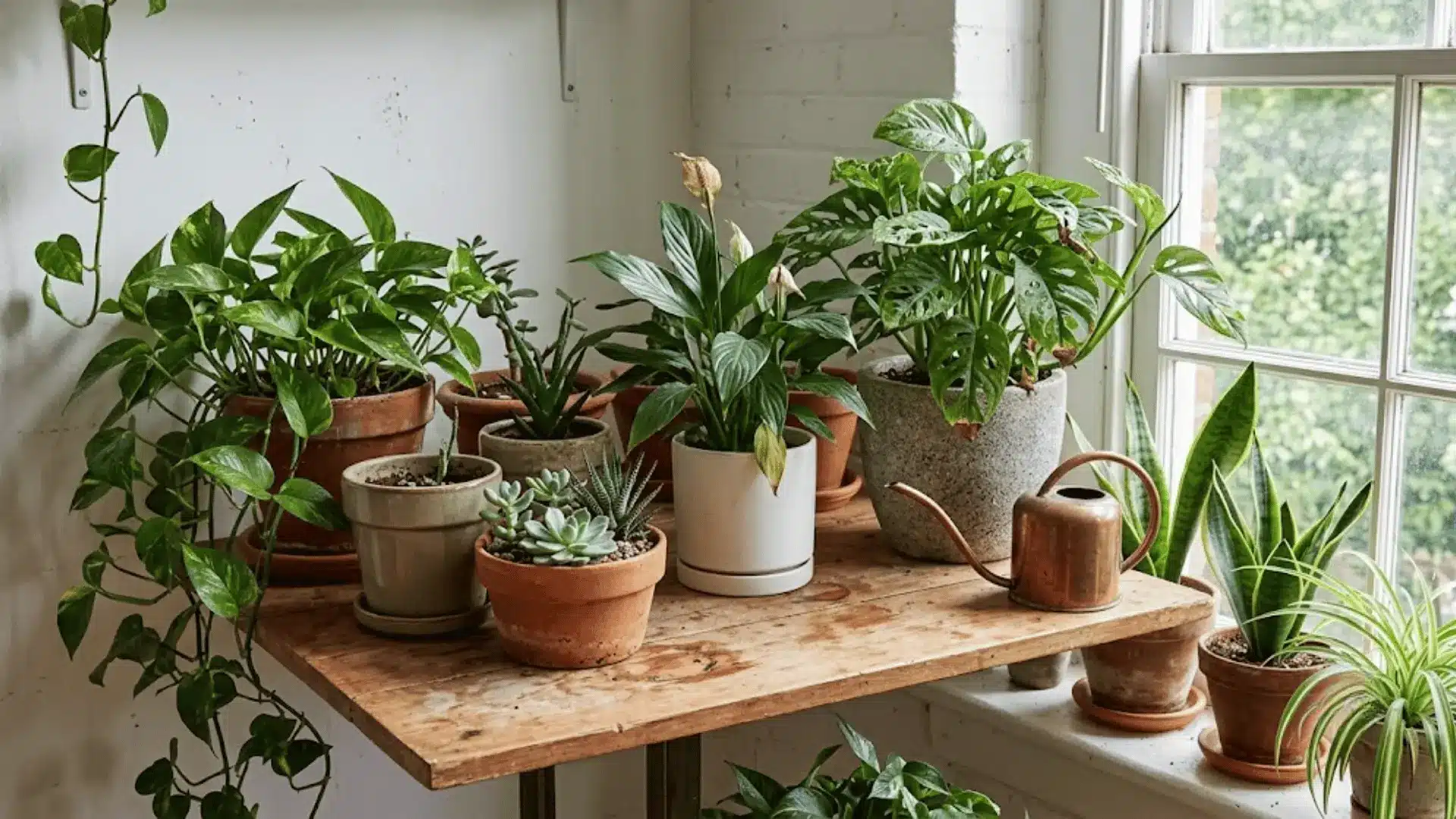
Keeping houseplants alive comes down to one thing more than anything else: water. Not the right pot, not the perfect windowsill, not even the fanciest soil mix.
How and when you water houseplants quietly determines whether they thrive or slowly decline.
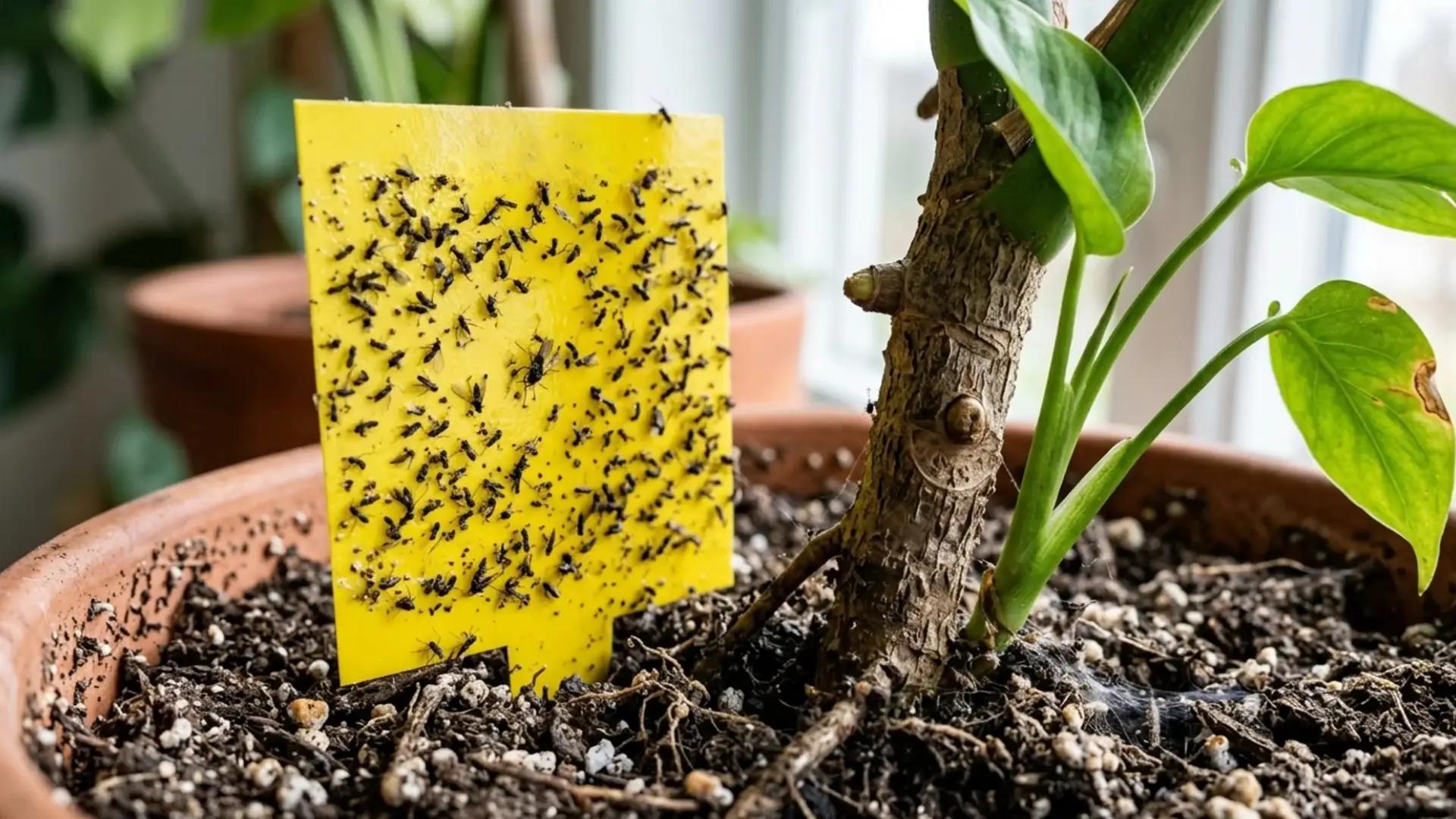
Underwater them, and they wilt; overwater them, and the roots suffocate before you even notice something is wrong. The tricky part is that every plant, pot, and home environment calls for something different.
Here, you will learn how to read your plants, time your watering, and build habits that actually stick.
Why Does Proper Watering Matter for Houseplants?
Water does far more than keep a plant from drying out. It carries nutrients from the soil to every part of the plant, powers photosynthesis, and keeps the root system healthy enough to sustain new growth.
Watch a well-watered plant long enough, and you start to notice the difference: the leaves hold their color, the stems stay upright, and new growth appears with a kind of quiet consistency that feels almost rewarding.
- Nutrient Transport: Minerals pulled from the soil travel through the roots and into the plant’s tissue only when there is enough water to carry them along.
- Photosynthesis Support: Without adequate water, a plant cannot produce the energy it needs to grow, flower, or maintain its foliage.
- Root Health: Consistent, appropriate moisture keeps roots firm and active; too much or too little causes them to either rot or dry out completely.
- Healthy Foliage: A well-watered plant holds its leaves upright, maintains rich color, and resists drooping or yellowing.
- Consistent Growth: Plants receiving the right amount of water put out new leaves and stems at a steady, visible pace.
- Root Rot and Leaf Drop: Overwatering cuts off oxygen to the roots, causing decay, while underwatering triggers the plant to shed leaves to conserve energy.
- Wilting and Stress: Both extremes cause wilting, though for different reasons, and repeated stress weakens the plant’s ability to recover over time.
Step-by-Step: How to Water Houseplants Correctly?
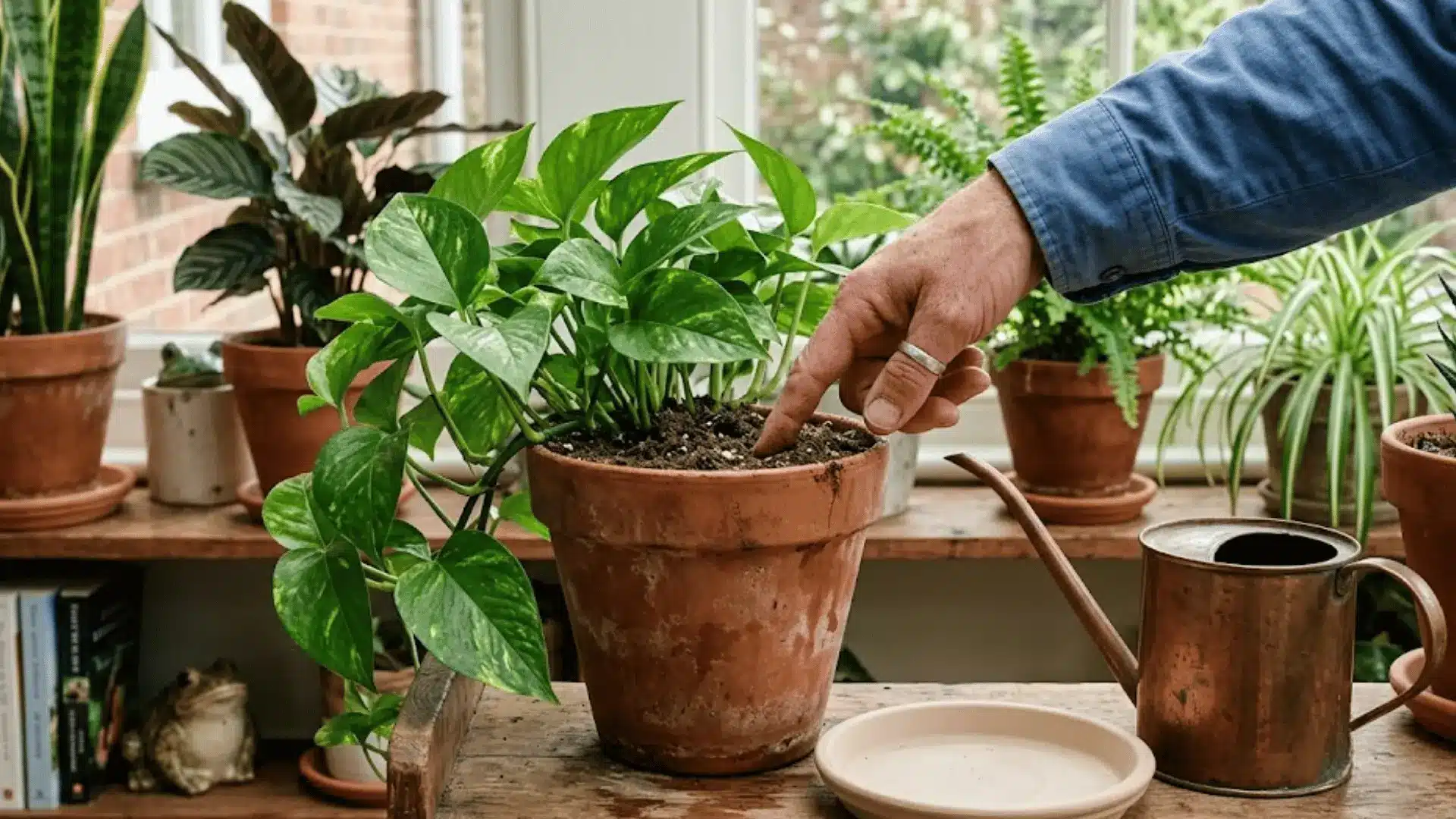
Watering correctly is less about frequency and more about technique. Follow a consistent process each time, and your plants will respond with steadier growth and fewer stress-related problems.
Step 1: Check Soil Moisture First
Skip the guesswork entirely and test the soil before reaching for the watering can. Push your finger about an inch into the soil; if it feels damp, hold off. If it feels dry, it is time to water.
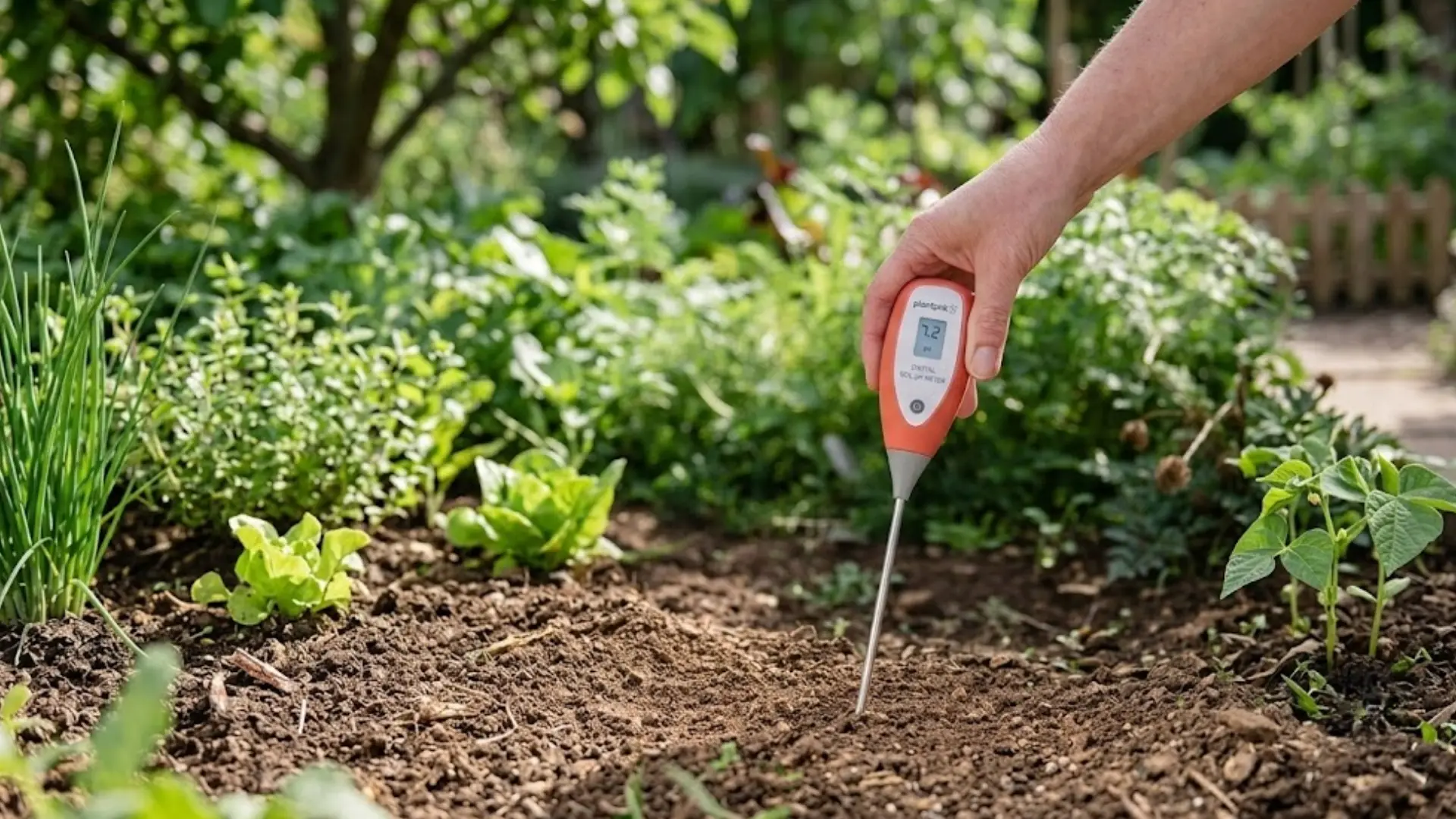
A moisture meter gives you a more precise reading, especially useful for larger pots where the surface can feel dry while the deeper soil still holds plenty of moisture.
Step 2: Water Thoroughly
When you do water, do it fully. Pour slowly and evenly across the soil surface until water begins to drain from the bottom of the pot. This ensures the entire root zone gets moistened, not just the top layer.
Shallow watering, where only the surface gets wet, trains roots to stay near the top rather than growing downward, which weakens the plant’s stability and drought tolerance over time.
Step 3: Empty Drainage Saucers
After watering, check the saucer sitting beneath your pot and empty it within an hour. Water pooling underneath creates a saturated environment around the base of the pot, and roots will begin drawing that standing water back up.
Over time, this leads to root rot, a condition that is difficult to reverse once it takes hold and is one of the most common causes of houseplant decline.
Step 4: Monitor and Adjust
Watering needs are not fixed. As seasons shift, so does the rate at which soil dries out; plants typically need less water in winter when growth slows and more during the active growing months of spring and summer.
Pay attention to how quickly the soil dries between waterings and adjust accordingly. A plant coming out of dormancy or pushing out new growth will signal its needs if you are checking in regularly.
How Often Should You Water Houseplants?
There is no single watering schedule that works for every plant in every home.
Frequency depends on a combination of factors that shift constantly, which is why learning to read your plant matters more than following a calendar.
Why Fixed Watering Schedules Can Be Problematic?
Watering on a set schedule, say every Sunday regardless of conditions, ignores everything that actually influences how quickly soil dries out.
A plant sitting near a sunny window in summer will need water far sooner than the same plant moved to a shaded corner in winter.
Rigid schedules lead to chronic overwatering or underwatering, both of which accumulate damage gradually and are often misread as other problems entirely.
Factors That Affect Watering Frequency
No two plants dry out at the same rate because no two growing conditions are identical. These are the variables worth paying attention to:
- Plant Species: Drought-tolerant plants like succulents hold water in their leaves and need far less frequent watering than moisture-loving varieties like ferns.
- Pot Size: Smaller pots dry out faster; larger pots retain moisture longer, especially if the plant has not yet grown roots throughout the full volume of soil.
- Soil Type: Loose, well-draining mixes dry out quickly, while dense or peat-heavy soils hold moisture for much longer.
- Humidity Levels: Homes with higher ambient humidity slow down the rate at which soil loses moisture to the air.
- Indoor Temperature: Warmer rooms speed up evaporation and increase how often a plant needs water.
- Sunlight Exposure: Plants in bright light photosynthesize faster and use water more quickly than those kept in low-light spots.
Use the table below as a starting reference, keeping in mind that your specific environment may shift these ranges in either direction.
| Plant Type | Watering Frequency | Water When | Avoid |
|---|---|---|---|
| Succulents | Every 2–4 weeks | Soil is fully dry | Watering on a fixed schedule |
| Snake Plants | Every 2–3 weeks | The top half of the soil is dry | Overwatering in winter |
| Pothos | Every 1–2 weeks | The top inch feels dry | Letting soil dry out completely |
| Peace Lilies | Weekly | The soil feels barely moist | Using cold tap water |
| Ferns | Every few days | The soil surface begins to dry | Inconsistent watering |
What Do You Use to Water Plants?
The tool you water with matters more than most people assume. The right one gives you control over how much water reaches the roots and how evenly it is distributed across the soil.
- Watering Cans: The most reliable option for indoor plants; a long, narrow spout lets you direct water precisely to the soil without wetting the leaves.
- Self-Watering Systems: Useful for frequent travelers or forgetful waterers, though they work best for moisture-loving plants and can overhydrate drought-tolerant varieties.
- Spray Bottles and Misters: Suited for misting humidity-loving foliage, but not a substitute for deep soil watering since they never deliver enough moisture to reach the roots.
- Watering Globes and Stakes: A reasonable solution for short absences, releasing water slowly into the soil, though they require monitoring to avoid waterlogging.
- Moisture Meters: Particularly helpful for beginners, taking the guesswork out of when to water by giving a direct reading of what is happening beneath the soil surface.
Matching your tool to your plant type and routine makes the whole process more consistent.
A watering can covers most indoor needs, but having a moisture meter alongside it is one of the simplest ways to water with confidence rather than guesswork.
Best Time to Water Flowers and Houseplants
Morning is the best time to water most plants, both indoors and out.
Watering early gives moisture time to reach the roots before the day warms up, and any water that lands on the leaves dries off naturally rather than sitting and inviting fungal growth.
Evening watering is the riskiest habit to build, especially for outdoor plants, since damp foliage overnight creates ideal conditions for mold and rot.
For indoor houseplants, timing is more forgiving, but morning still edges out other options.
Afternoon works in a pinch, though midday heat outdoors can cause rapid evaporation before water fully absorbs.
How to Tell If Your Houseplant Needs Water?
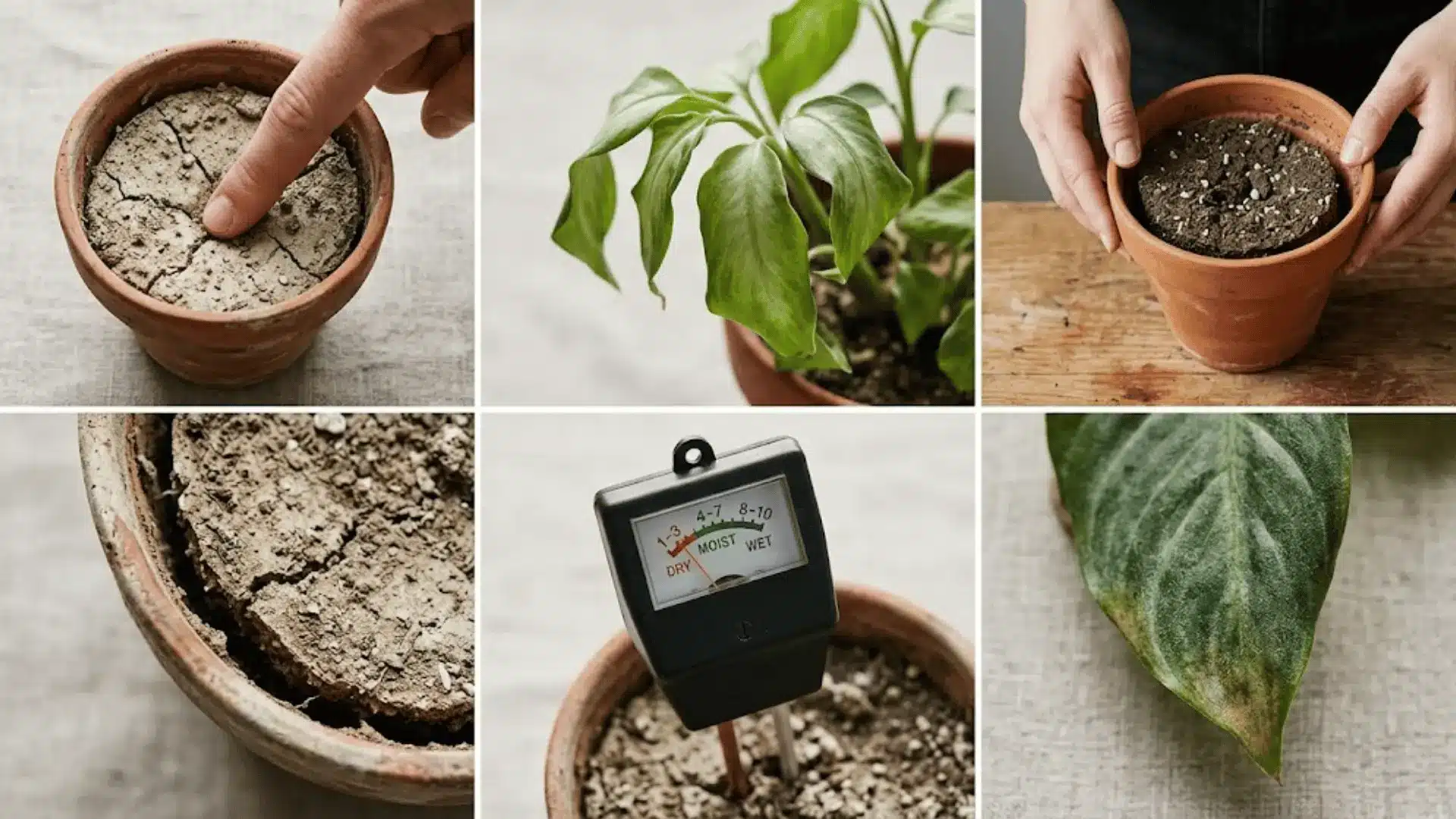
Plants communicate thirst in ways that are easy to read once you know what to look for. These are the most reliable signs to check before reaching for the watering can.
- Dry Soil: Push a finger an inch into the soil; if it feels dry and crumbly rather than cool and slightly damp, it is time to water.
- Drooping or Soft Leaves: Wilting that is not caused by overwatering usually points to a plant that has gone too long without moisture.
- Lightweight Pot: Lifting the pot and noticing it feels significantly lighter than usual is a reliable indicator that the soil has dried out through most of its depth.
- Soil Pulling Away From Edges: When soil shrinks and separates from the sides of the pot, it has dried out enough to need water fairly urgently.
- Moisture Meter Reading: A reading in the dry zone confirms what the other signs suggest, particularly useful for larger pots where surface dryness can be misleading.
Once you start combining these checks rather than relying on just one, knowing when to water becomes instinctive rather than uncertain.
How Do Seasonal Changes Affect Watering Needs?
Your watering routine should shift with the seasons just as your plants do. Growth rates, light levels, and indoor temperatures all change across the year, and your plants’ water needs follow suit.
- Spring: As days lengthen and temperatures rise, plants come out of dormancy and begin actively growing again; water more frequently and watch for new growth as your cue to increase moisture.
- Summer: The peak growing season means higher water demand across most houseplants; warmer indoor temperatures and stronger light speed up evaporation, so soil dries out faster than at any other time of year.
- Fall: Growth begins to slow as light levels drop; gradually reduce watering frequency and let the soil dry out a little more between sessions than you would in summer.
- Winter: Most houseplants enter a rest period and need significantly less water; overwatering in winter is one of the most common seasonal mistakes and a leading cause of root rot during the colder months.
Paying attention to how quickly your soil dries between waterings across each season is the most reliable way to stay in sync with what your plants actually need.
Seasonal awareness, more than any fixed schedule, keeps houseplants consistently healthy year-round.
Watering Different Types of Houseplants
Different plant families have genuinely different relationships with water, and treating them all the same is one of the easier mistakes to make.
This breakdown covers what each category actually needs.
| Plant Type | Watering Frequency | Soil Preference | Key Tip |
|---|---|---|---|
| Succulents and Cacti | Every 2–4 weeks | Fast-draining, gritty mix | Let the soil dry out completely between waterings |
| Tropical Plants | Every 1–2 weeks | Rich, well-draining mix | Mist leaves occasionally between waterings |
| Flowering Houseplants | Weekly or as soil dictates | Consistently moist, not soggy | Reduce watering once blooms begin to fade |
| Foliage Plants | Every 1–2 weeks | Moderately moist, well-aerated | Water at root level, not over the leaves |
| Humidity-Loving Plants | Every few days | Moisture-retentive mix | Group plants together to maintain ambient humidity |
How to Create a Watering Routine That Works?
A good watering routine is built around your plants’ actual behavior, not a predetermined schedule. Start simple, stay observant, and adjust as you go.
- Observe Before You Water: Check the soil, lift the pot, and look at the leaves before watering each time rather than going by the last date you watered.
- Keep a Plant Care Journal: Noting down when you watered and how the soil felt helps you spot patterns and fine-tune frequency over time.
- Use Moisture Sensors: Small and inexpensive, these take the guesswork out of soil readings and are especially useful when managing multiple plants at once.
- Adjust With the Seasons: Revisit your routine at the start of each season and recalibrate based on how quickly soil is drying out compared to the previous months.
The most effective watering routine is one you can actually maintain consistently. Simplicity and observation beat rigid schedules every time.
Bottom Watering vs. Top Watering
Both methods deliver water to your plant, but they do so differently and suit different situations. Knowing when to use each one makes a noticeable difference in root health and soil condition over time.
| Comparison | Bottom Watering | Top Watering |
|---|---|---|
| How It Works | Pot sits in water and absorbs moisture upward through the drainage holes | Water poured directly onto the soil surface and allowed to drain downward |
| Best For | Plants prone to crown rot; root-bound plants needing deep hydration | Most general houseplants; plants needing soil flushing |
| Key Benefit | Encourages deep root growth; keeps foliage and crown dry | Flushes out mineral and salt buildup from soil over time |
| Main Drawback | Takes longer; can lead to waterlogging if left to soak too long | Risk of wetting foliage; uneven absorption in compacted soil |
| Ideal Situations | African violets, succulents, seedlings | Pothos, ferns, tropical plants, most everyday houseplants |
The Closing Note
Knowing how to water houseplants well is less about perfection and more about paying attention.
The more time you spend with your plants, the more readable their signals become, and watering starts to feel less like a chore and more like a natural part of your routine.
Every plant is different, every home is different, and that is what makes the process worth learning properly.
Give your plants consistent care, and they will show you exactly what they need.
Which houseplant are you most unsure about watering? Drop your questions in the comments and let’s figure it out together.
Frequently Asked Questions (FAQs)
How Often Should Indoor Plants Be Watered?
Most indoor plants do well with watering every 1 to 2 weeks, though the actual frequency depends on plant type, pot size, and seasonal conditions. Checking soil moisture before watering is more reliable than following a fixed schedule.
What Do You Use to Water Plants?
A watering can with a narrow spout is the most practical tool for most indoor plants, offering controlled, directed flow. Moisture meters, self-watering systems, and misters each serve specific purposes depending on your plant type and routine.
Can Houseplants Recover From Overwatering?
Yes, if caught early. Moving the plant to a well-ventilated spot, letting the soil dry out fully, and trimming rotted roots gives most plants a good chance of recovery.
Should Water Come Out of the Drainage Holes?
Water draining from the bottom confirms that moisture has reached the full root zone and the soil has been watered thoroughly. Always empty the saucer afterward to prevent roots from sitting in standing water.