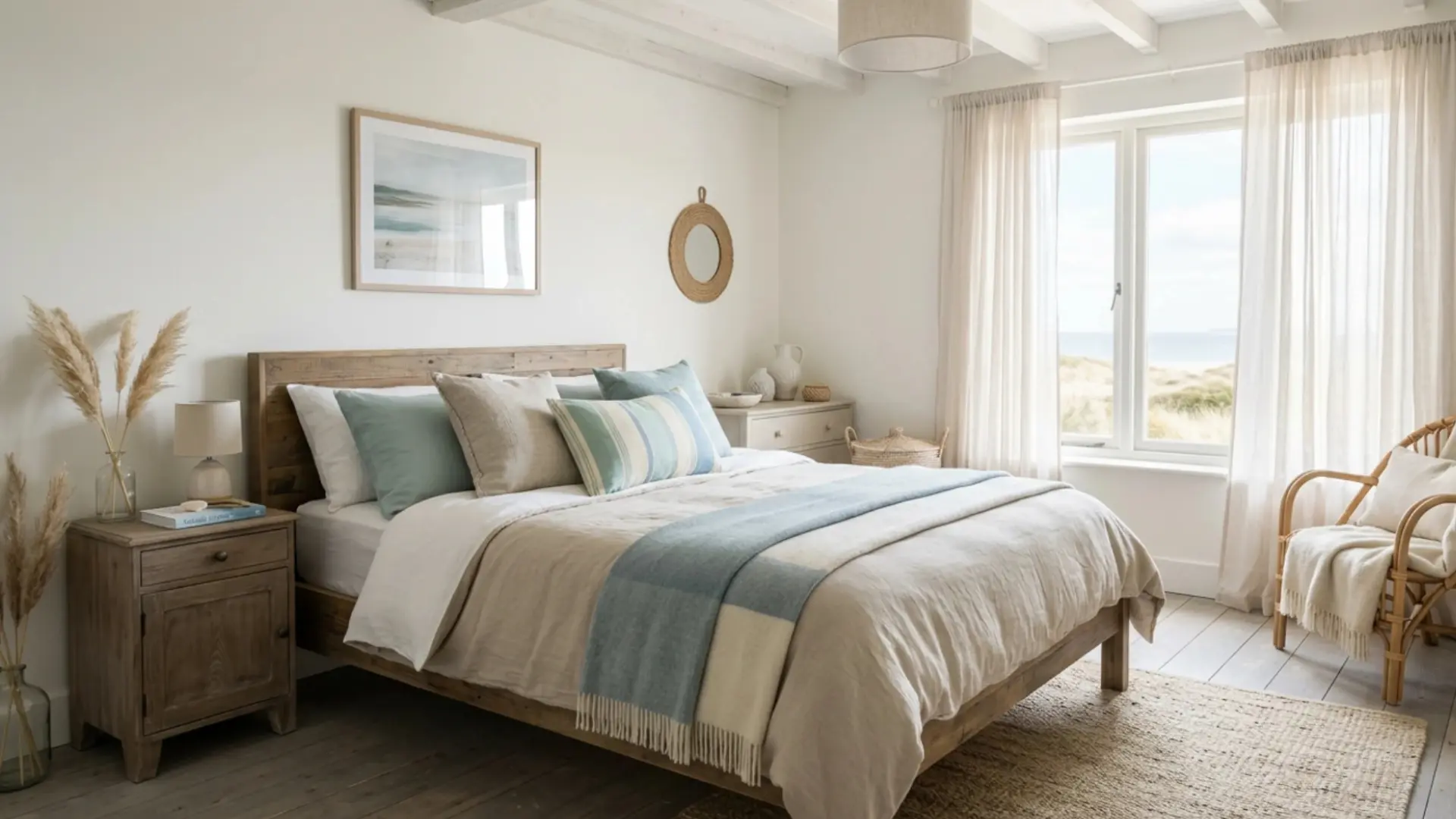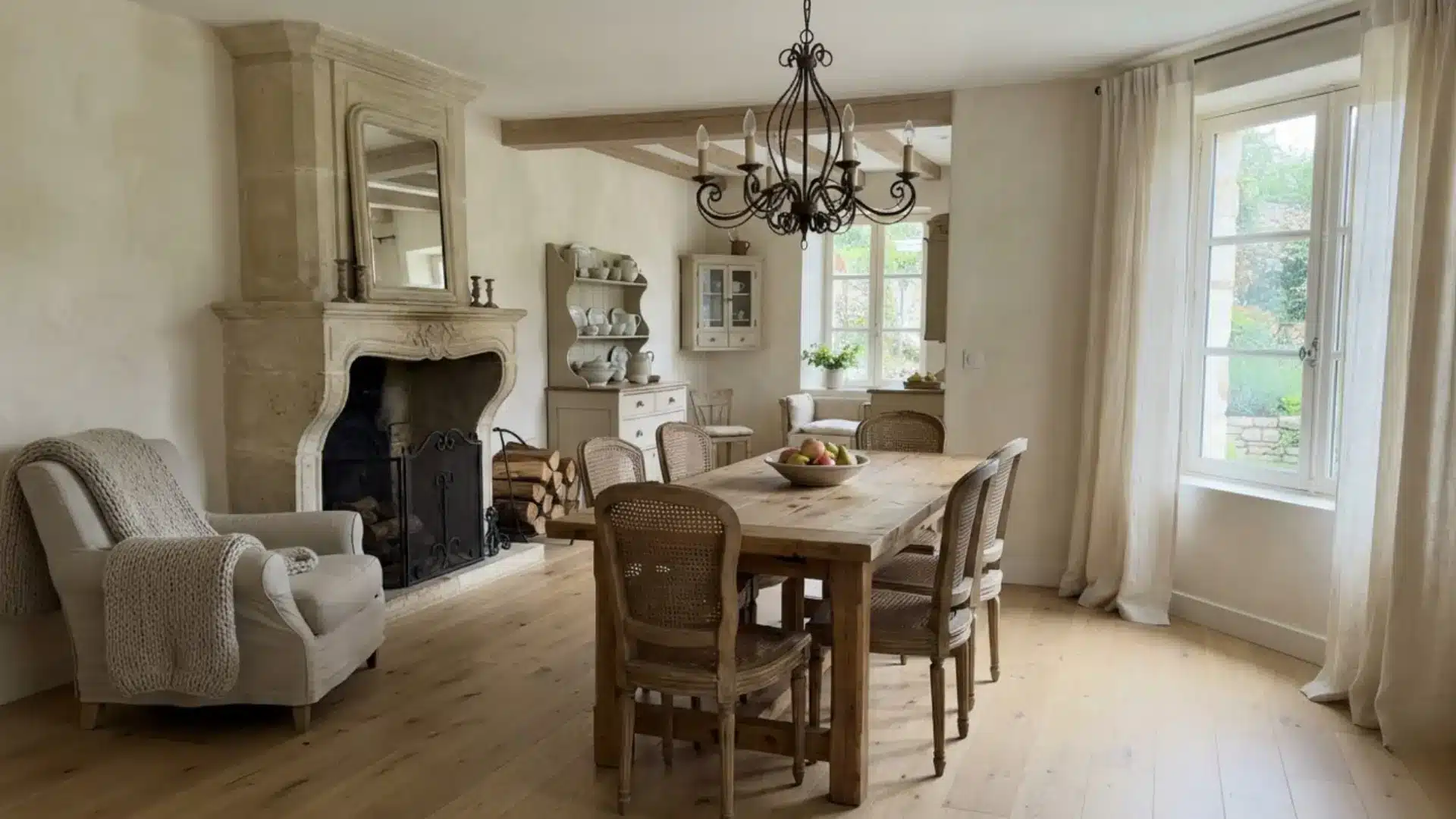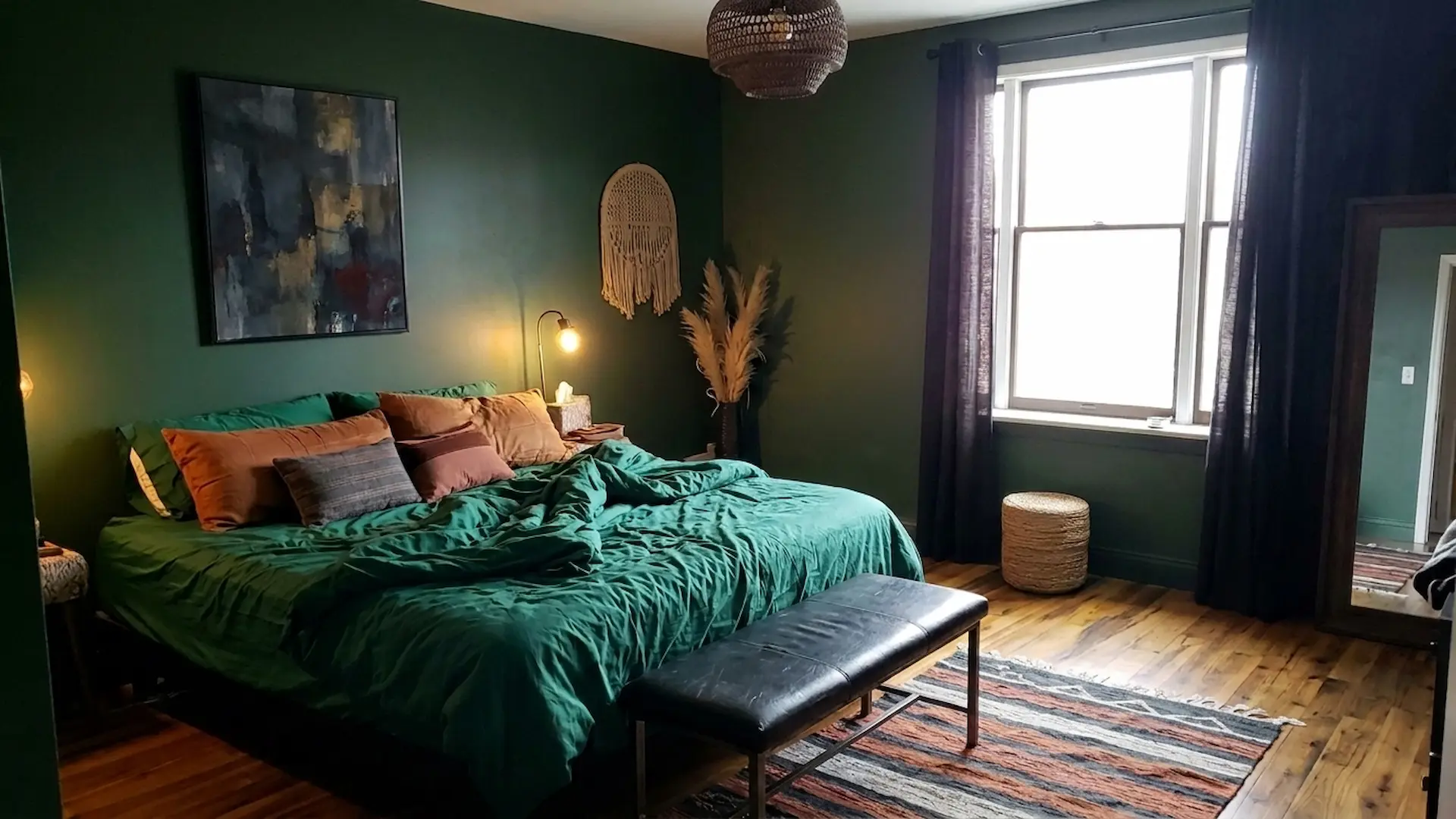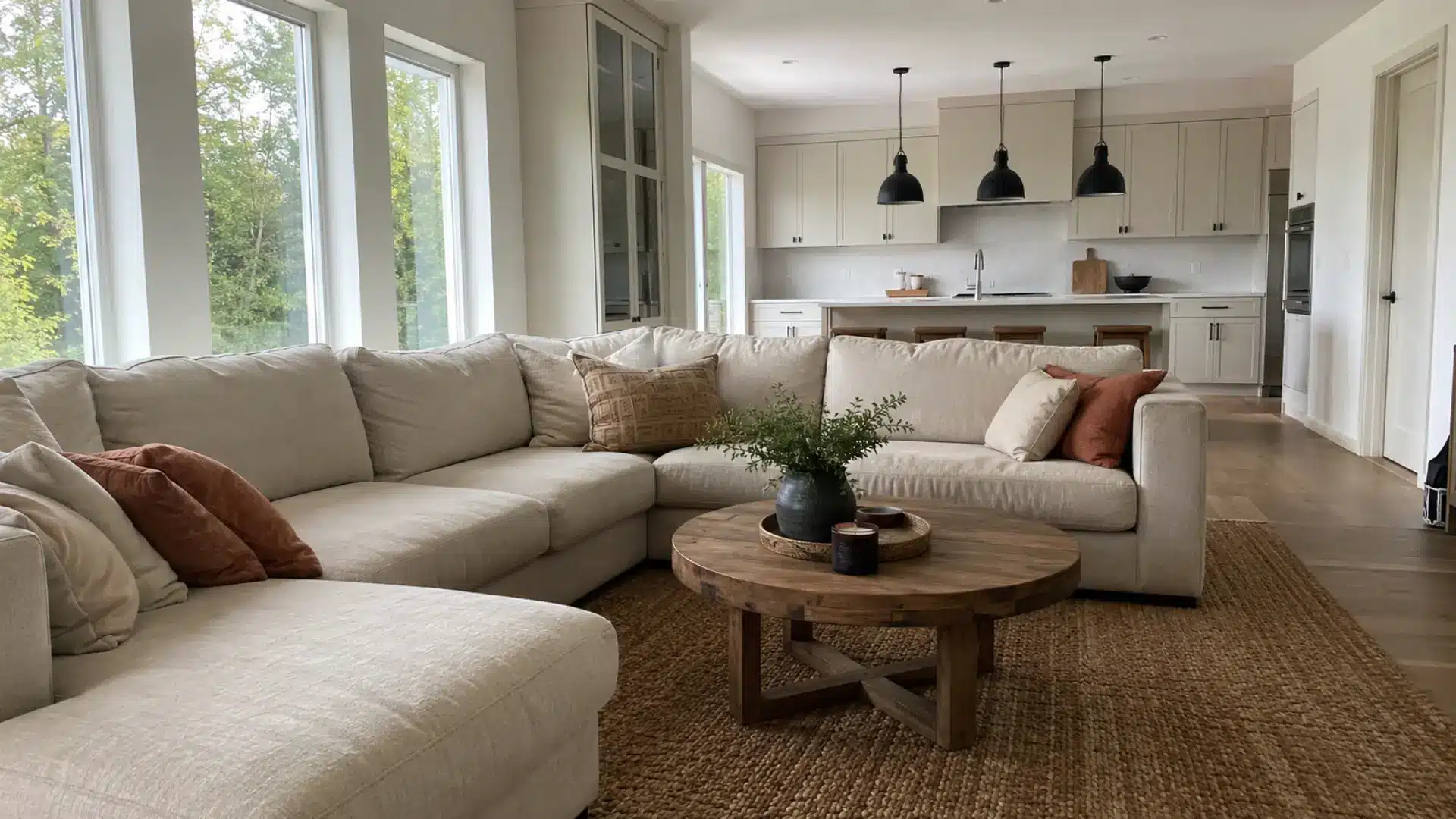

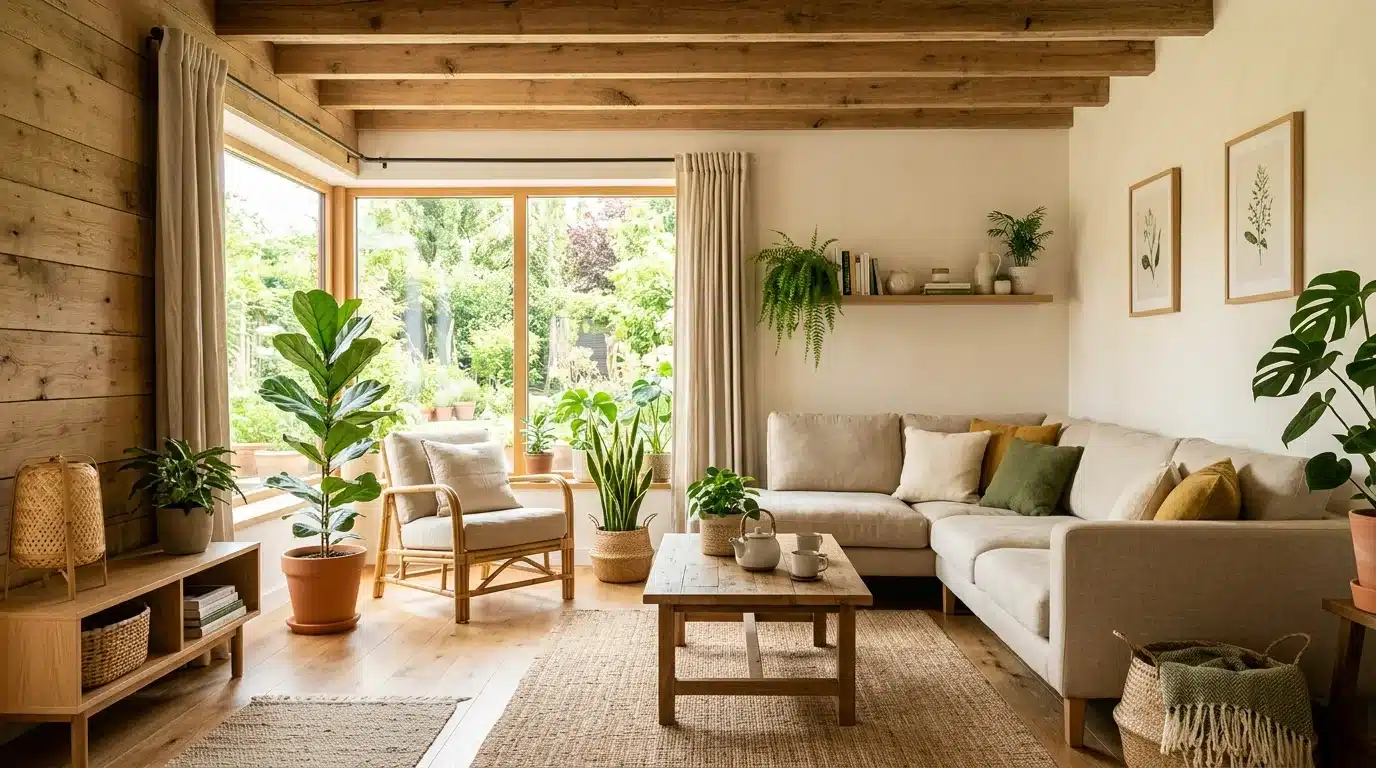
A room can look beautiful and still cost the planet more than it should.
Sustainable interior design blends smart material choices, honest layouts, and small daily habits into a system that respects the planet without sacrificing style. Bamboo replaces plastic. Cork replaces vinyl.
Old furniture gets a second life instead of a one-way trip to the curb.
Every decision, big or small, adds up over time. Bills shrink, air quality improves, and spaces feel calmer.
This isn’t a passing trend or niche hobby for eco-enthusiasts. It’s a smarter way to build people’s homes.
What is Sustainable Interior Design?
Sustainable design means building spaces that last, without draining resources or harming the planet.
It swaps synthetic materials for natural, renewable ones like bamboo, cork, and reclaimed wood.
Energy-efficient lighting cuts electricity use. Low-VOC paints keep indoor air clean and breathable. Furniture is selected for its durability rather than style trends, helping it last longer and stay out of landfills.
Water-saving fixtures and smart layouts also help minimize waste.
Every choice made in a room, big or small, ties back to one goal: less impact, more longevity.
This design shows how style and sustainability can coexist without conflict.
Core Principles of Sustainable Interior Design
Sustainable design rests on a handful of principles that guide every smart decision in a room.
- Resource efficiency: Use only what’s needed to reduce excess material and energy consumption.
- Circularity: Design pieces to be repaired, repurposed, or recycled instead of tossed out.
- Locally sourced materials: Reduce transport emissions by choosing suppliers close to home.
- Biophilic design: Bring nature indoors through natural light, plants, and organic textures to boost wellbeing.
- Longevity over trends: Prioritize timeless design that won’t need replacing every few years.
- Healthy indoor environments: Focus on air quality and non-toxic finishes for everyday comfort.
Which Materials are More Sustainable for Interior Design?
Materials vary in quality. Here’s a brief comparison of sustainable choices and their optimal applications.
| Material | Sustainability Trait | Best Used For |
|---|---|---|
| Hempcrete | Carbon-negative, breathable | Insulation, wall panels |
| Linoleum | Made from linseed oil, biodegradable | Kitchen and bathroom flooring |
| Wool carpeting | Renewable, naturally flame-resistant | Bedrooms, living areas |
| Terrazzo | Made from stone waste, highly durable | Countertops, floors |
| Rammed earth | Uses local soil, low energy to produce | Accent walls, foundations |
| Mycelium panels | Grown from fungi, compostable | Acoustic panels, decorative inserts |
| Clay plaster | Regulates humidity, non-toxic | Interior wall finishes |
| Straw bale | Excellent insulator, renewable crop | Wall construction |
| Recycled metal | Infinitely recyclable, sturdy | Fixtures, hardware, trim |
| Cotton batting insulation | Made from recycled denim, non-toxic | Wall and attic insulation |
How to Create a Sustainable Interior: A Practical Design Process
Turning a space sustainable doesn’t happen overnight. It takes a clear process, one step at a time.
1. Assess your space first: Look at what you already own and what condition it’s in.
Repurpose or refinish before buying anything new. This saves money and cuts unnecessary waste right away.
2. Set a materials budget: Decide upfront how much you’ll spend on eco-friendly options like bamboo or reclaimed wood. This keeps choices intentional instead of impulsive during the shopping process.
3. Source locally and secondhand: Check thrift stores, salvage yards, and local makers before ordering new furniture. Secondhand pieces often carry more character and cost far less.
4. Plan for natural light and airflow: Position furniture and window treatments to maximize daylight and ventilation. This reduces reliance on artificial lighting and cooling systems throughout the year.
5. Choose fixtures wisely: Install water-saving faucets and LED lighting during renovations.
These small swaps add up to real savings on utility bills over time.
6. Finish with non-toxic materials: Select low-VOC paints, natural fiber rugs, and untreated wood finishes.
Your indoor air stays cleaner, and your space stays healthier long after installation
Design Strategies: Sustainable Interior Design Examples
Sustainable design isn’t abstract; it shows up in real rooms through real choices. Here are examples worth trying.
1. Reclaimed Wood Accent Walls
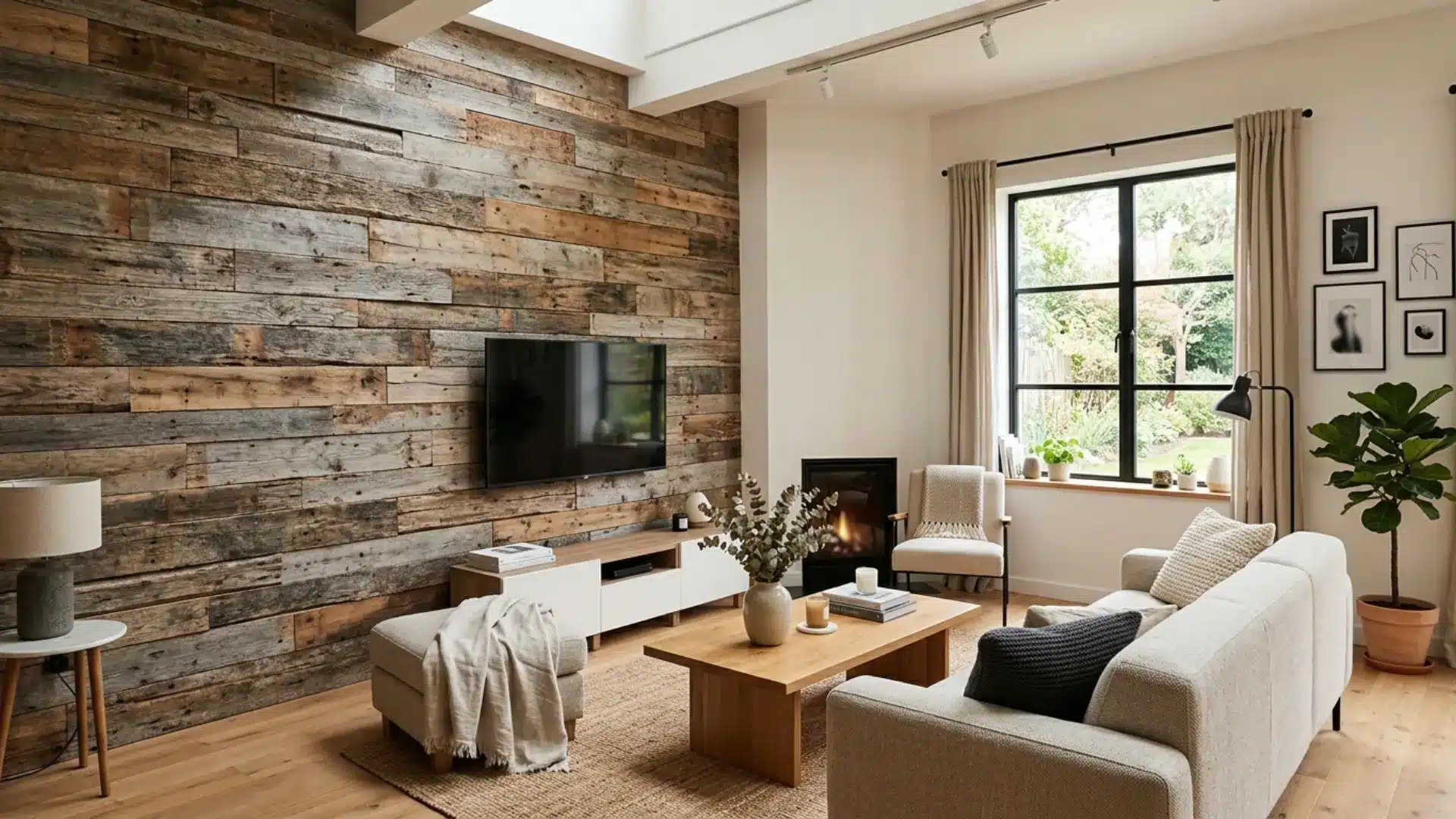
Old barn wood or salvaged planks turn into striking accent walls.
Each piece carries its own grain and history, giving rooms character no factory finish can copy. Reclaiming wood keeps trees standing and diverts material from landfills. Installation costs vary, but the visual payoff is huge.
Pair reclaimed wood with neutral walls to let the texture stand out fully.
2. Cork Flooring
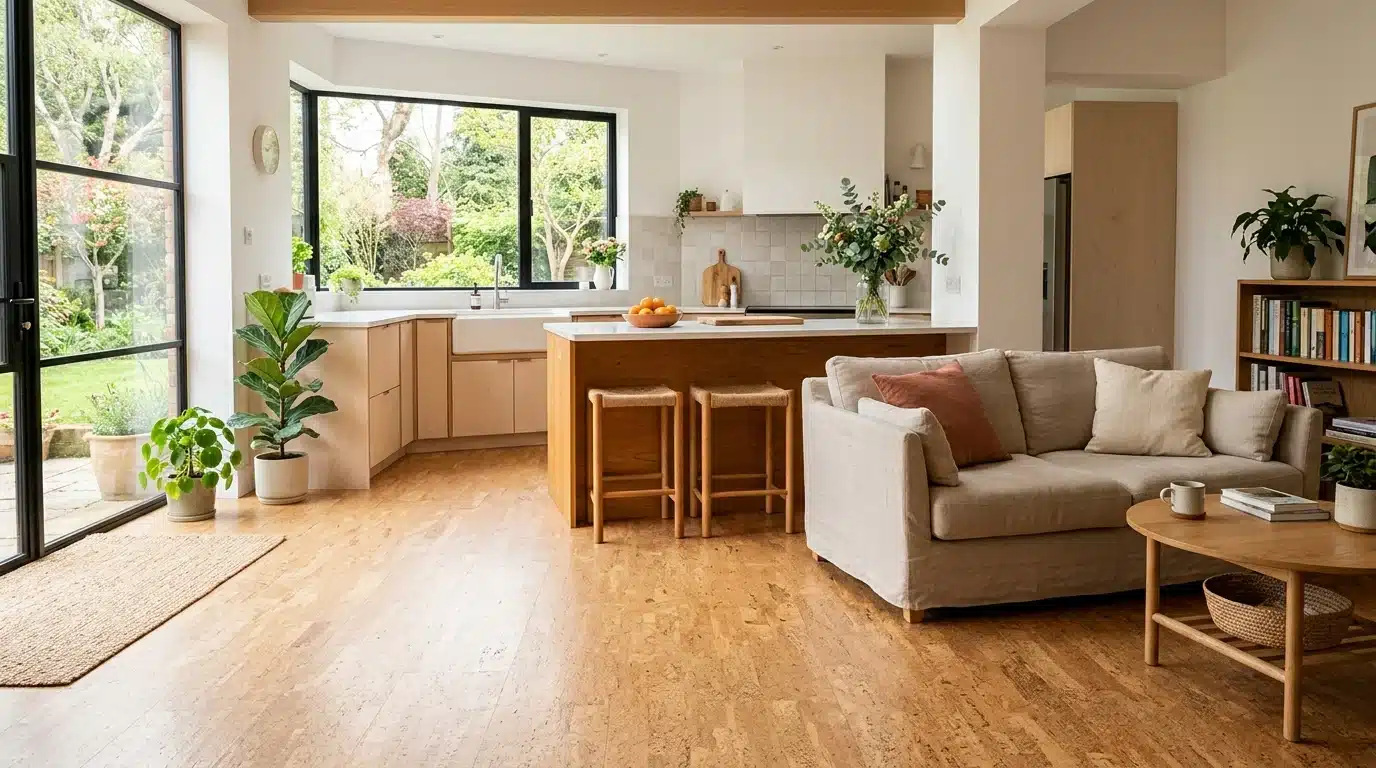
Cork comes from tree bark, harvested without cutting the tree down.
It regrows within years, making it one of the most renewable flooring options available. Cork also insulates well, keeping rooms warmer in winter and cooler in summer.
Its natural cushioning makes it comfortable underfoot for kitchens and living rooms alike.
Sealed properly, cork resists moisture and lasts for decades.
3. Bamboo Furniture
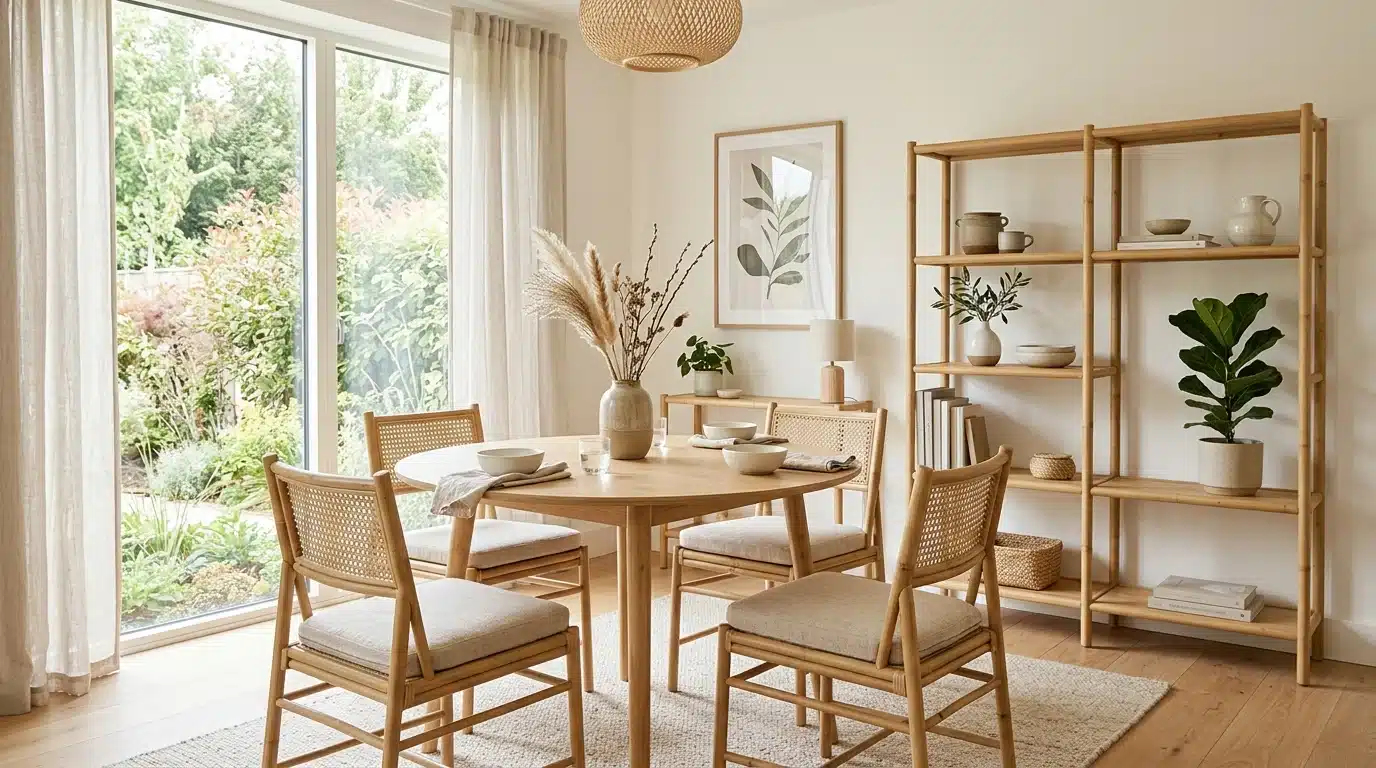
Bamboo grows fast, sometimes reaching maturity in just three to five years. That speed makes it far more sustainable than hardwoods, which take decades to mature.
Bamboo furniture works well for chairs, tables, and shelving units.
Its light color brightens rooms naturally, and its strength rivals traditional wood options.
Many bamboo pieces come flat-packed, reducing shipping emissions too.
4. Recycled Glass Countertops
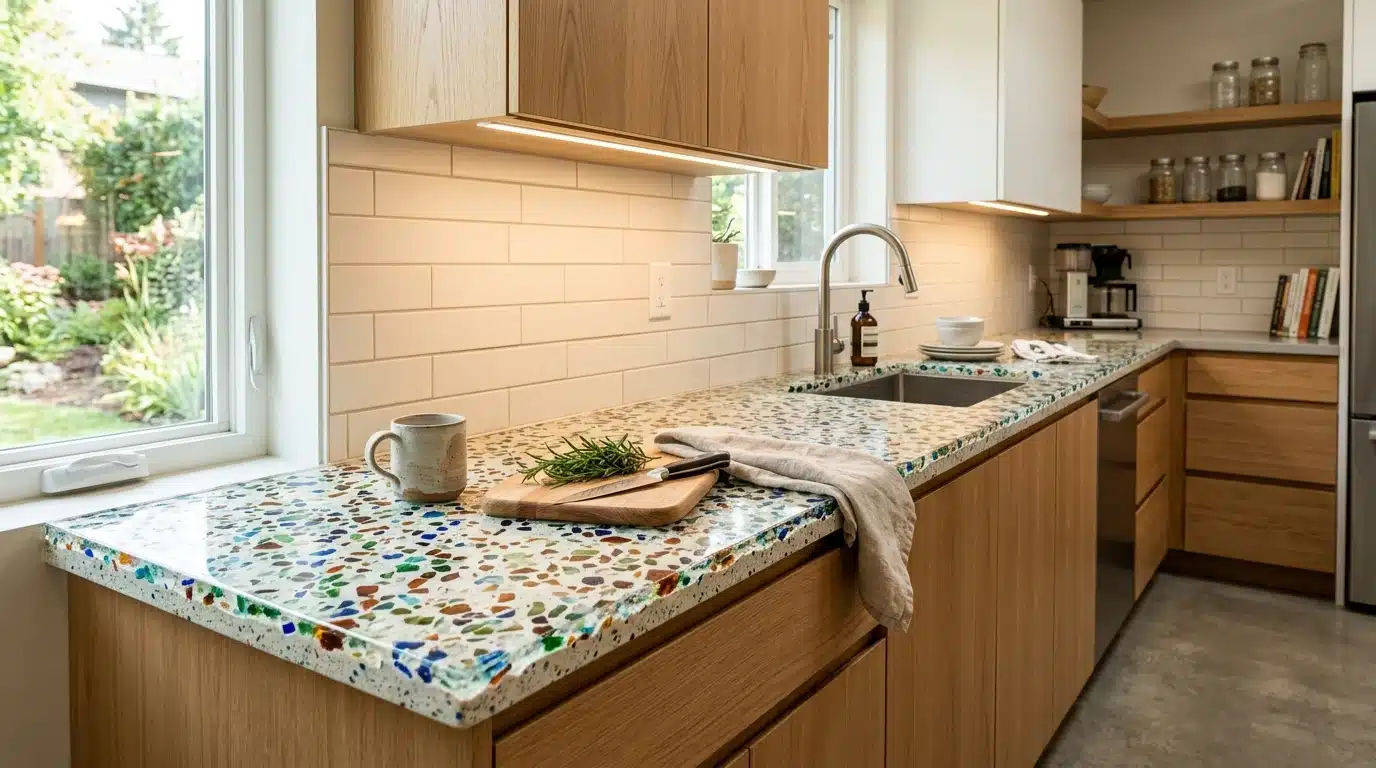
Crushed recycled glass gets embedded into resin or concrete to form striking countertops.
Each slab looks unique, with flecks of color scattered throughout the surface. These countertops divert glass waste from landfills while offering durability comparable to granite. They resist scratches.
Kitchens and bathrooms both benefit from this eye-catching, eco-conscious surface choice.
5. Living Green Walls
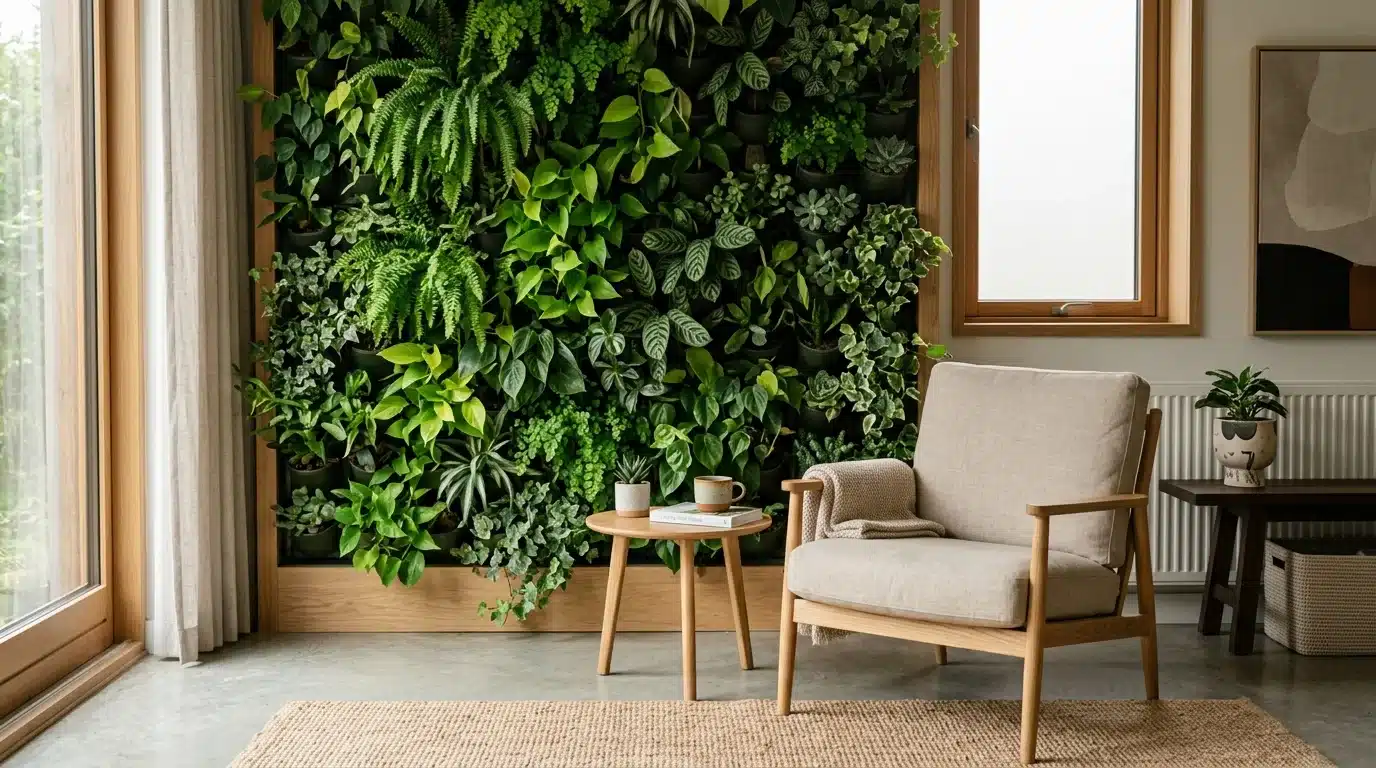
A living wall brings a vertical garden indoors, filled with real plants rooted in a mounted system.
These walls improve air quality by filtering toxins naturally throughout the day.
They also add humidity, which benefits skin and respiratory health during dry seasons. Living walls work well in entryways or offices, creating a calming focal point that feels alive.
6. Solar-Powered Lighting Fixtures
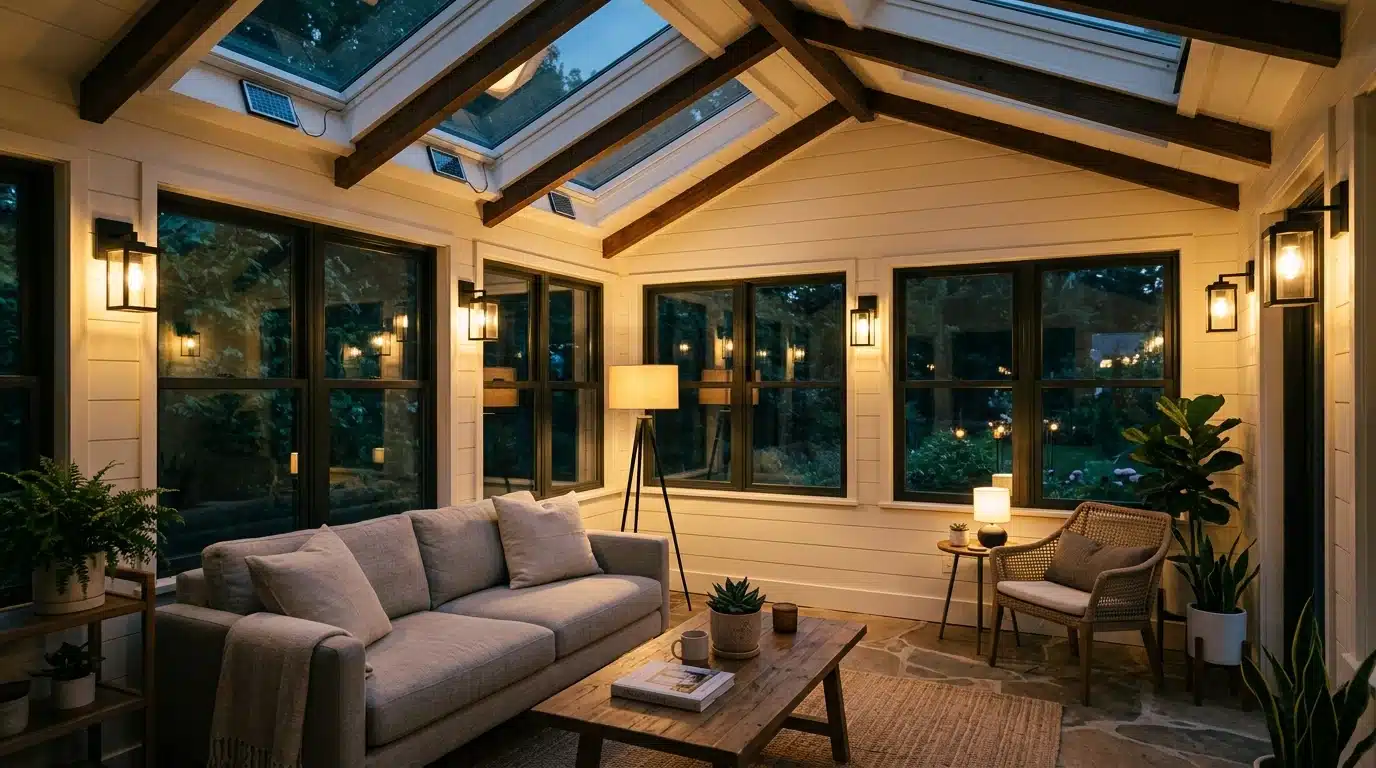
Solar-powered lamps and sconces store daylight energy and release it after dark. Indoors, these fixtures often connect to small solar panels near windows or skylights.
They cut electricity use significantly, especially in sunrooms or spaces with strong natural light.
Battery tech has improved, reducing charge times and offering steadier light than earlier solar designs.
7. Upcycled Decor Pieces
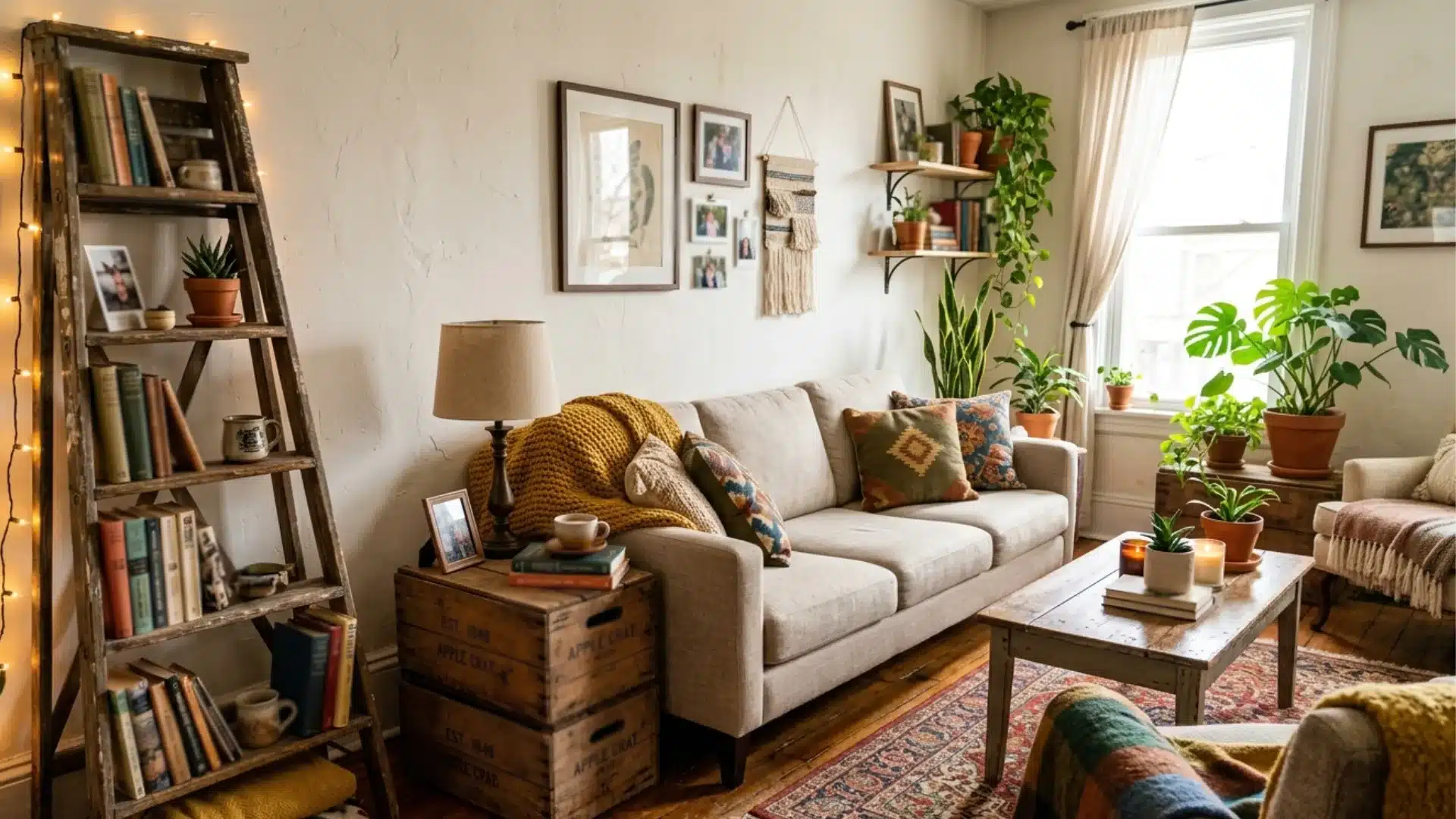
Old ladders become bookshelves. Wine crates turn into side tables.
Upcycling takes discarded items and gives them new purpose instead of sending them to landfills.
This approach saves money and adds personality that mass-produced decor can’t match. Thrift stores and online marketplaces are goldmines for upcycling projects, and creativity is the only real limit here.
8. Natural Fiber Textiles
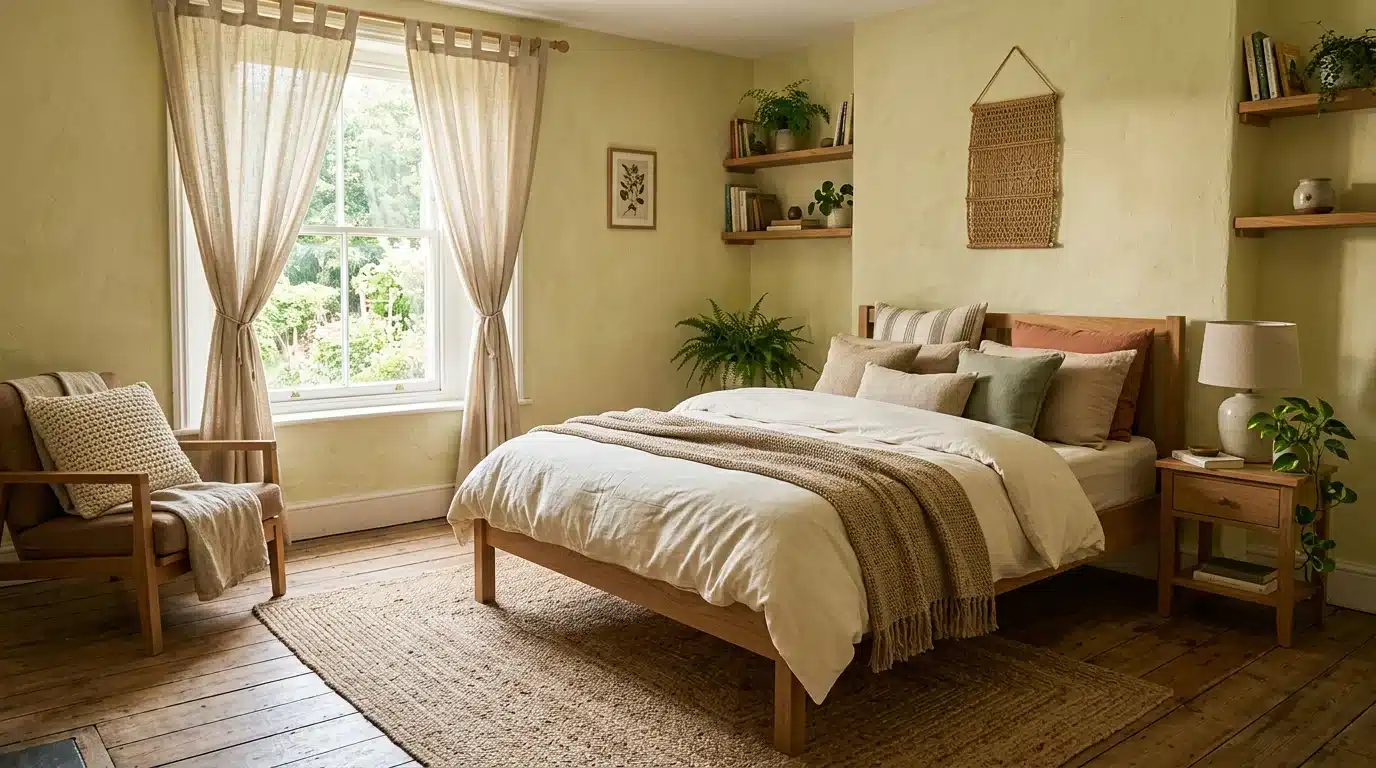
Jute, hemp, and organic cotton replace synthetic fabrics in curtains, cushions, and upholstery.
These materials break down naturally at the end of their life, unlike polyester blends that linger for centuries. Natural fibers also breathe better, making them comfortable in humid climates.
They also absorb dye beautifully, so color options stay rich and varied despite being eco-friendly.
9. Vintage Furniture Finds
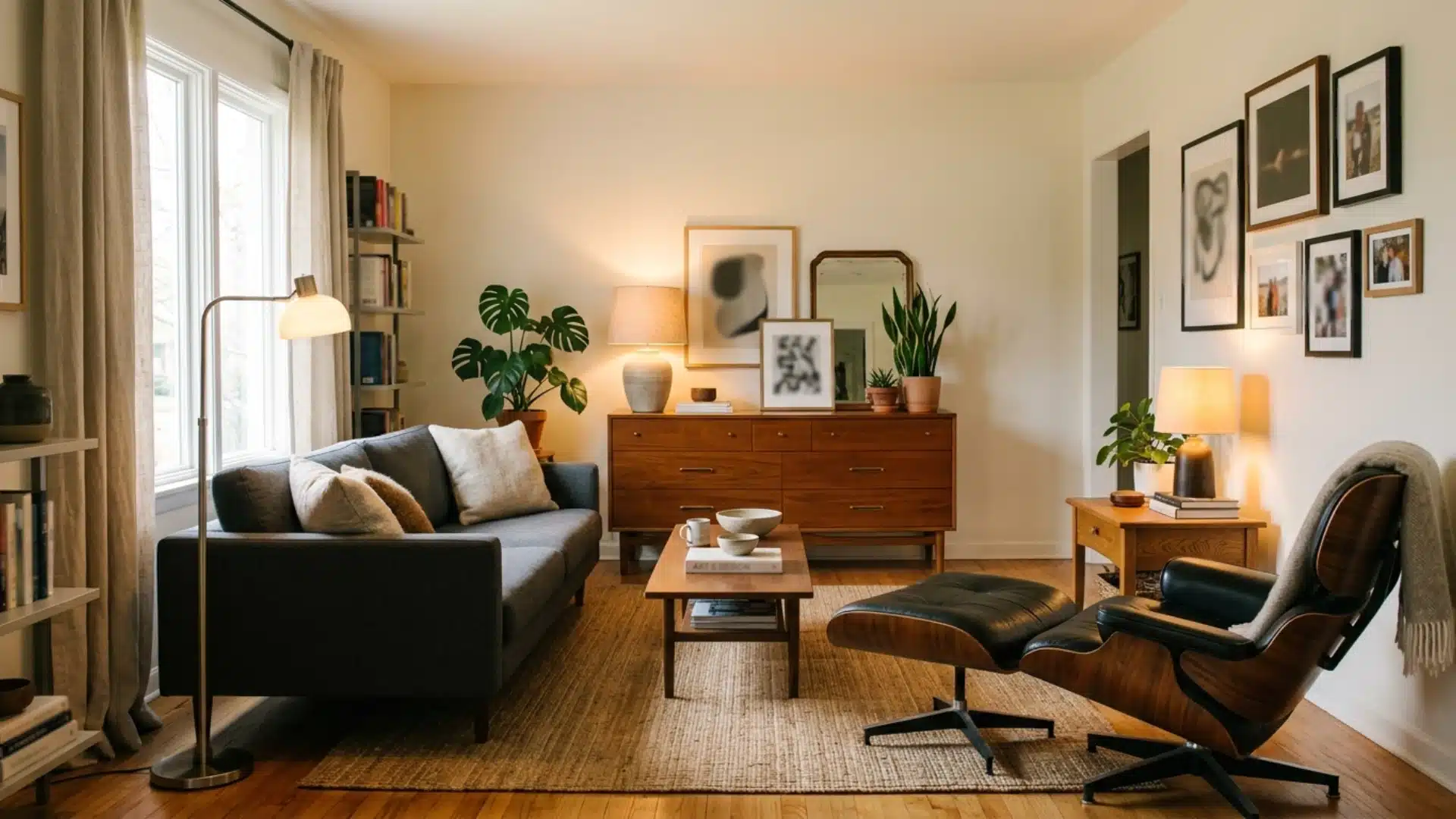
A vintage dresser or mid-century chair already exists, so choosing it means no new manufacturing is required.
Vintage pieces are often built with solid wood and sturdy joinery, outlasting many modern equivalents.
Estate sales, auctions, and consignment shops are reliable sources.
Restoring a vintage find with fresh hardware or paint gives it another few decades of life.
10. Energy-Efficient Window Treatments
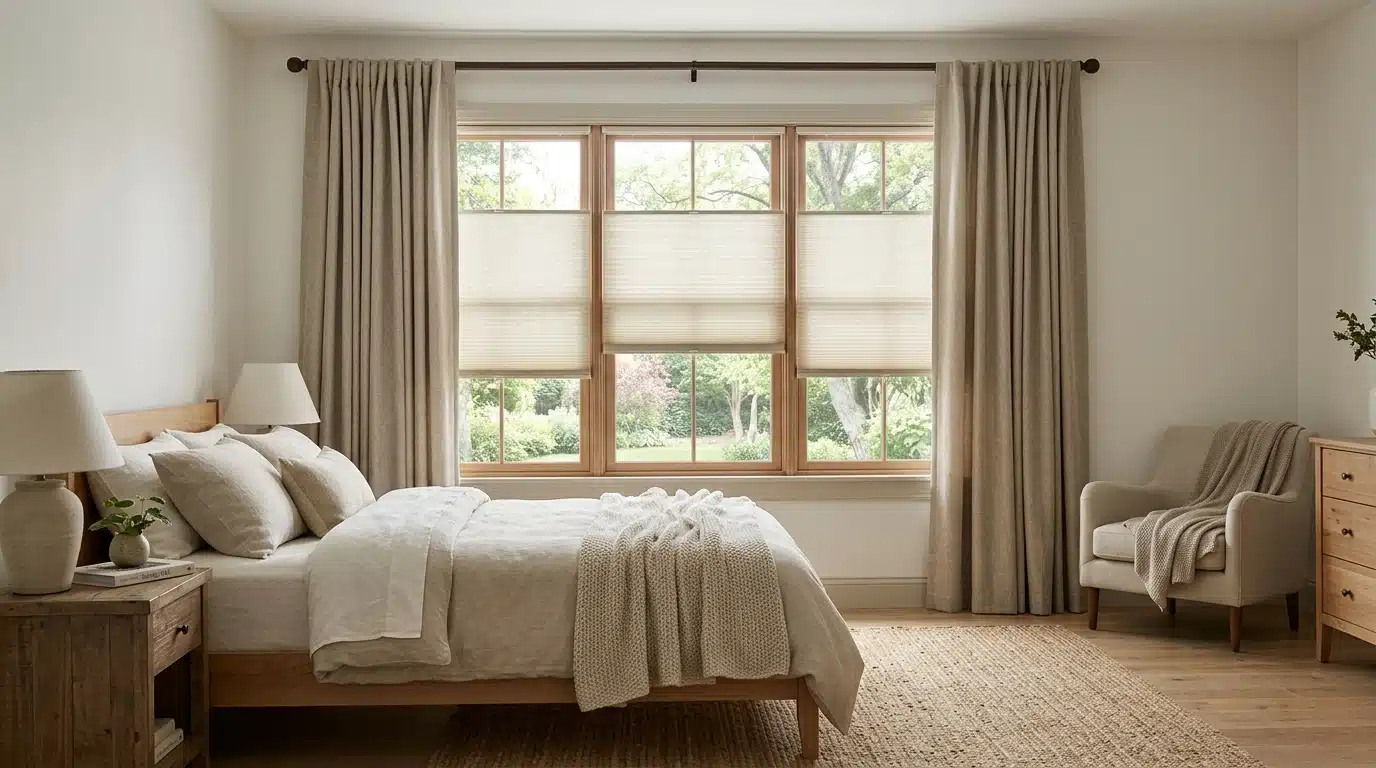
Cellular shades and thermal curtains regulate indoor temperature by trapping air near the glass.
In summer, they block heat; in winter, they retain warmth. This significantly reduces strain on heating and cooling systems. Choosing treatments made from organic cotton or linen adds another layer of sustainability.
Even small adjustments in window coverings can lower monthly energy bills.
11. Low-VOC Paint Finishes
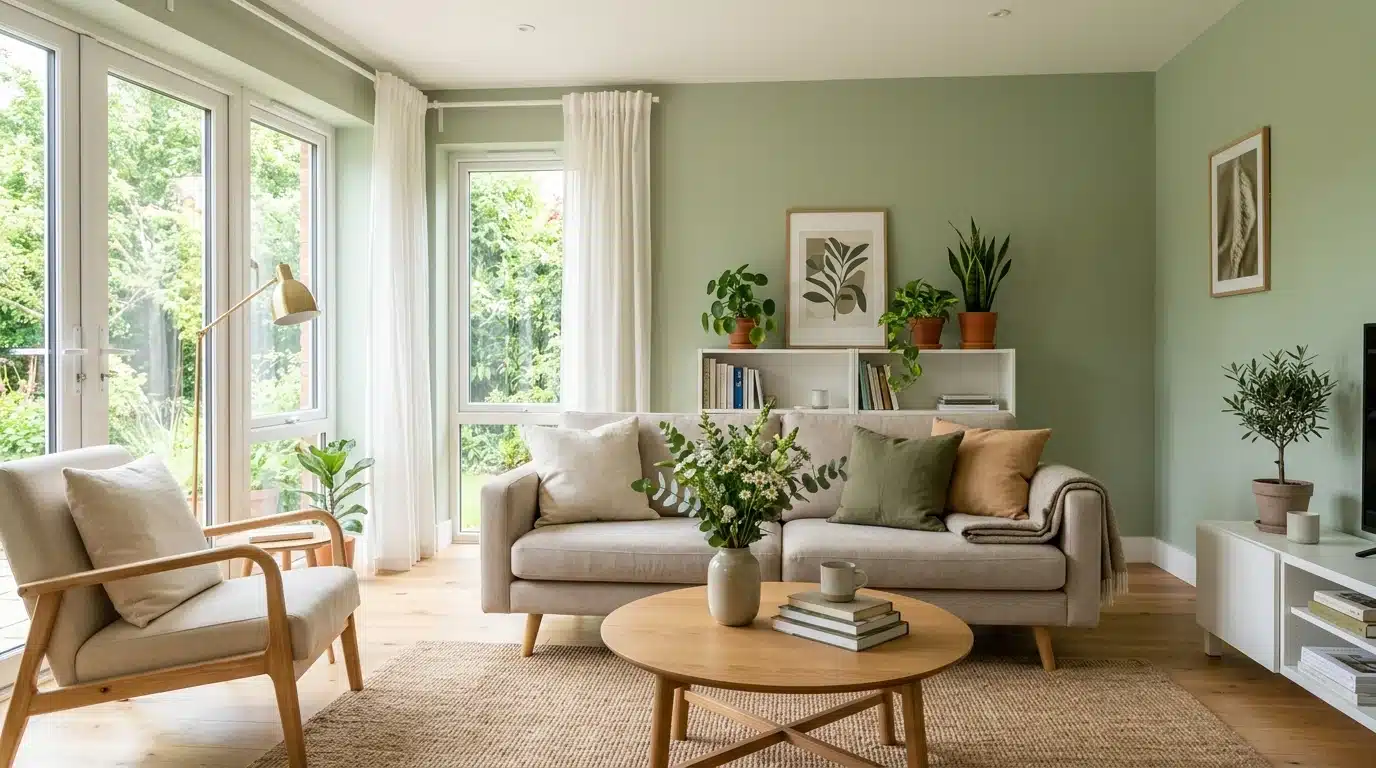
Traditional paints release volatile organic compounds long after they dry, affecting indoor air quality for weeks.
Low-VOC and zero-VOC paints minimize that exposure while still offering full color ranges.
These finishes work on walls, trim, and furniture alike. Many major brands now carry low-VOC lines, so switching doesn’t mean sacrificing style or durability in any room.
How to Choose Sustainable Furniture
A few quick checks before purchasing can keep a product out of a landfill within five years. These checks pair well with everyday interior design choices that keep a whole room feeling cohesive, not just one piece of it.
- Check the wood source; look for FSC certification on any solid wood piece.
- Ask about the finish; avoid furniture coated in synthetic lacquers or heavy sealants.
- Test the joinery; dovetail and mortise-and-tenon joints outlast screws and glue.
- Inspect the cushioning; natural latex or wool fills beat synthetic foam long-term.
- Consider modularity; pieces that adapt to different rooms get replaced less often.
- Research the brand; look for transparent supply chains and take-back programs.
- Prioritize repairability; choose furniture with replaceable parts over fully sealed units.
- Weigh the price against lifespan; cheaper pieces often cost more over time.
Sustainable Lighting and Energy-Efficient Interiors
Smart dimmers adjust brightness automatically, cutting waste without sacrificing ambiance.
Motion sensors switch off lights in empty rooms, a small habit that adds up over months.
Daylight sensors work similarly, dimming fixtures when sunlight already fills a space. Choosing fixtures with recyclable aluminum or glass housings reduces landfill contribution at end of life.
Smart plugs let you schedule lamps and appliances, avoiding phantom power drain overnight.
Combined, these strategies turn a home into a system that responds to actual need, not constant output.
How to Make Sustainable Interior Design Affordable
Sustainable design can be achieved without a large budget.
Begin with what is already available in the space; refinishing hardwood floors or other worn surfaces is often more effective than replacing them outright. Buy fewer pieces, but choose ones built to last decades, not years.
Facebook Marketplace and estate sales often hide quality furniture at a fraction of retail cost.
DIY projects, like painting old cabinets with low-VOC paint, stretch a budget further.
Swap one room at a time instead of overhauling everything at once.
Allocate funds for essentials like mattresses or sofas, and cut back on decorative accessories.
Sustainable Interior Design vs. Greenwashing
Not all eco-friendly labels are trustworthy. Learn how to distinguish real sustainability from mere marketing tactics.
| Sign | Genuine Sustainability | Greenwashing |
|---|---|---|
| Certifications | Backed by FSC, GREENGUARD, or GOTS | Vague claims like “eco-conscious” with no proof |
| Material sourcing | Discloses origin and supply chain details | Stays silent on where materials come from |
| Packaging | Minimal, recyclable, or plastic-free | Wrapped in excess plastic despite green branding |
| Product lifespan | Built for repair and long-term use | Cheaply made, marketed as a quick eco fix |
| Pricing transparency | Reflects real cost of ethical production | Uses “green” as an excuse to inflate prices |
| Third-party audits | Regularly verified by independent bodies | Relies only on the brand’s own claims |
Certifications and Labels that Can Help With Material Selection
Certifications eliminate uncertainty by providing evidence rather than just promises.
- GREENGUARD: Verifies low chemical emissions for furniture and building materials in sensitive areas.
- Cradle to Cradle: Assesses a product’s full lifecycle, from material health to recyclability and reuse potential.
- OEKO-TEX Standard 100: Confirms textiles are free from harmful substances in bedding and upholstery.
- Energy Star: Marks appliances and fixtures that meet strict energy efficiency benchmarks.
- WaterSense: Identifies fixtures that reduce water consumption without sacrificing performance.
- B Corp Certification: Signals a company meets verified social and environmental standards.
Benefits of Sustainable Interior Design
The benefit extends beyond just appearance. Utility bills drop as energy-efficient choices reduce daily consumption.
Indoor air stays cleaner, easing allergies and respiratory irritation over time.
Homes retain resale value better, since buyers increasingly seek eco-conscious features.
Durable materials mean fewer replacements, saving money across years, not just months. Mental wellbeing improves too; natural light and greenery measurably lower stress levels.
Communities benefit as well, since reduced waste and lower emissions ripple outward.
It’s a design choice that pays dividends in health, finances, and environmental impact at the same time.
Common Sustainable Interior Design Mistakes to Avoid
Overbuying green products creates clutter, defeating the purpose entirely.
Ignoring durability for aesthetics leads to early replacement, wasting resources anyway.
Ignoring existing furniture in favor of new “sustainable” pieces skips the most eco-friendly step: reuse. Trusting labels without verifying certifications invites greenwashing into the home.
Forgetting about shipping distances adds hidden emissions to otherwise good choices.
Overlooking maintenance needs shortens a material’s lifespan prematurely. Simple habits, like reaching for DIY cleaning products using pantry staples instead of harsh chemicals, help natural materials age well.
Skipping small changes while waiting for a full renovation unnecessarily delays real progress.
Frequently Asked Questions (FAQ’s)
1. What are the 6 R’s of Sustainable Design?
Rethink, reduce, reuse, repair, repurpose, and recycle guide every material and product decision made.
2. What is an Example of Sustainable Design?
A living room built with reclaimed wood flooring, cork walls, and secondhand furniture restored for daily use.
3. Who are Some of the Leading Designers in Sustainable Design?
Ilse Crawford, Victoria Yakusha, and Patricia Urquiola are influential in global sustainable interior design.
4. What Brands are Known for Sustainability?
Interface, Herman Miller, and West Elm are known for ethical sourcing, recycled materials, and transparent manufacturing.
5. What Are Some Examples of Products that Utilize Sustainable Design?
Bamboo flooring, recycled glass tiles, organic cotton bedding, and FSC-certified wood furniture all showcase sustainable design.
Final Thoughts
Creating a lasting space requires deliberate effort, not flawlessness.
Sustainable interior design emphasizes patience rather than haste, prioritizing quality over quantity.
Small swaps, like a reclaimed shelf or a low-VOC paint job, compound into something bigger.
No one changes a home overnight, and there’s no need to.
Progress shows up room by room, choice by choice. The goal isn’t a flawless eco-showcase; it’s a home that breathes easier, costs less to run, and holds up for decades. Style and responsibility were never opposites.
Once that clicks, redesigning a space stops feeling like a sacrifice and starts feeling like common sense.