

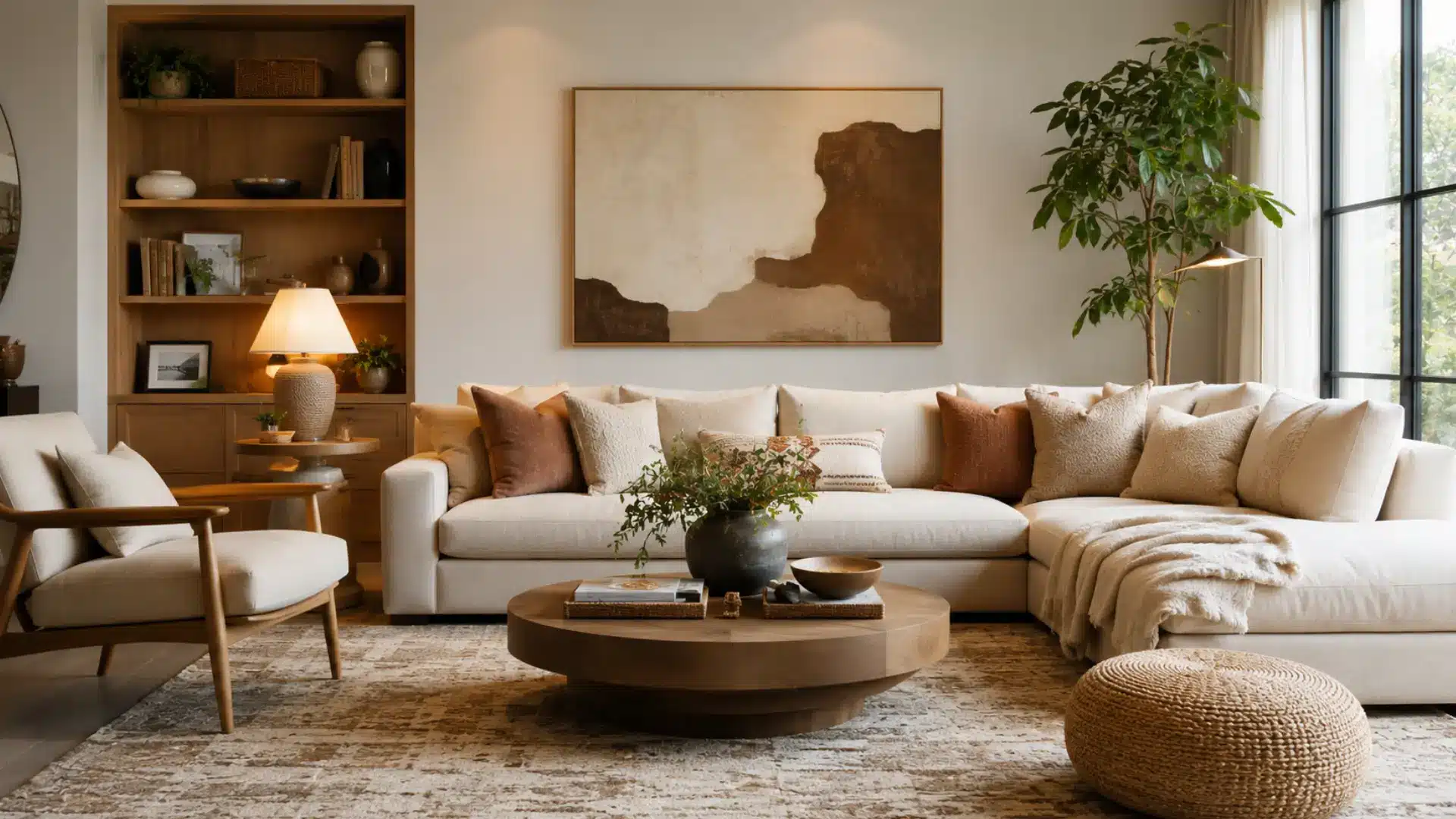
Two rooms can have similar furniture, yet one feels styled while the other feels off. That difference rarely comes down to budget or fancy pieces.
It comes down to small, thoughtful choices made along the way. Interior design tips help you spot exactly what those choices are. The right rug size, the right lighting, and the right amount of furniture all matter.
Skip one, and a room can feel slightly wrong without an obvious reason. Get them right, and everything else falls into place. You do not need an expert eye to notice the shift.
Small fixes often make the biggest visual difference. Great design starts with the basics done right.
What Separates a Styled Room From a Cluttered One?
The most beautifully designed homes are not the result of expensive furniture or an expert with a mood board.
They are the result of a few decisions made thoughtfully, the right scale, the right light, the right amount of stuff in the right places.
The difference between a room that feels designed and one that does not is usually something small.
A rug that is the wrong size, Lighting that is too plain, and too much furniture cluttering. So let’s take a look at all the tips you require to fix all these design flaws.
Section 1: Interior Design Tips to Get the Basics Right
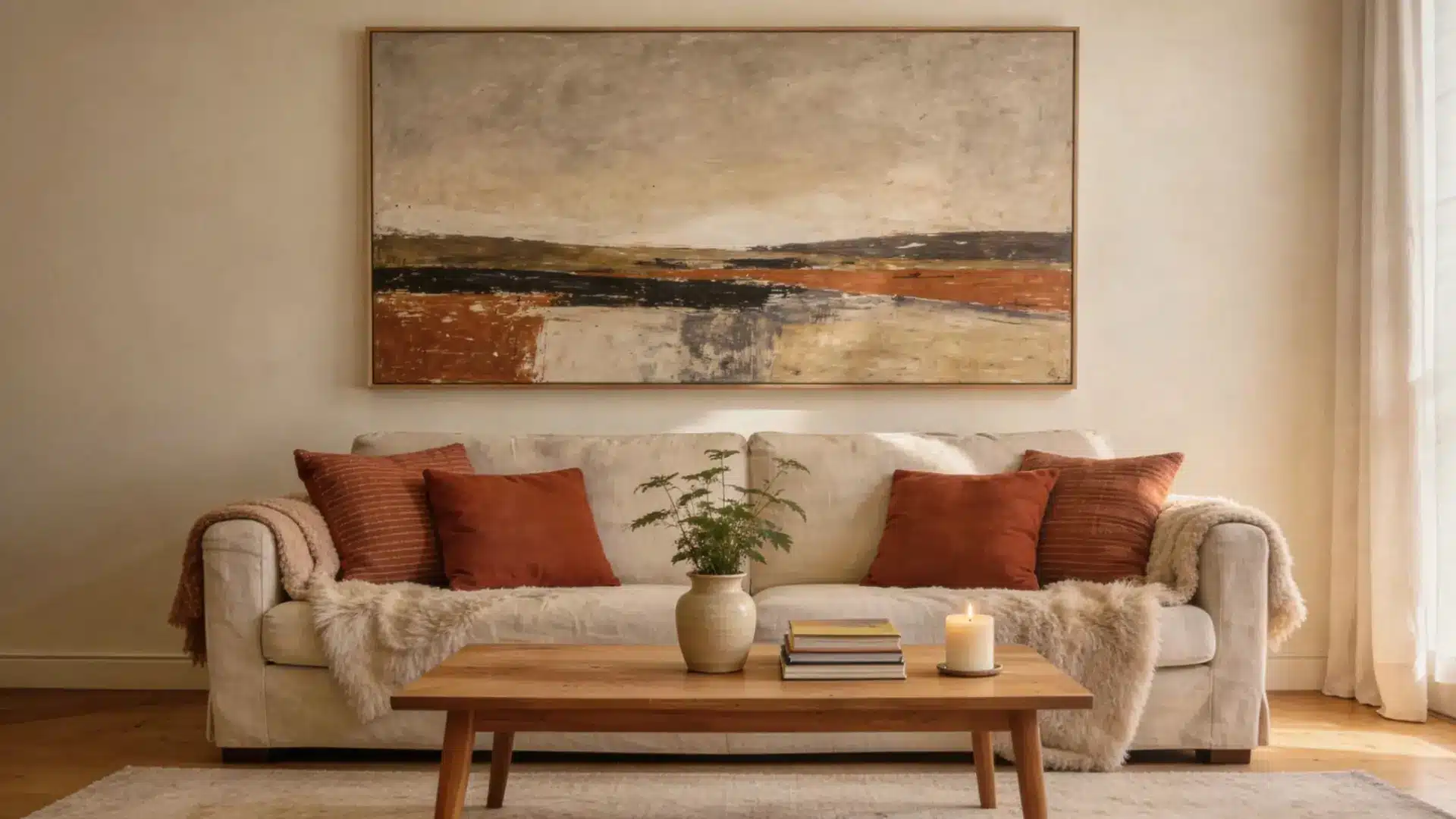
Most room problems come down to one of these six things. Get these in place before worrying about anything else, and the rest of the decisions become a lot simpler.
1. Start with a Neutral Base and Build from There
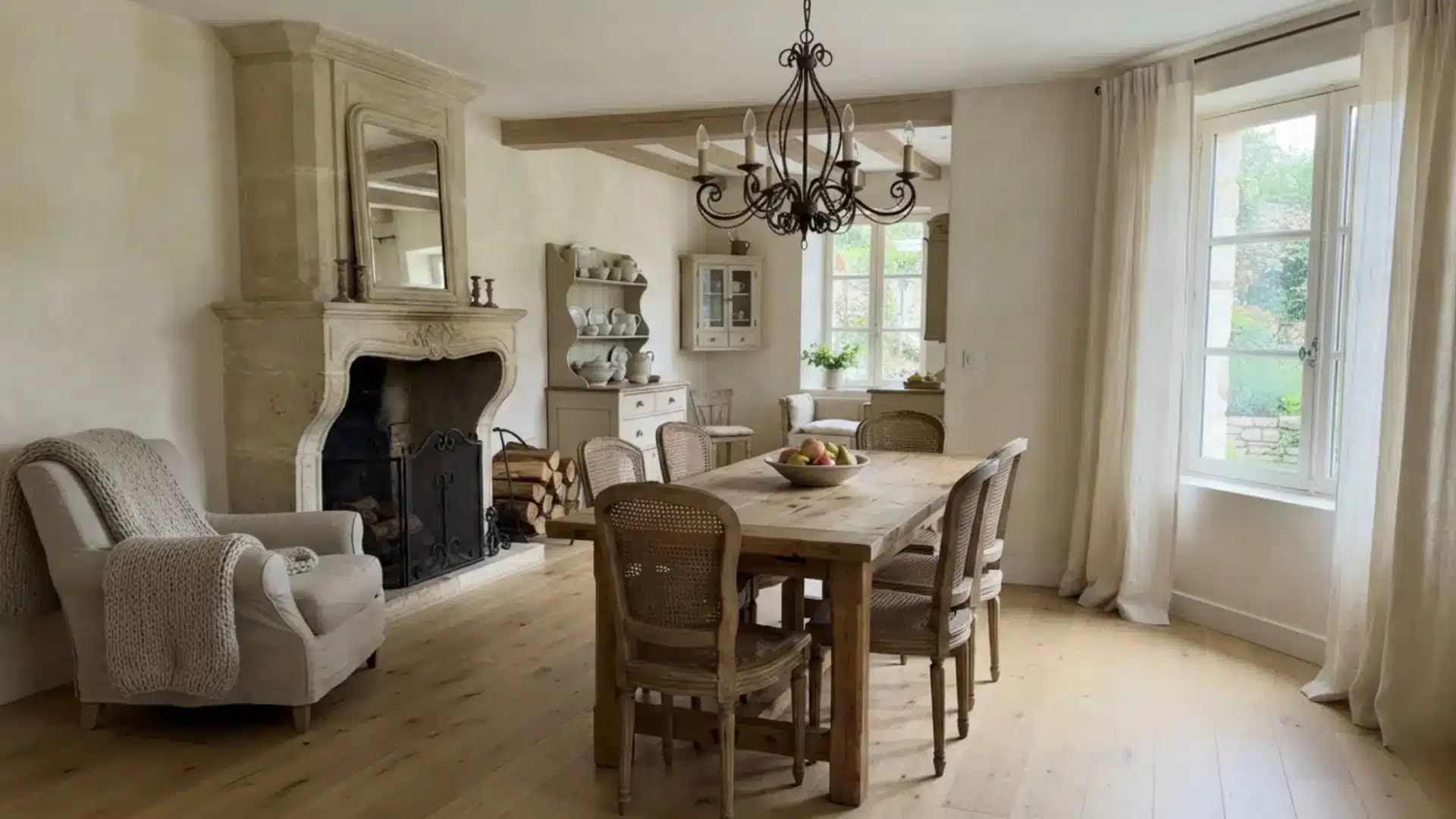
Neutral does not mean boring. It just gives you room to change your mind later without repainting or replacing the sofa. Start with neutral walls, large furniture, and flooring.
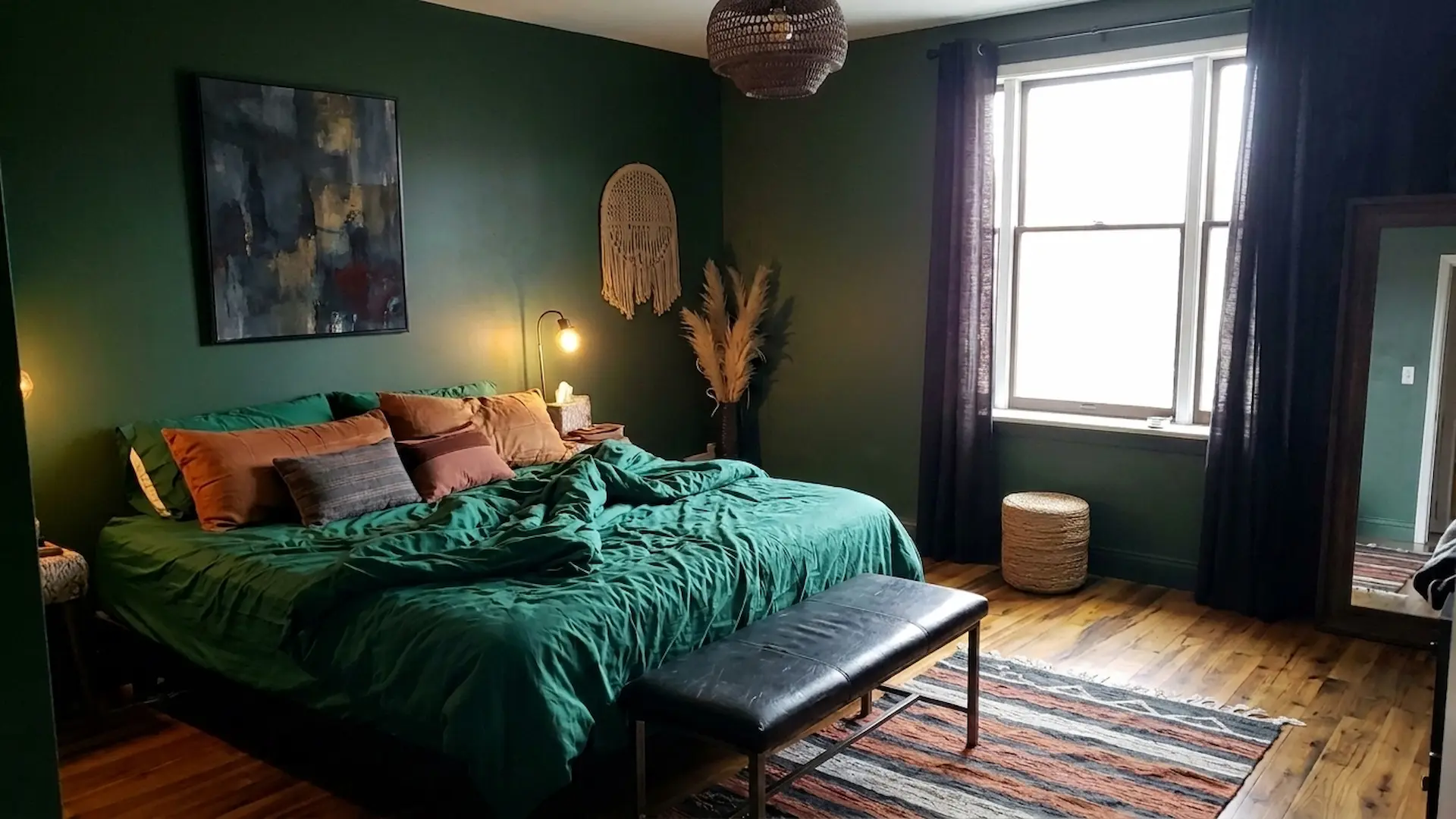
Bring in color through cushions, throws, and accessories instead, since they are cheap to swap out. Keep big things flexible and let smaller pieces add personality.
2. Always Choose the Right Size Rug
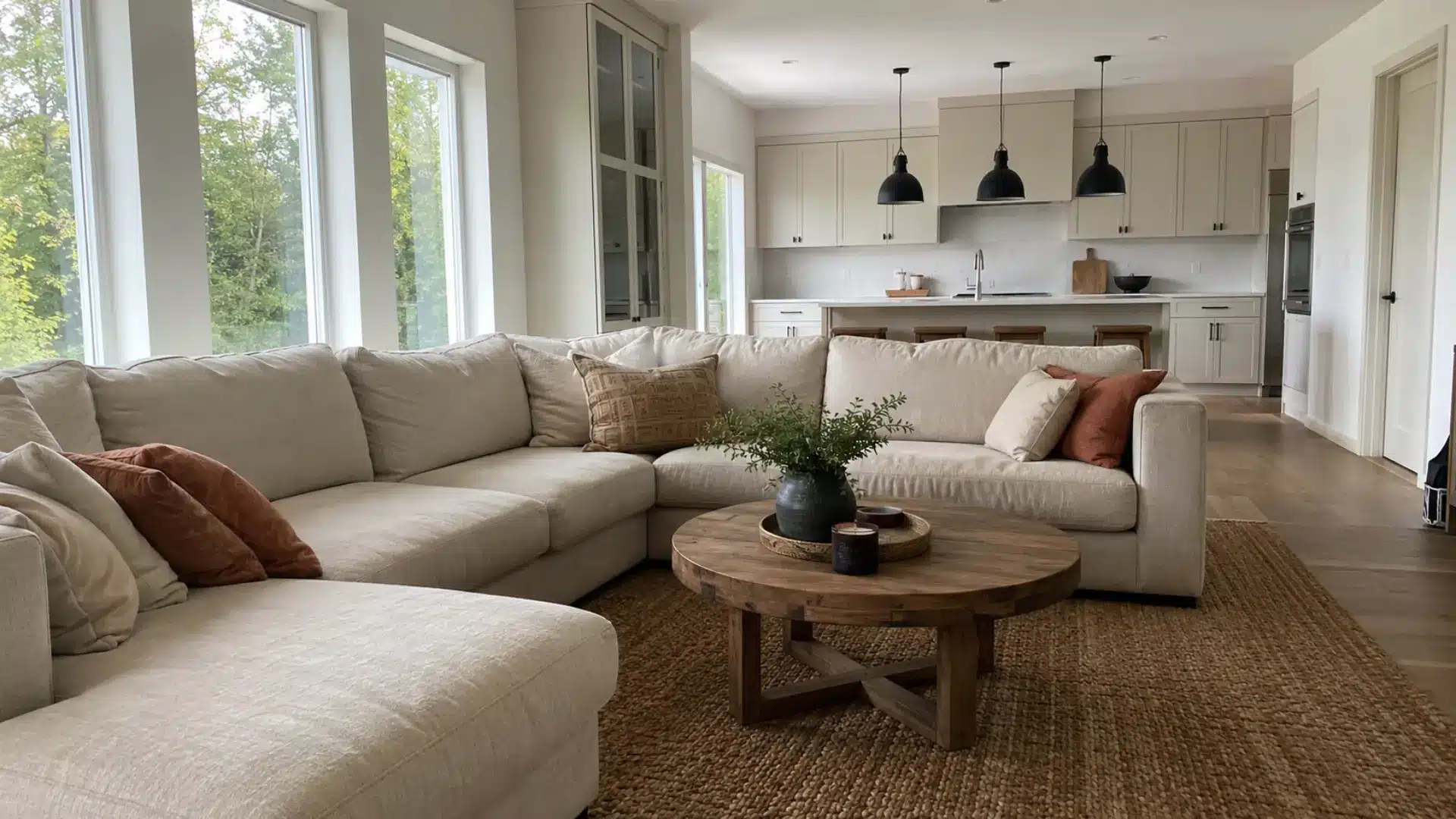
If a room feels off and you cannot pinpoint why, check the rug size first. If furniture sits around the rug instead of on it, the rug is too small.
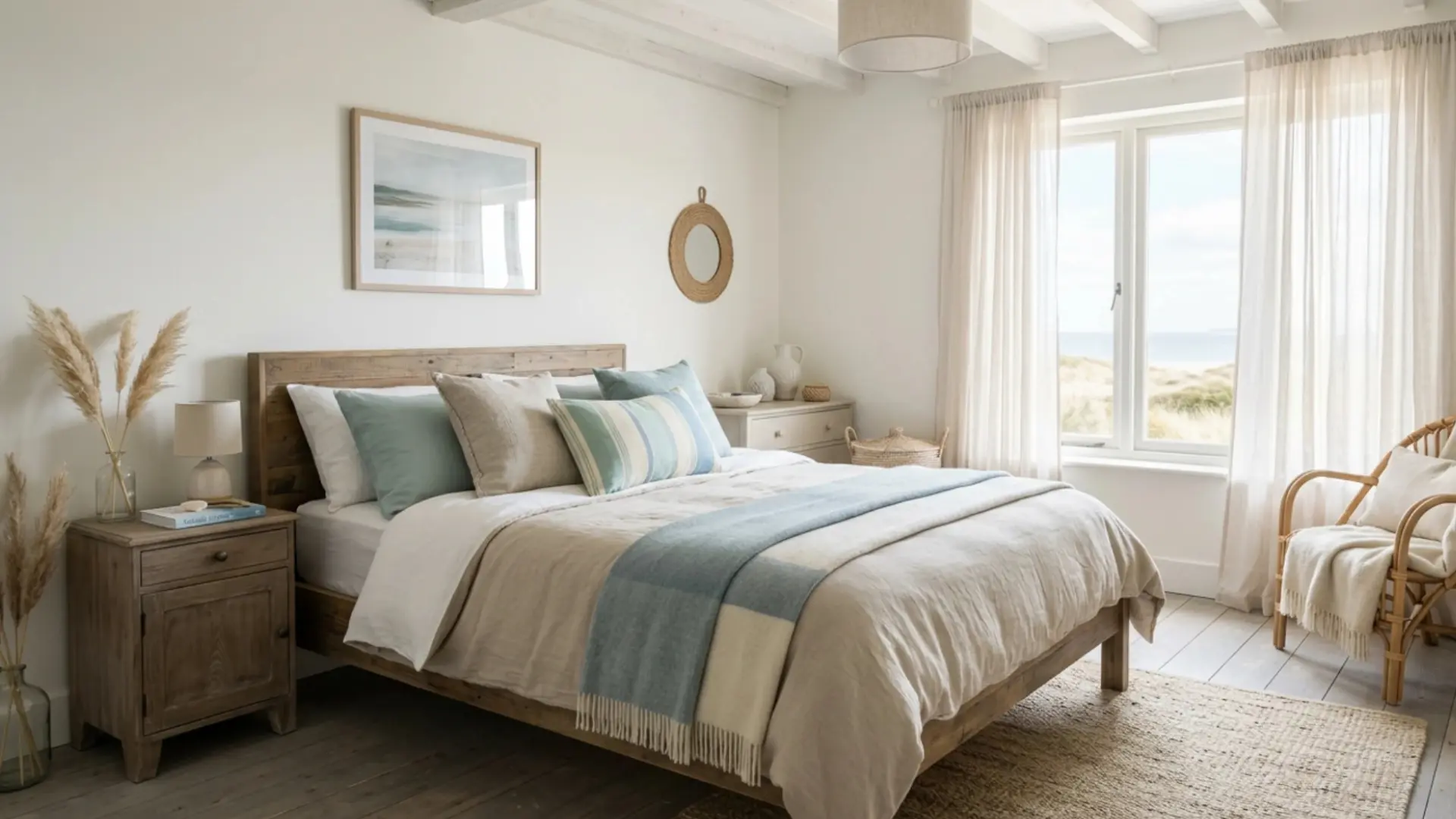
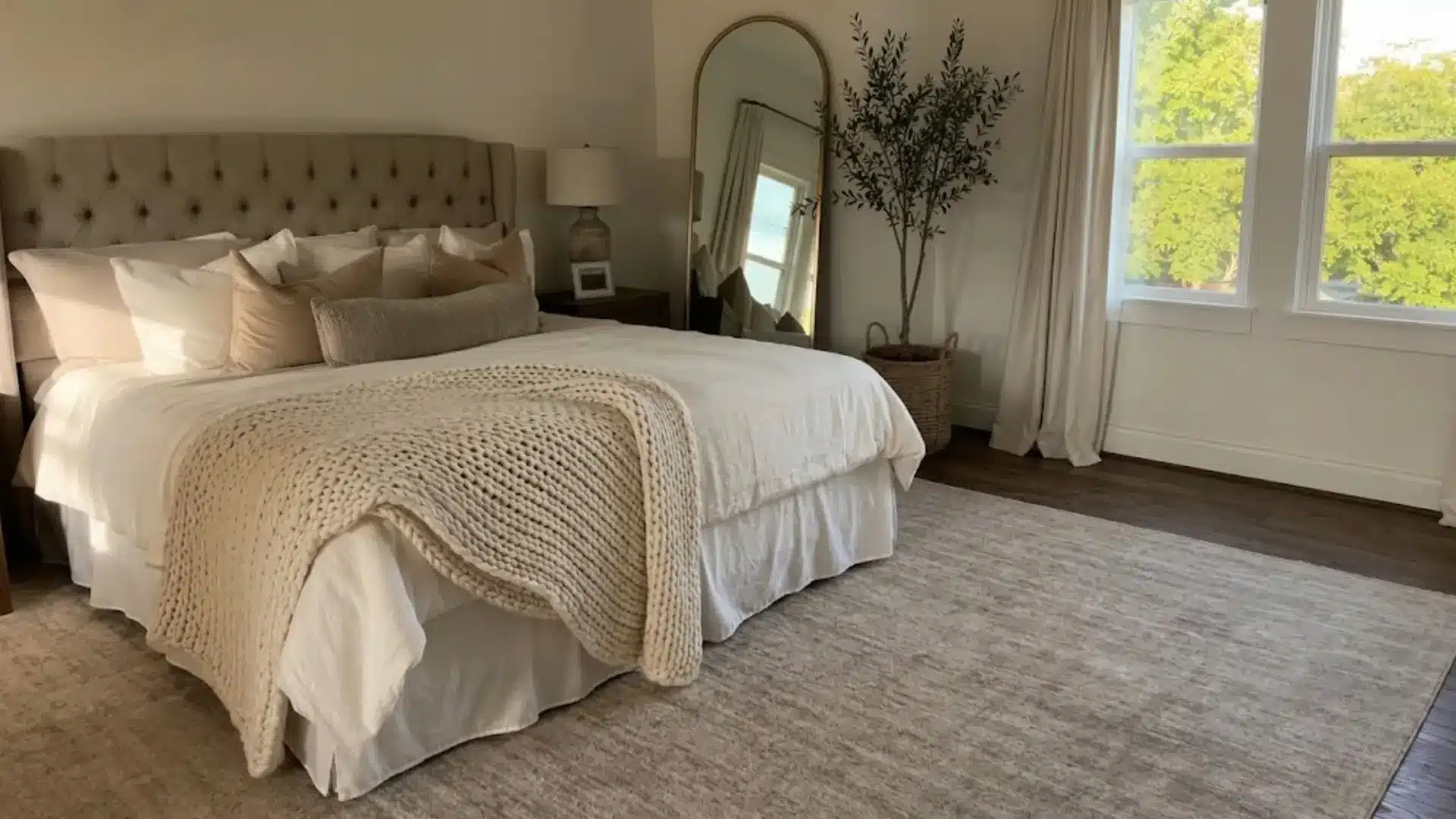
In a living room, the front legs of every sofa should touch the floor. In a bedroom, the rug should extend well beyond both sides of the bed.
3. Pick a Focal Point in Every Room
Every room needs one main feature that pulls focus and keeps things organized. In a living room, this is often a fireplace, artwork, or the sofa itself. In a bedroom, it is usually the bed and the wall behind it.
If your room lacks an obvious choice, a large mirror, statement light, or oversized art piece works just as well.
4. Do Not Push All Your Furniture Against the Walls
This one surprises people, but it is one of the most impactful layout changes you can make.
When everything is pushed against the wall, the middle of the room feels empty and awkward.
Pulling furniture away from the walls and into the center of the room creates a space that feels more homely. Even moving the sofa just a few inches forward makes a difference you will notice immediately.
5. Keep a Consistent Color/print Story Throughout the Home
The most cohesive homes are not painted the same color everywhere. They repeat the same two or three colors or prints across different rooms.
A terracotta cushion in the living room, a terracotta candle in the bedroom, a small terracotta print in the hallway. Repeating tones like this throughout your home makes it feel more connected.
6. Edit Ruthlessly: Less Is Almost Always More
This tip goes against most decorating instincts. Filling every surface and shelf feels natural, but a room often looks better with something removed.
Pick three items that feel out of place and remove them for a week. If you forget they existed, that is your answer. A more structured room almost always means a lighter one.
Section 2: Light, the Most Underrated Design Tool

Most people sort the furniture, pick the colors, and think about lighting last. It should be the other way around.
Lighting changes how every other decision in the room looks and feels. Get it wrong, and even the most beautiful room falls flat.
7. Get the Lighting Right Before Anything Else
Most rooms rely on one overhead light, and that’s all. That single source is doing more damage than the wrong rug size and the furniture against the walls combined.
Overhead lighting flattens everything and makes a room feel like a public waiting area.
Add a floor lamp, a table lamp, a pendant over the dining table, and some warm lighting, and it will bring a huge difference.
8. Let Natural Light Do the Heavy Lifting
Natural light is free, yet most people block it without realizing it. Furniture in front of windows and heavy curtains are common culprits.
Swap heavy drapes for sheer panels that filter light rather than block it. Place a mirror near the main window to bounce light into darker corners. Hang curtains higher and wider than the frame itself.
9. Layer Your Lighting With Three Different Sources
Good lighting comes in three layers.
- Ambient light handles the overall room: ceiling fixtures, recessed lighting, and overhead pendants.
- Task lighting covers specific functions: a reading lamp beside the sofa, under-cabinet lights in the kitchen, and a vanity light in the bathroom.
- Accent lighting is what creates atmosphere: table lamps, floor lamps, candles, and an LED strip behind a shelf or under a bed frame.
A room with all three feels warm and inviting at any time of day.
10. Use Mirrors Strategically to Open Up Space
A well-placed mirror is one of the most affordable design tools available. Position one opposite a window to double natural light and make the room feel bigger.
A full-length mirror leaning against a wall instantly adds height. Avoid placing mirrors where they reflect anything unattractive, since they amplify whatever sits across from them.
11. Add Height to Make Rooms Feel Bigger
Making a room feel taller costs almost nothing. Hang curtains close to the ceiling instead of just above the window frame. Use tall bookshelves and vertical artwork to draw the eye upward.
Stack shelf objects vertically rather than spreading them out. A tall floor lamp in a corner adds height and light at once.
Section 3: Styling and Finishing Touches
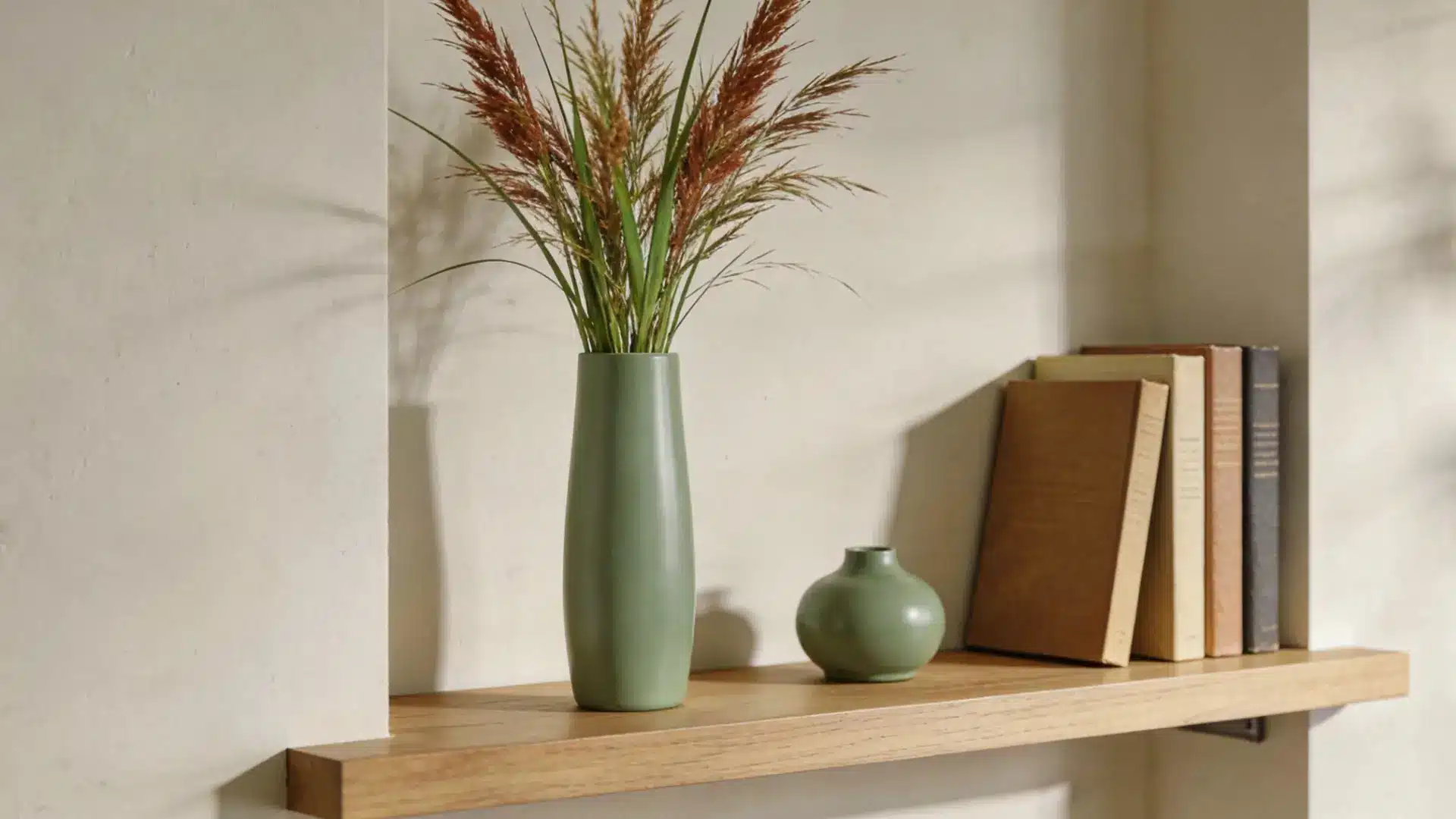
The basics are in place, the lighting is sorted, and now comes the part most people actually enjoy.
These five tips are what take a room from looking put together to looking professionally styled.
12. Mix Textures, Not Just Colors
A room with one texture feels flat, even with a perfect color palette. Pair linen cushions with a velvet throw, or a woven basket beside a smooth ceramic lamp.
Layer a jute rug under a soft wool one. Matte surfaces beside gloss create the same effect. Swapping one synthetic cushion for linen changes how the whole sofa feels.
13. Use the Rule of Three When Styling Surfaces
Groups of three read better than groups of two or four. When styling a coffee table or shelf, vary height, scale, and texture within that group.
Try one tall object, one medium, and one low. Keep the color palette consistent even if the objects differ completely. If a surface looks off, count the items and remove one.
14. Style Your Shelves Like a Professional
Clear the shelf completely instead of rearranging what is already there. Mix books with objects so the shelf avoids looking like a library. Vary the height and depth of each item across the shelf.
Turn a few book spines inward for a cleaner look. Leave breathing room between groupings, since empty space makes everything else look structured.
15. Invest in One Statement Piece Per Room
Every room benefits from one item that holds everyone’s attention. It does not need to be expensive, just full of presence.
A vintage lamp from an estate sale, an oversized artwork, or a uniquely upholstered chair all work well. Once one piece carries that weight, everything around it starts to look more thoughtful.
Room by Room: Where to Start and What to Prioritize
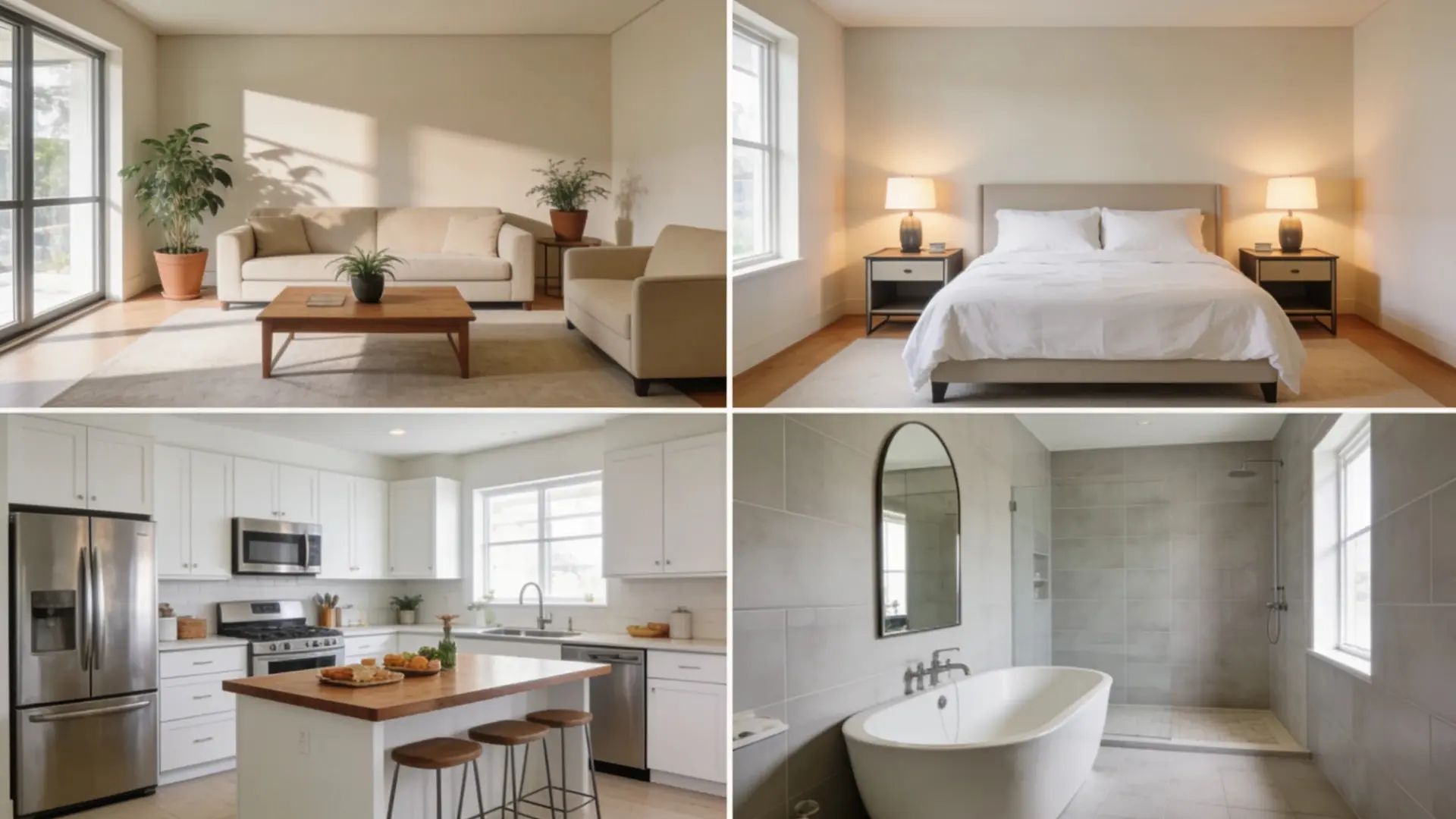
Every room has its own priorities. This table gives you the three most impactful things to focus on in each room so you know exactly where to put your energy first.
| Room | First Priority | Second Priority | Quick win |
| Living room | Get the sofa and rug scale right first. | Add at least one lamp before any accessories. | Pull the sofa away from the wall. |
| Bedroom | Invest in good bedding before anything else. | Matching bedside tables and lamps creates instant calm. | Hang curtains high and wide. |
| Kitchen | Clear the countertops completely. | Swap cabinet hardware for a more considered finish. | Add one plant or herb to the windowsill. |
| Bathroom | Get the mirror size right: bigger than you think. | Match all metal finishes across the room. | Decant products into matching dispensers. |
Once you know how to decorate each room with the right priorities, the rest falls into place. Small, focused changes always beat trying to fix everything at once.
Design Mistakes that Hold a Room Back
Even with the best intentions, these are the mistakes that show up most often. They are easy to make and just as easy to avoid once you spot them. Here are the slip-ups worth watching out for:
- Buying Everything From the Same Store: A room furnished entirely from one store looks like a showroom, mixing sources, and it immediately feels like a home.
- Skipping the Planning Stage: Most design regrets stem from buying things before measuring the room and establishing a clear layout and color story.
- Choosing Paint Before Everything Else: Always choose paint last; find a rug, fabric, or artwork you love first, and match the paint to it.
- Overcrowding the Space: More stuff does not make a room feel more designed; it makes it feel smaller, so leave space for the room to breathe.
A little restraint goes a long way in any space. Avoiding these missteps keeps your home looking intentional instead of cluttered.
Final Thoughts
A styled room rarely happens by accident or sheer luck. These interior design tips show you exactly where to focus your energy. Start with scale, lighting, and a few thoughtful choices in every room.
Avoid overcrowding, mismatched styles, and rushing into paint colors too early. Small adjustments often create the biggest visible difference in any space.
You do not need a big budget to make a real impact. Pick one room and try a tip or two this weekend.
Your space will feel more put together almost instantly. Comment below and share which tip made the biggest difference for you.
Frequently Asked Questions
Where Do I Start When Decorating a Room from Scratch?
Start with the largest piece of furniture first, get the scale and placement right, and let every other decision follow from that.
How Do I Make a Small Room Look Bigger?
Use light colors, hang curtains high and wide, place a large mirror opposite the window, and keep furniture appropriately scaled for the space.
Can I Mix Different Furniture Styles?
Yes, mixing styles is what makes a home feel personal rather than like a showroom. Just make sure one element connects them all.
How Do I Make a Rental Feel Like Home without Permanent Changes?
Rugs, curtains, lighting, and good bedding make the single biggest difference, and all of them move with you when you leave.


One Response