
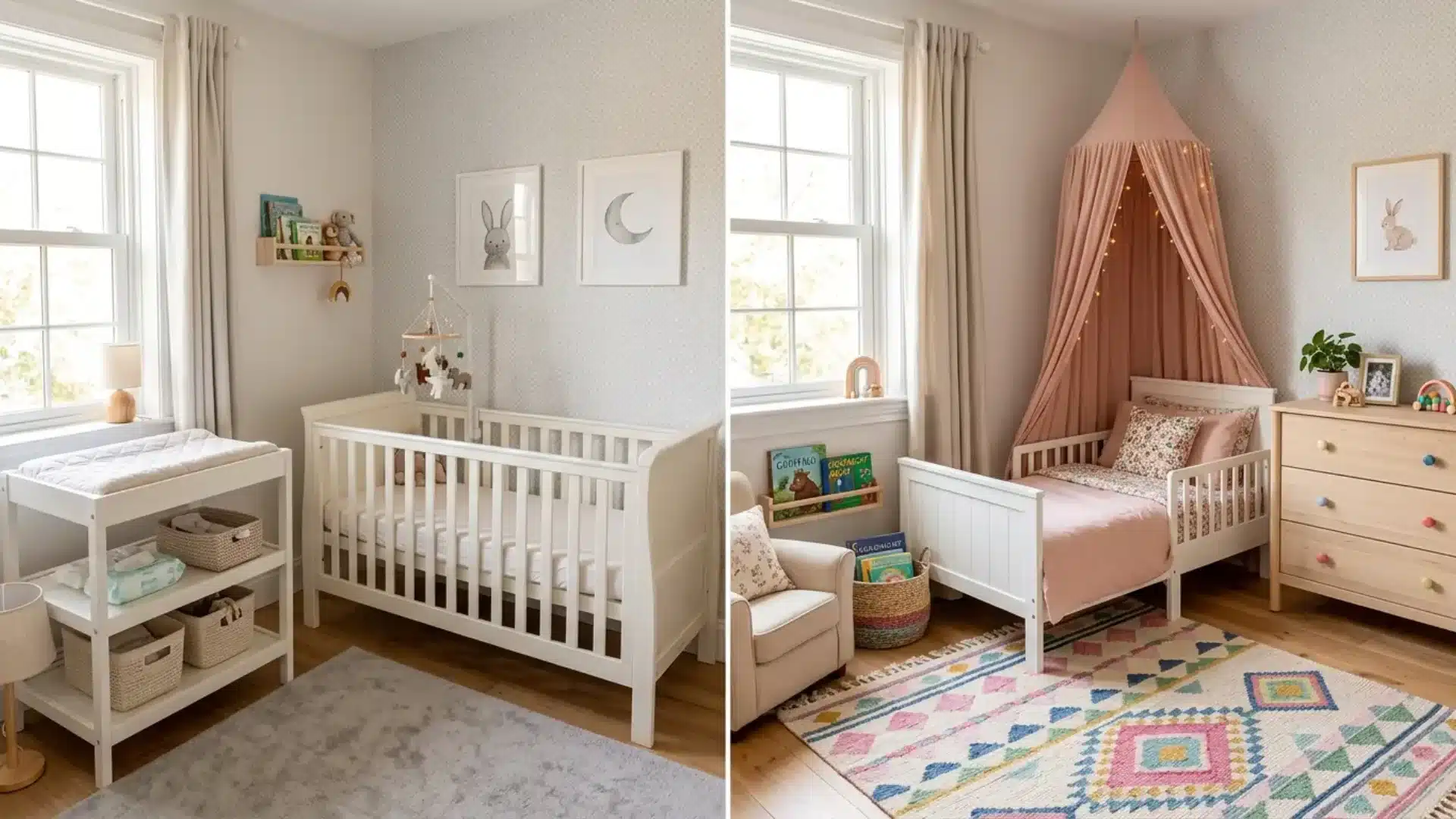
Not long ago, that nursery was decorated for a baby who could barely lift their own head.
Now there’s a toddler climbing out of the crib, dragging toys, and demanding a room fitting who they’re becoming.
Transitioning a nursery into a toddler room means swapping crib-era furniture and layout for pieces that match a toddler’s height, independence, and safety needs.
Learning how to transition a nursery into a toddler room isn’t about tearing everything down and starting fresh.
A few clever adjustments turn a baby space into a versatile area for your toddler to sleep, play, and grow for years.
When to Transition from Crib to Toddler Bed?
The initial step over the crib rail marks the start.
It usually happens between 18 months and 3 years, and safety drives the timing more than age does.
A toddler scaling the sides risks a serious fall, so the bed swap becomes urgent.
Developmental readiness matters too: can your child follow simple instructions and stay put at bedtime? Height plays a role as well; once they’re close to 35 inches tall, climbing gets easier and riskier.
Some families wait for potty training or a new sibling’s arrival to make the move feel natural, and that works fine.
Decide What to Keep, Replace, and Repurpose
Not everything in the nursery needs to go once the toddler bed arrives.
| Item | Keep | Replace | Repurpose |
|---|---|---|---|
| Crib mattress | If firm and clean | If sagging | Use in toddler bed |
| Crib rail | No | N/A | Turn into a shelf edge |
| Changing table | If still used | If outgrown | Convert to a dresser |
| Nightlight | Yes | If dim or broken | Move to the hallway |
| Baby monitor | Yes, for now | If audio-only | Use as a room monitor |
| Crib bumpers | No | N/A | Discard for safety |
| Nursery glider | Yes | If uncomfortable | Move to a reading nook |
How to Choose the Right Nursery Furniture for a Toddler Room
Furniture in a toddler’s room needs to be more durable than that for a baby.
Here’s what truly matters when shopping, beyond simply selecting something attractive.
Check Safety Certifications First
Look for furniture with Juvenile Products Manufacturers Association certification, confirming it meets ASTM safety standards for children’s furniture, such as slat spacing and tip-over stability.
Anti-tip anchor kits should come with, or be added to, any dresser or bookshelf in the room.
Always follow the manufacturer’s instructions and check for recalls before using children’s furniture.
Prioritize Functionality Over Trends
A dresser that doubles as a changing surface or a bed frame that can convert into a twin maximizes value.
Storage that a toddler can actually reach matters more than a piece that only looks organized in photos.
Match Style to the Room’s Long-Term Look
Neutral frames and finishes age better than heavily themed sets, since toddlers’ favorite characters change fast.
A simple palette also makes it easier to swap in new bedding or decor later without replacing the furniture itself.
Judge Quality by Materials and Construction
Solid wood costs more initially but resists dents and wobbling better than particleboard, and can be sanded and refinished later instead of replaced. Check drawer glides and hinges in person if possible.
Smooth, weighted movement usually signals better hardware underneath.
Plan for Room Layout Before Buying
Sketch the room’s traffic flow before shopping to avoid buying furniture that looks good but blocks doors.
Measure doorways, as some toddler beds and dressers, arriving assembled, won’t fit through standard frames.
Choose the Right Toddler Bed for the Room and Child
The correct bed size accommodates both the space and the child’s needs.
- Room size: Measure floor space before shopping.
- Bed height: Lower frames reduce fall risk.
- Guardrails: Look for rails on both sides, not just one.
- Material: Wood holds up longer than particleboard.
- Theme flexibility: Neutral designs grow with your child’s taste.
- Convertible options: Some frames adjust into a twin bed later.
- Weight capacity: Check limits, especially for active climbers.
- Assembly: Simple builds save time and frustration.
How to Transition a Nursery into a Toddler Room
A little planning turns this change into an exciting project, not a stressful one, and these ideas are a great start.
1. Convert the Crib Into a Toddler Bed
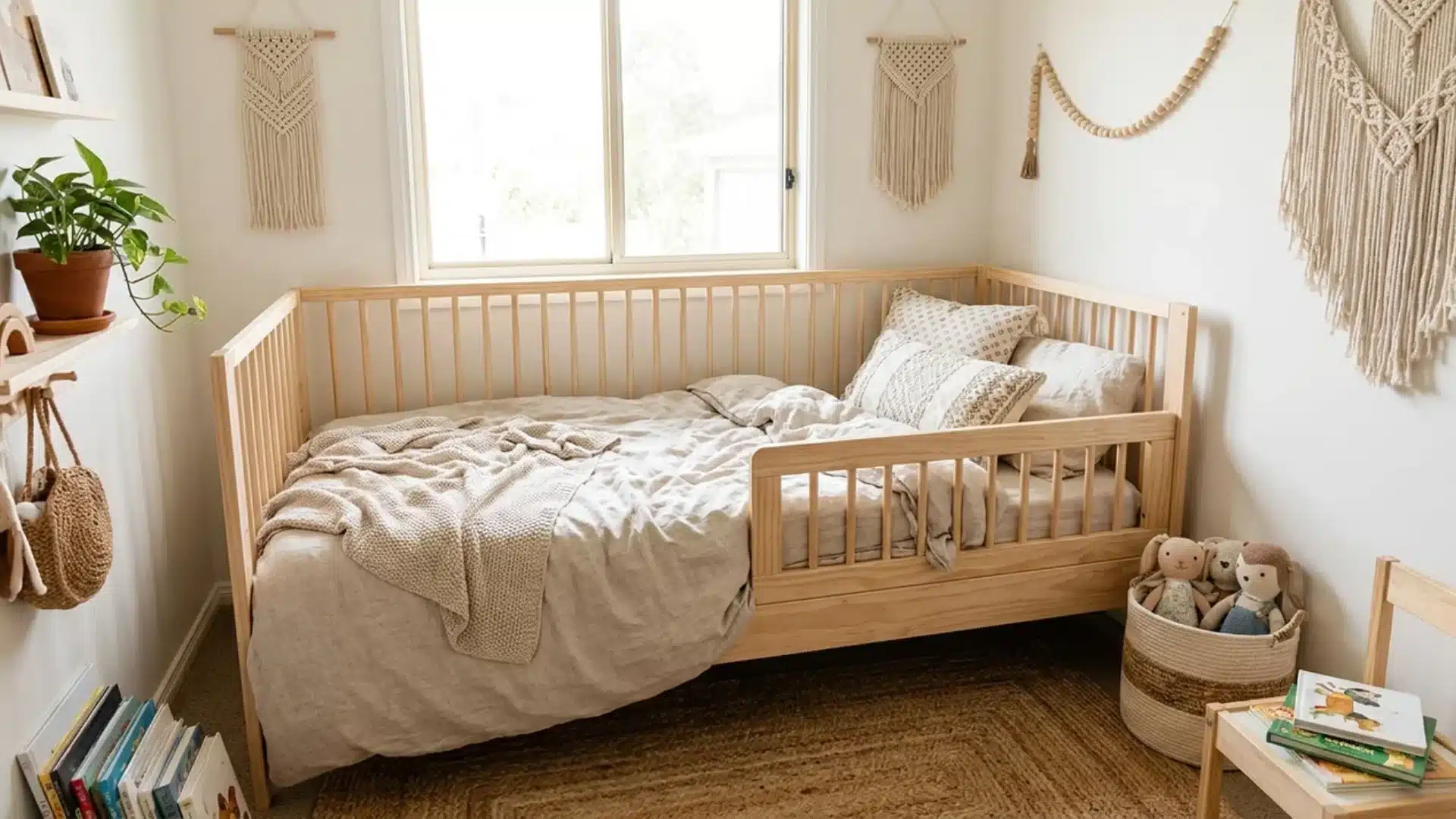
Removing one side rail and adding a lower safety rail often does the trick if the crib supports conversion.
This keeps the same mattress and frame, saving money.
Check the manual first, since not every model converts. A standalone toddler bed works too, and comes in playful designs. Brands like Delta Children and Graco Baby offer trusted conversion kits worth checking out.
Their buying guides also clearly detail weight limits and rail heights.
Compare a couple of models side by side before buying, since rail height varies more than you might expect.
2. Refresh the Bedding
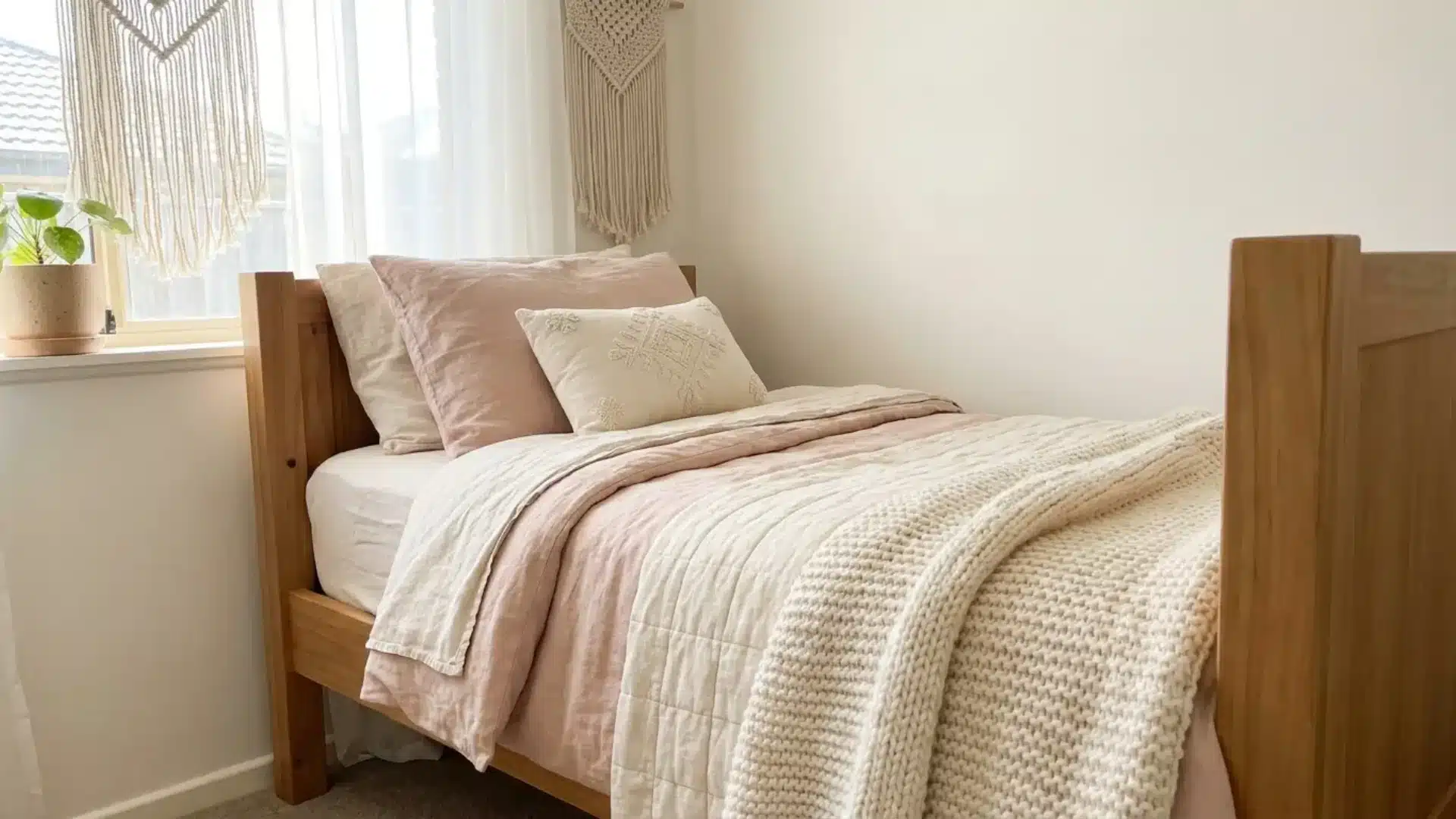
New bedding makes the bed feel special. Bright colors or a pattern the child picks builds excitement.
Most toddler beds use the same mattress size, so old sheets often still fit. Choose breathable cotton over synthetic blends. Look for deep-pocket fitted sheets, since toddler mattresses run thinner.
Wash new sheets before the first use to soften the fabric.
3. Swap the Changing Table for a Dresser
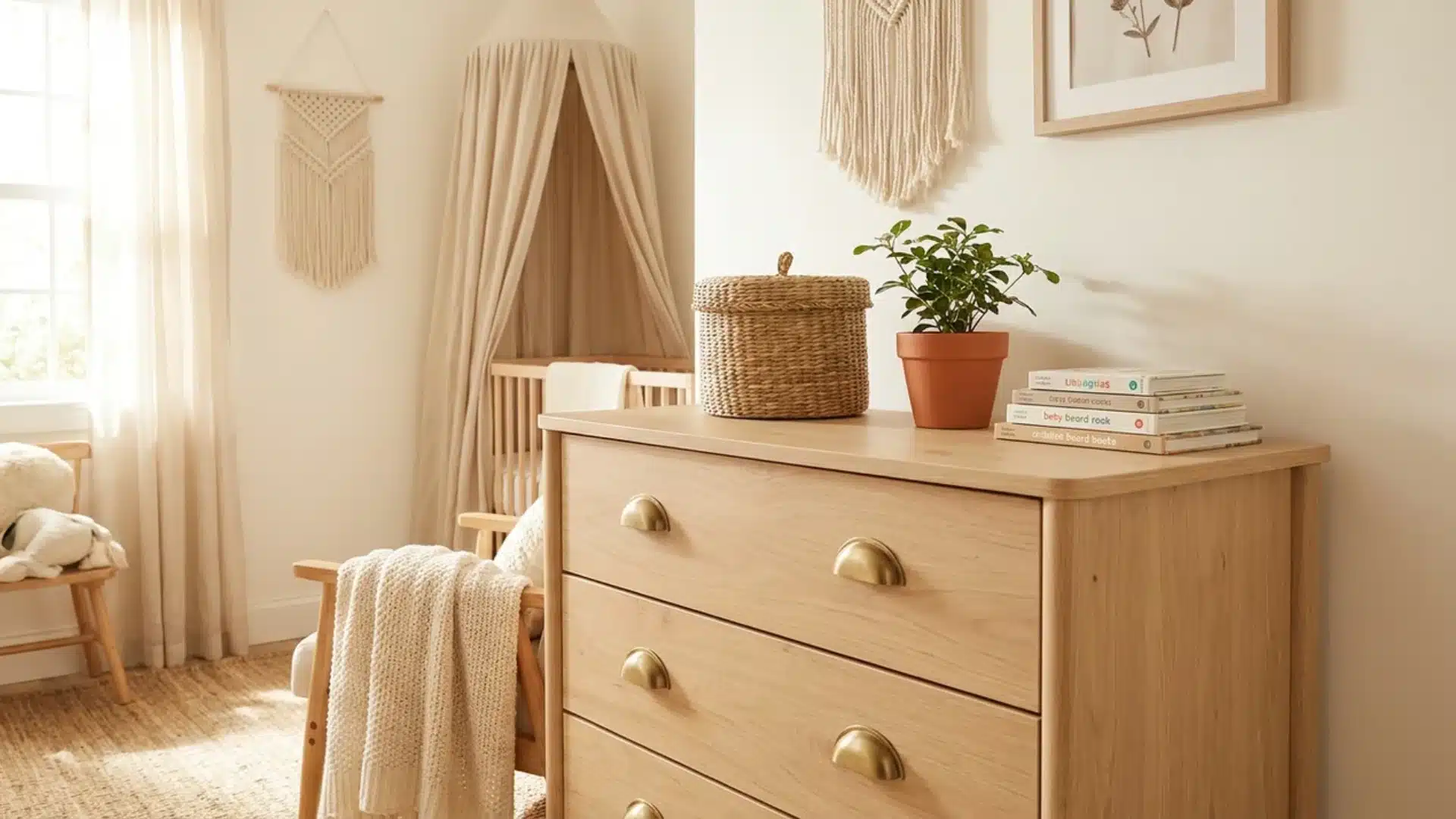
A changing table occupies space even when diaper changes decrease.
A dresser gives a toddler storage for clothes and toys. Lower drawers help kids dress themselves.
Anchor the dresser to the wall first. Solid wood holds up longer than particleboard.
Test drawer glides before buying, since smoother tracks prevent little fingers from getting pinched.
4. Create More Open Floor Space
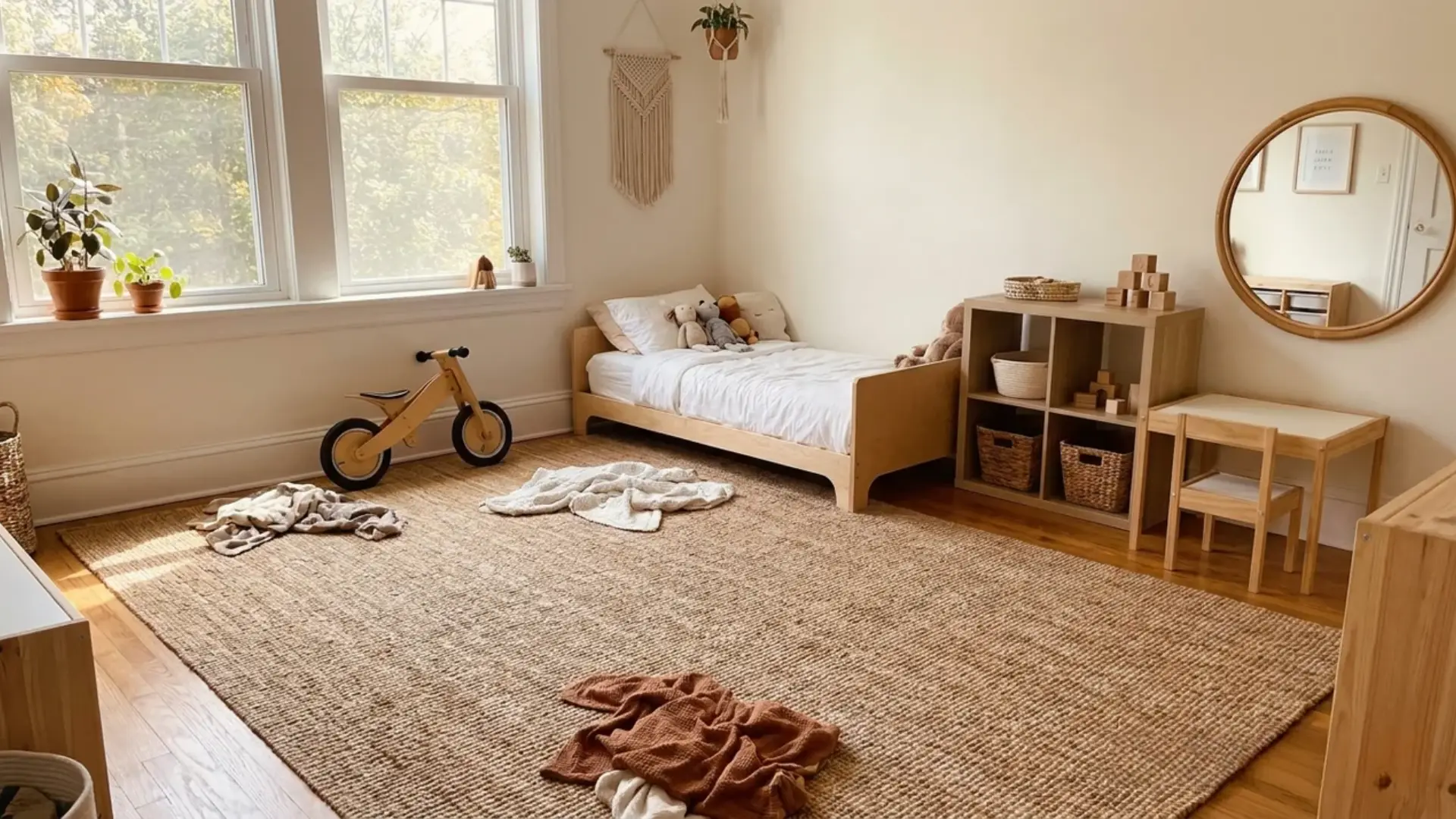
Toddlers require space to move around and play.
Removing a bulky glider or unused diaper pail frees up space right away, and a few smart room layout ideas can help the space feel bigger without buying anything new. Sketch the layout before removing any items.
Ensure there is a clear path from the bed to the door for nighttime movement.
5. Add a Play or Activity Zone
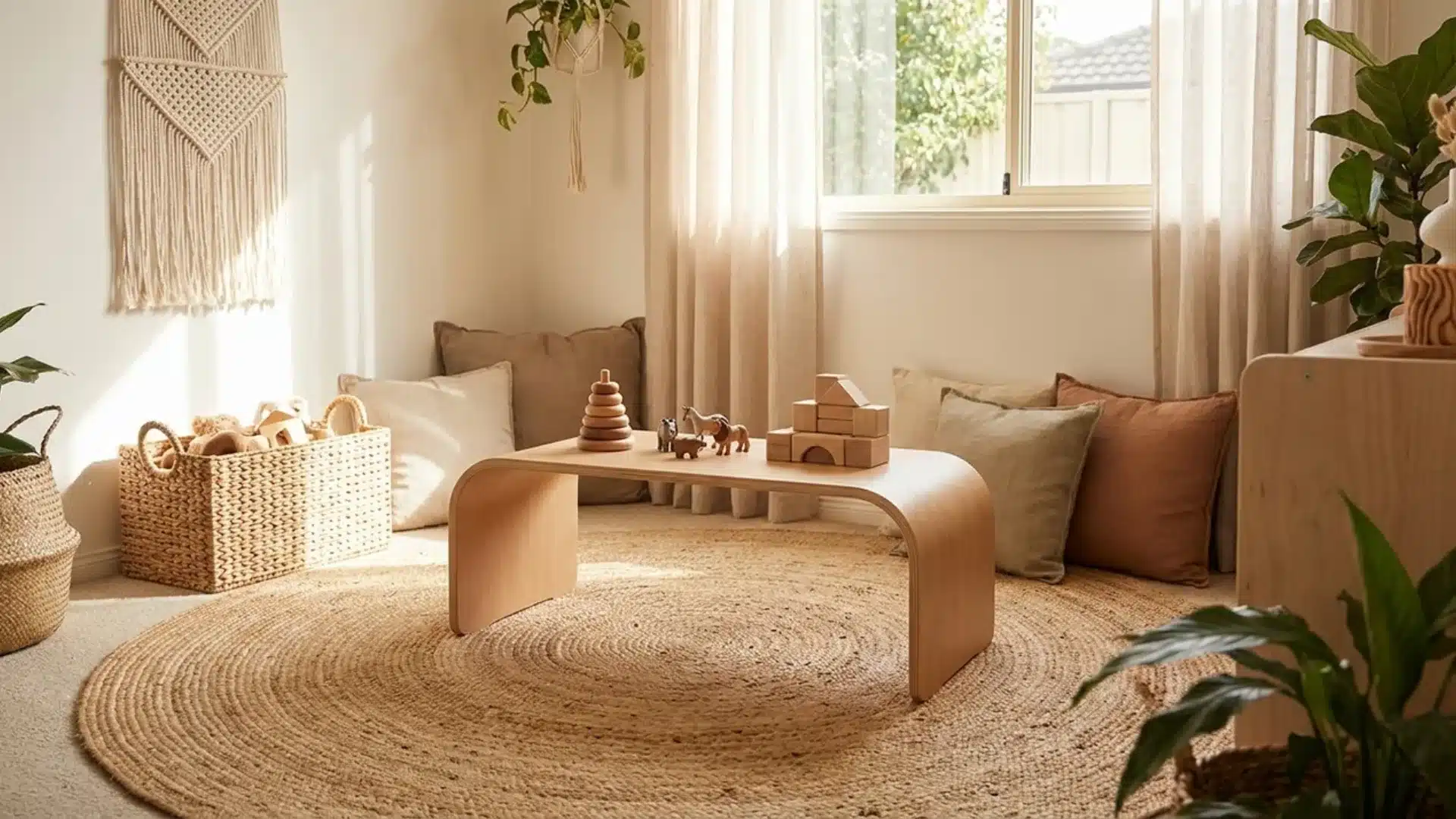
A designated play spot helps a toddler explore independently.
A soft mat or small table works well. Keeping play separate from sleep space supports better bedtime habits.
Choose furniture that matches a toddler’s height rather than small versions of adult furniture.
IKEA’s toddler furniture collection offers a reliable, cost-effective option, and their size guides help ensure a proper fit. Rotate a few toys weekly to keep the zone feeling fresh.
6. Add a Name Sign
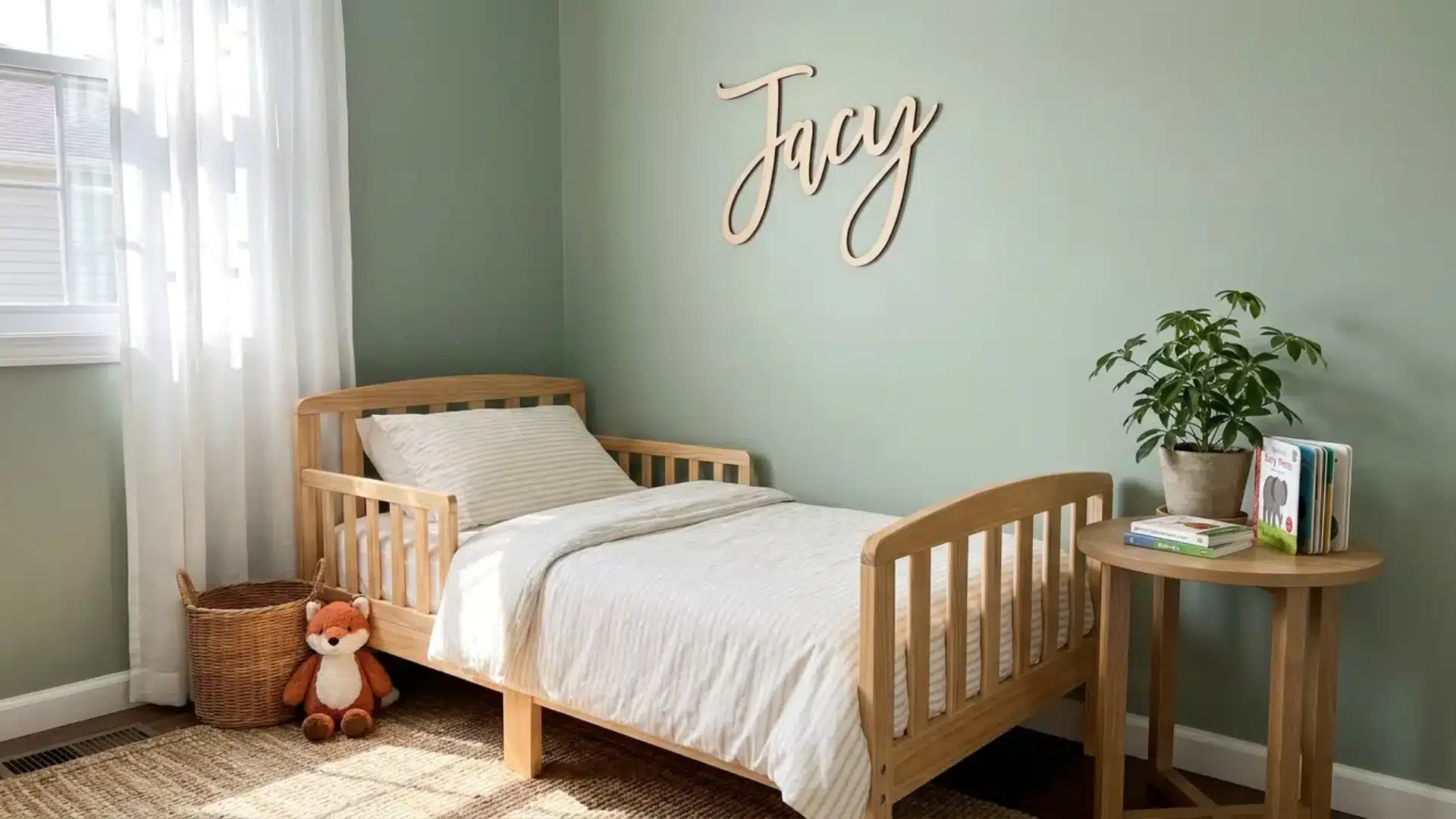
A personalized sign helps make the room feel truly like it belongs to the child.
It can be positioned either above the bed or close to the door.
Lightweight wood or felt letters that are safe for walls are simple to mount without damage. Wrapping a small string of lights around the sign creates a warm, finished look.
7. Bring in a Colorful Area Rug
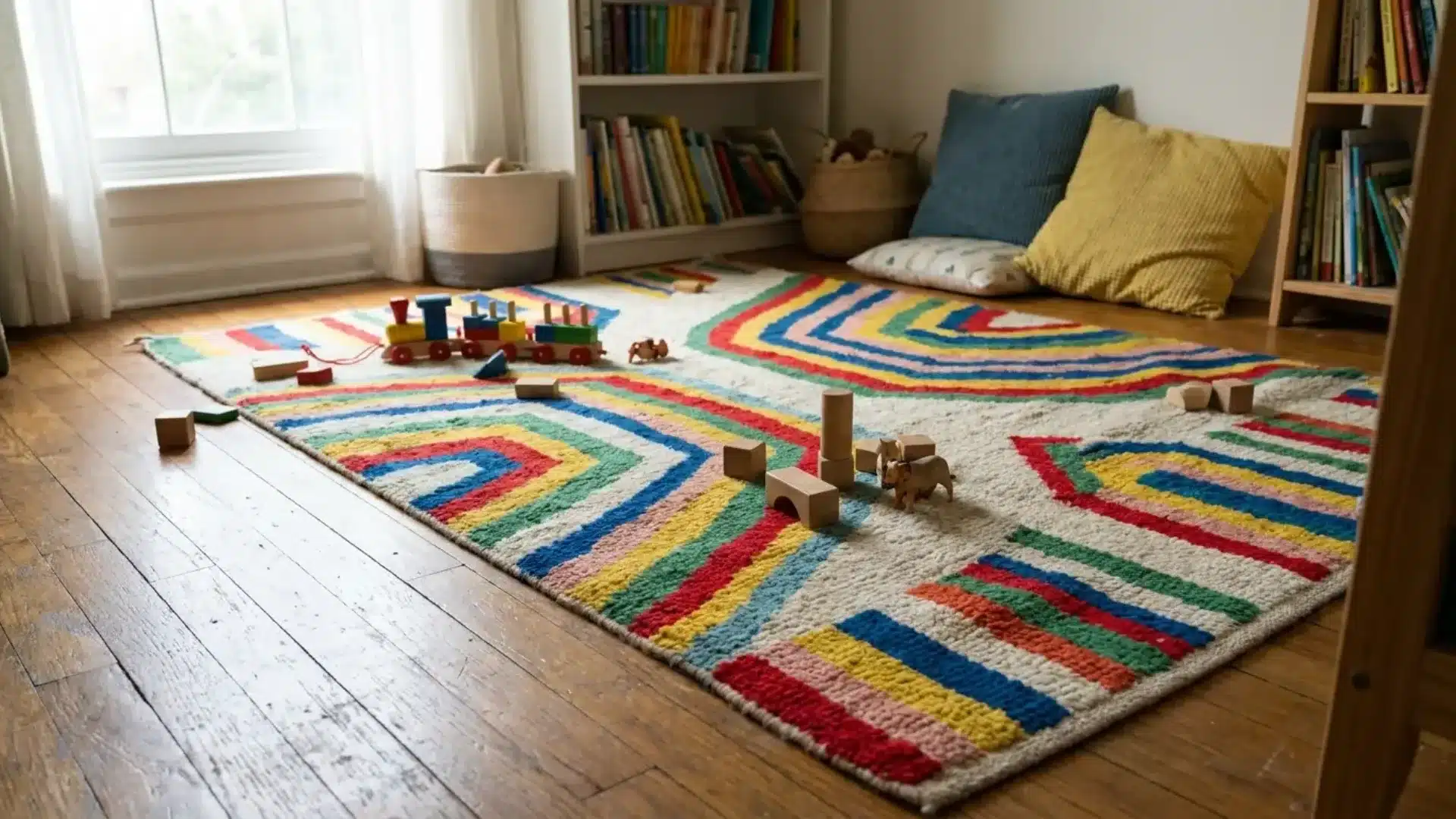
A soft rug provides warmth and helps distinguish play and sleep areas.
Patterns provide toddlers with visual cues for where to sit. Cushions underfoot offer protection during tumbles. Stain-resistant, low-pile rugs are easier to clean than plush ones.
Start by measuring the floor area, because a large rug might overpower a small room.
Getting the size right matters more than the pattern, as a small rug will float in the room’s center instead of anchoring it.
8. Store Toys and Clothes at Child’s Level
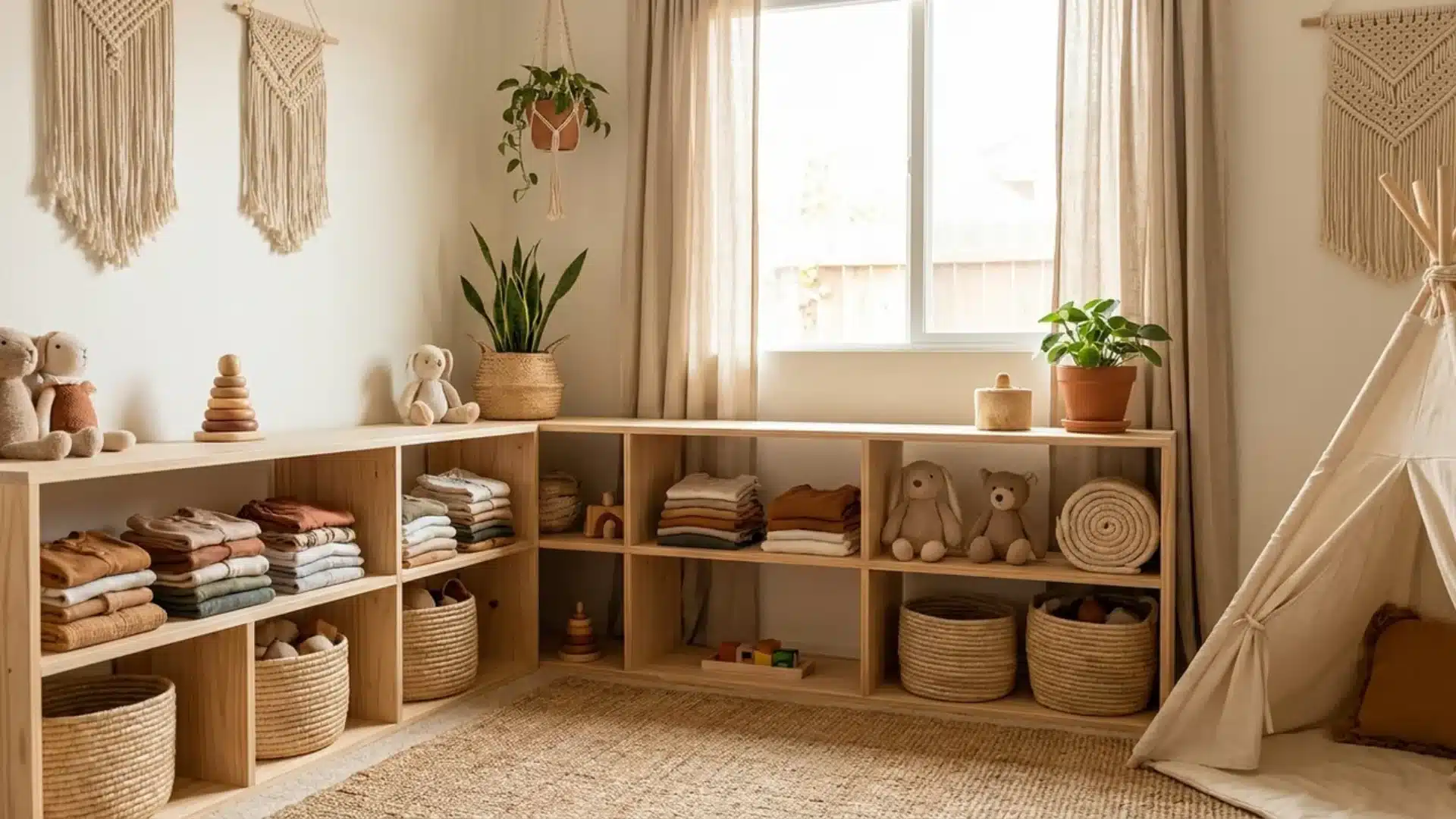
Lower storage fosters independence by encouraging cleanup and dressing.
Open shelving and floor baskets work best. Secure shelving units to wall studs for safety.
Review several nursery storage guides before purchasing, as bin sizes and shelf depths vary widely by brand.
Use picture labels on bins to help toddlers sort items independently.
9. Add a Cozy Reading Corner
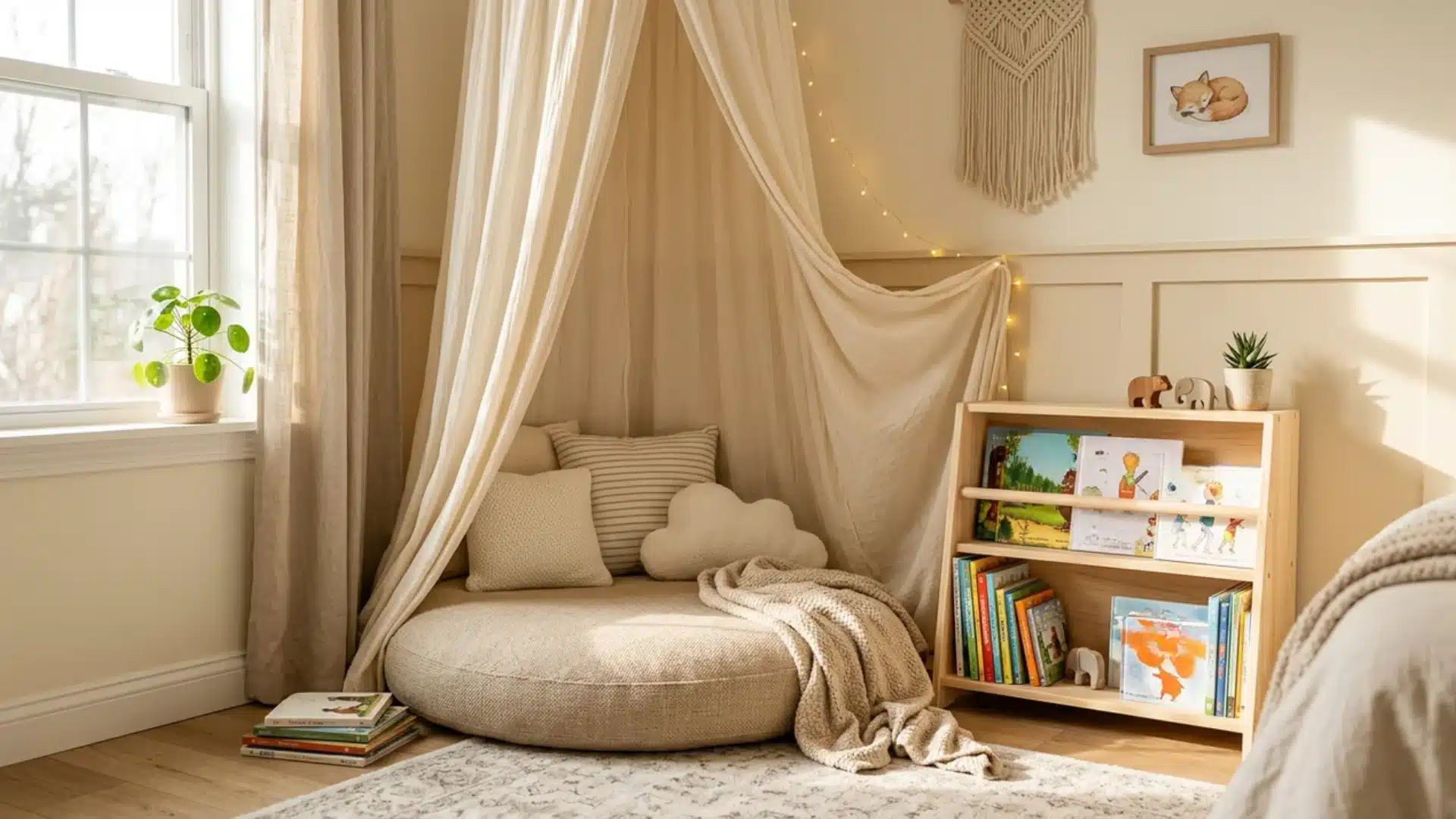
A cozy nook with a cushion or small chair provides a peaceful reading area for a toddler. A few beloved books on a low shelf make it appealing. Place it away from busy footpaths.
A soft lamp provides a cozy glow without overwhelming the area.
Maintain current books to ensure the corner remains inviting.
How to Help Your Toddler Adjust to the New Room
A new bed and open floor space can feel exciting. Some toddlers still need extra time adjusting to sleeping without crib rails. A few habits make the adjustment smoother:
- Keep the Bedtime Routine Consistent: Use the same books, songs, and nightlight so your toddler feels secure despite the physical changes.
- Use a Toddler Clock: It signals when it’s okay to get up, giving a visual cue young kids understand easily.
- Add a Gate at the Door: Helpful if wandering becomes an issue overnight.
- Praise, Don’t Scold: Praising a toddler for staying in bed usually works better than scolding when they don’t.
- Track Progress with a Sticker Chart: It reinforces that praise with something visual to track.
- Let them Help Decorate: Choosing even a single pillow or poster builds excitement and a sense of ownership.
Toddler Bed vs Twin Bed: Which is Right for Your Child?
Size isn’t the only factor that sets these two options apart.
| Factor | Toddler Bed | Twin Bed |
|---|---|---|
| Best age range | 18 months–3 years | 3 years and up |
| Mattress size | Smaller, standard crib mattress | Standard twin mattress |
| Room footprint | Compact, saves space | Needs more floor area |
| Longevity | Outgrown within a couple of years | Lasts through childhood |
| Cost over time | Lower upfront, replace sooner | Higher upfront, no upgrade needed |
| Bedding availability | Limited styles | Wide variety of options |
| Transition ease | Gentle step down from crib | Bigger jump for young kids |
Common Nursery-to-Toddler Room Mistakes to Avoid
Rushing the switch trips up many parents.
Swapping the crib too early, before a toddler shows real climbing risk, can cause more sleep trouble than it solves.
Skipping a floor bed or rail during the early nights invites falls.
Overloading the room with new furniture all at once overwhelms a toddler’s sense of familiarity. Ignoring nap schedules during the shift throws off the whole household’s rhythm.
Placing the bed under a window creates a safety hazard with cords or blinds nearby.
Forgetting to childproof outlets and furniture corners at toddler height leaves gaps in an otherwise careful setup.
Budget-Friendly Ways to Transform the Room
Changing a nursery does not require replacing every piece of furniture or spending a large budget all at once.
A few small, affordable swaps can make the space feel fresh without straining finances:
- Repaint one accent wall: A single wall refresh costs far less than repainting the entire room.
- Shop secondhand furniture: Dressers and toy bins often appear gently used at a fraction of retail price.
- Reuse existing decor: Frame the toddler’s own artwork instead of buying new wall pieces.
- Add peel-and-stick wallpaper: It offers a bold, personalized look without a big investment or commitment.
- Rotate toys instead of buying new ones: Save some and bring them back later to maintain variety without extra expense.
Frequently Asked Questions
1. What Age Should I Switch from Crib to Toddler Bed?
Most children transition between 18 months and 3 years old, depending on climbing behavior and readiness signs.
2. Do I Need a New Mattress for a Toddler Bed?
No, most toddler beds fit standard crib mattresses, so your existing one usually works fine.
3. How Long Should a Toddler Use a Toddler Bed?
Typically two to three years, until they’re ready for a twin bed around age five.
4. Should I Remove the Crib Before the Toddler Bed Arrives?
Keep both temporarily if space allows, letting your child adjust gradually without feeling rushed.
5. Is a Floor Bed Better than a Raised Toddler Bed?
Floor beds reduce fall risk for restless sleepers, though raised beds offer easier nighttime access.
Summing It Up!
Turning a nursery into a toddler room does not have to happen overnight or cost a fortune.
Small, clever changes, like a converted crib and a cozy reading corner, create a space that fits a growing toddler.
Watching for readiness signs rather than rushing the timeline makes the whole process smoother for everyone involved. Every child adjusts differently, so patience matters just as much as planning.
Which idea from this list feels like the easiest place to start?
Share it in the comments below, along with any tips that worked for your own toddler’s room transformation.