

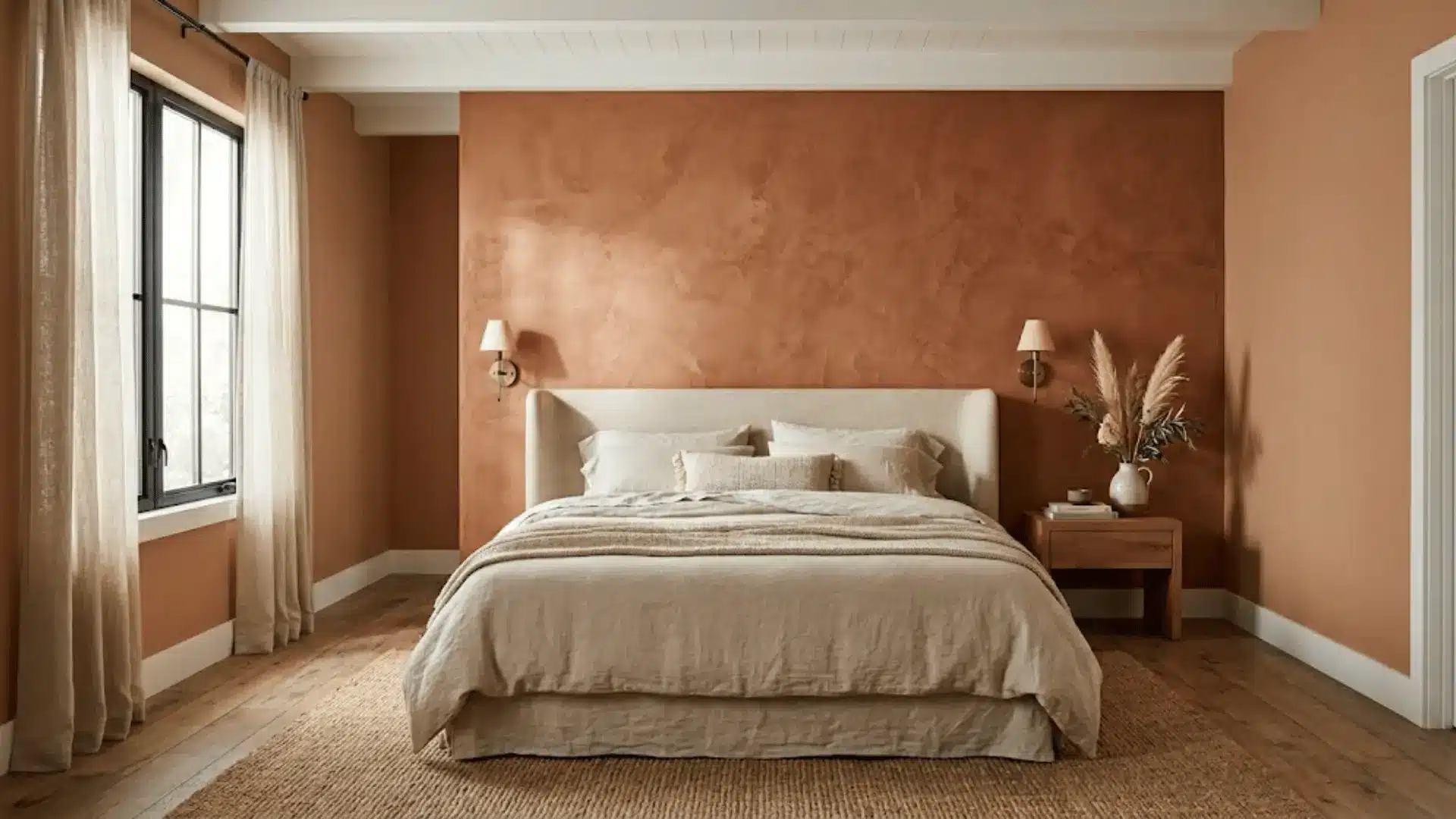
Honestly, the question of are accent walls out of style comes up every time a new design era rolls in, and the answer is never quite as simple as yes or no.
Painted accent walls have shifted from a passing trend into something more considered, more personal.
The way people use a bedroom accent wall today looks a lot different from the way it did a decade ago, and that evolution is worth paying attention to.
Before you write it off or commit to it completely, it helps to understand what modern interiors are actually doing with this idea right now.
Are Accent Walls Actually Out of Style in 2026?
The classic painted accent wall isn’t exactly having its best year. Here’s where design opinion actually lands in 2026.
A single bold color on one wall has largely lost designer backing, with many pointing to how it interrupts the visual flow of a room rather than adding to it.
The full-room, single-hue approach is gaining ground as the more cohesive alternative. That said, the accent wall as a concept isn’t gone, just rerouted.
Designers are now expressing that same focal-point instinct through material, texture, and layering rather than reaching for a contrasting paint color.
Why Have Painted Accent Walls Fallen Out of Favor?
The painted accent wall had a long run, and that’s partly why it started to feel tired. Overexposure has a way of turning a design choice into a design cliché.
The 2010s: When Accent Walls Were Everywhere
At their peak, painted accent walls were the go-to move for anyone wanting to add personality to a room without committing to a full repaint. The problem was saturation.
Once every bedroom, living room, and rental apartment had one, the look stopped feeling like a choice and started feeling like a default. What began as a shortcut became synonymous with one.
The Shift: Why Full-Room Color Started Winning
Design conversations began turning when experts noted that going all-in on a full-room palette creates far more impact than isolating a single wall.
A cohesive color story throughout the space felt considered; a lone bold wall started feeling arbitrary. The question designers began asking wasn’t “which wall” but “why this wall at all?
What’s Replacing the Accent Wall in 2026?
The goal was never really the accent wall itself; it was the pop of color, the focal point, the moment of intention.
In 2026, that same instinct is being channeled through texture, material, and layered color rather than one painted wall with no architectural reason behind it. The aim stayed the same; only the method changed
Here’s what’s taking the painted accent wall’s place.
| What’s Fading | What’s In Instead | Why It Works Better |
|---|---|---|
| Single bold painted wall | Color drenching | Walls, ceiling, and trim in one hue read as curated, not trend-driven |
| Flat paint on one feature wall | Textured finishes | Limewash and Venetian plaster add depth that flat paint never could |
| Shiplap and reclaimed wood | Fluted walls, wainscoting | Changes what the surface is, not just how it looks |
| Geometric painted patterns | Scenic mural wallpaper | Wraps all four walls for a fully immersive effect |
| Contrasting accent colors | Tonal palette with varied sheens | Creates a dimension without visual disruption |
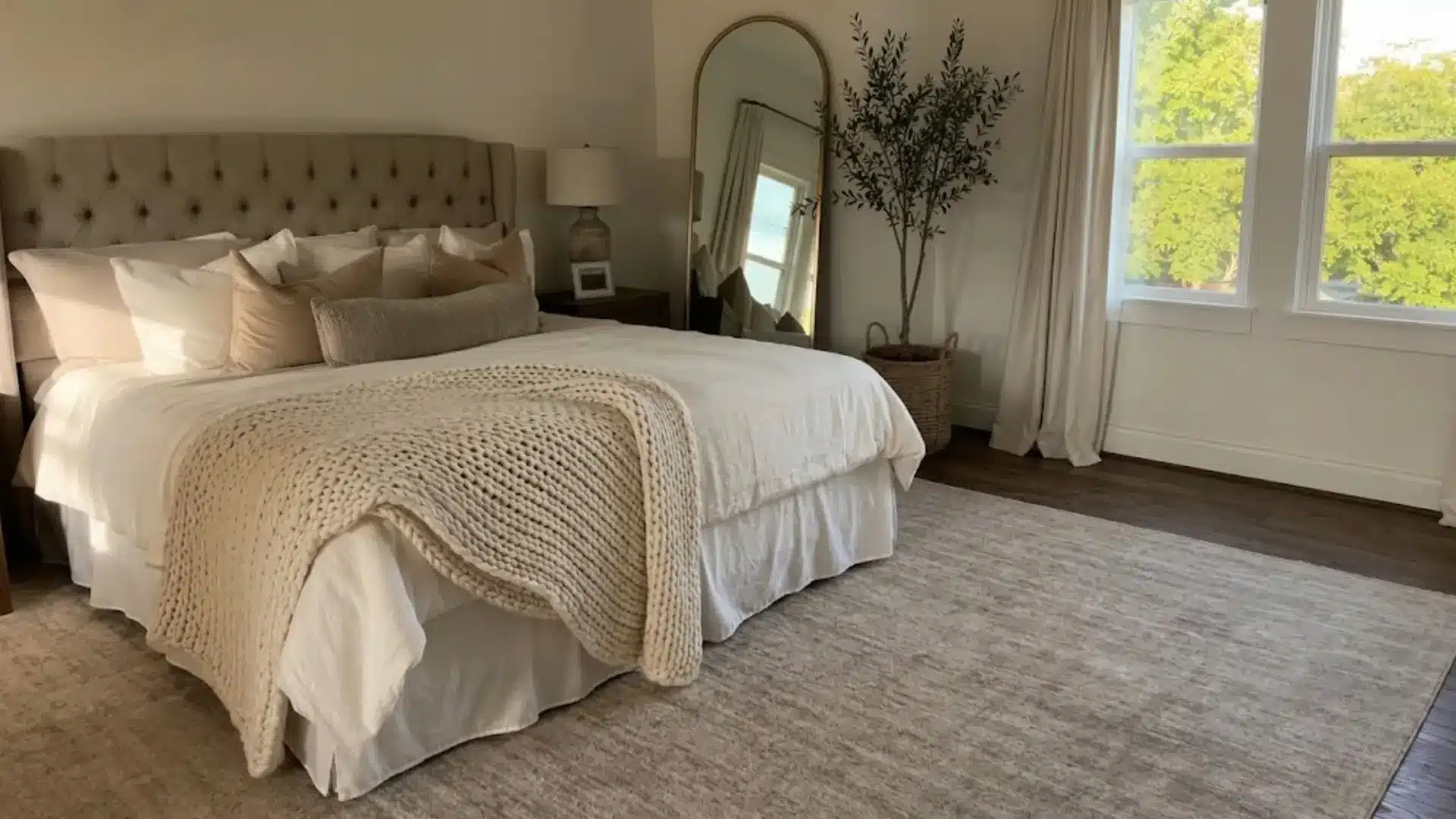
| Painted bedroom accent wall | Statement headboard | Anchors the room without touching a single wall |
- Color drenching is the biggest emerging direction: same love of color, applied with far more commitment and cohesion.
- Architectural interventions like molding, vertical slats, and fitted joinery age gracefully because they alter the surface itself.
- Accent doors are having a quiet moment: same pop of color as a feature wall, but more intentional and far less visually heavy.
Are Bedroom Accent Walls Still Worth It?
The bedroom is where personal expression gets the most room to breathe, and the accent wall still has a place there, depending entirely on how it’s done.
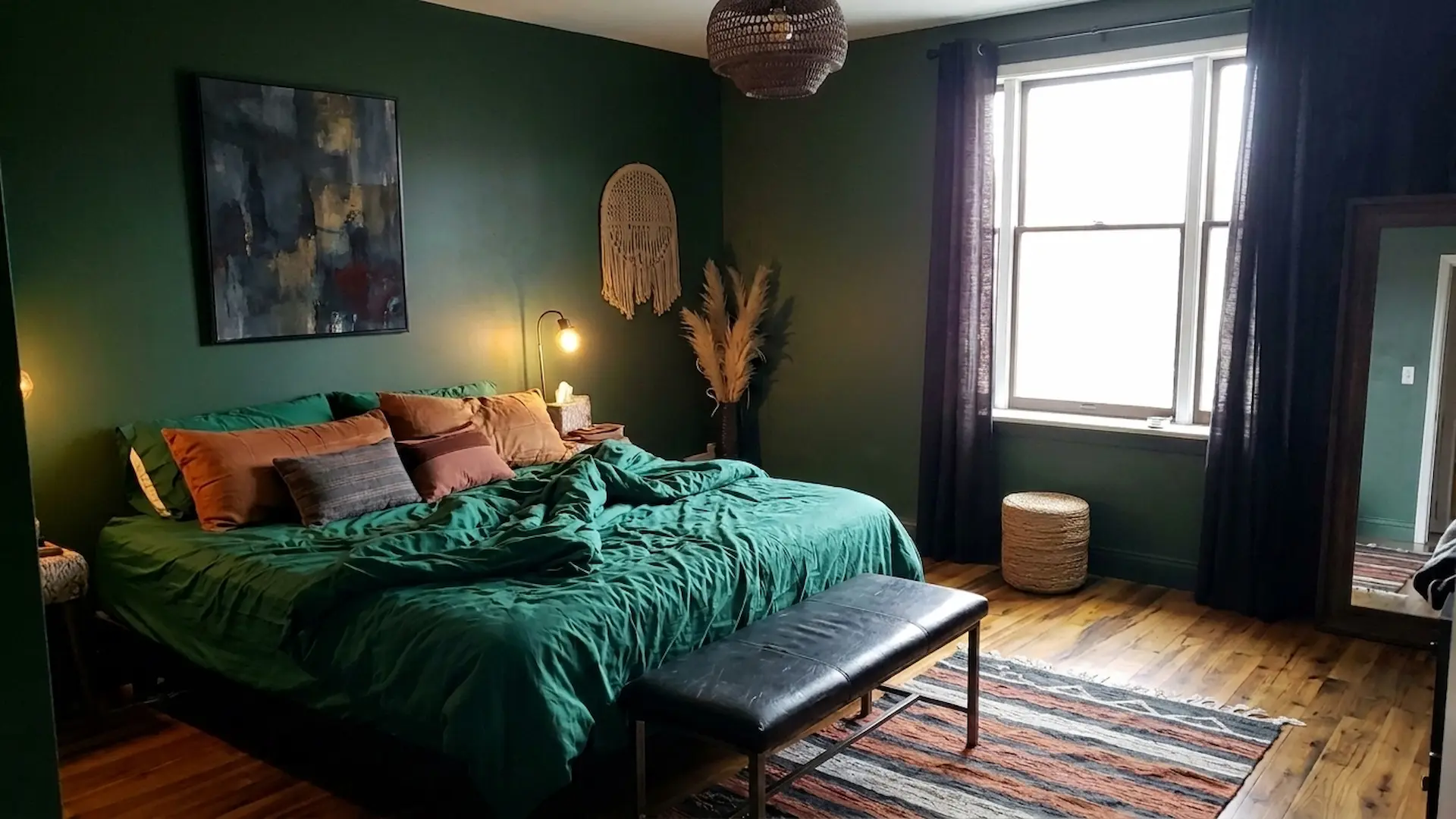
Full-room saturation is where bedroom design is heading: clay pinks, dusty plums, deep sages carried across walls, textiles, and furniture together.
Oversized, architecturally elaborate headboards are also replacing the painted bedroom accent wall as the room’s natural focal point. If the concept still appeals, lean toward tonal over contrasting and texture over flat paint.
What reads as dated now: one bold wall surrounded by plain neutrals everywhere else.
When Painted Accent Walls Still Make Sense
Not every space has the budget or the flexibility for plaster finishes and architectural work. Painted accent walls still hold up in the right context.
- In rentals where textured finishes or wallpaper simply aren’t an option.
- In children’s rooms built to evolve, easier to repaint than to redo.
- When the color is tonal, a few shades deeper than the surrounding walls, rather than jarring.
- When intentional lighting makes the wall feel deliberate, not incidental.
- When texture, pattern, or dimension does the work rather than flat paint alone.
The common thread across all of these: there’s a reason behind the wall. In 2026, that reasoning is what separates a painted accent wall that works from one that just dates a room.
7 Accent Wall Trends Defining Interior Design in 2026
The accent wall hasn’t disappeared; it’s just wearing something new. These are the directions that are actually gaining ground this year.
1. Textured Plaster Walls
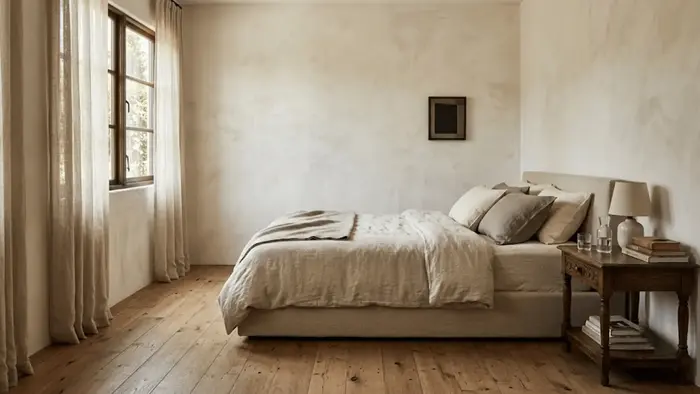
Primary elements: Limewash, Roman clay, Venetian plaster
Where flat painted accent walls once relied entirely on color to make an impression, textured plaster finishes bring depth and movement to a surface without needing contrast at all.
The result is softer, more layered, and far more interesting up close. These finishes also shift with natural light throughout the day, which gives the wall a living quality that a single coat of paint simply cannot replicate.
2. Wood Slat Feature Walls
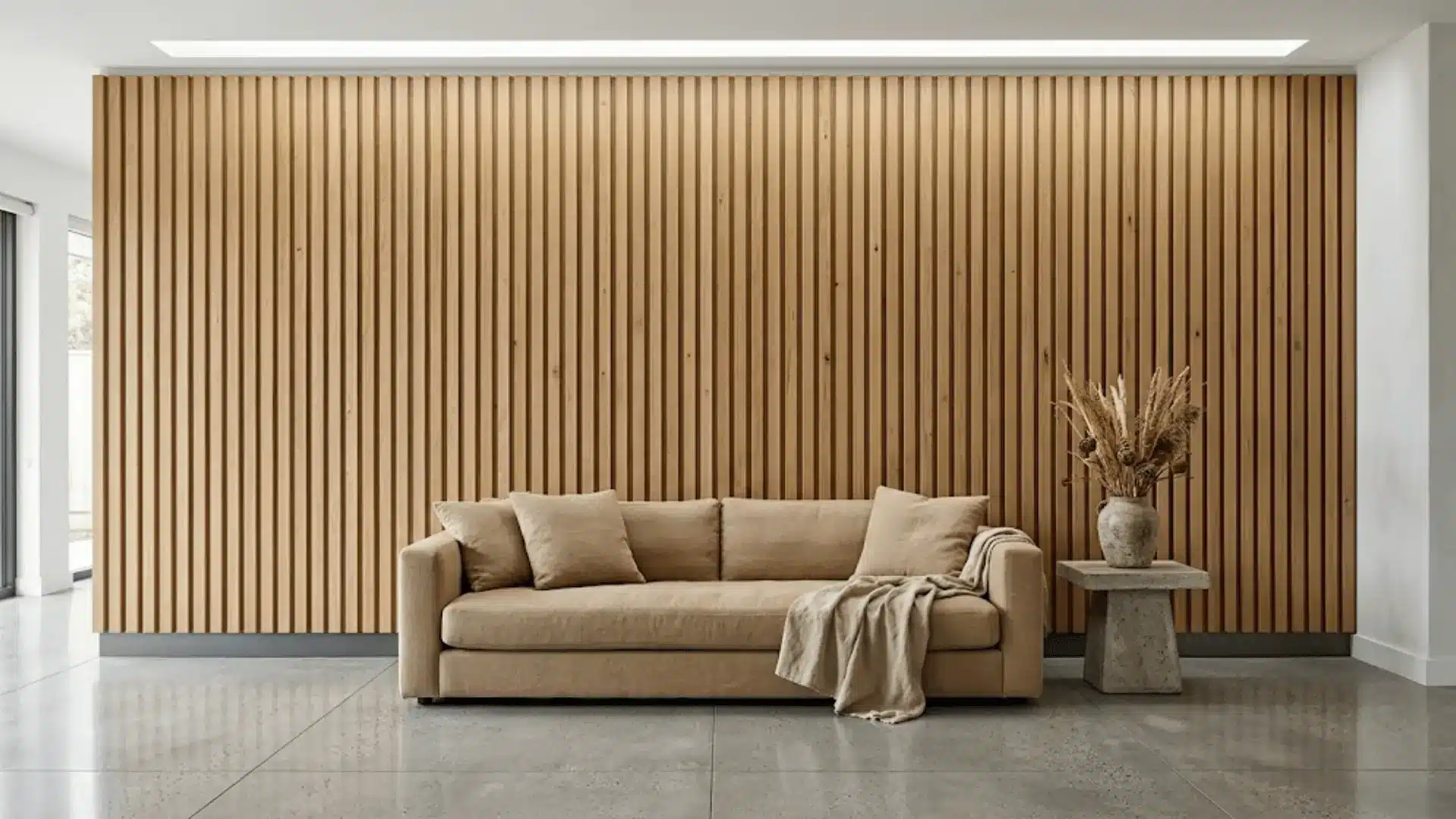
Primary elements: Vertical slats, fluted panels, natural timber finishes
Wood slat walls have become one of the most requested treatments in both living rooms and bedroom accent walls because they do something paint never could: they change the architecture of the surface itself.
The warmth of natural timber combined with the rhythm of vertical lines adds structure and character without demanding a bold color commitment from the rest of the room.
3. Color-Drenched Focal Walls
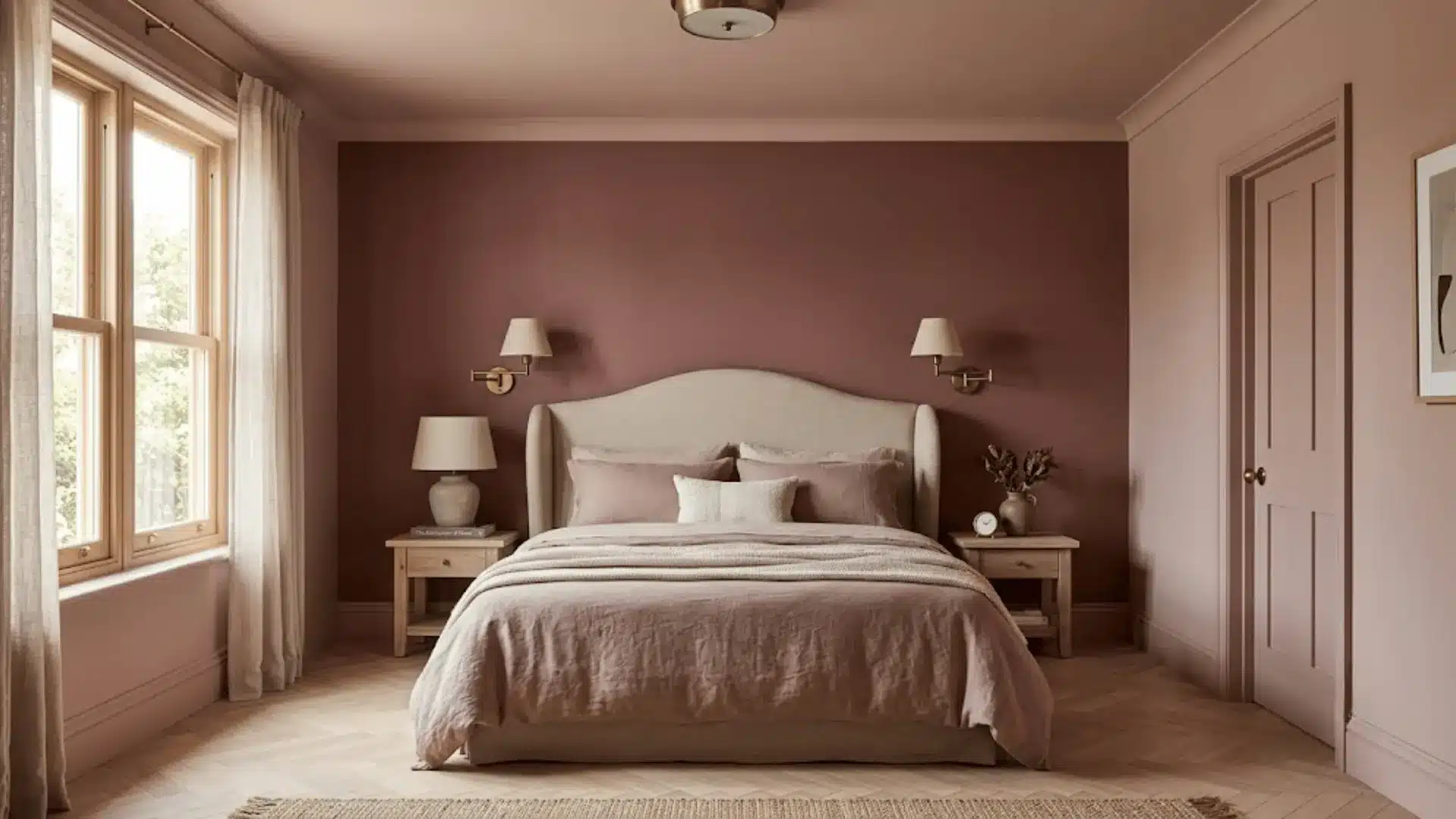
Primary elements: Tonal layering, deeper palette shades, matching trim
Rather than reaching for a contrasting color, designers are building focal points from within the room’s existing palette, just pushed a few shades deeper.
The effect is cohesive rather than choppy, and it sidesteps the dated feeling that a lone bold wall tends to carry. Color drenching works because the wall belongs to the room rather than competing with it.
4. Statement Wallpaper Murals
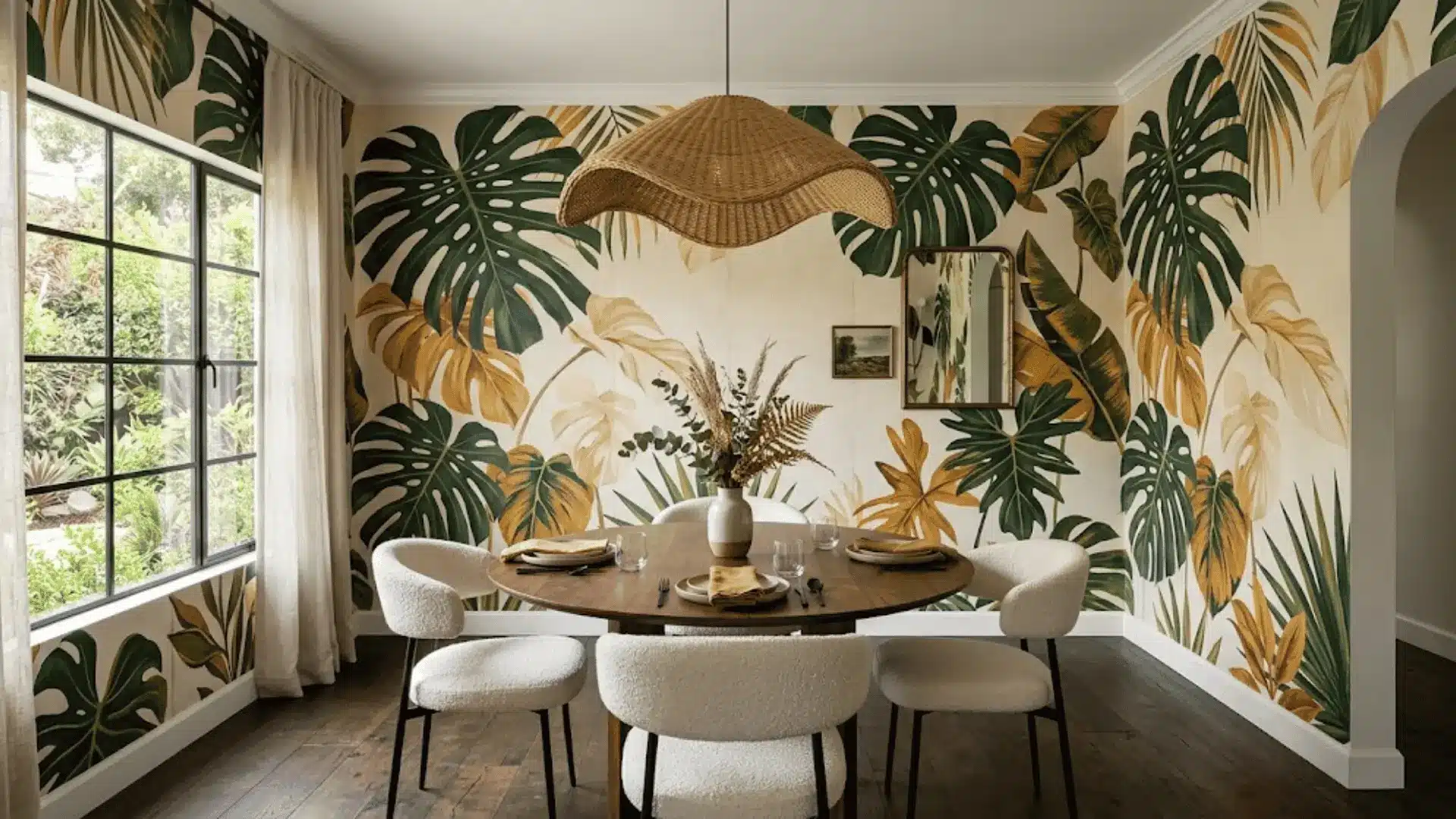
Primary elements: Large-scale murals, artistic prints, scenic wallpaper
Basic painted accent walls are losing ground to wallpaper murals that treat the feature wall as an actual canvas. Large-scale scenic, abstract, and botanical prints across walls create a personal, considered surface.
The shift from paint to paper also signals a broader move toward maximalism done with intention rather than restraint for restraint’s sake.
5. Natural Stone and Stone-Look Walls
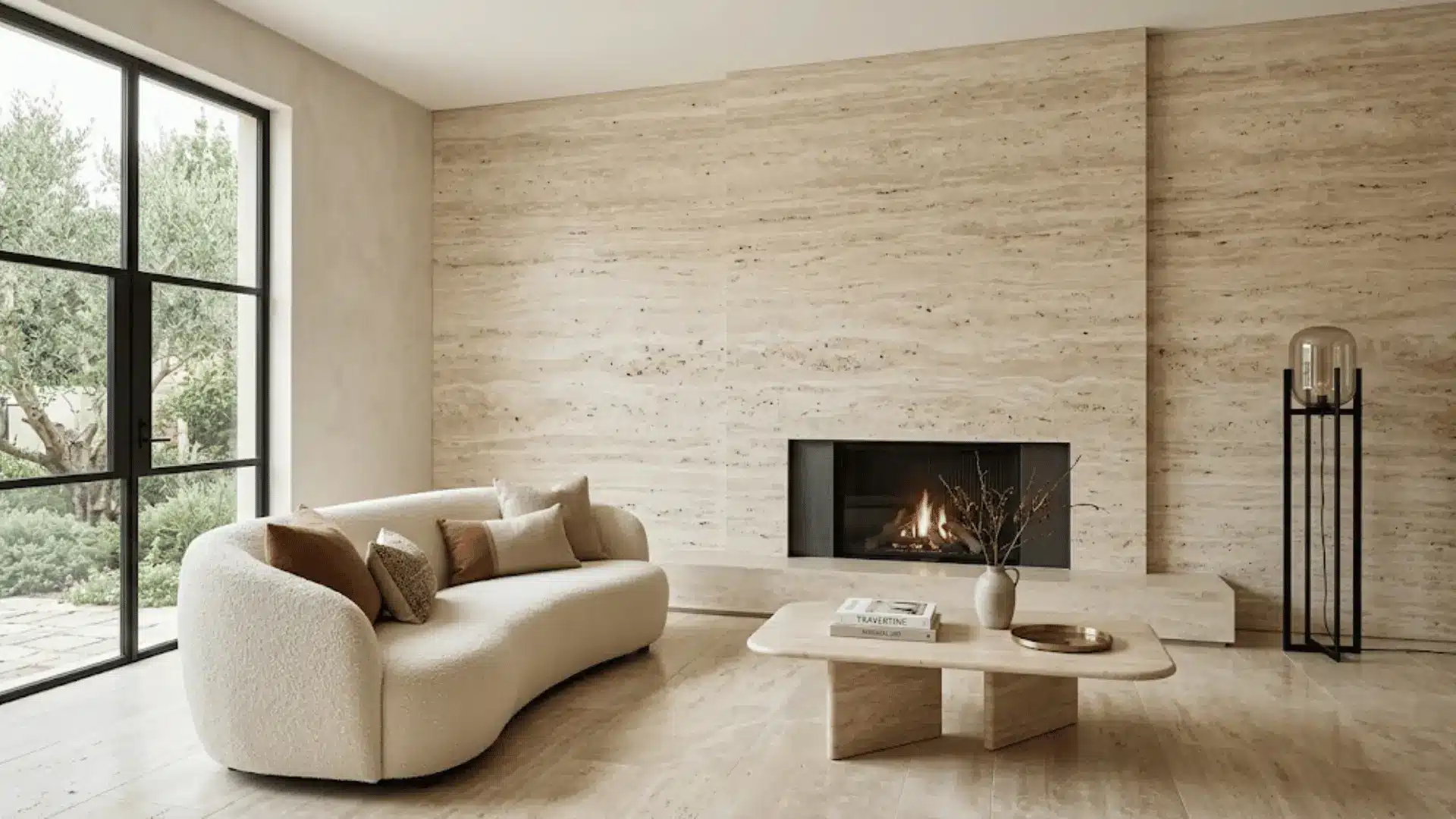
Primary elements: Travertine, stacked stone, realistic stone veneer
Stone and stone-look surfaces add tactile richness that painted walls can’t match. Travertine in particular has had a strong run through 2025 and continues into 2026 as a material that reads as both grounded and refined.
Even stone veneers and realistic stone-look panels deliver the same visual weight, making the treatment accessible without sacrificing the luxury feel the material naturally carries.
6. Sustainable Material Walls
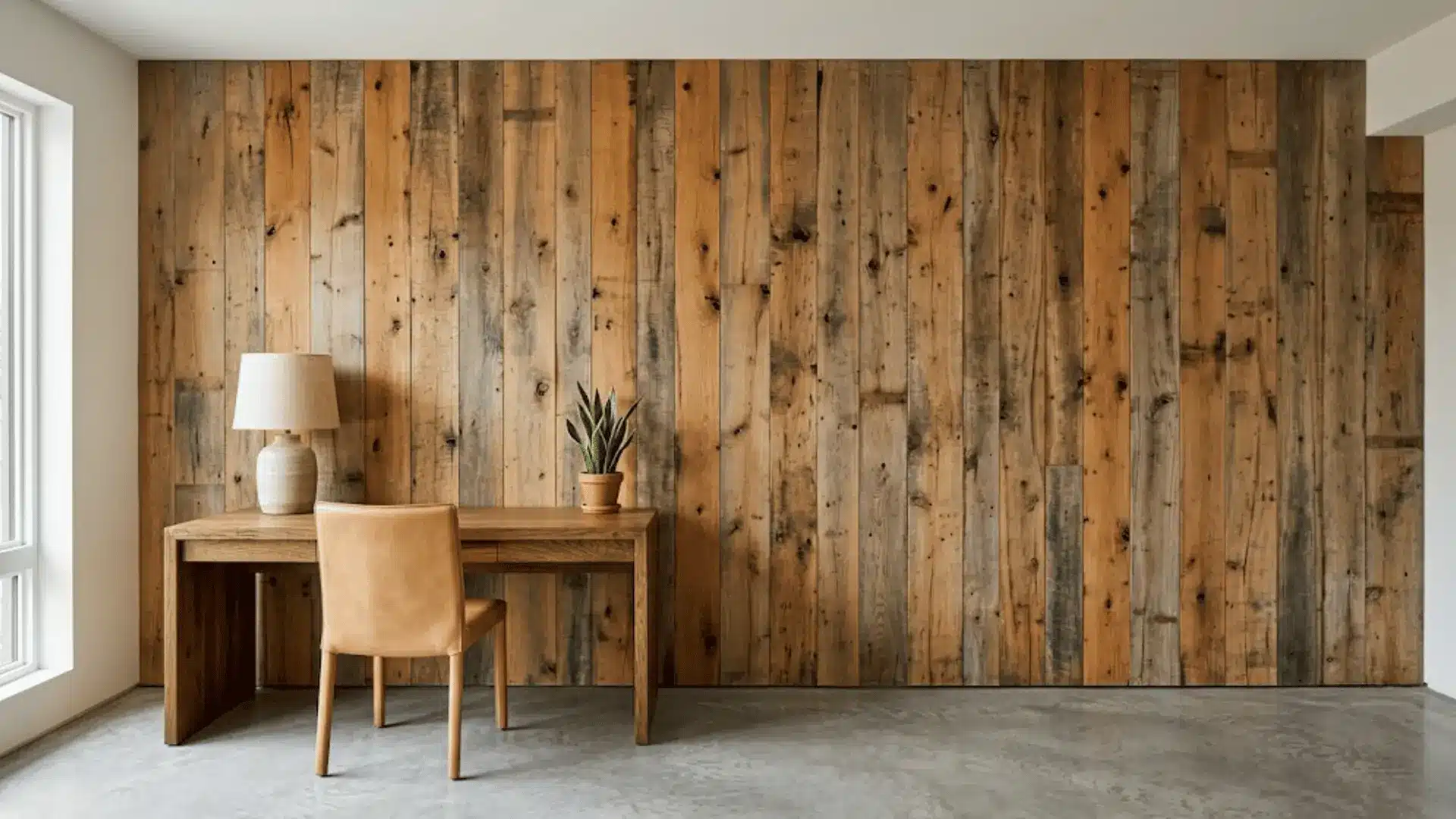
Primary elements: Cork, reclaimed wood, bamboo, eco-friendly panels
Feature walls from sustainable materials are rising in popularity as homeowners seek eco-friendly designs. Cork adds texture and acoustic benefit; reclaimed wood brings history; bamboo offers a cleaner, more contemporary grain.
What ties these together is that the material itself carries the meaning, making the wall feel intentional in a way that a coat of paint rarely does.
7. Integrated Lighting Walls
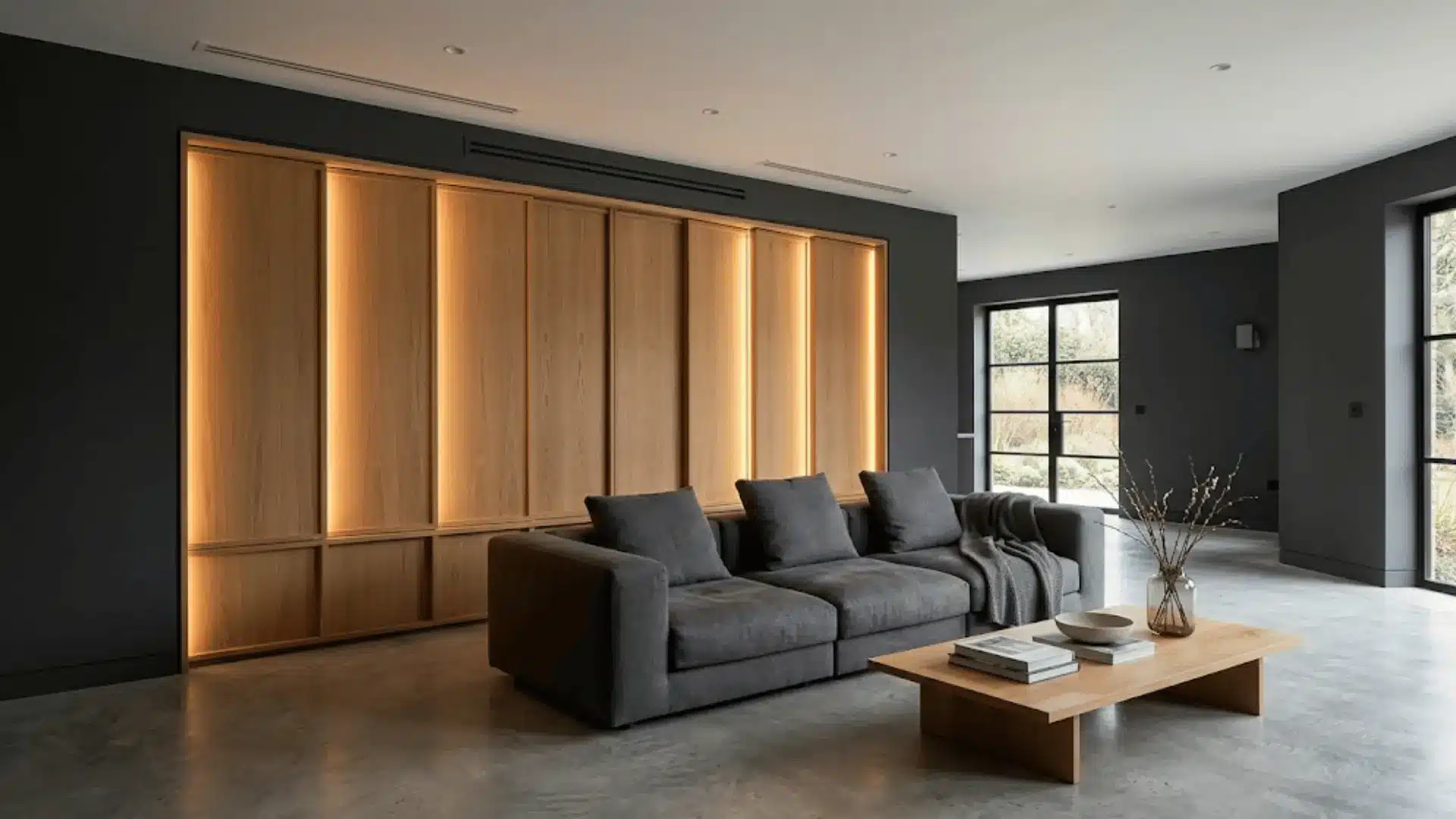
Primary elements: Built-in LED strips, backlit panels, illuminated architectural details
Lighting is becoming part of the wall rather than something pointed at it. Built-in LED strips behind panels, backlit niches, and illuminated details make the accent wall change with the time of day and room mood.
It’s one of the more future-facing directions in 2026 interiors, where the line between architectural detail and lighting design is becoming intentionally blurred.
Interior Designers Share Their Best Accent Wall Rules
The advice from designers this year isn’t about which wall to paint; it’s about whether the wall earns its place at all. A few principles keep coming up.
- Texture Before Color: Let the surface do the work before reaching for a paint swatch.
- Purpose Over Contrast: A focal wall needs an architectural or spatial reason to exist, not just a different shade.
- Match The Home’s Architecture: A treatment that conflicts with the bones of the space will always feel forced.
- Think in Rooms, Not Walls: The accent should enhance how the entire room feels, not just how one wall looks.
- Material Over Paint: Recently, the most enduring choices are the ones built into the surface itself.
The throughline across all of it: intention. The accent walls that hold up are the ones that look like they belong, not like they were added after the fact.
That’s a Wrap
Trends will keep shifting, but the spaces that age well are always the ones built around intention rather than impulse.
Are accent walls out of style in any absolute sense? Not entirely.
What’s fading is the reflex: one bold wall, no real reason, flat paint. What’s staying is the instinct behind it, expressed through texture, material, and a more considered sense of the whole room.
However, you choose to approach your walls this year, make it a decision, not a default.
Have thoughts on your own accent wall plans? Drop them in the comments below.
Frequently Asked Questions (FAQs)
What Color Accent Walls are Trending in 2026?
Warm, muted, and earthy tones are leading the way: terracotta, dusty plum, deep sage, and warm charcoal. The shift is toward tonal depth rather than high-contrast bold color.
What is Replacing Accent Walls?
Textured finishes like limewash and Venetian plaster, color drenching, wood slat panels, and statement wallpaper murals. The focus has moved from a single painted wall to treatments that engage the whole room.
Is Color Drenching Better Than an Accent Wall?
For most spaces in 2026, yes. Color drenching creates a cohesive, immersive feel that a single contrasting wall rarely achieves, and it tends to age far more gracefully.
Which Wall Should Be the Accent Wall in a Bedroom?
The wall behind the bed is the most architecturally logical choice. It already functions as the room’s natural focal point, which means the treatment feels intentional rather than arbitrary.


2 Responses