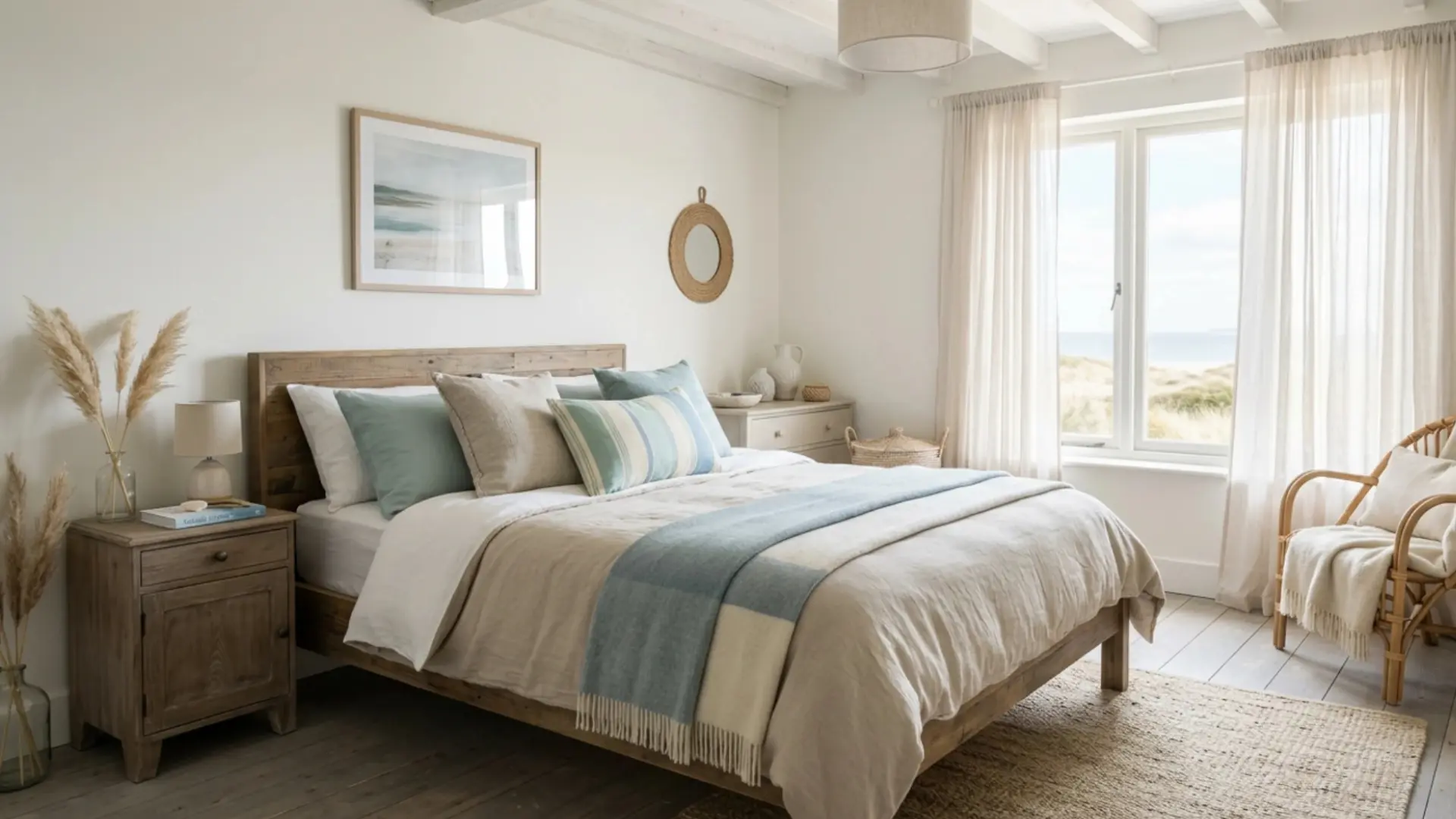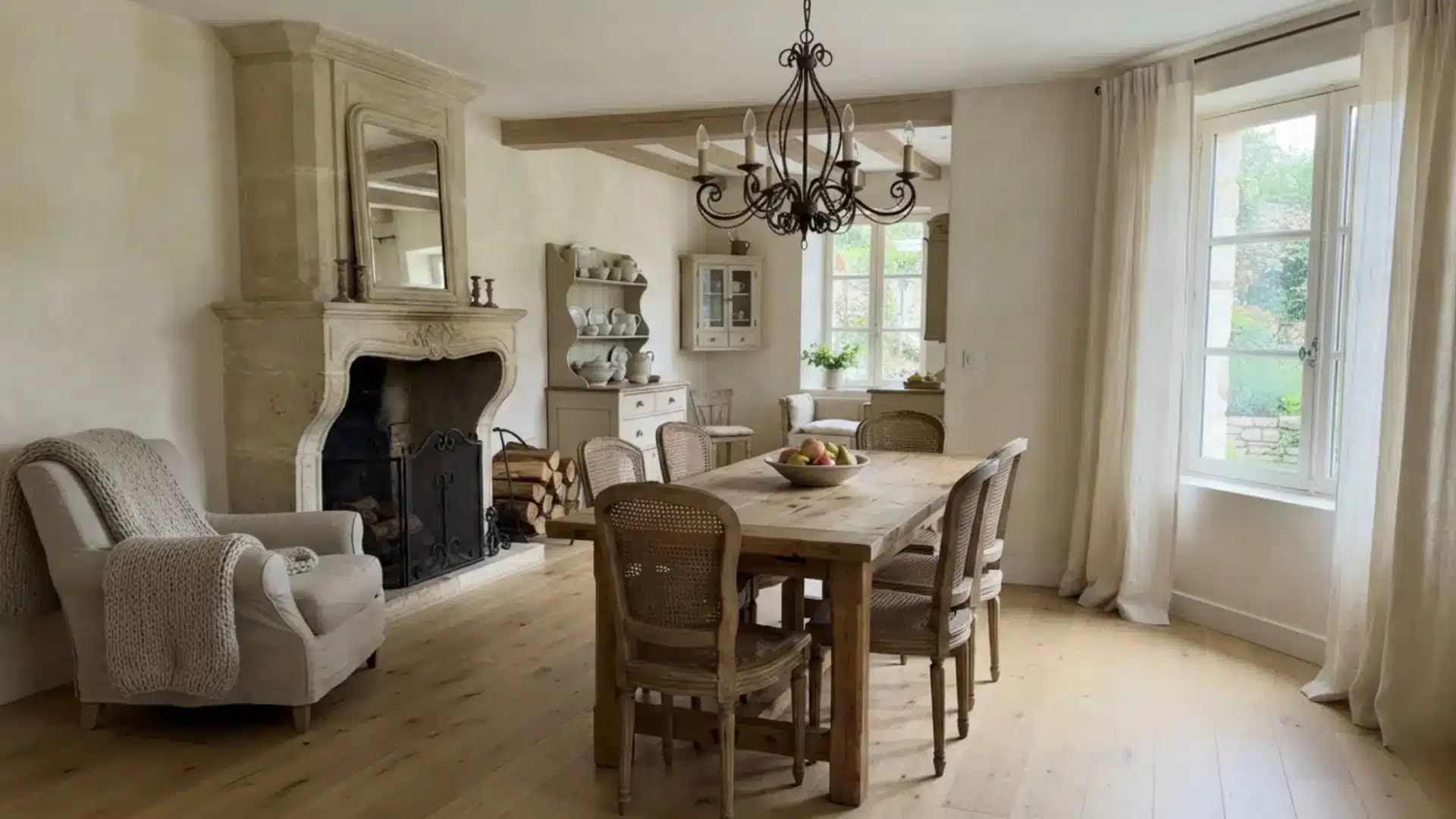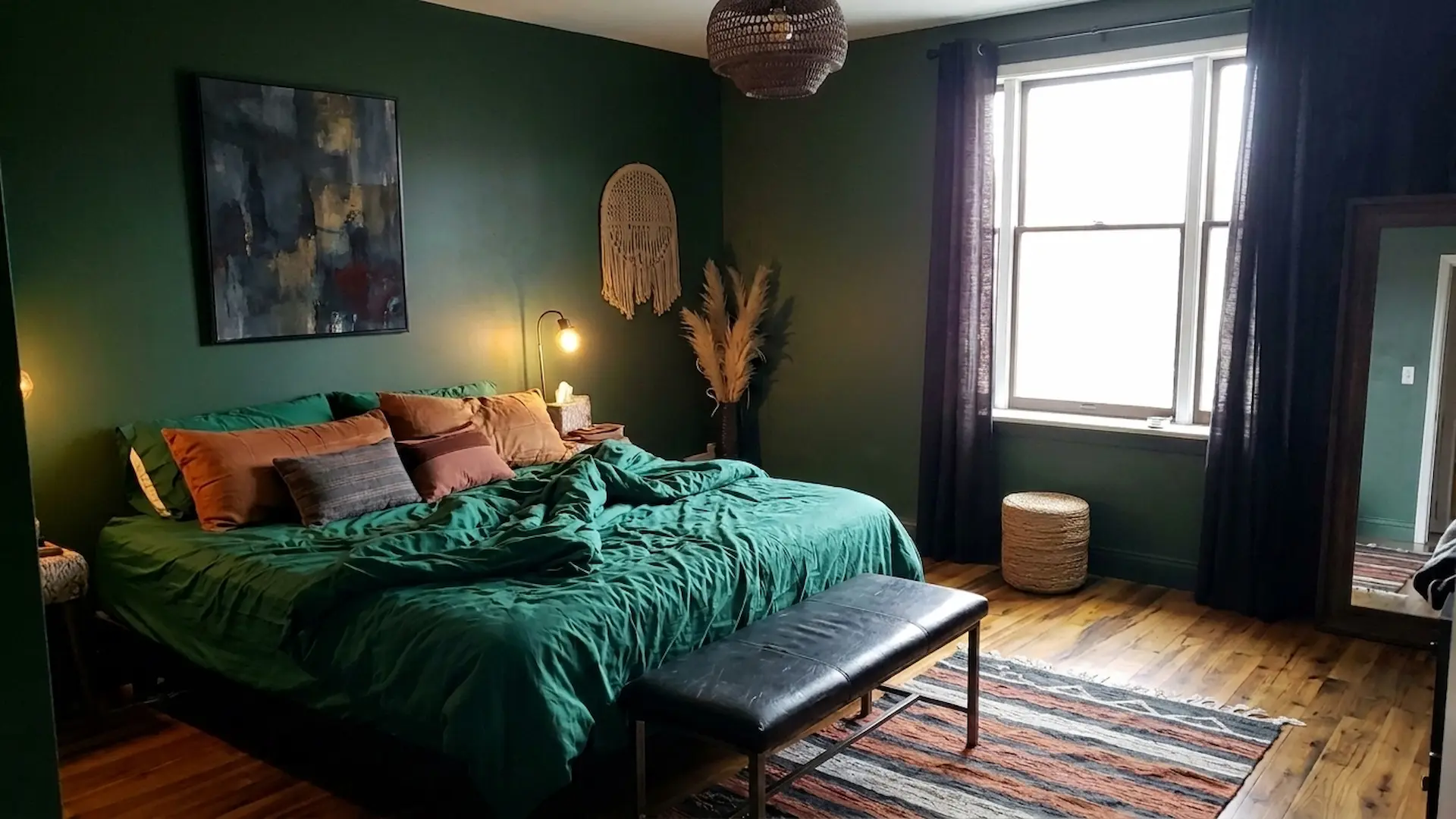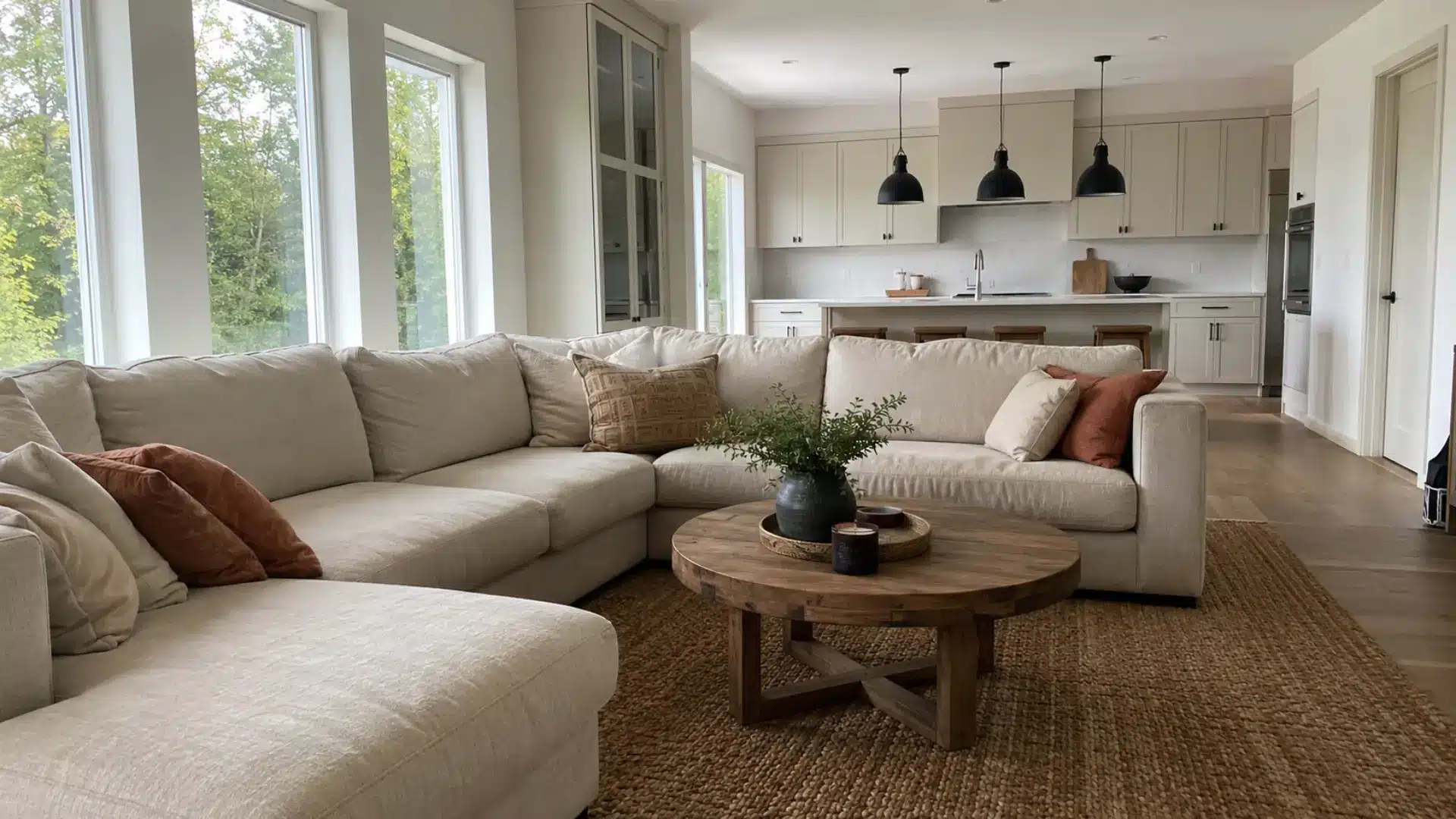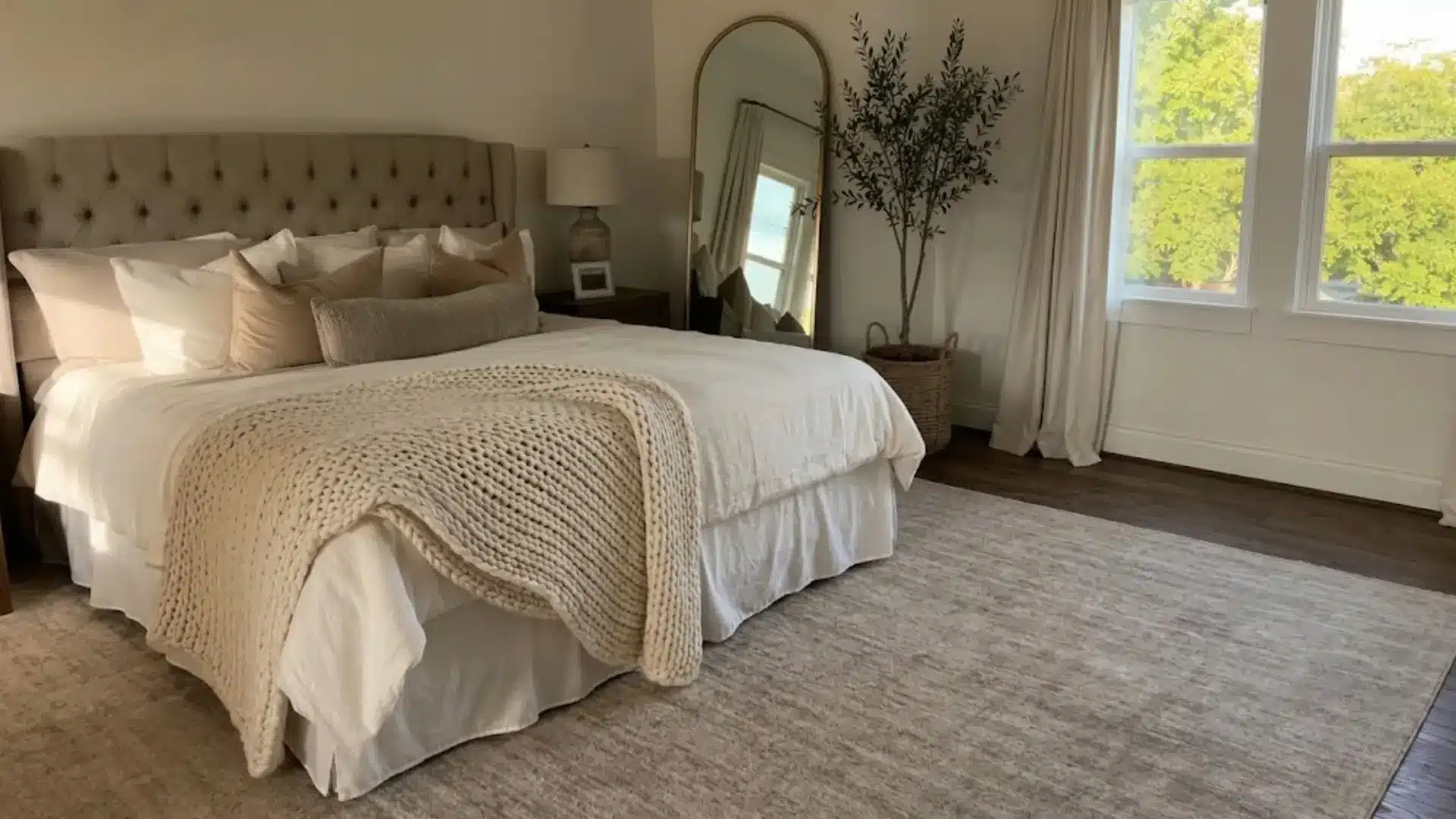

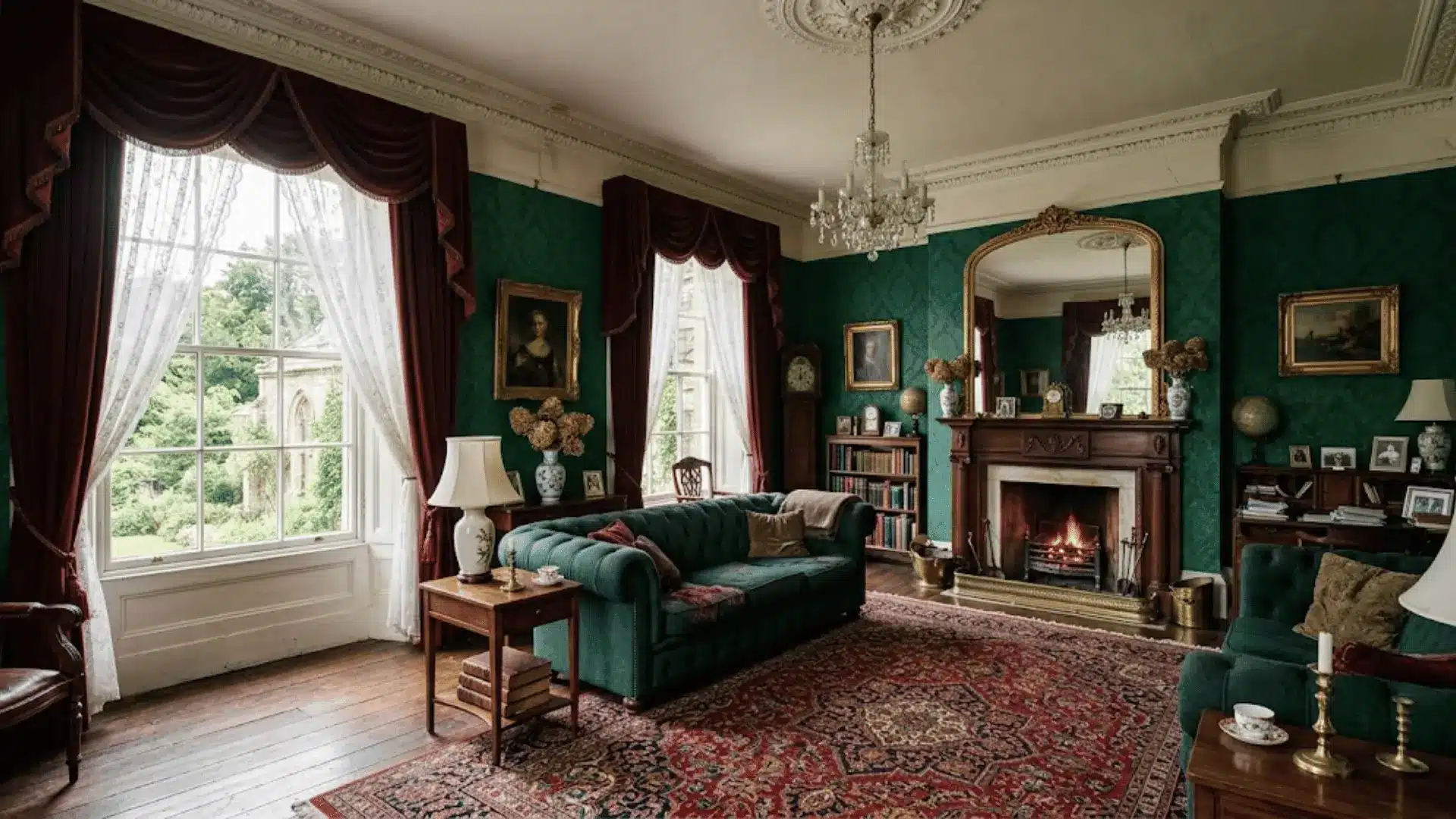
Thick crown moldings, jewel-toned walls, and layers of pattern laid with quiet confidence: the Victorian house interior has always known exactly what it is.
There is a particular atmosphere to these spaces, something between grandeur and intimacy, that no amount of modern paring back has managed to replicate.
The old mansion was never just a home; it was a statement of taste, craft, and considered living, where every cornice and curtain carried intention.
That sensibility translates surprisingly well into contemporary spaces, and the design language is far more adaptable than it first appears. This is where to begin understanding it.
What Made Victorian Interiors So Distinct?
The Victorian era ran from 1837 to 1901, shaped by rapid industrialization and a rising middle class with both money and ambition to spend it.
For the first time, ornamental detail was accessible beyond aristocratic circles, and Victorian households adopted it wholeheartedly.
Interiors became deliberate compositions: carved woodwork and decorative plasterwork paired with richly patterned wallpapers, layered textiles, and furniture built to last generations.
Color was used boldly, craft was taken seriously, and no surface was left unconsidered.
Every room told a story, and the details were the vocabulary.
Key Features of a Traditional Victorian House Interior
The traditional Victorian house interior was built on a set of design principles that worked in concert rather than in isolation.
Each element, from the architecture down to the floor underfoot, was chosen with the whole room in mind.
| Feature | What It Includes | Why It Mattered |
|---|---|---|
| Architectural Details | Crown molding, ceiling medallions, wainscoting, decorative trim | Defined structure and surface craftsmanship |
| Color Schemes | Deep greens, burgundy, navy blue, jewel tones | Color as atmosphere, not just backdrop |
| Flooring and Rugs | Hardwood floors, encaustic tile, Persian and Oriental rugs | Layered texture anchoring the room |
| Window Treatments | Heavy drapes, lace curtains, valances, swags | Dramatic light control with added softness |
Victorian Mansion Interior Design Elements
The mansion interior operated on a different scale entirely. These were spaces designed for ceremony as much as comfort, where every room had a role to play, and the architecture was expected to rise to the occasion.
1. Grand Entryways
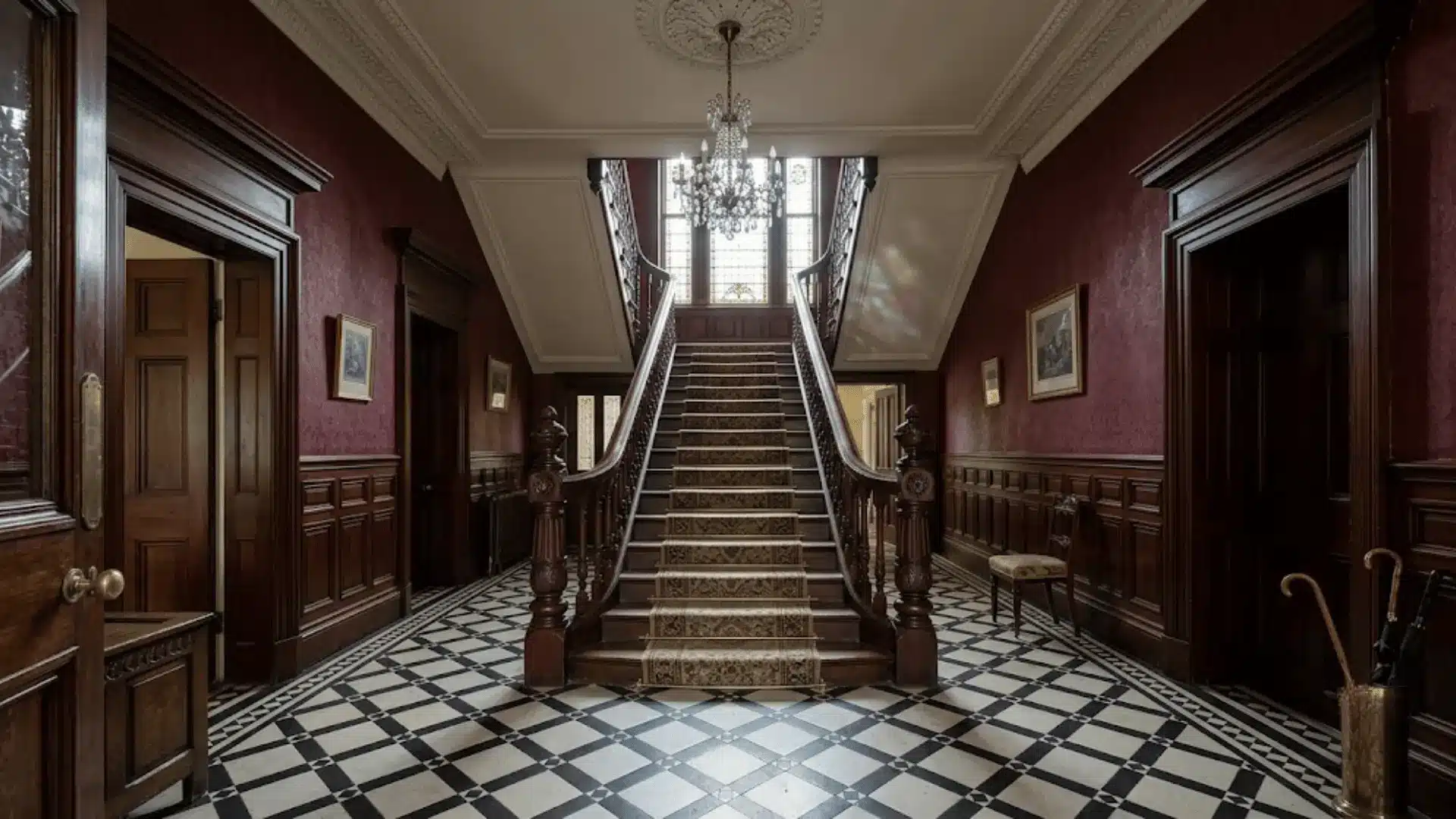
Sweeping staircases with decorative carved railings commanded immediate attention, while statement chandeliers cast light that made arrival feel like an event.
In the grandest Victorian homes, the entryway was less a passageway and more a prologue to everything that followed.
2. Formal Parlors and Sitting Rooms
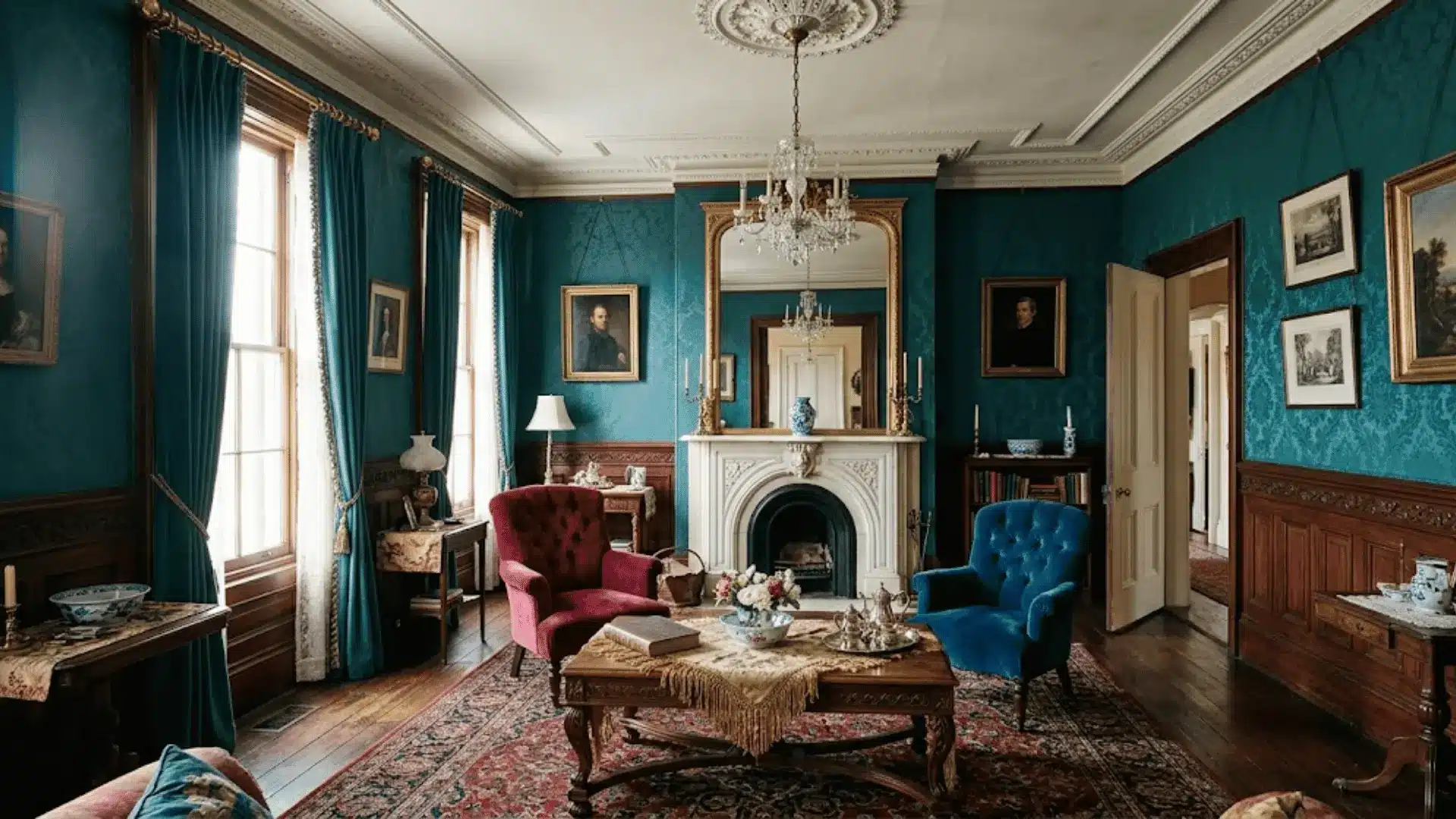
The parlor was the Victorian home’s most performative space, reserved for guests and carefully curated accordingly.
Antique furniture, decorative fireplaces, and layered textiles worked together to create rooms that felt simultaneously formal and inhabited. Nothing was accidental, and nothing was understated.
3. Luxurious Dining Rooms
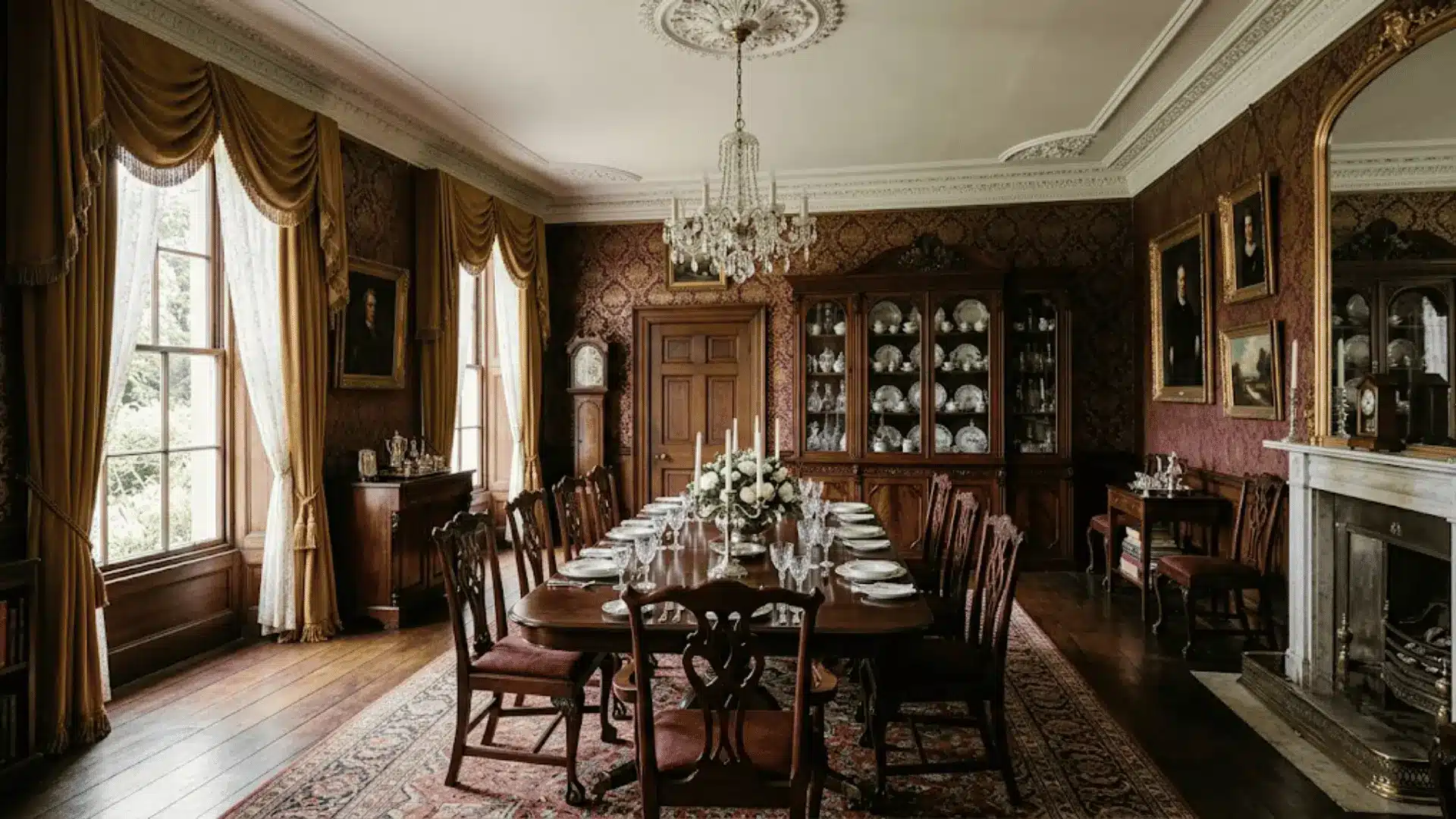
Victorian dining rooms were built for the occasion. Dark wood furniture, crystal lighting overhead, and ornate china cabinets lining the walls produced an atmosphere that treated every meal as worthy of ceremony.
These were rooms where the table setting was as considered as the architecture, and the overall effect was one of deliberate, unhurried abundance.
4. Library and Study Spaces
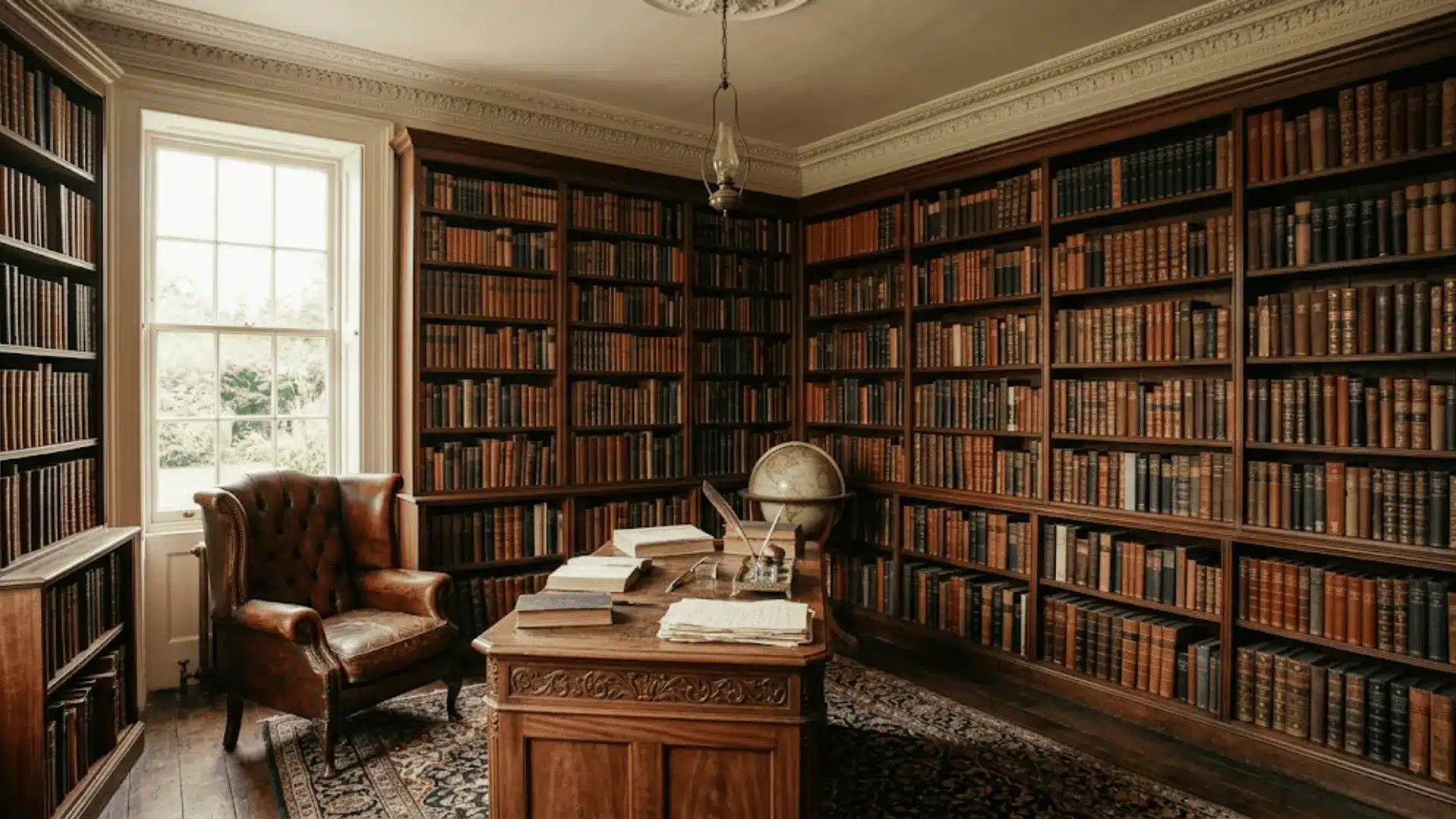
The Victorian library was a room that took ideas seriously.
Built-in bookshelves rising to the ceiling, leather seating, and traditional décor chosen for gravitas rather than trend made these spaces feel both scholarly and deeply personal.
Old Mansion Interior Inspiration: Historic Design Details
Few interiors carry an atmosphere quite like an old mansion.
The historic details found in these homes tell a specific story about craft, permanence, and a period when building well was considered a matter of character.
Common Features Found in Old Mansion Interiors
The architectural bones of a Victorian mansion were rarely simple. These defining features appeared consistently across historic properties and remain the most sought-after details in restoration work today:
- Grand Ceiling Heights: Gave rooms a sense of verticality that made even furnished spaces feel open and ceremonial.
- Handcrafted Woodwork: Bespoke joinery, carved banisters, and paneled walls that no two homes replicate exactly.
- Decorative Plasterwork: Ceiling roses, cornicing, and frieze details applied with a level of precision that reflected genuine artisanal pride.
Historic Materials Used in Victorian Homes
Material choice was central to the Victorian mansion interior, selected as much for beauty as for longevity:
- Mahogany: The preferred wood for statement furniture and paneling, prized for its depth of tone.
- Walnut: Favored for library fittings, flooring, and decorative inlay work.
- Marble: Used for fireplace surrounds, flooring, and bathroom surfaces with considerable effect.
- Stained Glass: Appeared in entryway windows and internal doors, casting colored light that shifted through the day.
Modern Victorian Interior Design: Blending Old and New
Victorian design has never required a period-correct setting to work well.
The principles that defined these interiors, considered layering, strong color, and quality craftsmanship, translate into contemporary homes with less effort than most expect.
Simplified Victorian Color Palettes and Furniture
The richest Victorian color schemes don’t always suit modern living, but the underlying logic does.
Lighter neutrals anchored by deep accent tones retain the moodiness of the original palette without overwhelming smaller or brighter contemporary spaces.
The most successful modern Victorian interiors are built on contrast rather than uniformity: a well-chosen antique piece reads beautifully against cleaner contemporary lines without tipping the room into pastiche.
Updating Victorian Homes for Contemporary Living
Open-concept layouts present a genuine tension in Victorian homes, where rooms were designed to be distinct and enclosed.
Smart home integrations and energy-efficient upgrades can be absorbed without visible compromise, but preserving the original room structure tends to serve these homes better than removing walls.
The architecture was designed with intention, and that intention rewards patience.
Room-by-Room Victorian House Interior Ideas
Victorian design gave every room its own personality and its own rules. The elements that defined each space were specific, considered, and rarely interchangeable.
1. Living Room: Comfort With Something to Say
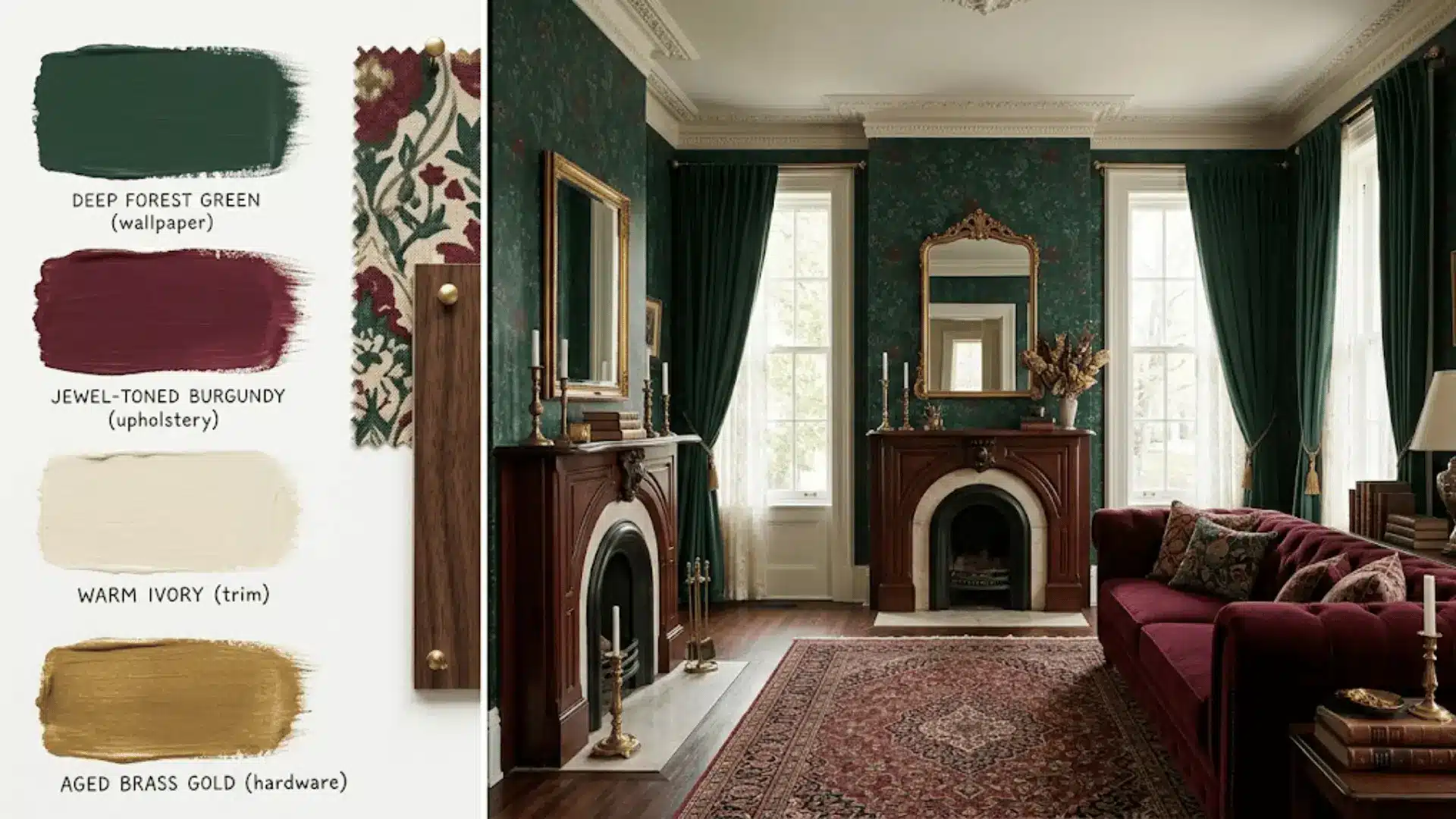
- Core Elements: Layered textiles, ornate mirrors, and antique-inspired furniture built for both beauty and conversation.
- Color Palette: Deep jewel tones, forest greens, and burgundy anchored by richly patterned wallpaper and warm wood finishes.
The Victorian living room was composed rather than decorated.
Every textile, frame, and furniture piece earned its place within a layered whole that rewarded closer looking, and the overall effect was one of curated abundance rather than clutter.
2. Bedroom: The Kind You Never Want to Leave
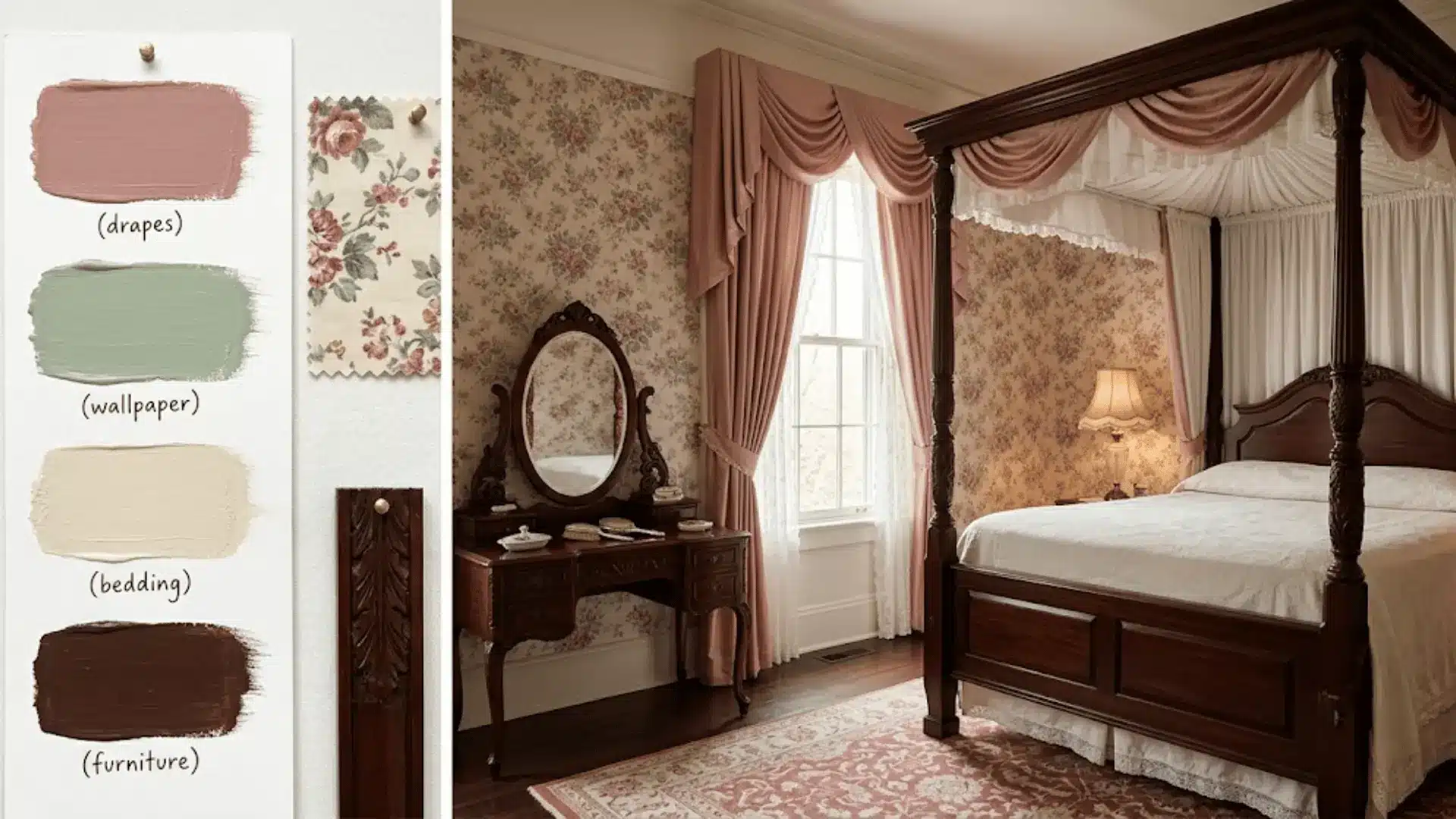
- Core Elements: Four-poster beds, floral wallpaper, and vintage lighting chosen for atmosphere over utility.
- Color Palette: Soft rose, dusty mauve, and warm ivory balanced with deeper accent tones in the textiles and furnishings.
The Victorian bedroom leaned toward the intimate and enveloping.
A well-dressed four-poster with layered bedding, walls papered in a considered floral, and the warm glow of vintage lighting created spaces that felt genuinely restorative rather than simply furnished.
3. Kitchen: Old Soul, Still Cooking
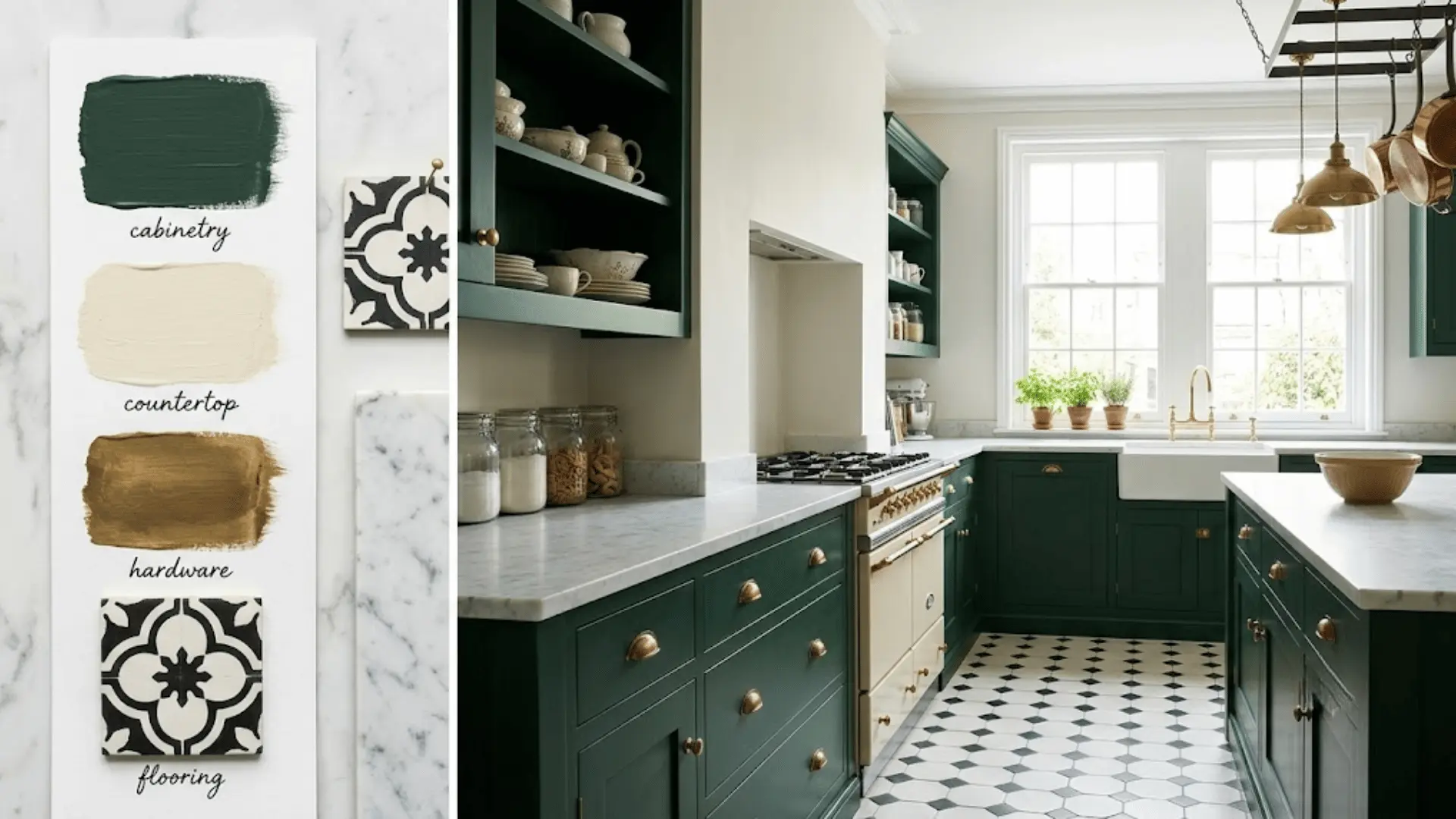
- Core Elements: Traditional cabinetry, farmhouse sinks, and modern appliances housed within period-appropriate finishes.
- Color Palette: Cream, forest green, and warm navy with brass hardware providing the connective thread throughout.
The Victorian kitchen balanced utility with character in a way that still translates well today.
Traditional cabinetry and farmhouse sinks provide the period foundation, while modern appliances integrate cleanly behind consistent material and color choices that keep the overall aesthetic coherent.
4. Bathroom: A Soak Worth Dressing the Room For
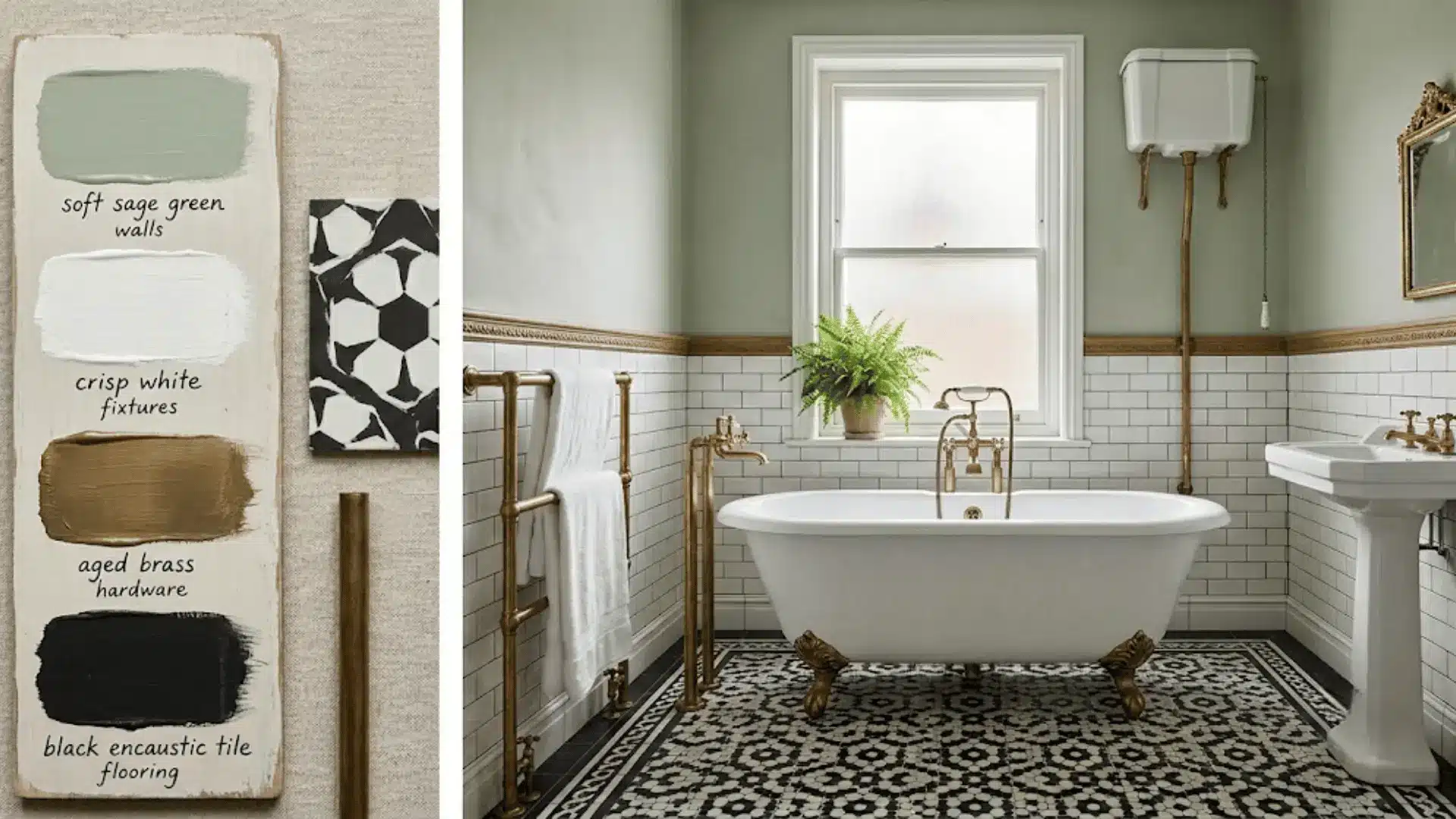
- Core Elements: Clawfoot tubs, decorative tilework, and brass fixtures selected for their sculptural as well as functional quality.
- Color Palette: Black and white encaustic tile, soft sage, and warm neutrals lifted by the patina of aged brass throughout.
The Victorian bathroom distilled the era’s design principles into a smaller canvas.
A clawfoot tub positioned as a centerpiece, decorative tilework underfoot, and brass fixtures throughout produced rooms that treated bathing as something closer to ritual than routine.
Victorian Decorating Ideas on Any Budget
Victorian style is one of the more accessible design languages to work with on a budget.
The aesthetic is built on layering and detail, and both can be achieved incrementally without significant outlay.
| Category | What to Do | What to Look For | Where to Source |
|---|---|---|---|
| Affordable Updates | Add wallpaper accents, install decorative molding kits | Period-style patterns, pre-primed molding strips | Lowe’s, Etsy |
| DIY Projects | Build frame galleries, add faux ceiling medallions, and refinish furniture | Ornate frames, lightweight resin medallions, solid wood pieces | Etsy, eBay |
| Furniture and Accessories | Invest in one or two statement antique pieces | Ornate mirrors, button-back seating, period-style lighting | Chairish, Laurel Crown, Newel |
Victorian House Interior Color Schemes
Victorian color is not a decorative afterthought; it is structural.
The palette sets the mood of a room before a single piece of furniture is placed, and getting it right means understanding both the original combinations and how they translate into contemporary use.
Traditional Victorian color combinations that still hold up:
- Emerald Green + Gold: Rich and ceremonial, best suited to formal rooms with natural light.
- Burgundy + Cream: Warm and layered, particularly effective in dining rooms and libraries.
- Navy + Brass: The most contemporary-feeling of the classic pairings, versatile across both period and modern interiors.
Modern Victorian color trends for those working with lighter or smaller spaces:
- Sage Green: Retains the organic quality of Victorian green tones without the weight.
- Dusty Blue: A softer alternative to navy, works well in bedrooms and sitting rooms.
- Warm Neutrals: Ivory, mushroom, and warm white act as grounding backdrops for bolder period-style accents.
Room-by-room, the guiding principle is the same: lead with the architecture. Dark, ornate spaces absorb color well and reward deep tones, while rooms with less original detail benefit from the restraint of a modern Victorian palette.
Victorian House Interior Mistakes to Avoid
Victorian interiors reward intention, but they punish overcorrection just as readily. These are the most common missteps worth avoiding before they become expensive ones.
- Overcrowding Rooms: More is not always more; each piece needs enough space to register on its own terms.
- Ignoring Scale and Proportion: Oversized furniture in a modest room reads as clutter, not grandeur.
- Mixing Too Many Patterns: Victorian layering works through considered contrast, not accumulation.
- Sacrificing Functionality for Authenticity: A period-correct room that cannot be lived in comfortably has missed the point entirely.
The Victorian house interior was always meant to be inhabited, not preserved. Keeping that in mind tends to resolve most decorating decisions before they become problems.
Victorian House Interior vs. Modern Interior Design
Two design philosophies rarely share the same instincts, yet they are increasingly found in the same home. Here is how the two approaches differ at their core.
| Feature | Victorian Style | Modern Style |
|---|---|---|
| Color Palette | Jewel tones and deep hues are used to create mood and atmosphere | Whites, greys, and beiges that prioritize light and visual calm |
| Furniture | Carved, upholstered, and built to make a statement in every room | Streamlined silhouettes where form follows function above all |
| Décor | Layered accessories, textiles, and objects chosen for character | Carefully edited accents where negative space does the work |
| Materials | Mahogany, walnut, brass, and marble were chosen for warmth and longevity | Glass, steel, and concrete are favored for their clean, industrial finish |
| Atmosphere | Enclosed, intimate rooms designed for comfort and ceremony | Open-plan layouts that prioritize flow, light, and spatial ease |
The Closing Note
The craftsmanship, the color, the quiet insistence that every surface deserves consideration: these are the qualities that make a Victorian house interior so enduringly compelling.
Few design languages reward attention as generously or age as gracefully.
For those drawn to the aesthetic, whether restoring an old mansion or simply layering in period-inspired detail, the starting point is always the room itself and what it is already asking for.
Drop a comment below and share which Victorian interior detail has caught your eye.
Frequently Asked Questions (FAQs)
How Do You Decorate a Victorian-Style Home?
Start with the architectural details: crown molding, patterned wallpaper, and rich color set the foundation. Layer in antique or antique-inspired furniture, ornate mirrors, and textile depth to build the rest of the room around them.
Can You Modernize an Old Mansion Interior Without Losing Character?
Modernization works best when it works with the bones rather than against them. Retaining original plasterwork, paneling, and fireplaces while updating lighting and fixtures preserves far more character than a full renovation would.
Are Victorian Interiors Still in Style?
The current appetite for maximalism and layered living has made the Victorian house interior more relevant now than it has been in decades. It has moved well beyond trend into a more permanent place in design conversation.