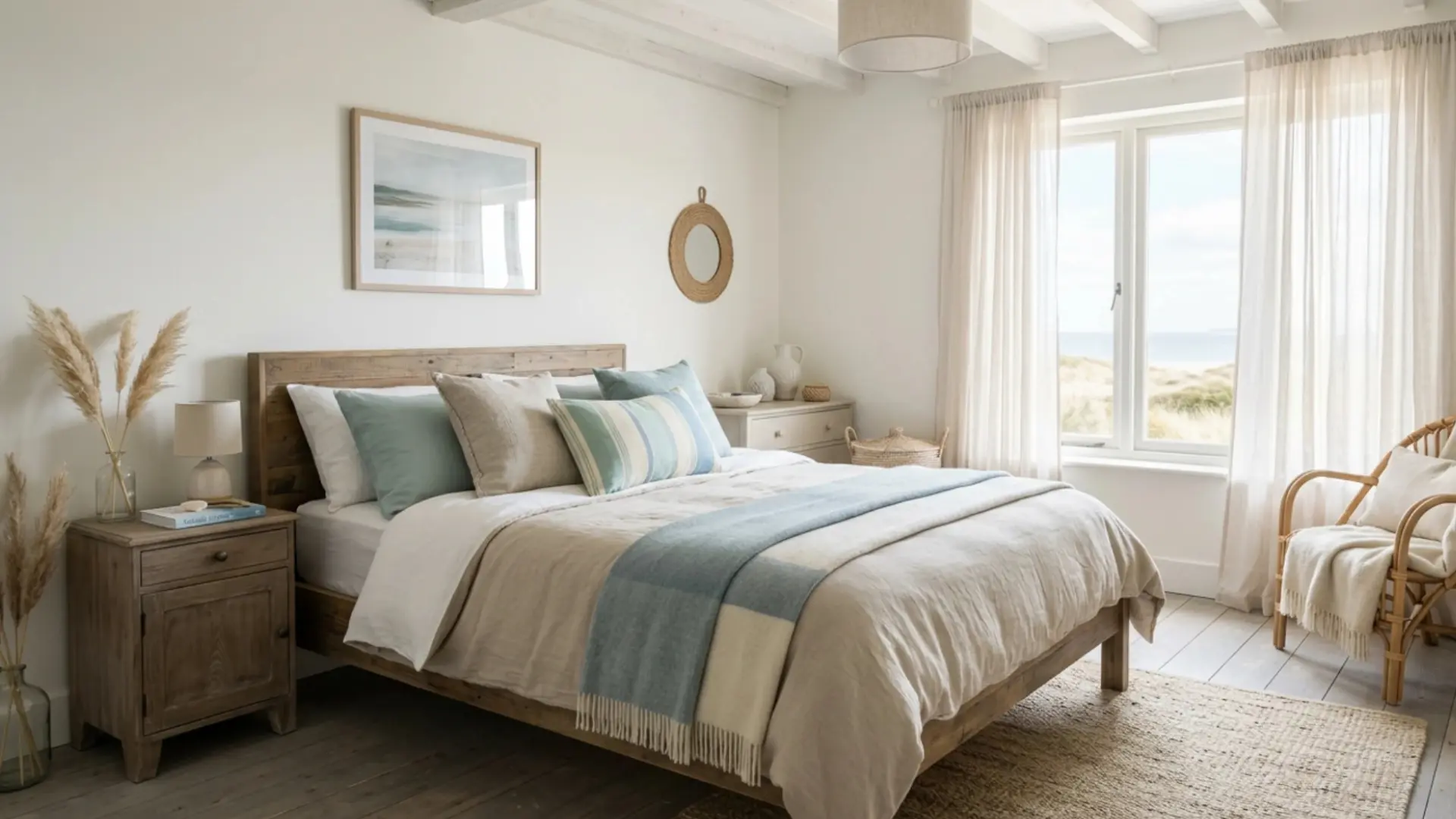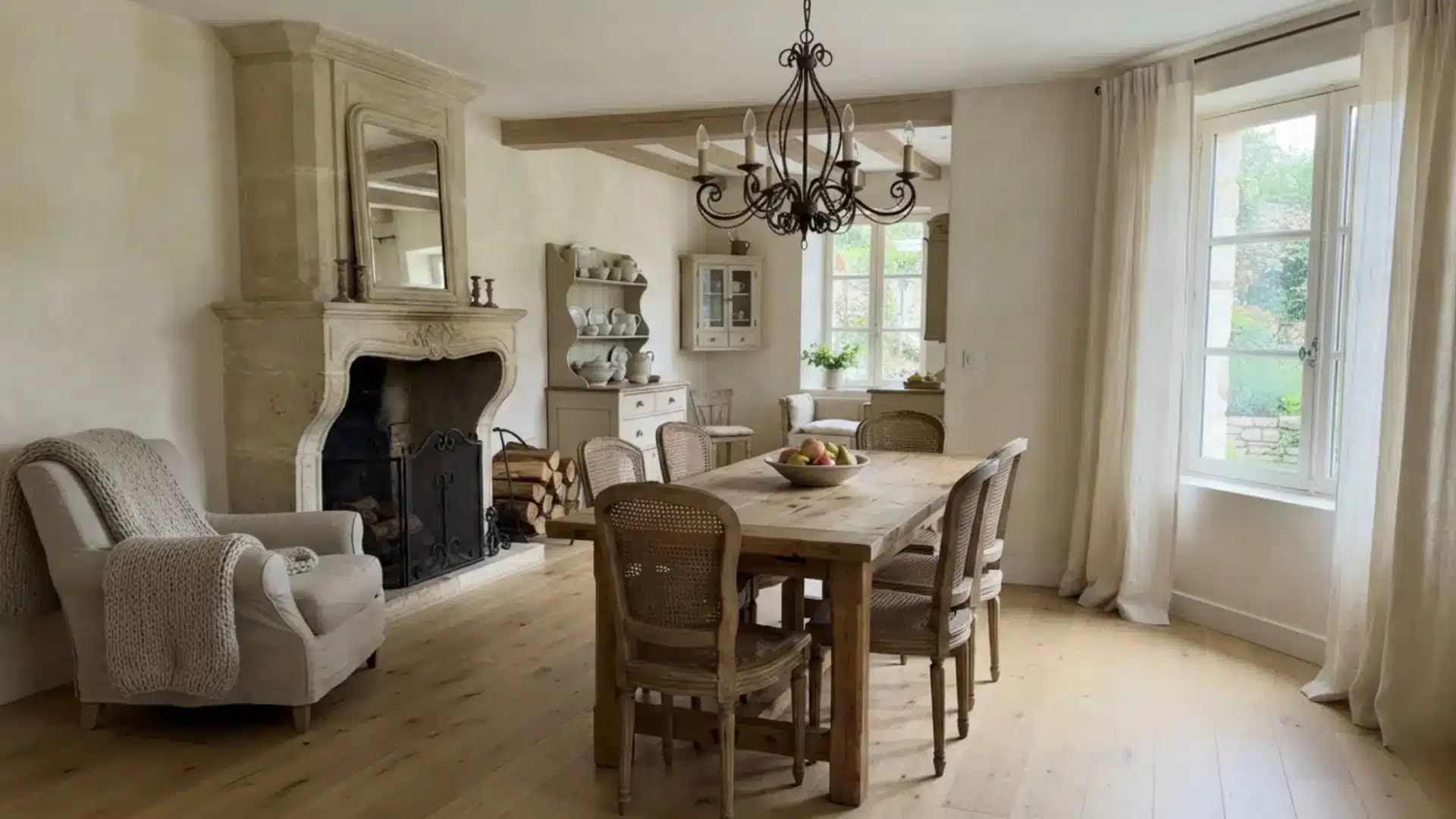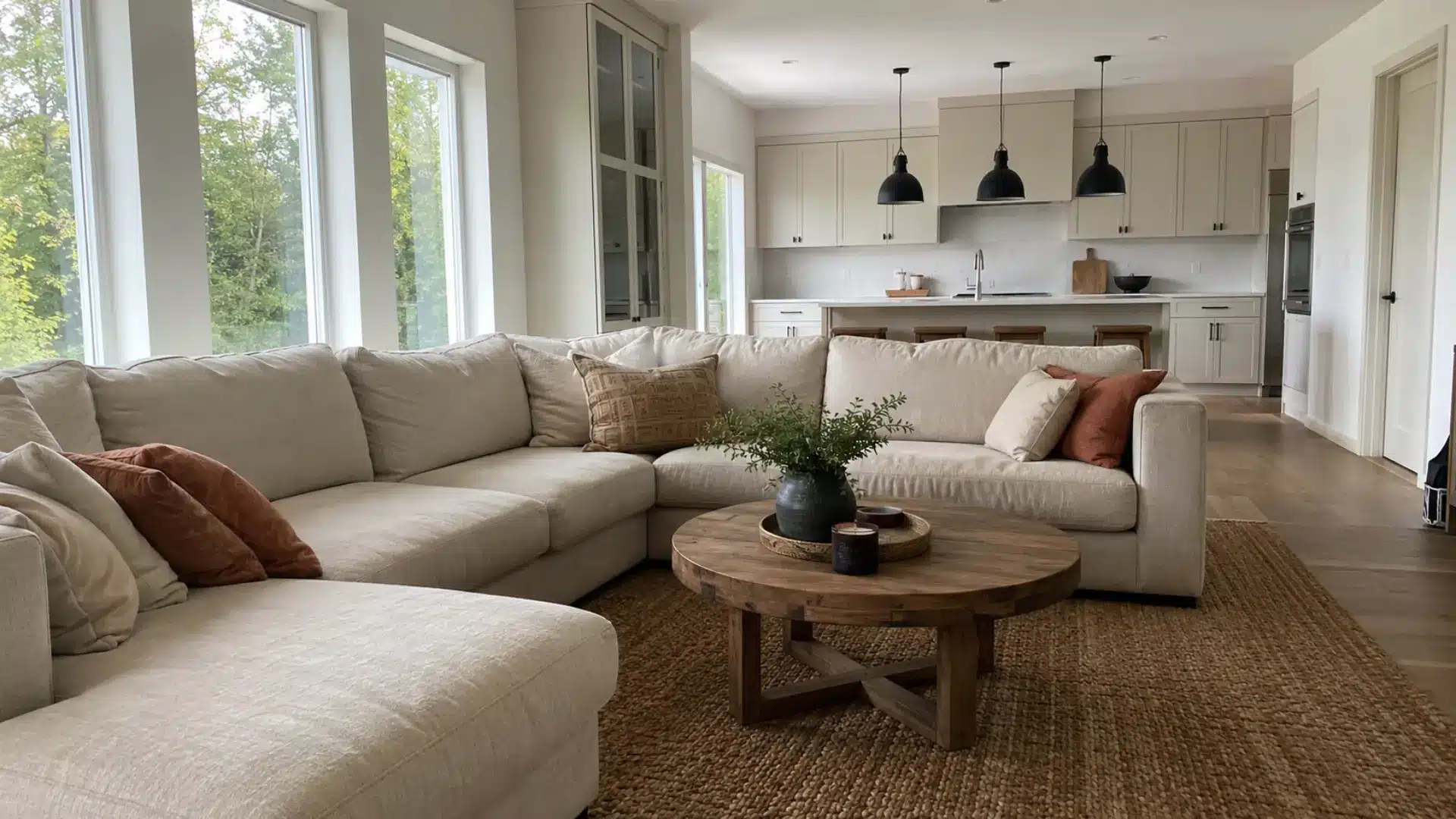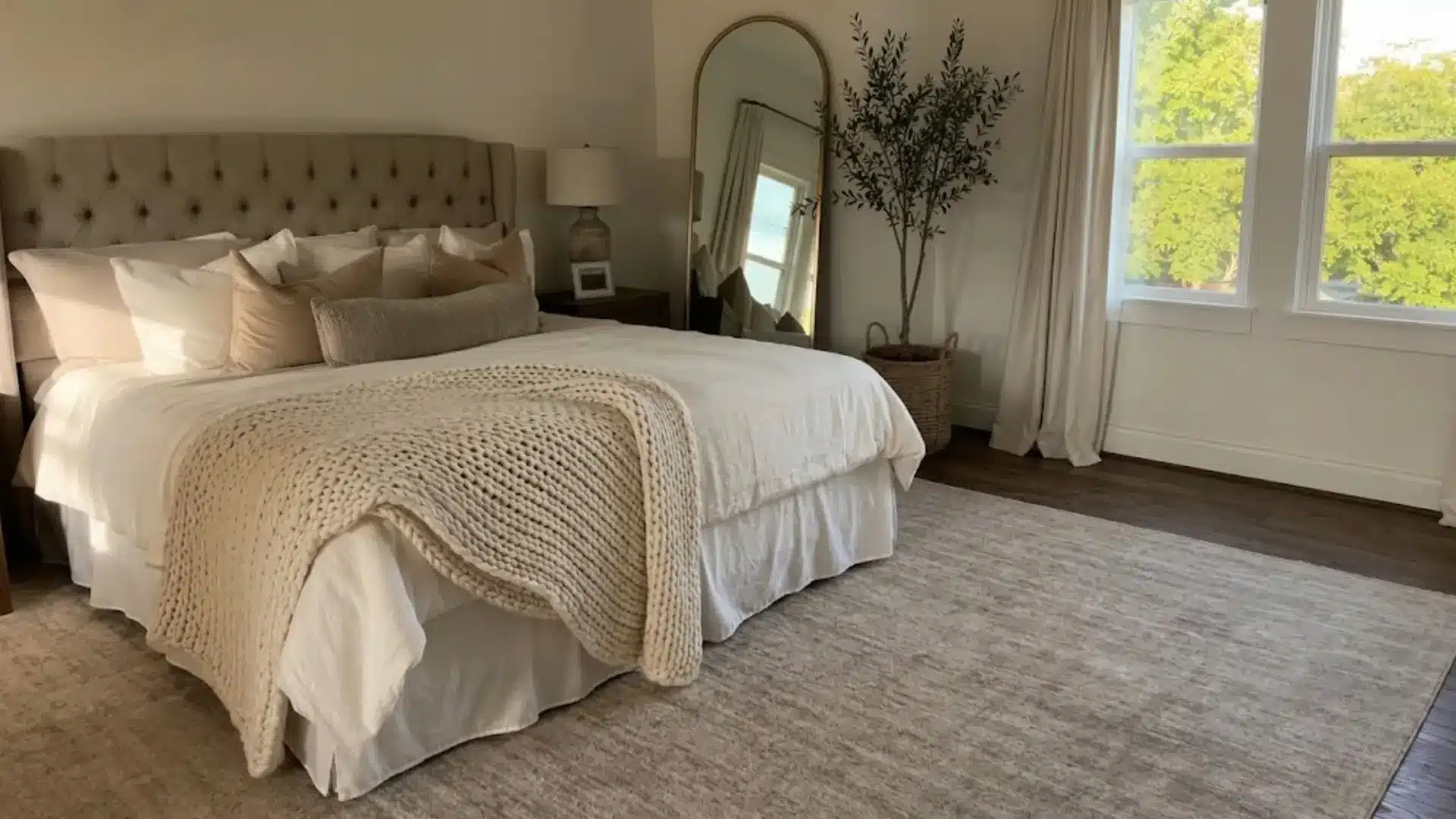


Your guests may only stay for a few nights, but the way their room feels will stay with them much longer.
Knowing how to decorate a guest room is less about perfection and more about intention, creating a space that is comfortable, functional, and warm all at once.
With the right guest bedroom ideas, even the most overlooked spare room can feel like a retreat worth returning to.
From smart furniture picks and layered lighting to cozy textiles and personal touches, this guide walks you through everything it takes to get the guest room right.
What Makes a Great Guest Room?
A great guest room does one thing above all else: it makes the person sleeping in it feel thought of. That means more than a made bed and a spare pillow.
It means a room that is visually cohesive, physically comfortable, and stocked with the small things guests actually need.
The balance between style and comfort is what separates a forgettable spare room from one that earns a genuine compliment.
Good design sets the tone, but it is the details like a clear nightstand, soft lighting, and an extra blanket that make the real difference.
How to Decorate a Guest Room without Overwhelming the Space
The most common guest room mistake is going too far in one direction, being too cluttered or too bare. The sweet spot is intentional simplicity, and it comes down to three things:
| Principle | What It Means in Practice |
|---|---|
| Cohesive Color Palette | Stick to two or three tones that complement each other without competing |
| Functional Furniture | Every piece should earn its place by being both useful and good-looking |
| Intentional Decor | Layer in accessories gradually, keeping only what adds comfort or character |
A guest room does not need to be large or expensive to feel welcoming. It needs to feel considered.
The guest bedroom ideas ahead are flexible enough to work with any space and any budget, so pick what fits and build from there.
Start with the Essentials
These are the foundational elements that determine if a guest room functions well, and they apply to every room regardless of size, style, or budget. Get these right first, and everything else becomes easier to layer on top.
1. Choose a Neutral, Versatile Color Palette

A neutral base gives the room a calm, cohesive feel that works for almost any guest.
Shades like warm white, soft beige, sage green, or greige are easy to build on and unlikely to feel polarizing to anyone walking through the door.
A neutral palette also makes it simpler to swap out textiles and accents over time without repainting the entire room.
2. Invest in a Quality Mattress or Mattress Topper
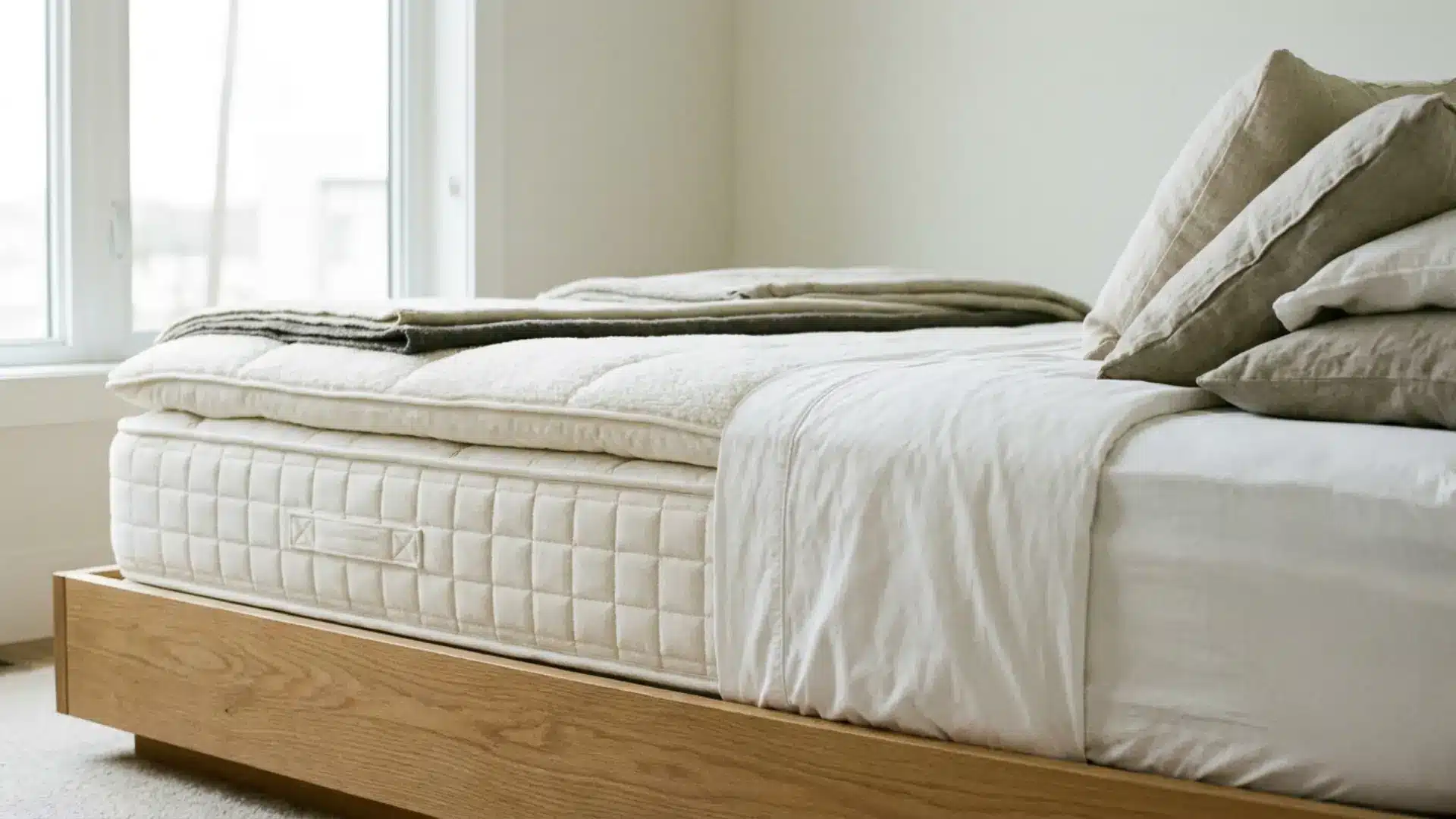
No amount of beautiful decor compensates for a bad night of sleep, and guests will remember how they slept long after they have forgotten what the curtains looked like.
If a brand-new mattress is not in the budget, a high-quality mattress topper is one of the best investments you can make for a guest room.
Look for memory foam or pillow-top options with strong reviews. Comfort is always the priority over aesthetics here.
3. Layer Bedding with Multiple Pillow Options

Layered bedding signals comfort before a guest even pulls back the covers. Use a fitted sheet, a flat sheet, a duvet, and at least two sleeping pillows per person.
Add decorative shams and a throw pillow or two for visual depth and a more finished look.
Leaving an extra pillow within easy reach lets guests adjust to their own sleeping preference without having to ask, which makes the whole experience feel naturally effortless and well thought out.
4. Add a Bedside Table on Each Side of the Bed

A nightstand is one of those things guests notice immediately when it is not there.
Every person sleeping in the room needs somewhere to set a phone, a glass of water, a book, or their glasses before bed.
If the room only fits one nightstand, prioritize the side closest to the door. A small stool or a wall-mounted shelf can serve the same practical purpose in rooms where floor space is genuinely limited, and furniture feels tight.
5. Include a Full-Length Mirror
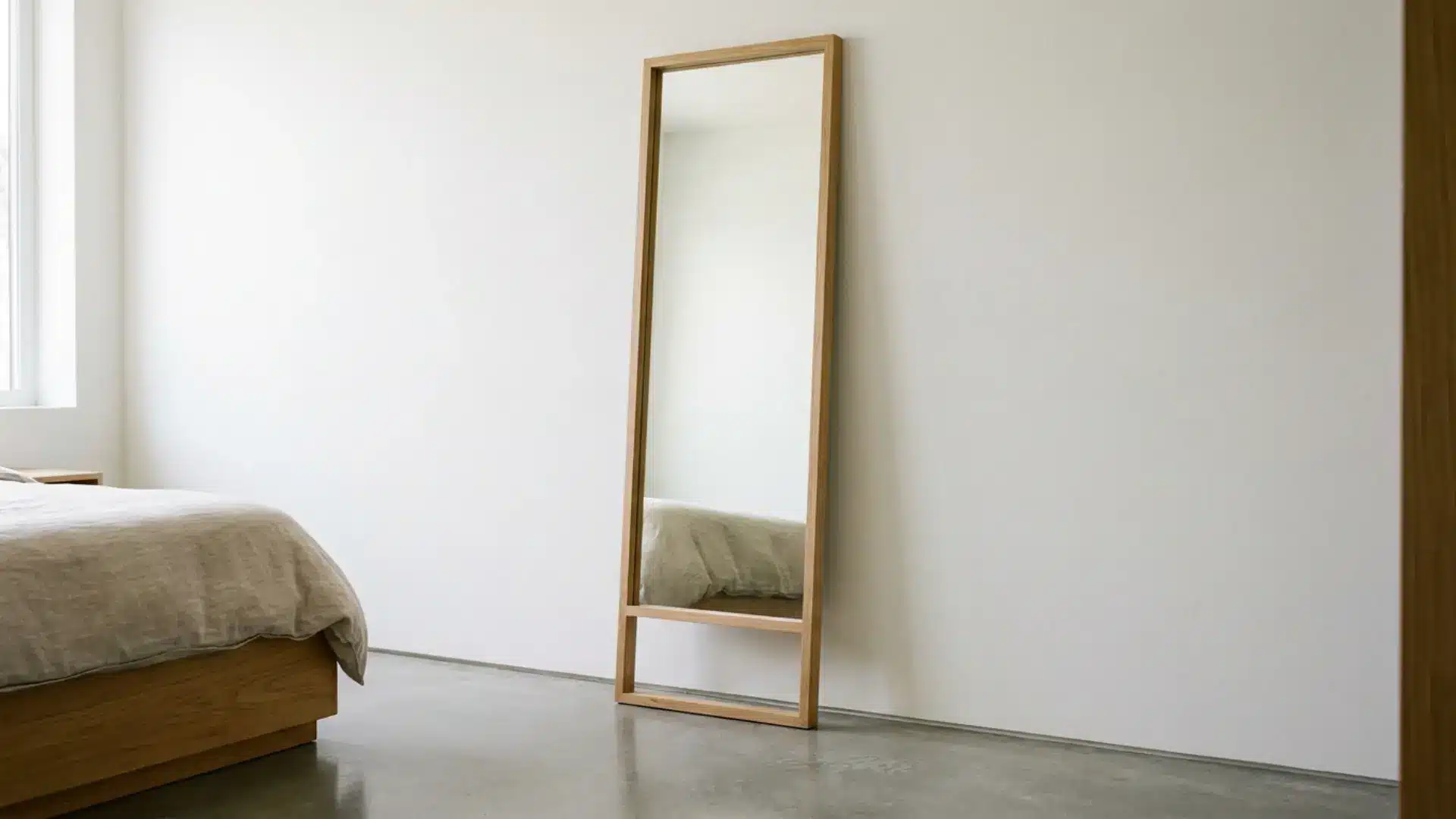
A full-length mirror is one of the most practical additions a guest room can have, yet one of the most commonly overlooked elements in the space.
Guests need to check their outfit before heading out, and without a mirror in the room, they end up wandering into other parts of the house to find one.
It also reflects light back into the room and adds visual dimension, making even a smaller guest room feel noticeably more open and complete.
6. Install Adequate Overhead and Ambient Lighting

Relying on a single overhead fixture is one of the quickest ways to make a guest room feel flat and uninviting at the end of a long day.
Good lighting means having at least two sources working together: a main light for general visibility and a softer ambient option for winding down in the evening.
Bedside lamps, a floor lamp tucked into a corner, or even a plug-in sconce on the wall can completely shift how the room feels after dark.
7. Add a Luggage Rack or Bench at the Foot of the Bed

Guests arriving with a suitcase need somewhere logical to put it, other than the floor or the bed itself.
A luggage rack solves this immediately and makes unpacking feel far more organized and less stressful for the visitor.
A bench at the foot of the bed works just as well and pulls double duty as both a seating surface and a visual anchor for the room. Either option clearly signals that the space was designed with an actual guest in mind.
Color, Walls, and Atmosphere
The way a room looks the moment someone walks in sets the tone for their entire stay. These guest bedroom ideas cover everything from a single can of paint to a simple gallery arrangement that pulls the whole room together.
8. Paint an Accent Wall in a Soft, Earthy Tone

An accent wall is one of the lowest-effort ways to add personality to a guest room without committing to a full repaint.
Soft earthy tones like terracotta, dusty clay, warm taupe, or muted olive work particularly well because they feel grounded and calming rather than loud or distracting.
Paint just the wall behind the bed to create a natural focal point that frames the headboard and gives the room a sense of intentional design without overwhelming the space.
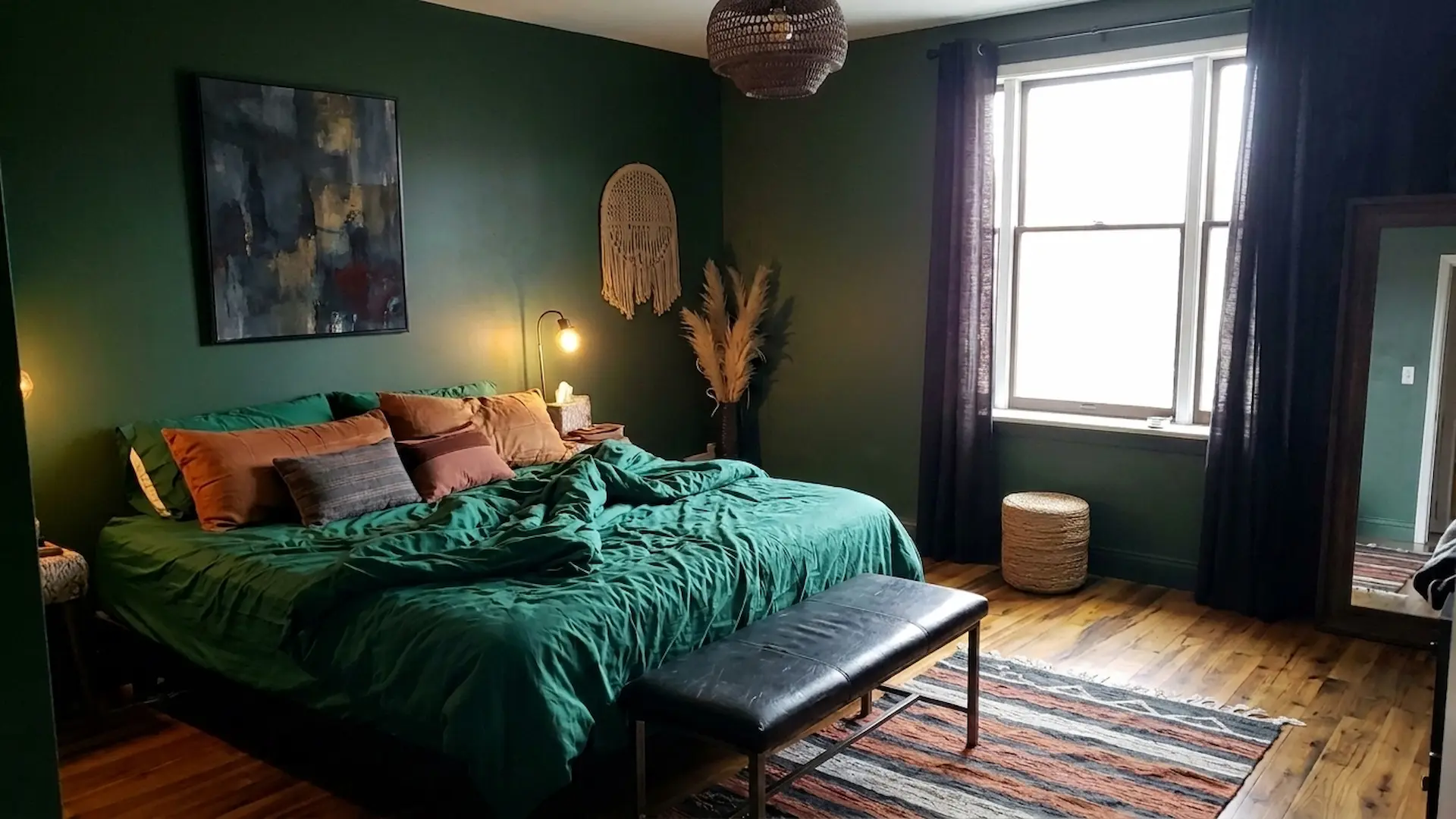
9. Try a Moody, Dark Paint Color for a Boutique Hotel Feel
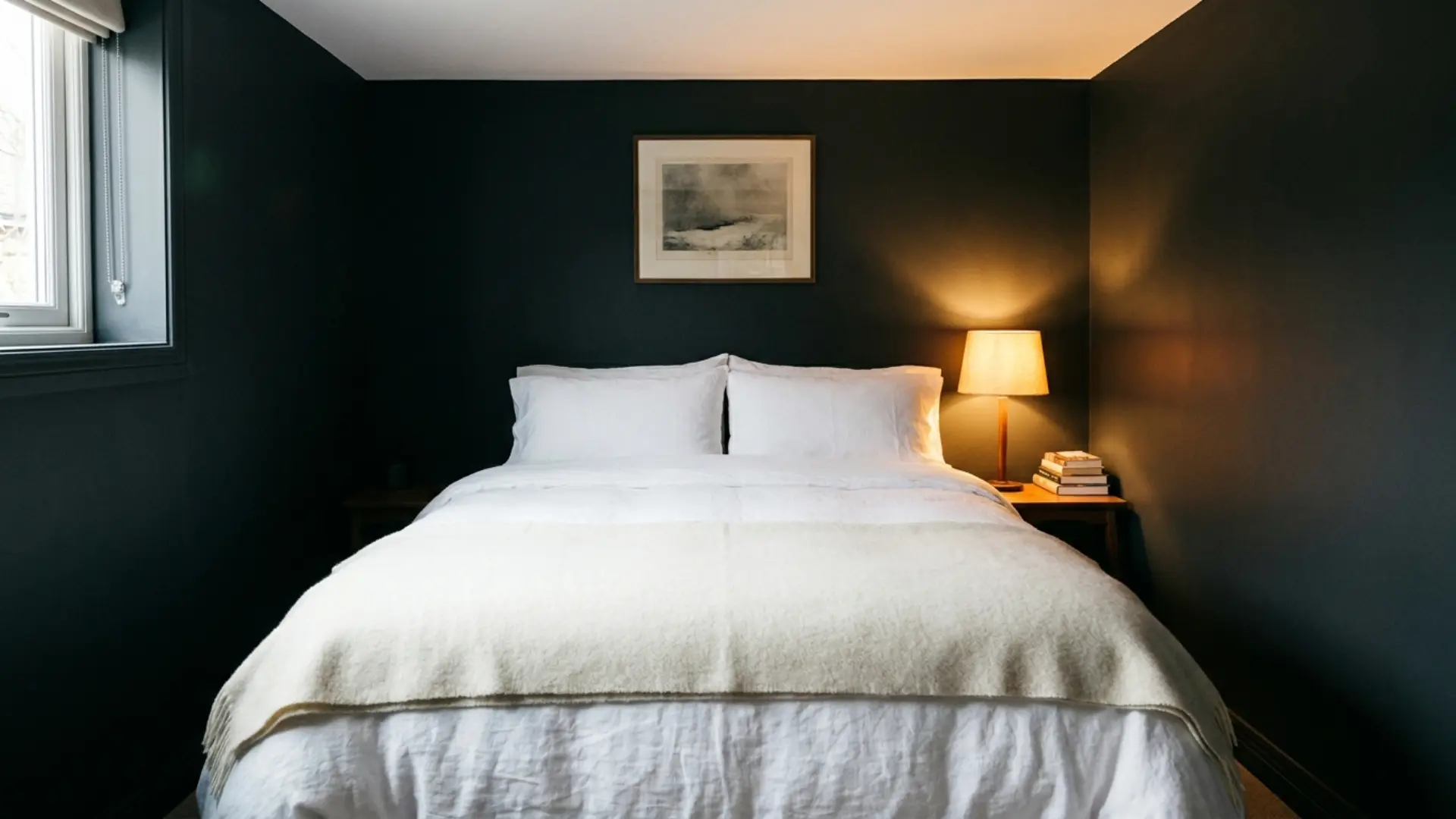
Deep, saturated wall colors like charcoal, forest green, navy, or inky slate can transform a plain guest room into something that feels genuinely special.
The key is to commit fully rather than using the dark color only on one wall, which can look unfinished.
Pair it with warm white bedding, brass or matte-black hardware, and soft, layered lighting to balance the depth. Guests will feel like they are checking into a boutique hotel rather than sleeping in a spare room.
10. Use Peel-and-Stick Wallpaper for a Low-Commitment Pattern

Peel-and-stick wallpaper has come a long way in terms of quality and variety, making it a genuinely practical option for renters or anyone who wants to experiment without a permanent commitment.
Apply it to the wall behind the bed for maximum visual impact with minimum effort. Geometric patterns, soft botanicals, and subtle textures all work well in a guest room context.
The best part is that it comes down cleanly without damaging the wall underneath when you are ready for a change.
11. Hang a Gallery Wall of Travel-Inspired or Nature Prints

A gallery wall gives a guest room a curated, lived-in feel that generic single prints rarely achieve on their own.
Stick to a cohesive theme, such as travel photography, botanical illustrations, or simple black-and-white landscape prints, to keep it feeling intentional rather than scattered.
Use matching frames in the same finish to tie everything together visually. Arrange the layout on the floor before putting anything on the wall to avoid unnecessary nail holes and rearranging mid-hang.
12. Add a Large-Scale Statement Piece of Wall Art
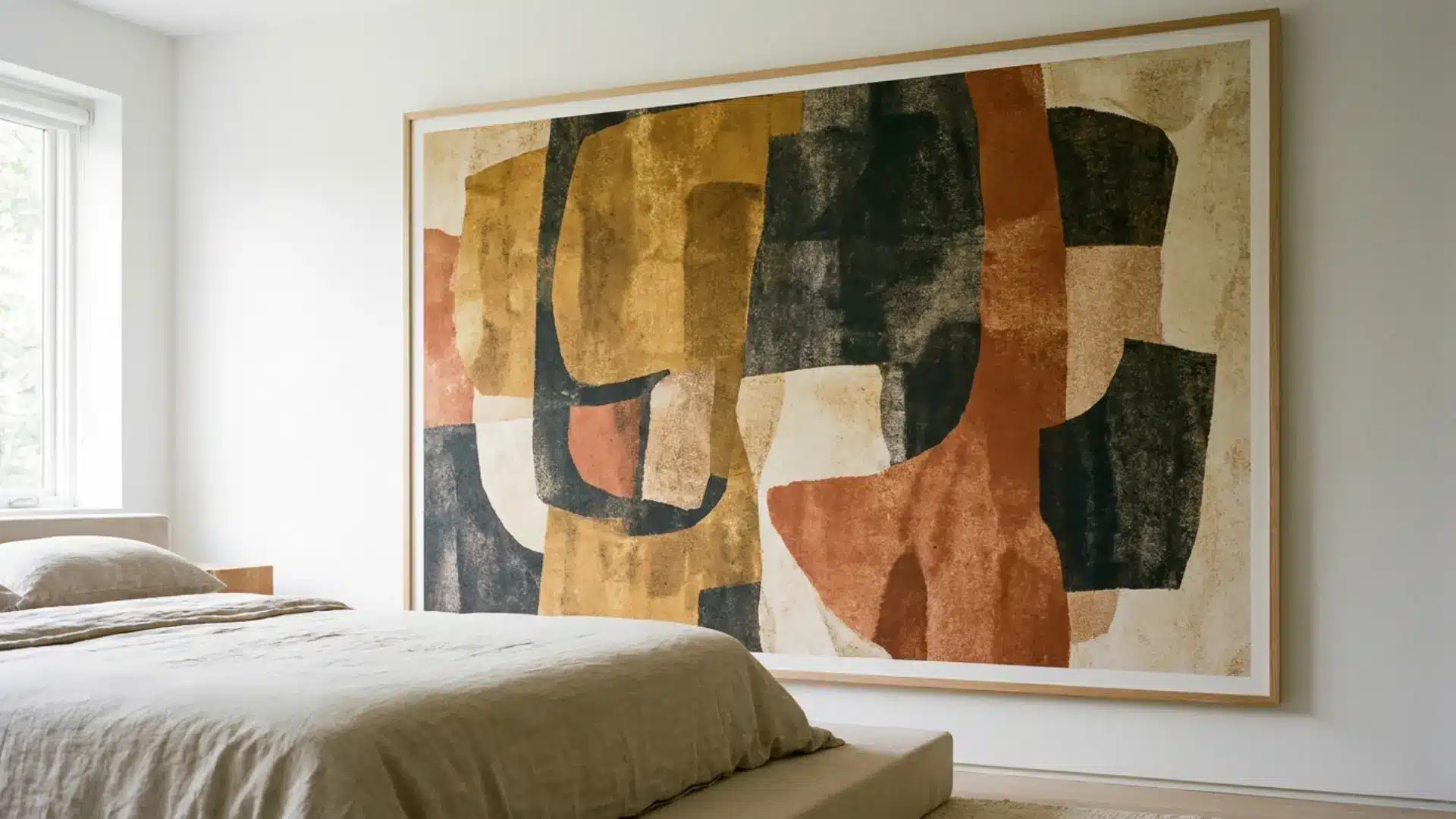
One oversized piece of art can do more for a guest room than a dozen smaller ones competing for attention.
Choose something abstract, landscape-based, or quietly striking rather than anything too literal or busy. The scale matters as much as the subject.
A large print hung centered above the bed immediately anchors the room and gives it a sense of confidence and intention.
13. Use Wainscoting or Board-and-Batten for Architectural Interest

Wainscoting and board-and-batten paneling add architectural character to a guest room that paint alone cannot replicate.
Both techniques involve adding vertical or horizontal wood panels to the lower half of the wall, which creates texture, dimension, and a sense of craftsmanship.
Painted in the same tone as the wall above, they feel subtle and refined. Painted in a contrasting color, they become a design feature in their own right.
14. Keep Walls Light and Airy for a Spa-Like Calm

Sometimes the most effective wall choice is also the simplest one.
Soft white, warm ivory, or the palest blush on all four walls creates a sense of openness and calm that works particularly well in smaller guest rooms where darker colors might feel closing.
This approach lets the furniture, textiles, and lighting do the expressive work while the walls stay quiet in the background.
Furniture that Works Hard and Looks Good
Good furniture choices are what make a guest room feel complete rather than cobbled together. These guest bedroom ideas cover the smartest picks for rooms of any size.
15. Choose a Bed Frame with Built-In Storage

A bed frame with built-in drawers or a lift-up storage base solves two problems at once in a guest room.
It gives the room a clean, furniture-forward look while quietly handling the overflow storage that most guest rooms desperately need.
Extra blankets, seasonal items, or spare pillows can all live underneath without cluttering the closet or the room itself.
16. Use a Daybed if the Room Doubles as a Home Office
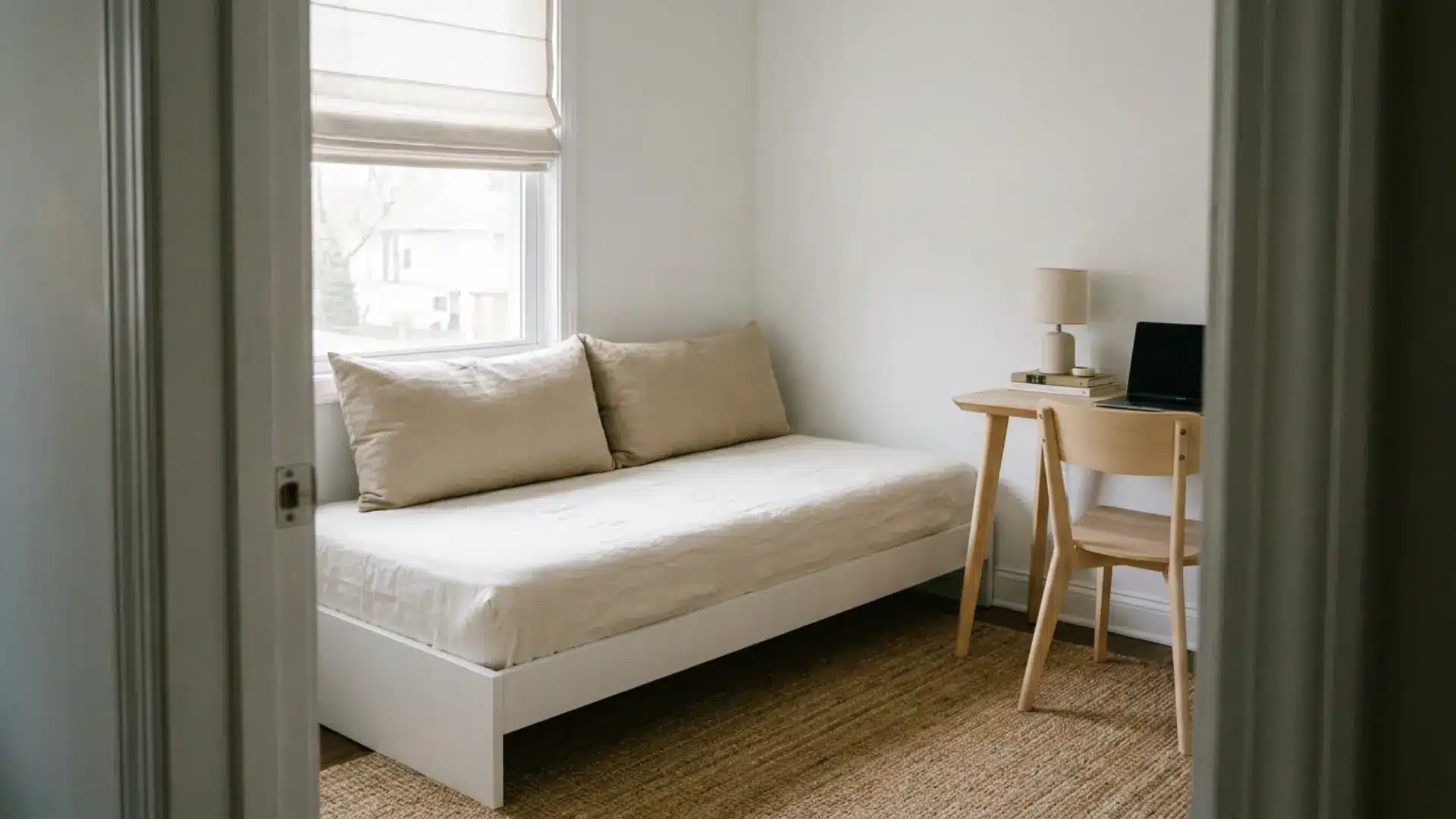
A daybed is one of the most practical furniture choices you can make for a room that needs to serve multiple purposes.
During the day, it reads as a sofa or lounge seat, and at night, it functions as a proper single bed for a guest. Pair it with a fitted cover and a few structured cushions to make it look intentional rather than transitional.
Position it against the wall to free up as much floor space as possible and keep the room feeling open when it is functioning as a workspace.
17. Add a Small Accent Chair or Reading Nook
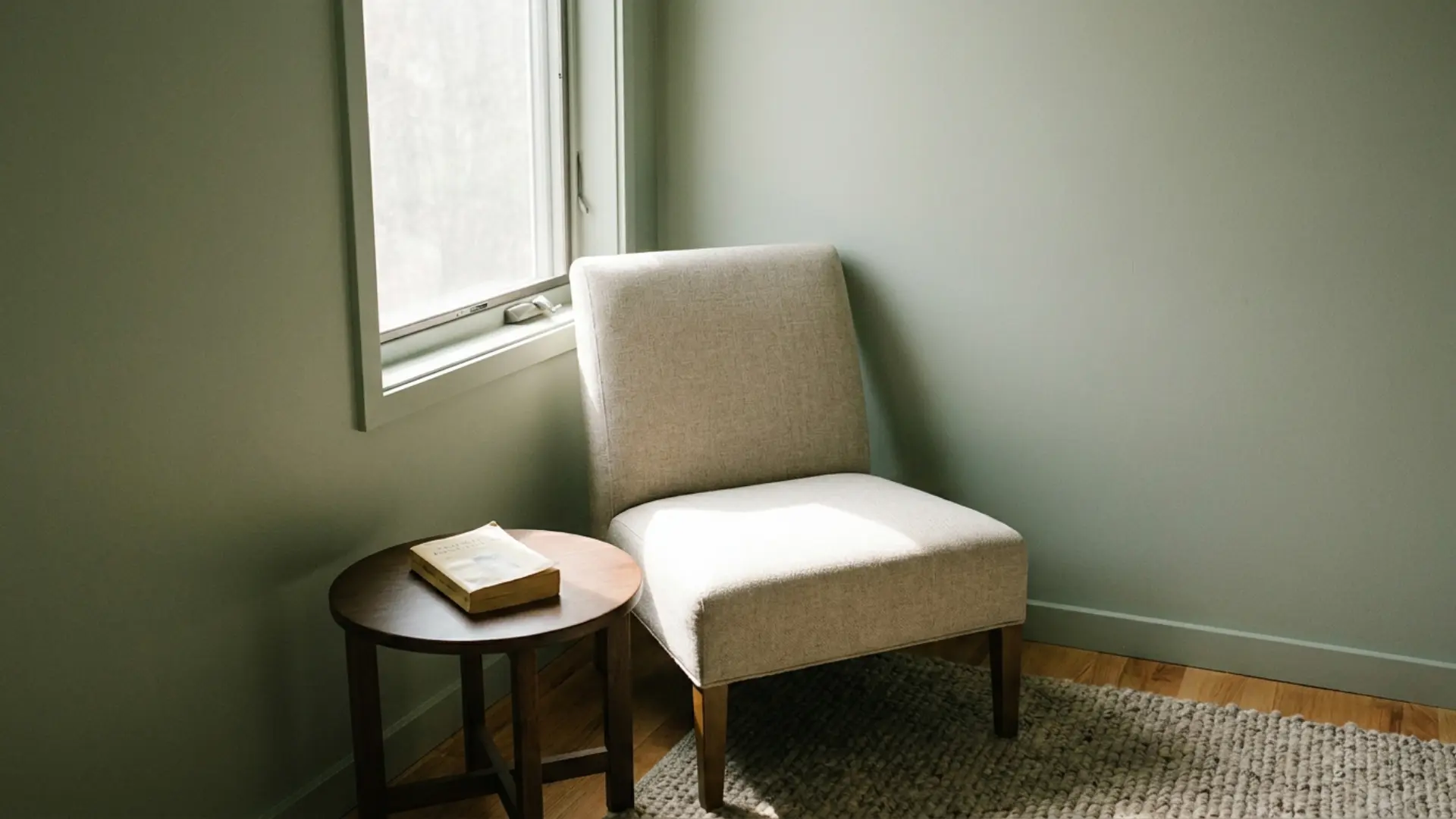
A single well-chosen accent chair transforms a guest room from a place to sleep into a place to actually spend time.
It gives guests somewhere to sit while putting on shoes, reading before bed, or simply having a moment to themselves that is not in the bed.
Choose a chair with a slim profile that does not overwhelm the room, and place it near the window, if possible, to take advantage of natural light.
18. Include a Writing Desk for Guests Who Work Remotely
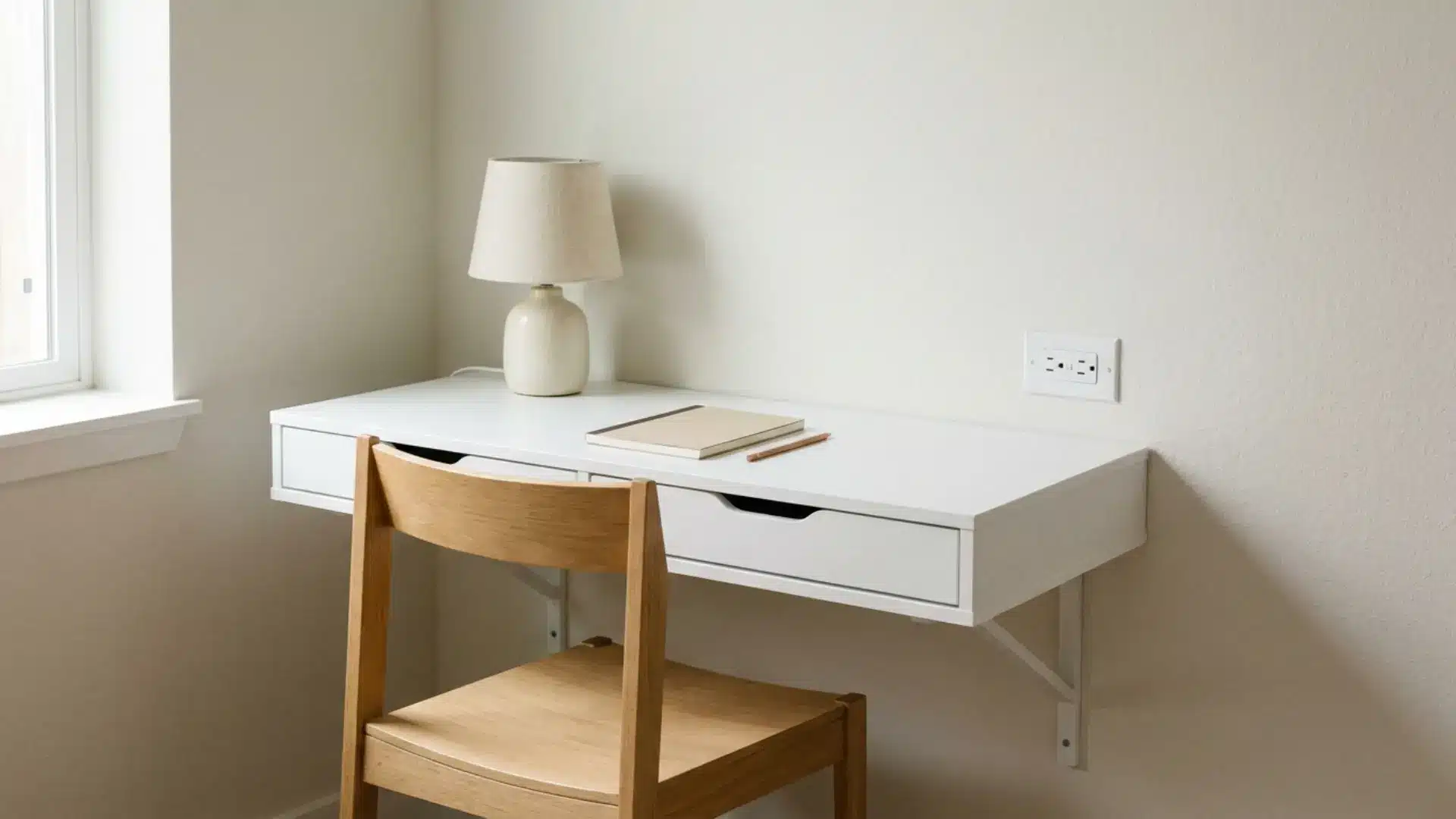
Remote work has made a small writing desk one of the most appreciated additions a guest room can have. It does not need to be large.
A slim wall-mounted desk or a narrow console table with a simple chair is enough to provide a guest with a dedicated workspace that keeps them out of the home’s common areas of the home.
Position it near a power outlet and make sure the chair is at a comfortable working height. Adding a small lamp on the desk surface makes it feel even more considered and complete.
19. Use a Storage Ottoman at the Foot of the Bed
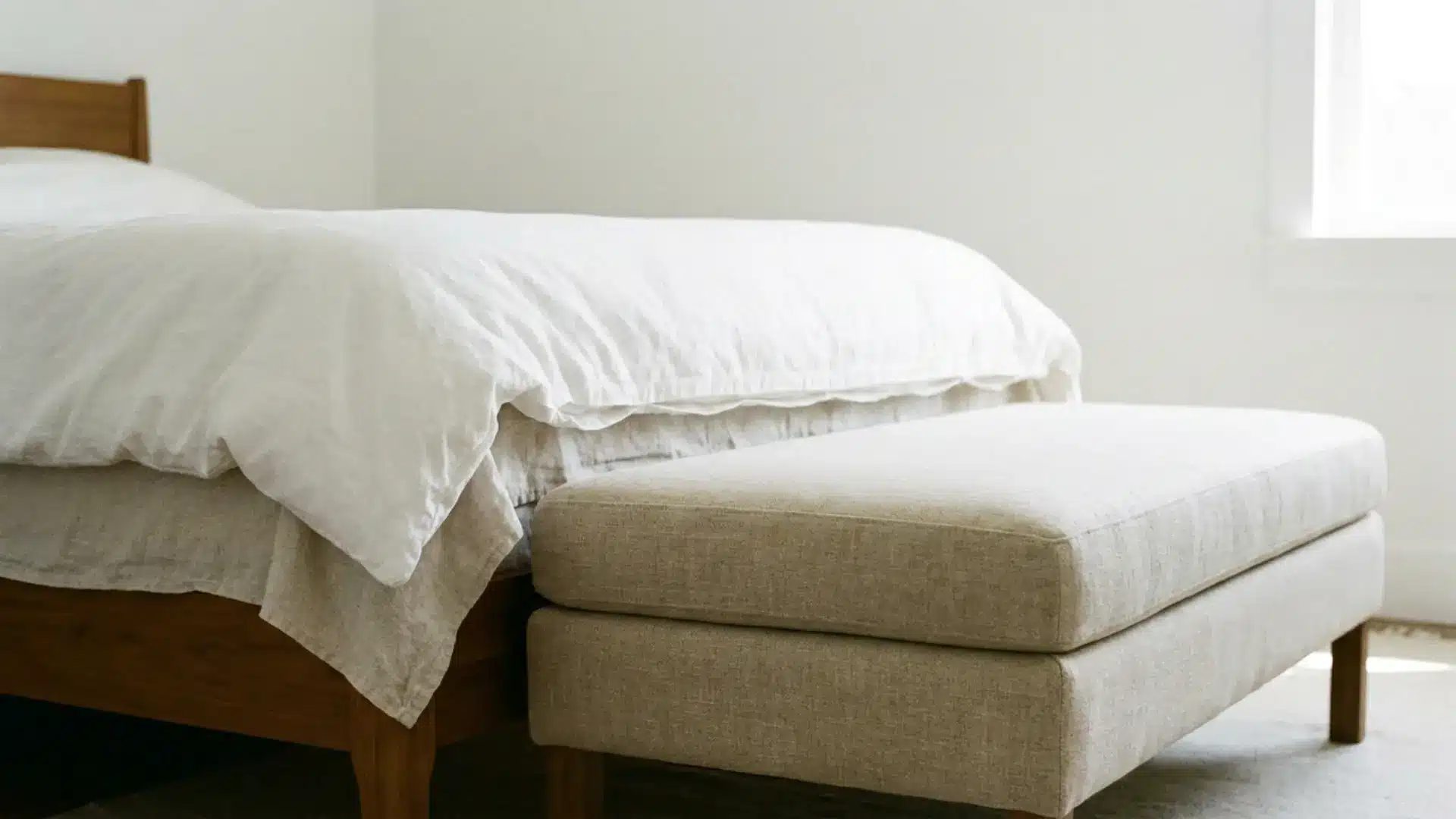
A storage ottoman at the foot of the bed is one of those pieces that earns its place several times over in a guest room.
It serves as a surface for folded clothes or an open suitcase, extra seating when needed, and concealed storage for blankets or pillows that would otherwise take up closet space.
Choose one in a neutral linen, boucle, or leather finish that complements the bed frame and overall palette. Keep the top clear when guests arrive so the surface is immediately usable.
20. Pick Nightstands with Drawers for Guest Essentials

A nightstand with at least one drawer gives guests a private place to store small personal items without leaving them exposed on the surface.
It also keeps the top of the nightstand cleaner and less cluttered, which contributes to the overall sense of calm in the room.
Stock the drawer lightly before guests arrive with a few useful items, such as a phone charging cable, a small notepad, a pen, and perhaps a spare pair of earplugs.
It is a small detail that communicates a level of care most guests genuinely appreciate.
21. Choose Furniture with Legs to Keep the Room Feeling Open

Furniture that sits directly on the floor makes a room feel heavier and more closed in, particularly in smaller guest rooms where floor space is already limited.
Pieces with visible legs, whether a bed frame, nightstand, or an accent chair, allow light to travel beneath and across the floor, creating a visual sense of airiness even in a compact space.
This works especially well in rooms with hardwood or light-toned flooring, where the continuity of the floor surface beneath the furniture enhances the feeling of openness.
Lighting and Textiles
Lighting and textiles are the two things that determine how a guest room actually feels inside, not just how it looks in a photograph. These guest bedroom ideas focus on getting both layers right.
22. Add Bedside Lamps with Warm-Toned Bulbs
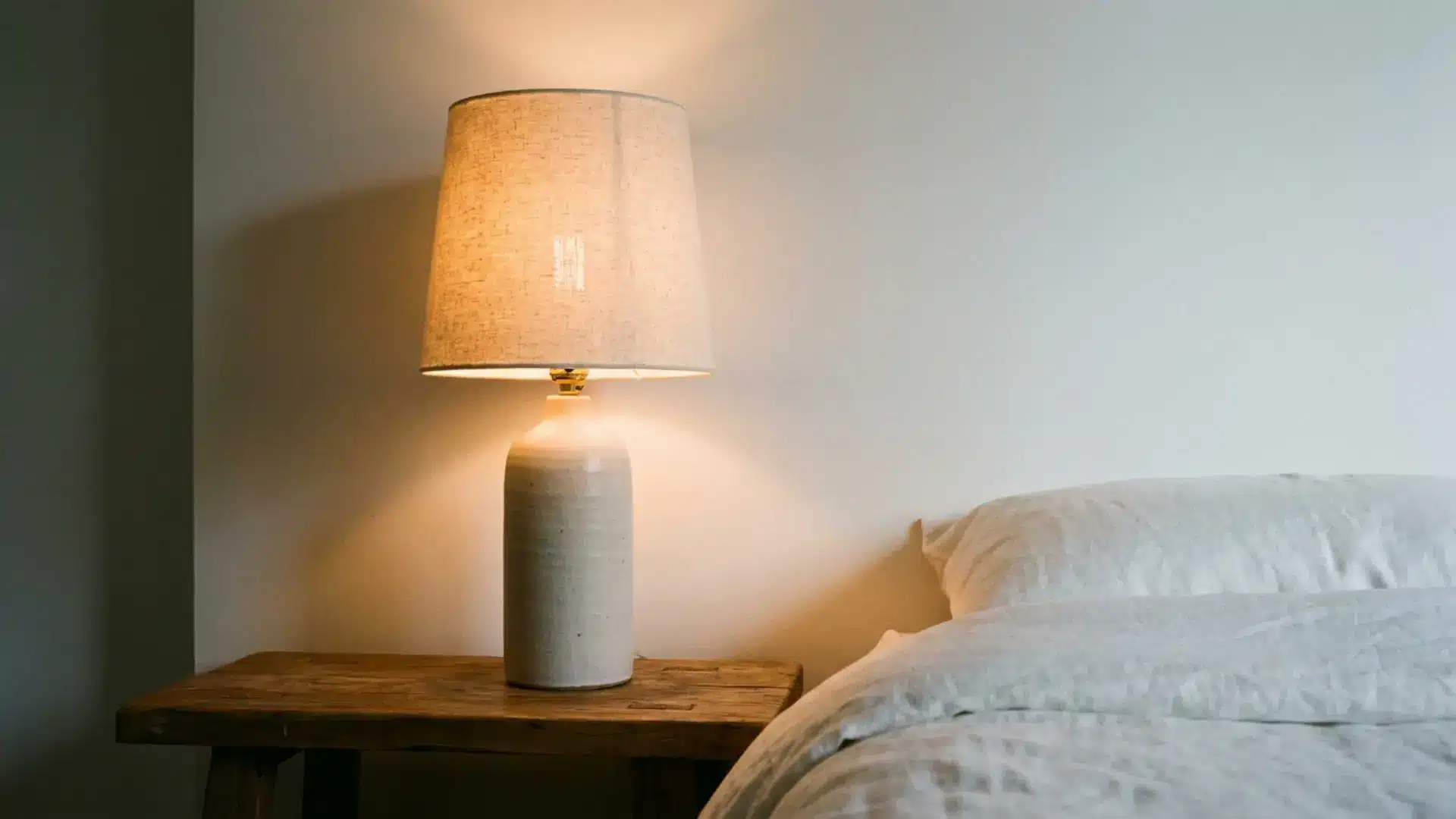
Bedside lamps are non-negotiable in a guest room, and the bulb temperature matters just as much as the lamp itself.
Warm white bulbs in the 2700K to 3000K range cast a soft, amber glow that feels relaxing and flattering rather than clinical.
Choose lamps with a base that complements the nightstand finish and a shade that diffuses the light evenly rather than directing it harshly downward.
23. Install a Dimmer Switch for Adjustable Ambiance
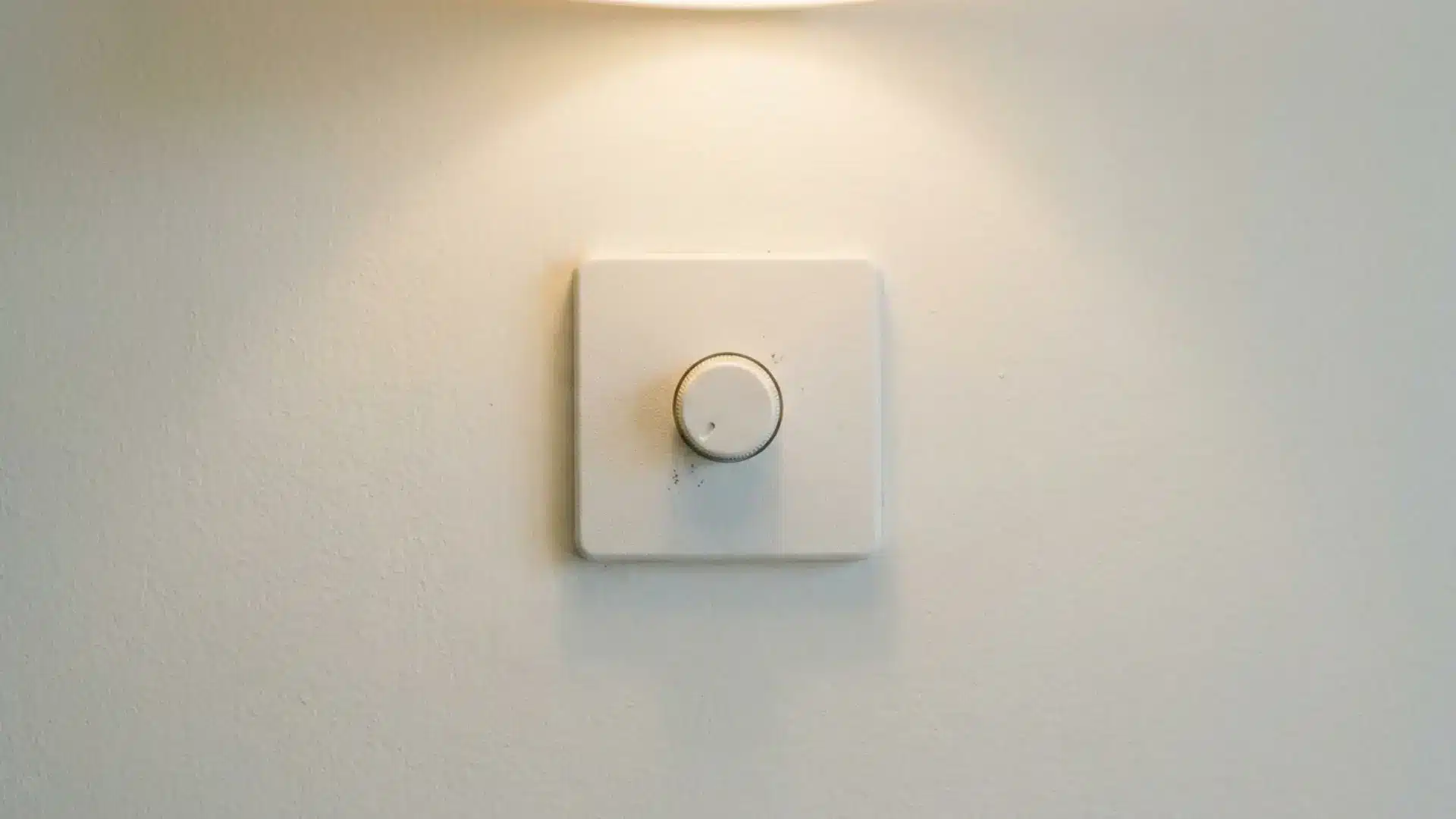
A dimmer switch is one of the smallest upgrades a guest room can have and one of the most impactful for everyday experience.
It allows guests to adjust the overhead lighting to exactly the level they need, whether that is bright enough to unpack by or low enough to wind down before sleep.
Paired with a warm-toned bulb in the overhead fixture, a dimmer effectively gives the room two completely different moods without requiring any additional lamps or fixtures.
24. Use a Statement Pendant or Chandelier Overhead

Swapping out a basic builder-grade ceiling fixture for a pendant light or small chandelier is one of the highest-impact changes you can make in a guest room for the cost and effort involved.
It immediately signals that the room was designed rather than just furnished. Choose something with clean lines and a finish that ties into the rest of the room, that is matte black, brushed brass, or natural rattan.
Keep the scale appropriate to the room size so it feels considered rather than overwhelming in a smaller space.
25. Add a Plug-In Wall Sconce to Free Up Nightstand Space
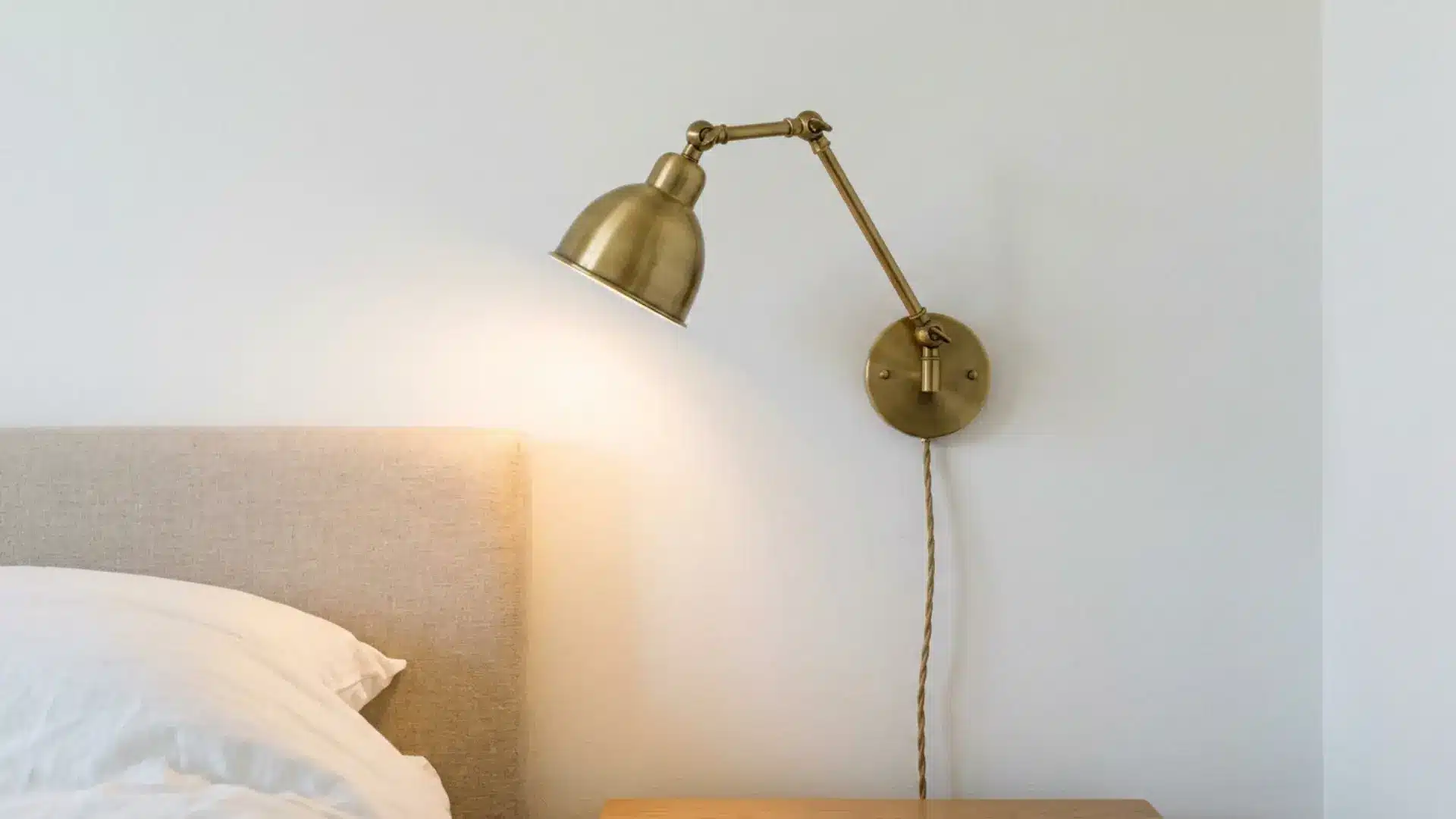
A plug-in wall sconce mounted beside the bed solves the common problem of a nightstand that is too small to hold both a lamp and everything else a guest needs within reach.
Because it mounts on the wall and plugs into a standard outlet, no electrician is required. It keeps the light source at the right reading height while leaving the entire nightstand surface free for a glass of water, a phone, and a book.
Choose a sconce with an adjustable arm for maximum flexibility and a shade that casts light downward rather than into the room.
26. Use Hotel-White Crisp Cotton Sheets as Your Base
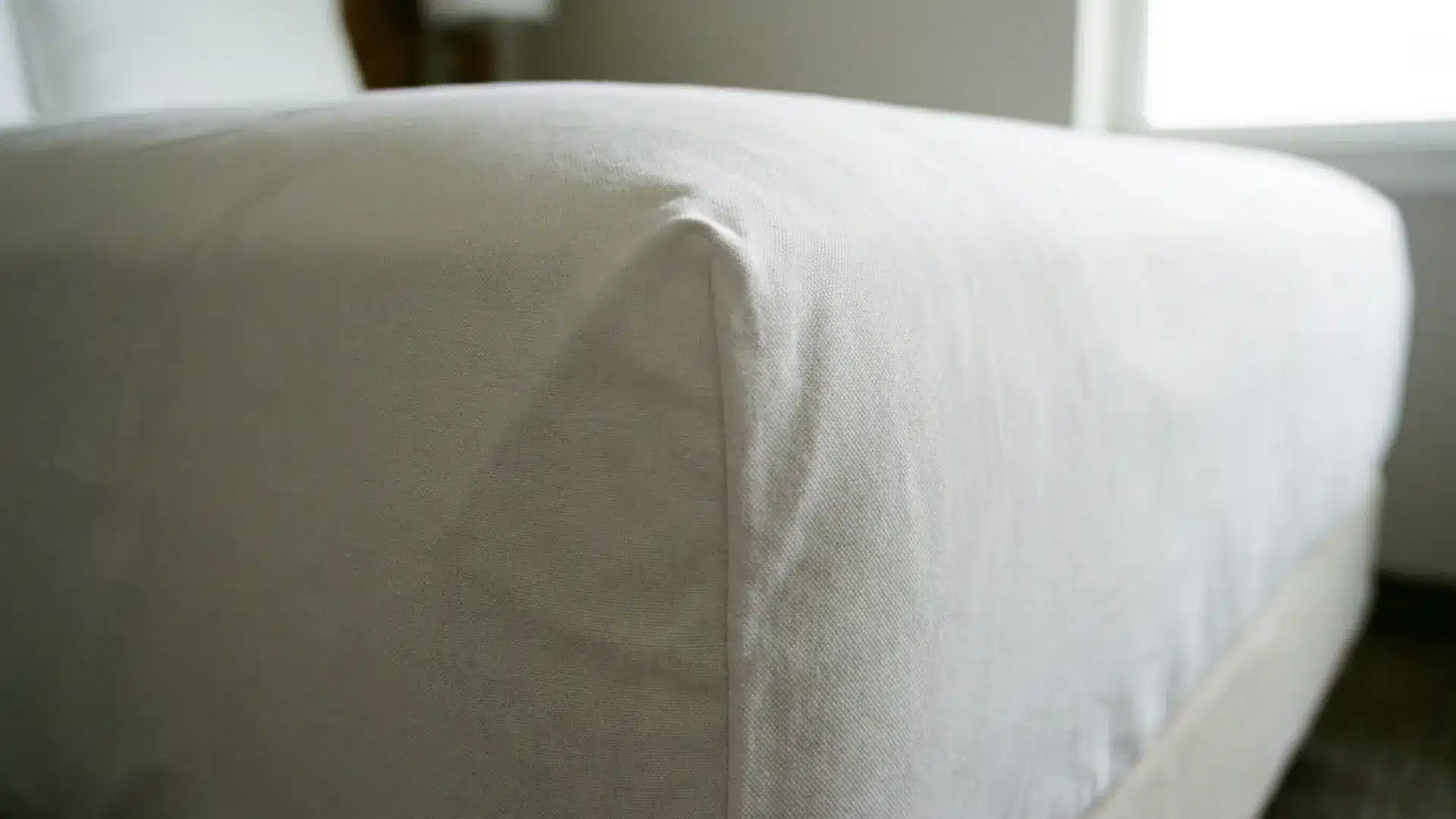
There is a reason hotel rooms use crisp white cotton sheets almost universally. They feel clean, they look fresh, and they photograph beautifully.
In a guest room context, white sheets signal that the bedding has been freshly laundered and create a neutral base that works with any duvet cover or throw layered on top.
Look for a thread count between 300 and 500 in a percale or sateen weave for the best combination of softness and durability.
27. Layer a Chunky Knit or Faux Fur Throw at the Foot of the Bed
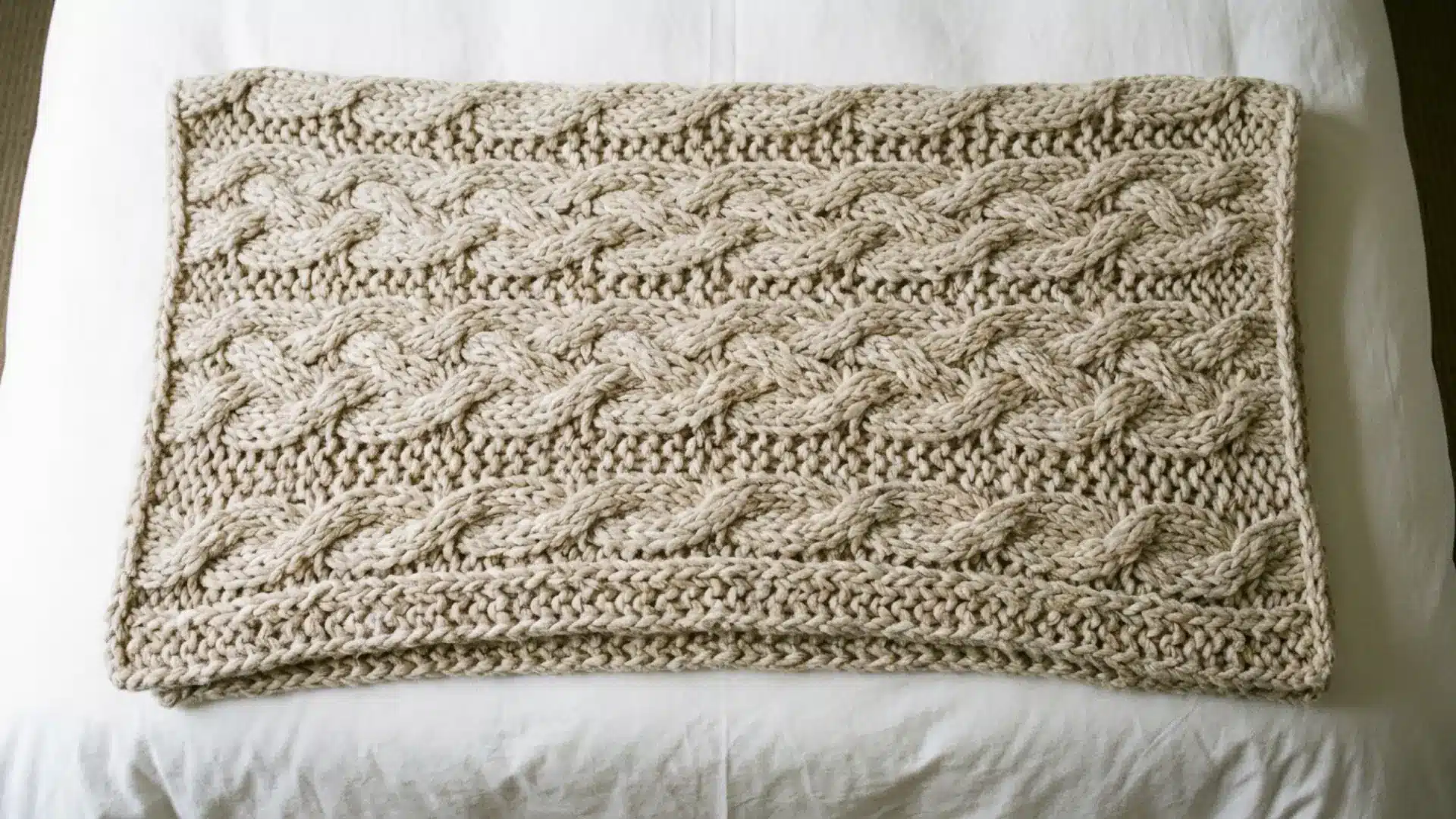
A throw folded neatly at the foot of the bed does two things at once. Visually, it adds warmth and texture to what might otherwise be a flat expanse of white bedding.
Practically speaking, it gives guests an extra layer to reach for at night without having to hunt through closets or drawers.
A faux-fur option adds a touch of softness and luxury, making the room feel genuinely indulgent without requiring any additional styling effort.
28. Add a Duvet with a Washable Cover for Easy Turnover
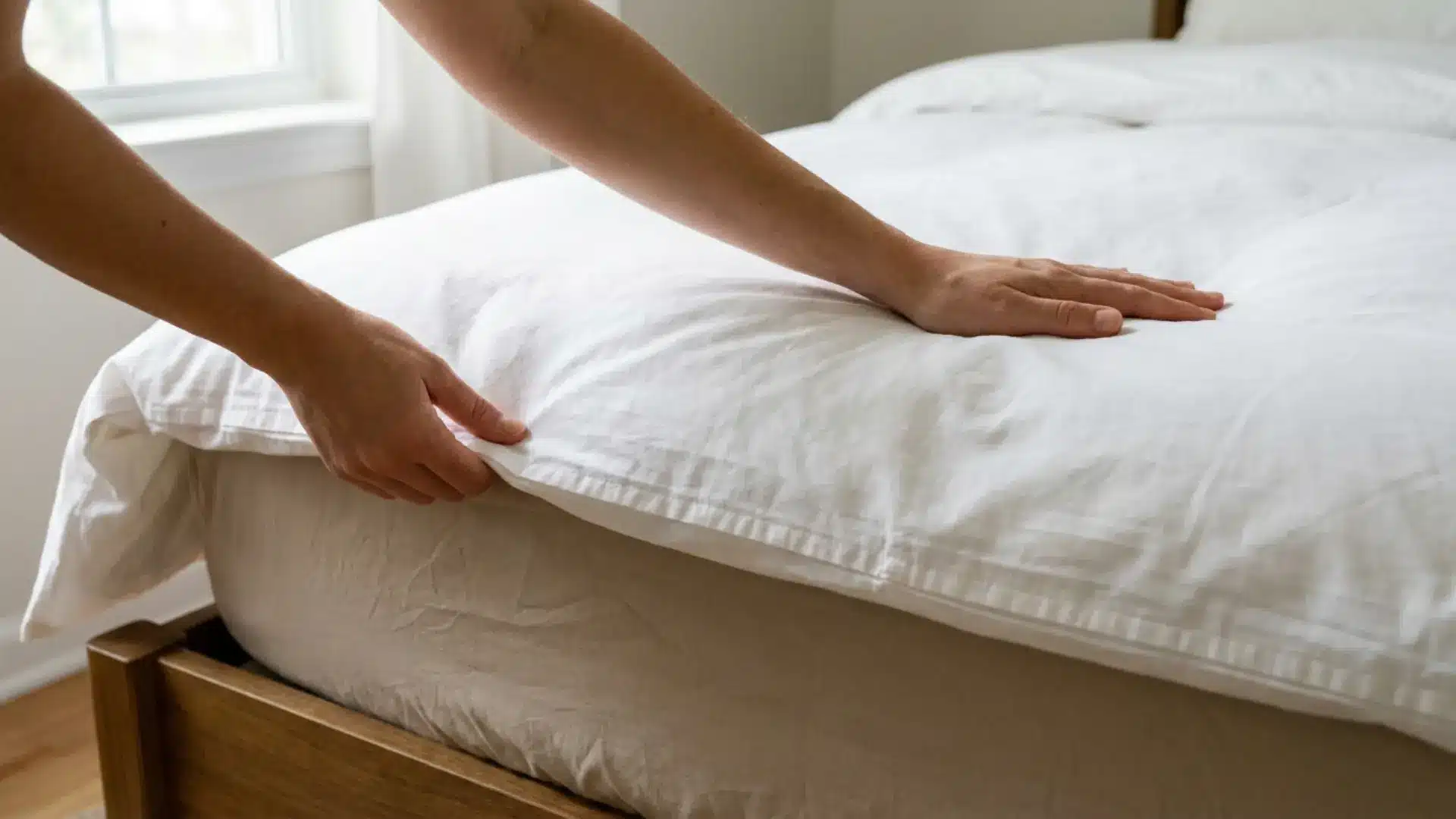
A duvet with a removable, machine-washable cover is one of the most practical investments a guest room can have.
It means the entire top layer of bedding can be freshly laundered between every stay without the hassle of washing a heavy comforter.
Keep a spare cover in the linen closet so the bed can be remade immediately after one guest leaves and before the next arrives, making the whole hosting process far more efficient.
29. Choose a Textured Area Rug to Anchor the Bed

An area rug placed under the bed grounds the entire room and gives it a sense of completeness that bare floors alone rarely achieve.
In a guest room, a rug also adds a layer of physical comfort, giving guests something soft to step onto first thing in the morning.
Choose a low-pile rug in a neutral tone with subtle texture rather than a bold pattern, which can quickly overwhelm a minimalist space. Size matters considerably here.
Storage, Organization, and Guest Comforts
A guest room can look beautiful and still fall short if the practical side has not been thought through. These guest bedroom ideas cover the practical touches that guests notice and appreciate most.
30. Clear Out at Least One Full Dresser Drawer for Guest Use

One of the most welcoming things a host can do before guests arrive is to clear out a full dresser drawer and leave it completely empty.
It gives guests somewhere to put folded clothes without having to live out of their suitcase for the entire stay, which makes even a short visit feel more relaxed and comfortable.
Leave a small card or note on top of the dresser, letting guests know the drawer is theirs to use. It is a genuinely thoughtful detail that costs nothing and communicates a level of preparedness most guests do not expect.
31. Add a Small Tray on the Nightstand to Corral Chargers and Remotes
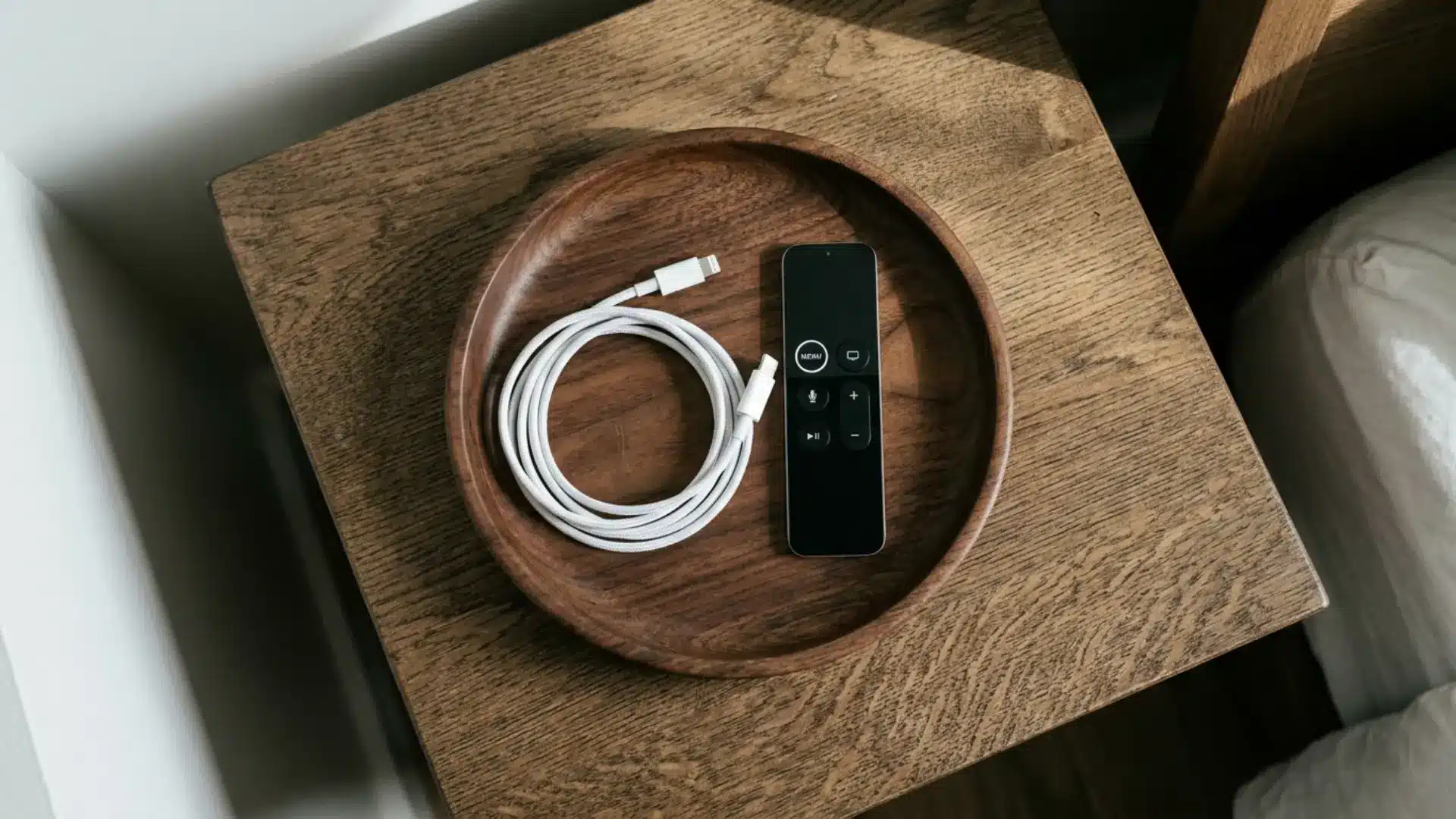
A small tray on the nightstand serves as a contained landing zone for the items guests inevitably accumulate on their bedside surface.
A phone charger, the television remote, a lip balm, and a hair tie without a tray- these things spread across the surface and quickly make the nightstand look cluttered.
Choose a tray in a natural material like wood, marble, or woven rattan that complements the nightstand finish and fits the minimalist aesthetic of the room.
32. Hang a Few Hooks on the Back of the Door
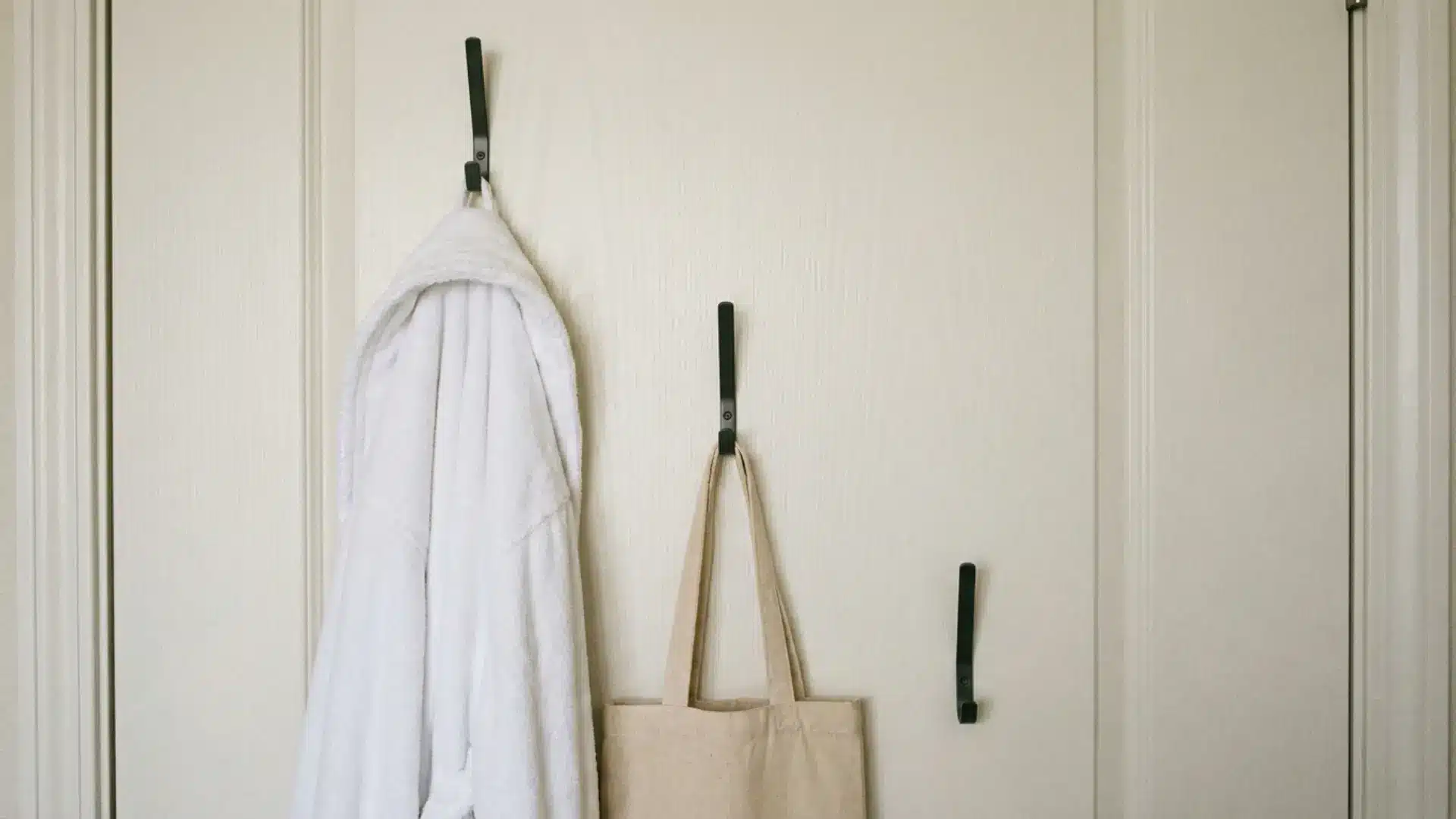
Hooks on the back of the guest room door solve a problem that almost every guest encounters: where to hang a robe, towel, bag, or tomorrow’s outfit without using the closet or draping things over furniture.
Two or three simple matte black or brushed brass hooks mounted at varying heights take up no floor space and add a layer of practical convenience that guests use constantly throughout their stay.
Choose hooks with a clean, minimal profile that blend into the door rather than drawing attention to themselves as a functional afterthought.
33. Add a Labeled Basket with Guest Toiletries and Essentials
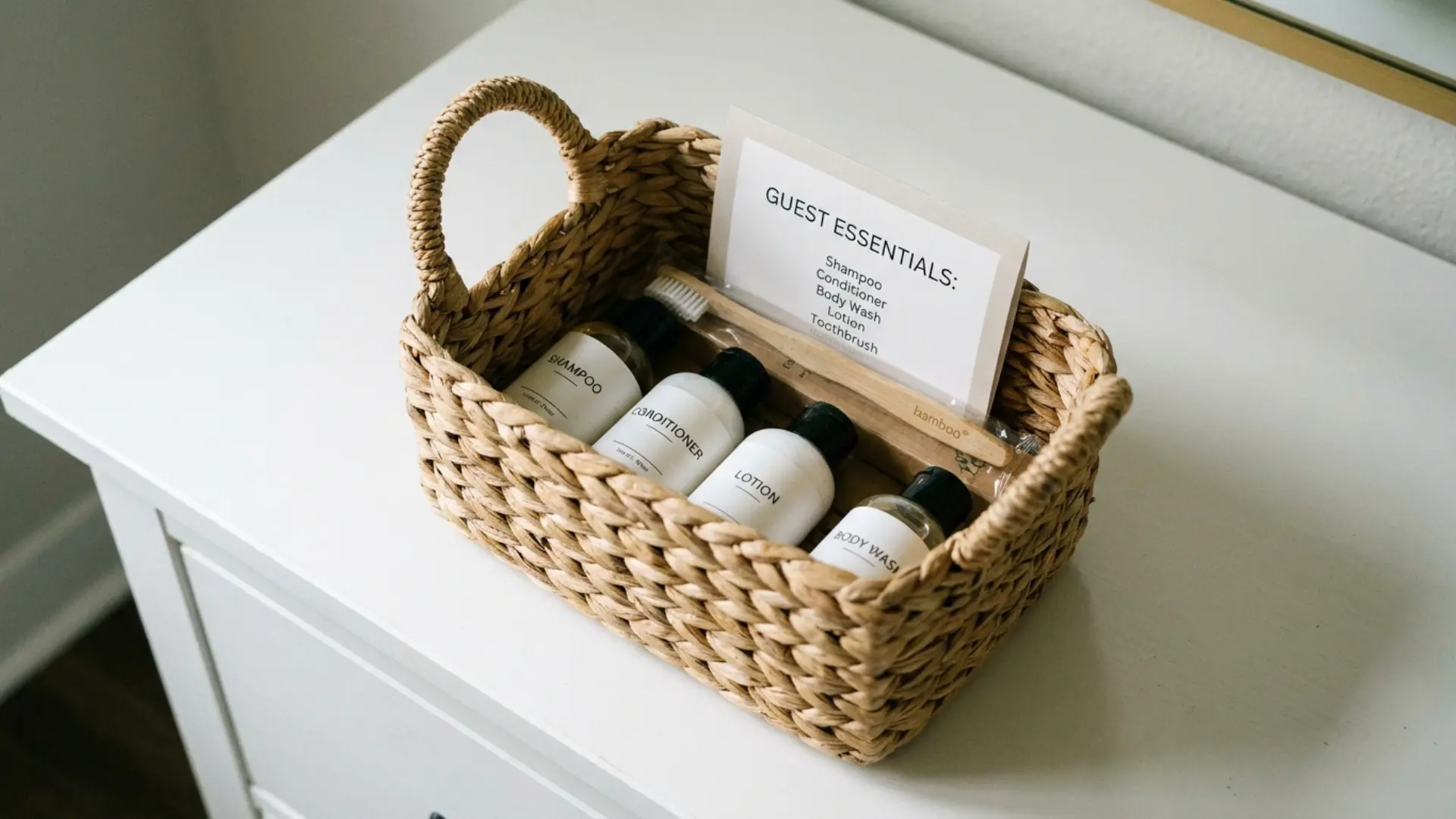
A small basket stocked with guest essentials removes the awkwardness of asking the host for something in the middle of a stay.
Add a few practical extras, like a hair tie, a safety pin, and some pain-relief tablets.
A simple handwritten label or a small card listing the contents makes the basket feel intentional rather than thrown together. Place it on the dresser or on a shelf where guests can easily find it.
34. Leave the WiFi Password Written on a Decorative Card
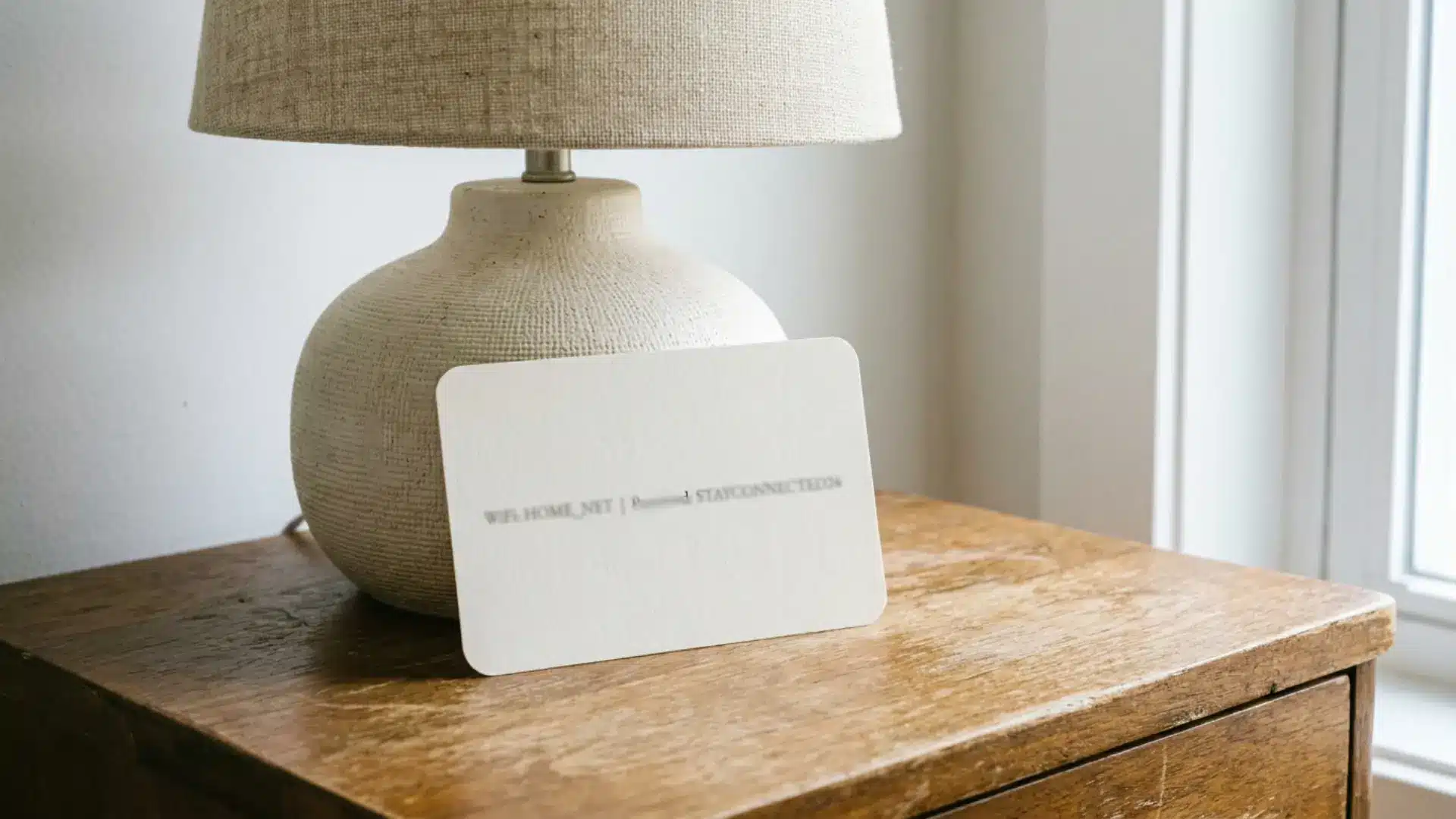
Every guest needs the WiFi password, and almost every guest feels mildly uncomfortable having to ask for it.
Solving this before they even unpack is one of the simplest and most appreciated hospitality details a host can offer.
Write the network name and password on a small card and display it somewhere obvious, on the nightstand, the dresser, or propped against the lamp base.
35. Set Out a Small Tray with Bottled Water and a Glass

A tray with a bottle of water and a clean glass on the nightstand or dresser is the kind of detail that makes a guest room feel genuinely considered rather than just adequately prepared.
It removes the need for guests to wander into the kitchen at night to look for something to drink, which is both uncomfortable for them and disruptive to the household.
Keep it simple: one glass, one bottle, one small tray. If the guest is staying for multiple nights, refresh the water each day as a small but meaningful gesture of ongoing hospitality.
Personal Touches That Make It Memorable
The difference between a guest room that feels adequate and one that feels genuinely welcoming almost always comes down to the personal touches.
These guest bedroom ideas are the ones guests talk about long after they have gone home.
36. Leave a Handwritten Welcome Note on the Pillow
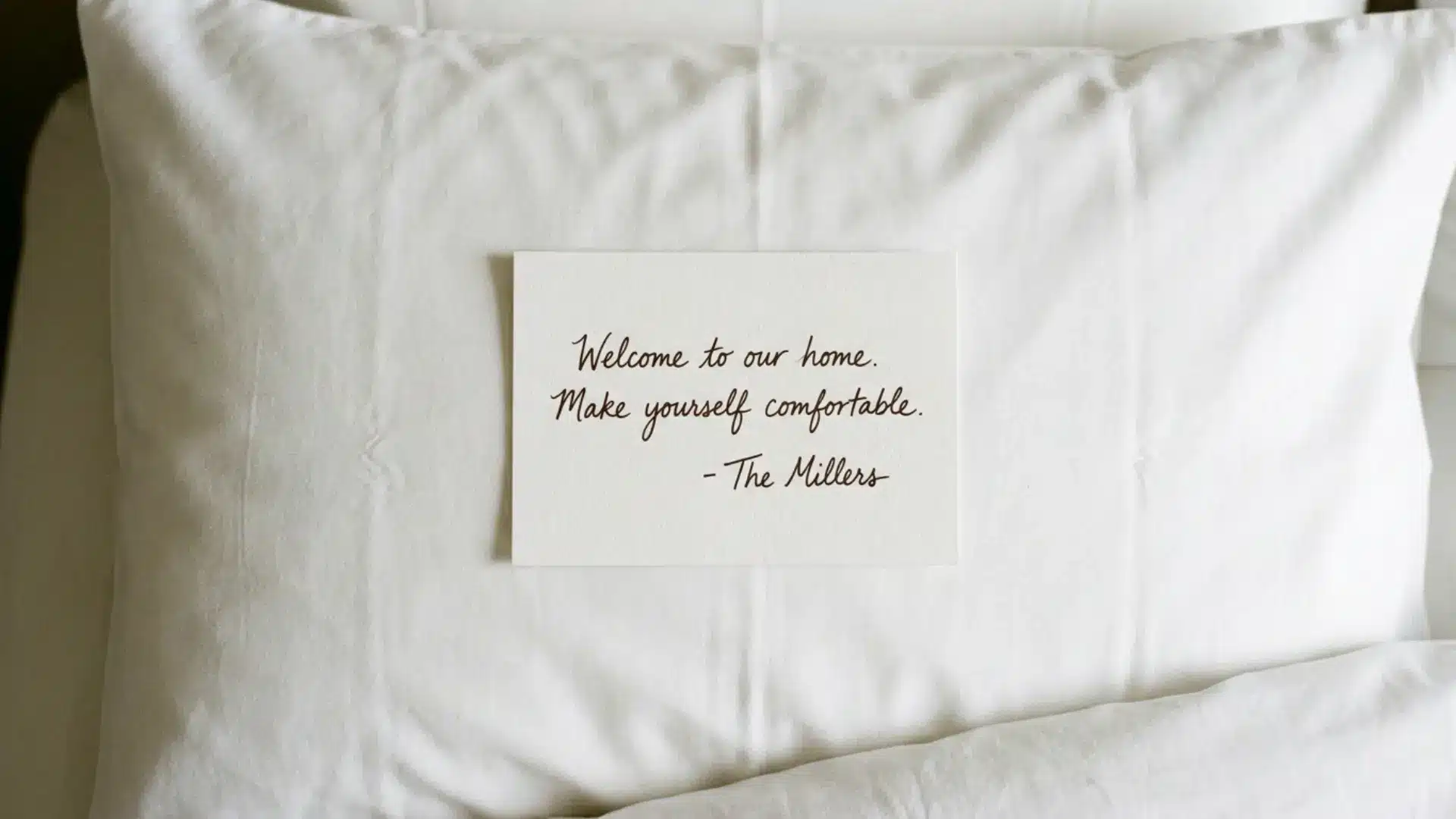
A handwritten note left on the pillow is one of the oldest hospitality gestures, and it still works because it is genuinely personal in a way that nothing printed or typed can replicate. It does not need to be long.
A few lines welcoming the guest, letting them know where things are, and expressing that you are glad they are there is more than enough.
Write it on a simple card or a folded piece of quality paper and place it on top of the pillow just before they arrive. It sets the tone for the entire stay before the guest has even put down their bag.
37. Add a Few Fresh or Faux Flowers in a Simple Vase
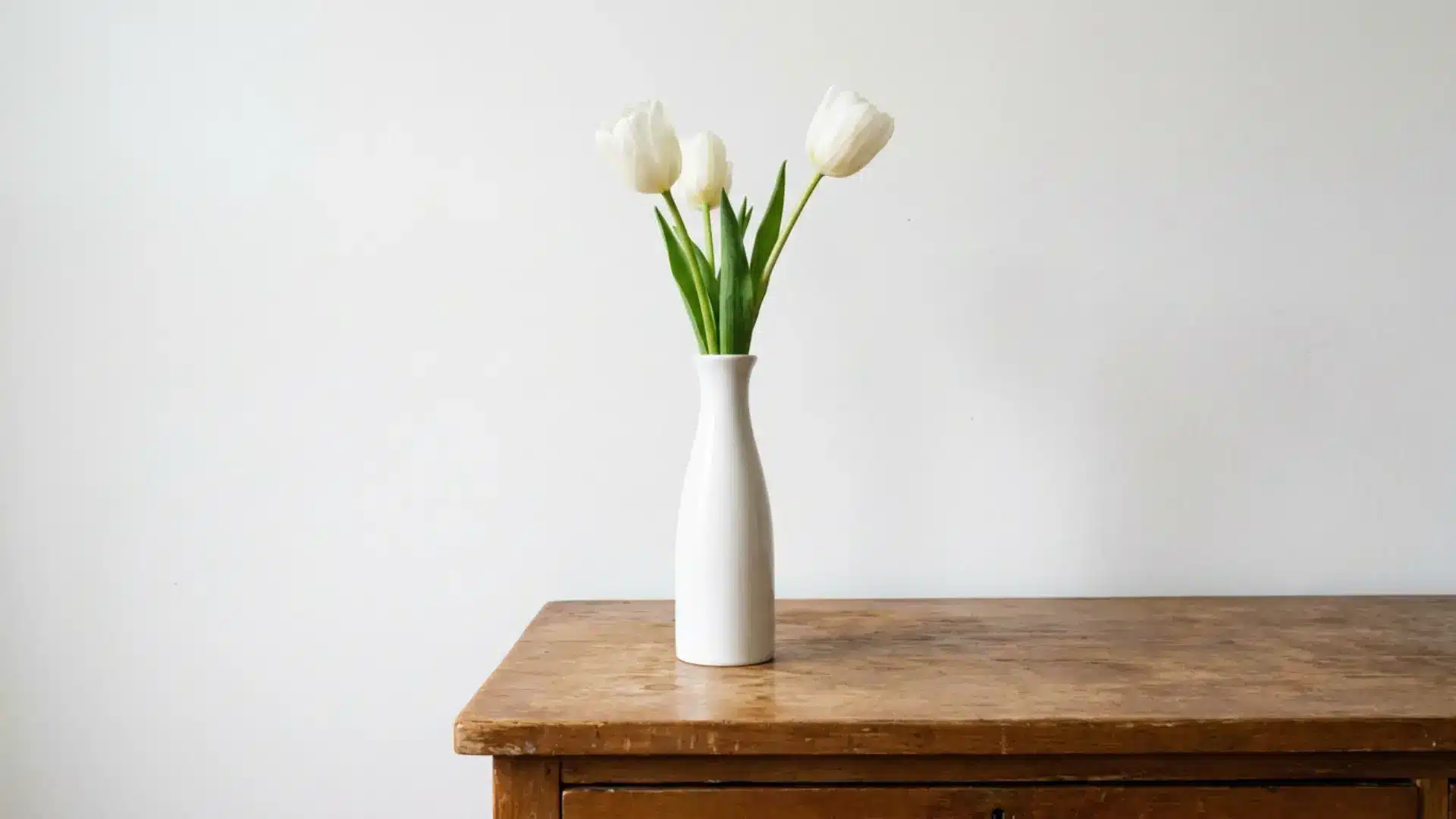
A small vase of flowers on the dresser or nightstand brings life and color into a guest room in a way that feels warm rather than decorative for decoration’s sake.
Fresh flowers are ideal when guests are arriving, and the budget allows, but a well-chosen arrangement of faux florals in a quality vase achieves nearly the same effect with none of the upkeep.
A few stems of eucalyptus, white tulips, or dried pampas grass in a slim ceramic or glass vase are more than enough to make the room feel alive and cared for.
38. Place a Small Plant or Succulent on the Windowsill

A small plant on the windowsill adds a quiet organic element to a guest room, making the space feel lived-in and genuinely considered rather than staged.
Succulents are the most practical choice for a guest room because they require almost no maintenance and thrive in the indirect light most windowsills provide.
The goal is simply to introduce something natural and living into the room that softens the overall look without requiring any ongoing effort from the host.
Small Guest Room Ideas
These final guest bedroom ideas are specifically chosen for rooms with limited square footage, but the standard for comfort and style does not have to be compromised.
39. Use Mirrors Strategically to Make the Space Feel Larger
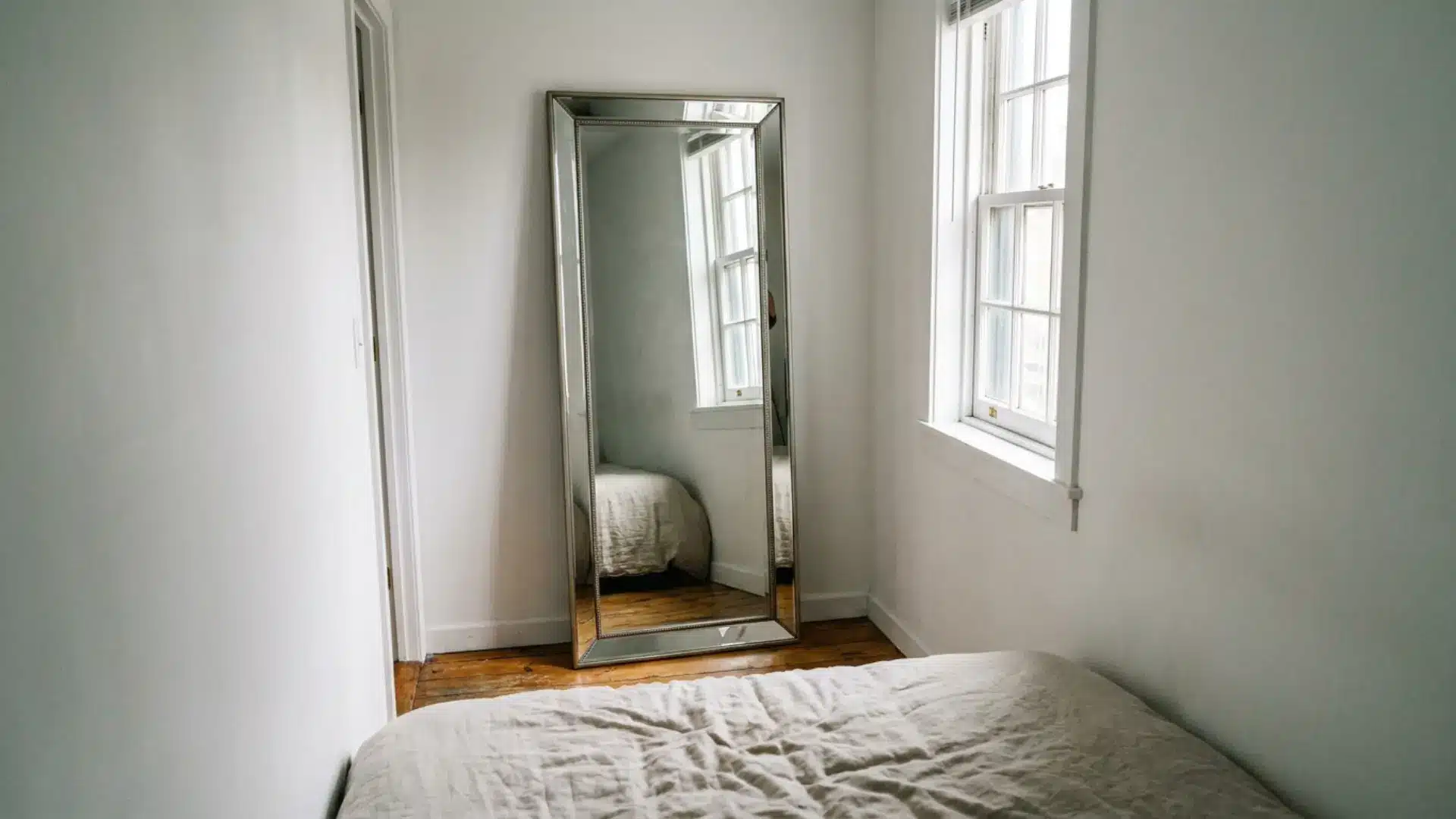
A mirror is one of the most effective tools available in a small guest room because it does something no other decor element can: it visually doubles the space it reflects.
A full-length mirror leaning against the wall opposite the window bounces natural light back into the room, creating the impression of depth that a small room otherwise lacks.
Even a larger mirror hung above the dresser achieves a similar effect. The key is placement. A mirror that reflects another wall or a dark corner adds very little.
40. Choose a Twin or Full Bed with a Tall Headboard to Draw the Eye Up

In a small guest room, the bed takes up a significant portion of the floor space, making the bed frame itself one of the most important design decisions in the room.
A tall headboard draws the eye upward toward the ceiling rather than across the floor, which creates a vertical emphasis that makes the room feel taller and less cramped.
Keep the headboard simple in a neutral linen, wood, or upholstered finish. Avoid footboards entirely in very small rooms, as they visually shorten the space and make it harder to move around the bed comfortably.
41. Use Vertical Storage to Maximize Floor Space
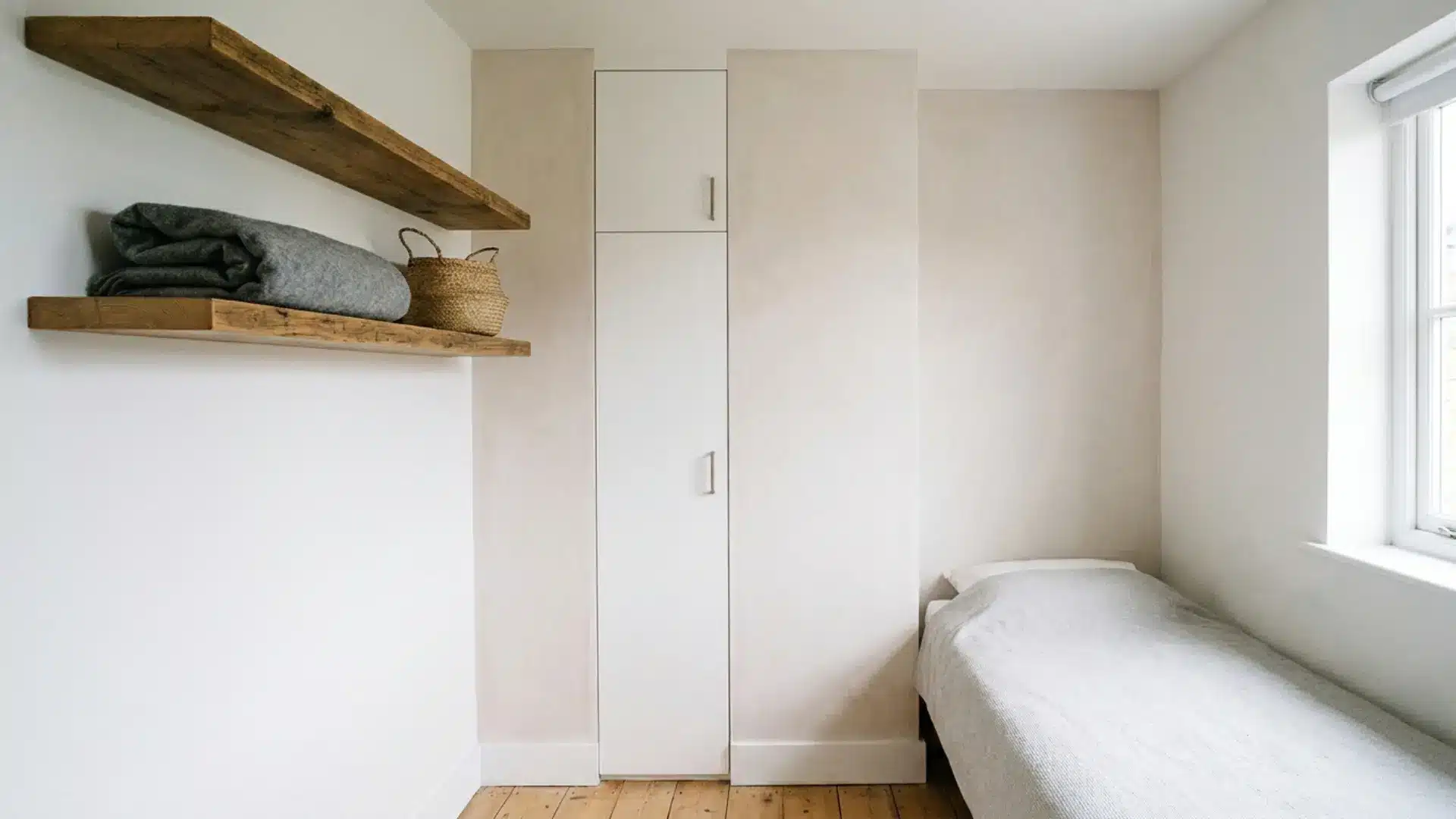
In a small guest room, floor space is the most precious commodity and the one most easily wasted by wide, low furniture.
Vertical storage shifts the organizational load upward rather than outward, keeping the floor as clear as possible and making the room feel less congested.
Tall narrow wardrobes, floating shelves mounted high on the wall, and over-door organizers all work within this principle.
Frequently Asked Questions
What is the Most Important Thing to Consider When Decorating a Guest Room?
Comfort comes before everything else. Start with a good mattress, adequate lighting, and functional storage. Once the basics are solid, layer design decisions on top.
How Do I Decorate a Guest Room on a Small Budget?
Focus on high-impact, low-cost changes first. Fresh neutral paint, crisp white bedding, a mattress topper, and thoughtful touches like a welcome note transform a guest room without significant spending.
What Should I Put in a Guest Room for Visitors?
Fresh bedding, extra pillows, a spare blanket, adequate lighting, empty drawer space, and a nightstand. Extras like a toiletries basket and a WiFi password card make the experience genuinely welcoming.
How Do I Make a Small Guest Room Feel Bigger?
Use mirrors opposite windows, choose furniture with visible legs, opt for a tall headboard, keep the palette light and neutral, and prioritize vertical storage over wide, low furniture.
What Color Is Best for a Guest Room?
Neutral tones work best. Warm whites, soft beiges, greige, and muted sage create a restful atmosphere. A single accent wall in a deeper, earthy tone adds character without overwhelming the space.
To Sum Up
A well-decorated guest room is never about perfection. It is about making the people who stay in it feel genuinely thought of, from the quality of the mattress to the small card with the WiFi password.
Knowing how to decorate a guest room comes down to layering the right essentials with intentional design choices and a few personal touches that no checklist can fully capture.
Starting from scratch or refreshing a neglected space, even small changes make a real difference.
Which of these guest bedroom ideas are you planning to try first? Let us know in the comments.