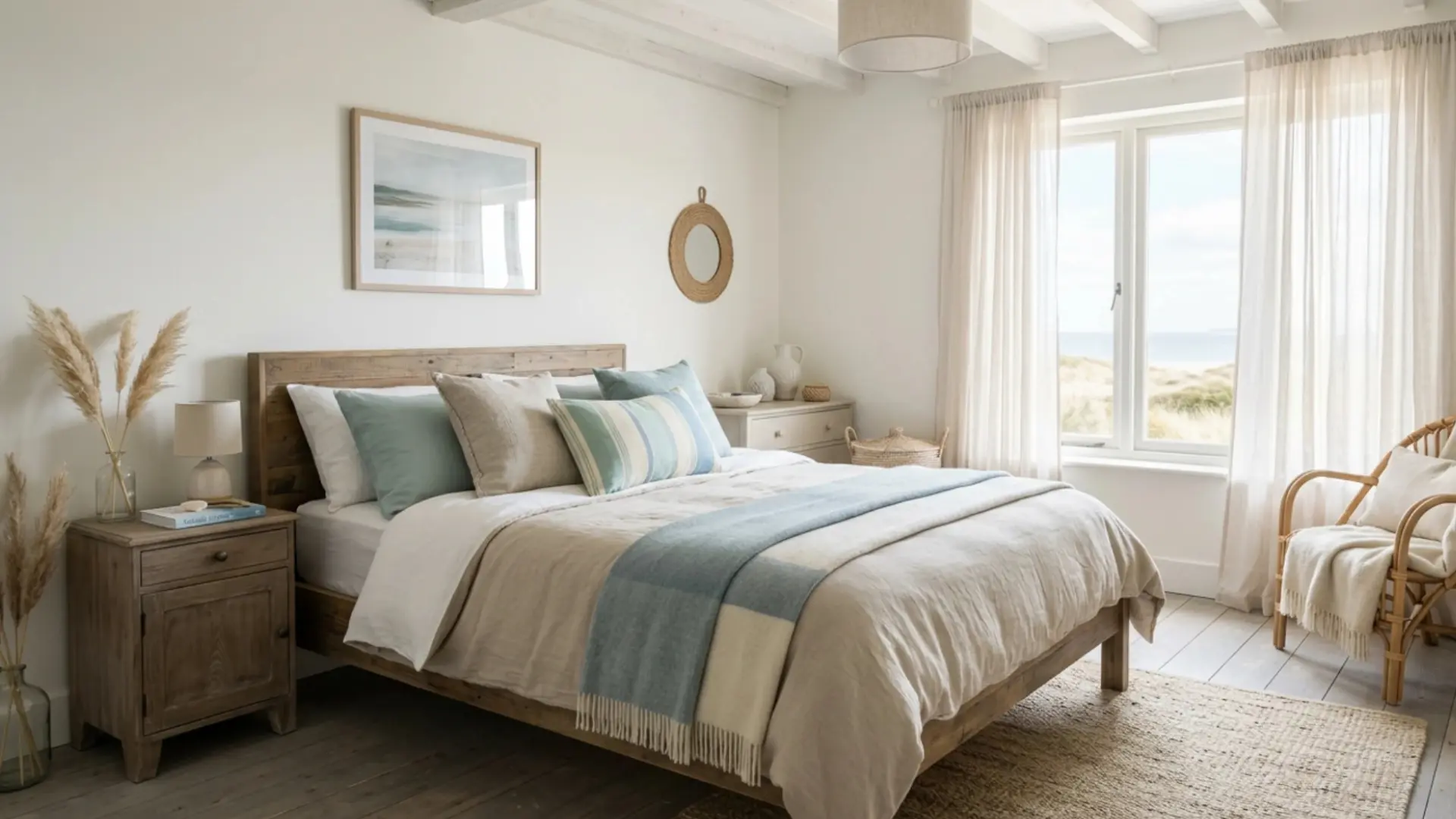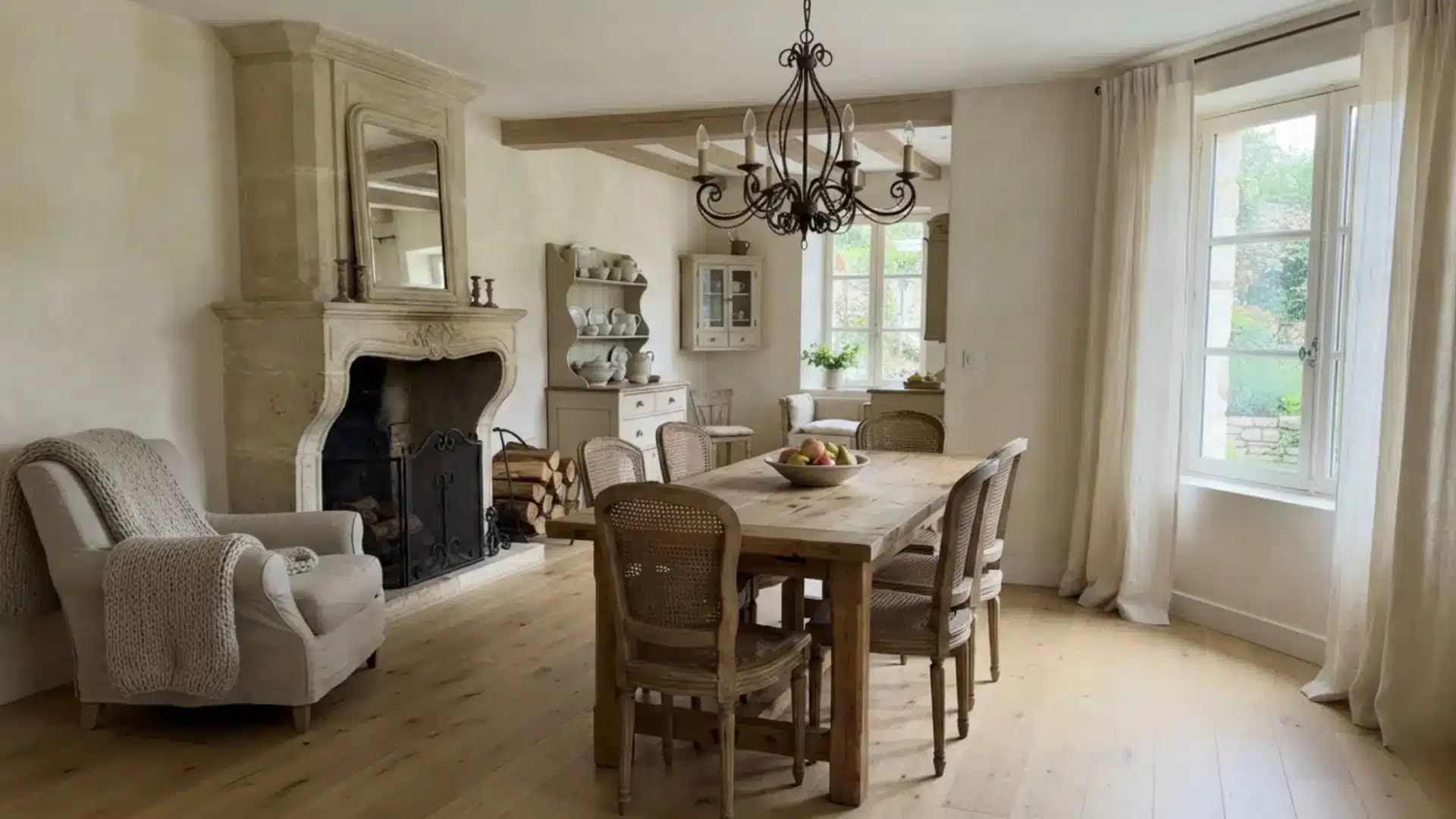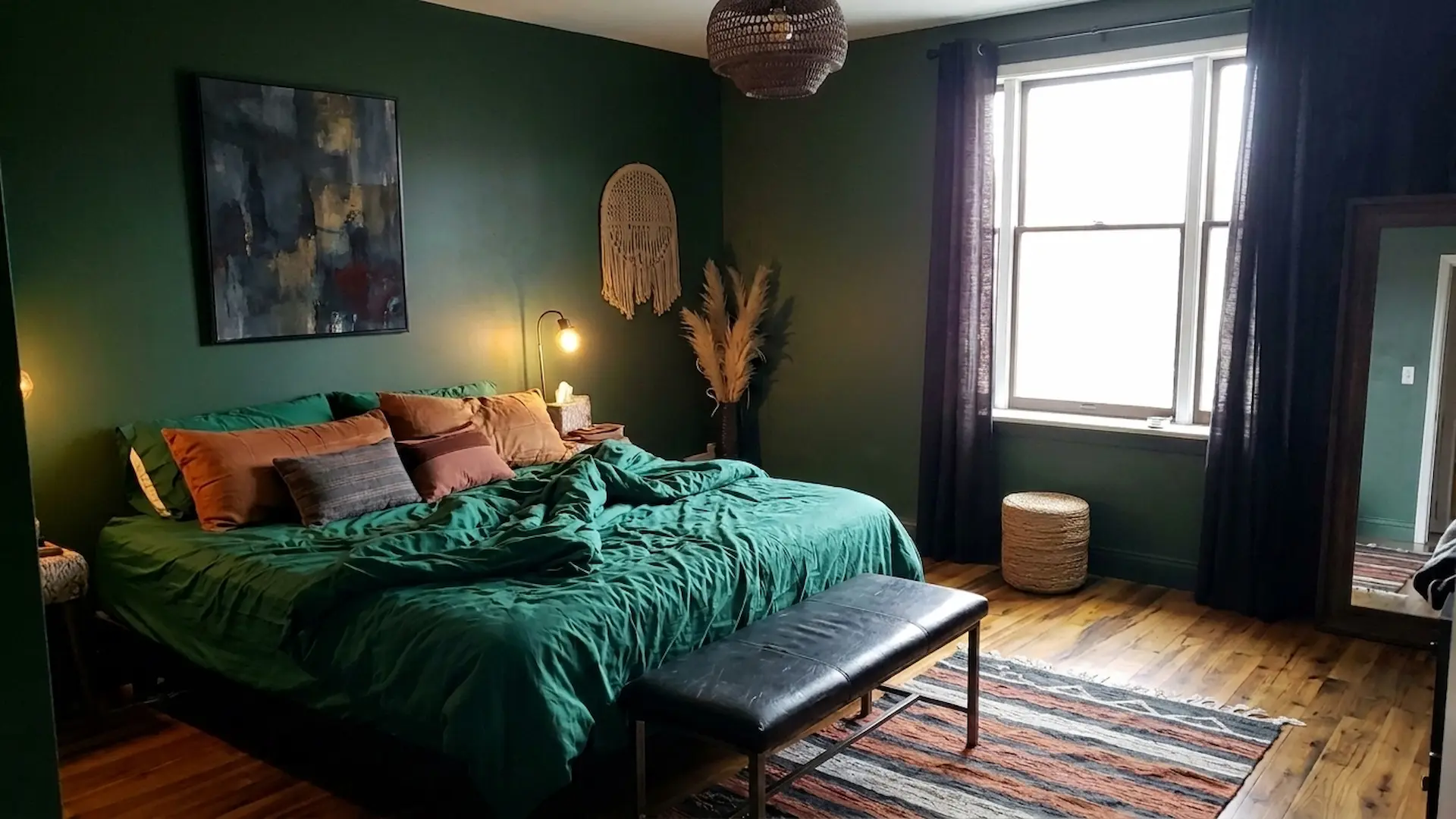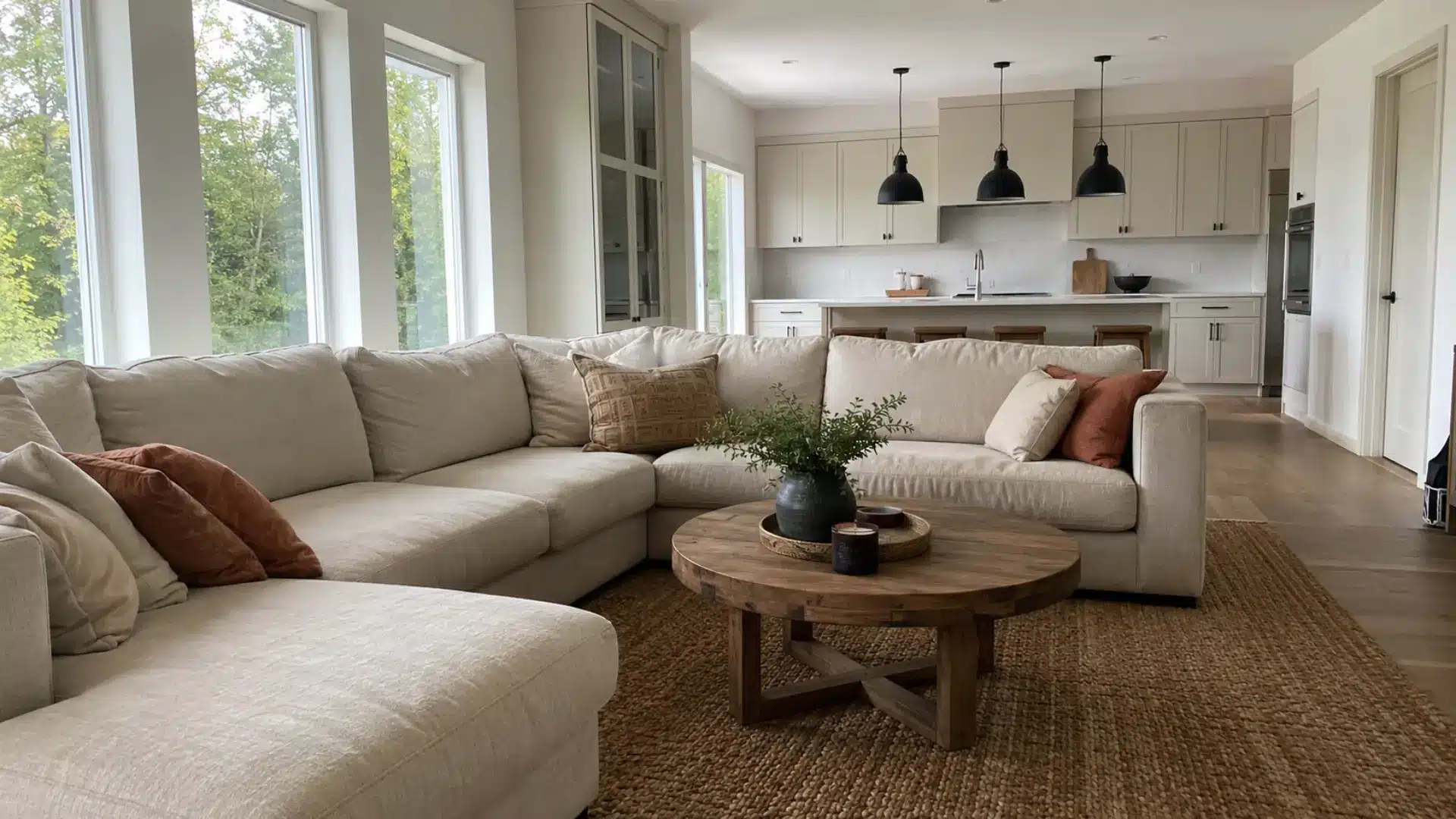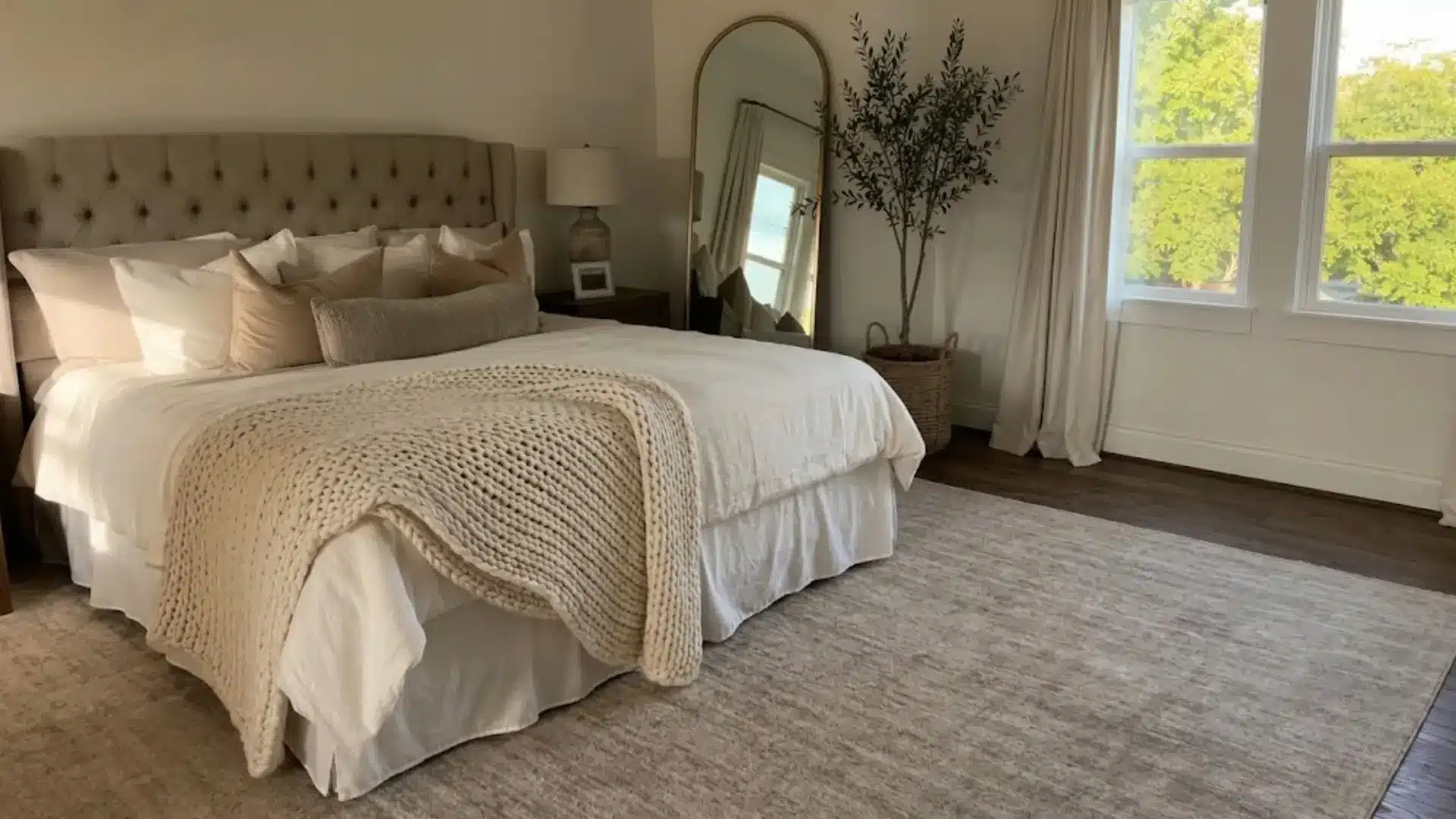


A beautiful sofa means nothing if your walls look like a waiting room. Bare walls are the most overlooked problem in home decorating and the easiest to fix.
You do not need a contractor, a big budget, or a single weekend of stress.
These DIY wall decor ideas work for every space, every style, and every skill level; whether you are freshening up a rental or doing a full room refresh.
Pick one idea from this list, and your room will never look the same.
What to Consider Before Starting Your DIY Wall Art Project
Before picking up a paintbrush or ordering supplies, a little planning goes a long way.
Start by looking at your wall surface: drywall, brick, and plaster each require different hanging hardware.
Next, consider your room’s existing color palette and style so your diy wall art feels cohesive rather than out of place.
Think about how much time and budget you realistically have, and be honest about your skill level. A project that matches your current abilities will always look better than one that stretches too far beyond them.
Paper and Print DIY Wall Decor Ideas
Paper and print materials are among the easiest ways to create wall decor with simple tools and everyday items.
1. Framed Printable Art
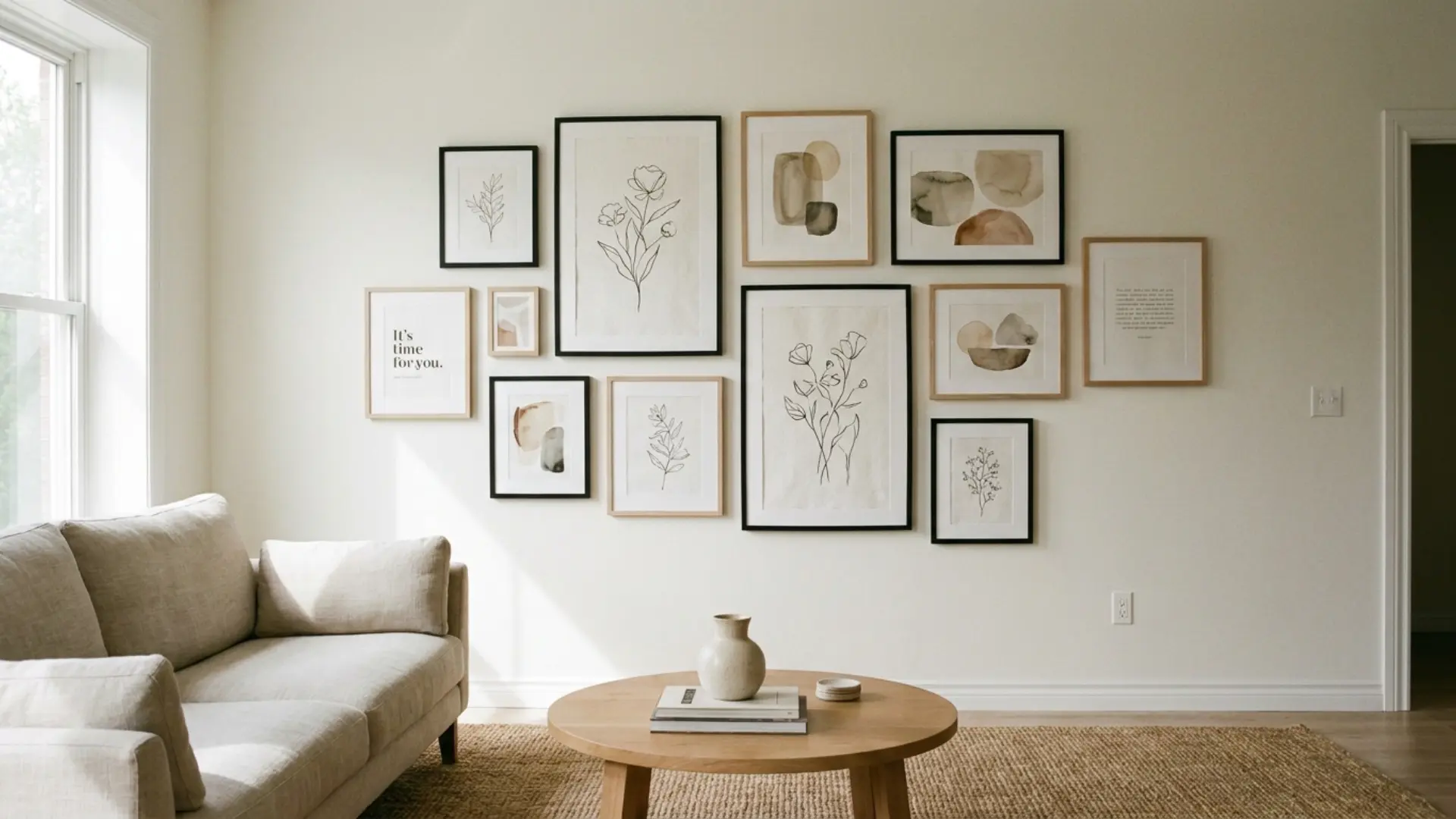
Framed printable art works well for simple wall decor using ready-made or self-made digital designs.
You can print illustrations, patterns, or typography on quality paper and place them in basic frames. Grouping multiple frames together creates a clean wall display for living rooms, bedrooms, or hallways.
This option allows quick updates by swapping prints whenever you want a fresh look without changing the entire setup.
2. Paper Quilling Wall Art

Paper quilling wall art uses rolled and shaped strips of paper to form detailed designs on a flat surface.
The technique allows the creation of flowers, patterns, and abstract shapes that stand out with texture. Finished pieces can be placed in frames or mounted directly on boards.
It suits small accent walls and brings a handcrafted feel to bedrooms, study spaces, or entry areas.
3. Origami Wall Installations

Origami wall installations use folded paper forms arranged in patterns or grouped clusters to create visual interest.
You can choose simple geometric folds or more detailed figures depending on preference. Arranged pieces can be pinned, framed, or suspended on strings for a layered effect.
This approach adds structure and depth to plain walls without requiring complex materials or heavy tools.
4. DIY Watercolor Prints
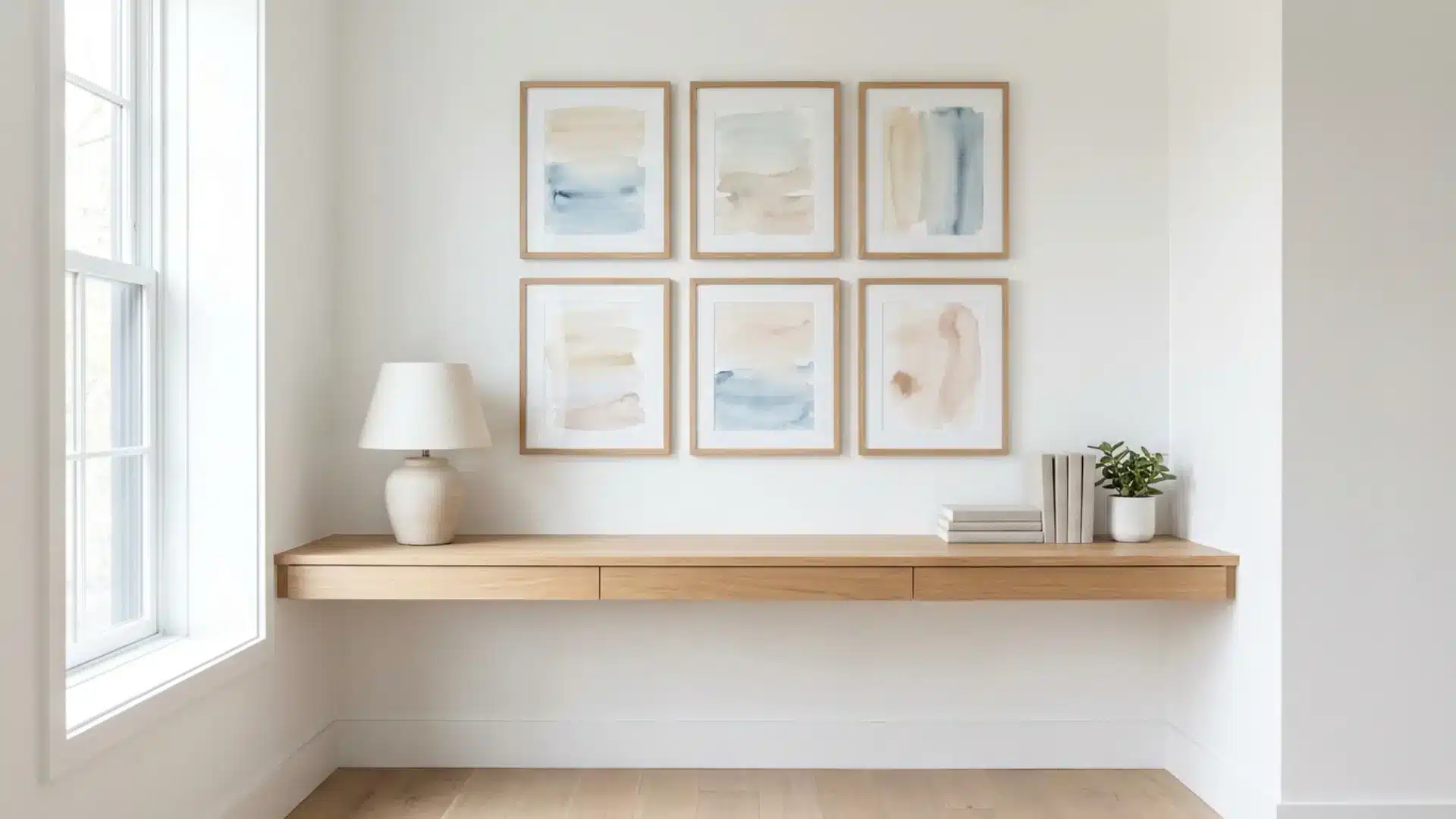
DIY watercolor prints are soft, artistic wall pieces made with simple paint techniques on thick paper. You can blend colors freely or use light brush patterns for subtle effects.
Once dry, the artwork can be framed or clipped onto boards.
These prints work well in calm living spaces, bedrooms, or creative corners where gentle color tones suit the setting perfectly.
5. Newspaper or Magazine Collage Frames

Newspaper or magazine collage frames turn printed paper cutouts into layered wall compositions with varied textures and colors.
You can arrange headlines, images, and patterns in balanced or abstract layouts. Once assembled, the collage can be sealed and placed inside frames for display.
This approach gives old printed materials a new purpose while adding visual interest to plain wall areas.
6. Hand-Lettered Quotes on Cardstock

Hand-lettered quotes on cardstock create personal wall pieces with written messages in different lettering styles. You can use markers, pens, or brushes to write short phrases or meaningful words on sturdy paper.
Once finished, the cards can be framed or clipped onto strings for display.
These pieces naturally add a personal touch to bedrooms, study areas, or shared living spaces.
7. Decoupage Frames with Wrapping Paper

Decoupage frames with wrapping paper involve covering plain frames with patterned paper pieces and sealing them with adhesive layers.
You can mix different prints, colors, or textures to match the room decor. After drying, the frame holds a smooth surface that looks custom-made.
This method works well for refreshing old frames and perfectly matching them with existing wall displays.
Fabric and Textile DIY Wall Art Ideas
These ideas use yarn, cloth, stitching, and knotting techniques to create visual interest. Each piece works well for bedrooms, living rooms, or reading corners.
8. Woven Wall Hangings
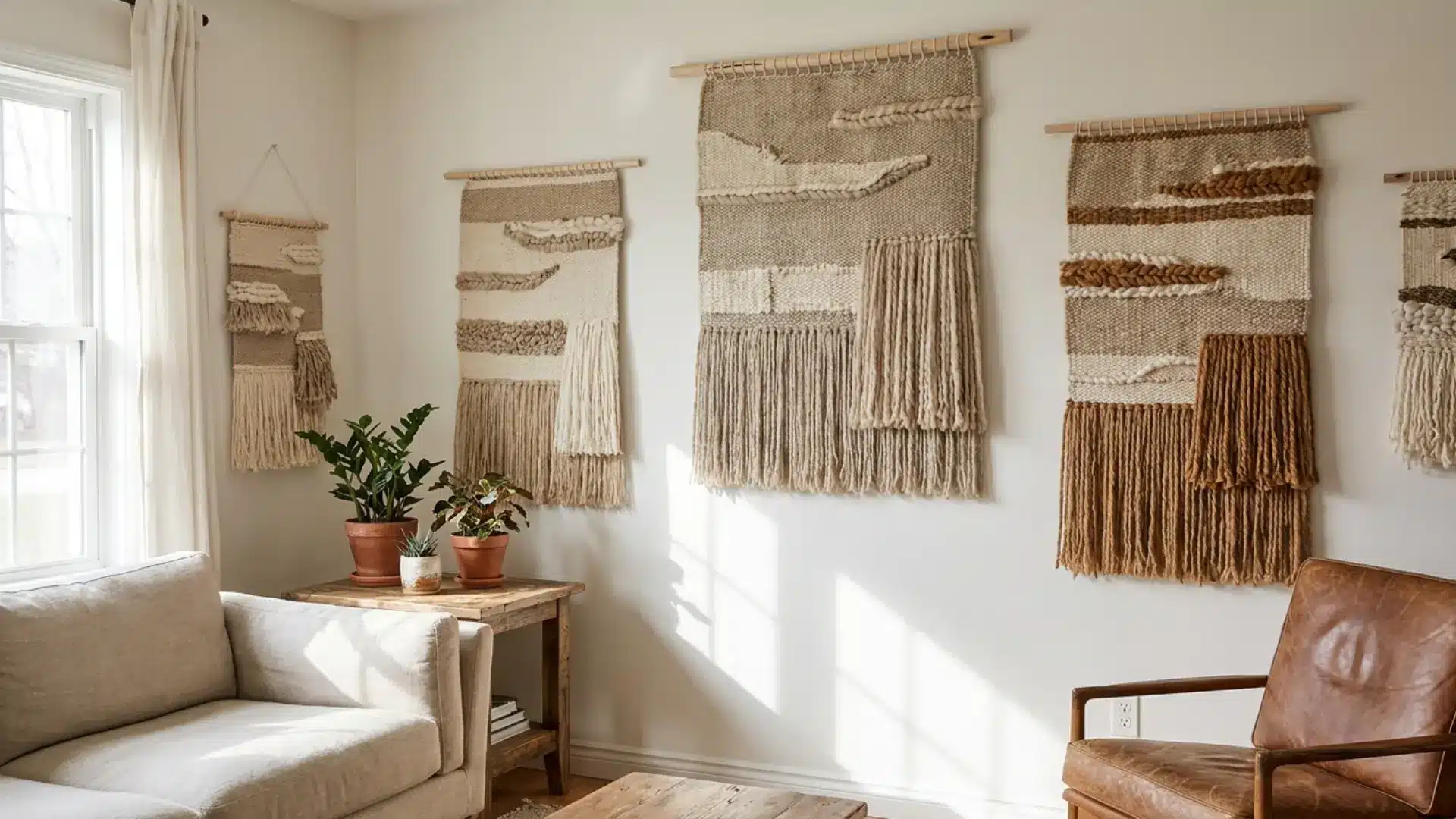
Woven wall hangings are created using yarn, cotton strands, or wool threads arranged on a loom or simple frame.
You can mix colors, knots, and textures to form patterns that feel warm and layered.
Once finished, the piece is mounted on a wooden rod for hanging. It works well as a focal point above beds, sofas, or hallway walls, especially in soft natural light.
9. Embroidery Hoop Art

Embroidery hoop art uses fabric stretched inside round wooden hoops with stitched designs on the surface.
You can create floral patterns, abstract lines, or simple shapes using colored threads. Grouping multiple hoops in different sizes forms a gallery-style wall display.
These pieces are lightweight and easy to arrange, making them suitable for bedrooms, study corners, or craft-themed wall setups.
10. Macramé Wall Hangings

Macramé wall hangings are made by knotting thick cotton cords into detailed patterns.
The design can be simple or complex depending on skill level. Once completed, the piece is hung on a wooden dowel or branch.
The textured surface creates depth and visual softness on plain walls, making it a popular choice for living rooms, bedrooms, and calm interior spaces.
11. Fabric Tapestry Panels

Fabric tapestry panels are large pieces of cloth printed or dyed with patterns, shapes, or abstract designs.
They can be hung directly on the wall or stretched on a frame for a smooth finish.
The soft material adds warmth and reduces harsh wall surfaces. These panels work well in spacious rooms where a large, simple design can anchor the entire wall.
12. Quilted Wall Art

Quilted wall art uses stitched fabric squares joined together into a single decorative piece.
Different patterns, colors, and textures can be combined to form a balanced design.
The stitched layers create a soft, handcrafted look. Once complete, it can be framed or hung as it is. This type of wall art suits cozy interiors and adds a homely, comforting visual effect.
13. Yarn Wrapped Letter Displays

Yarn-wrapped letter displays are made by covering cardboard or wooden letters with colorful yarn.
Each letter can use a different shade or texture for variety.
The finished pieces are mounted on walls in names, initials, or short words. This idea is often used in bedrooms or kids’ rooms, adding a playful and personal touch to the wall space.
14. Framed Vintage Scarves or Bandanas
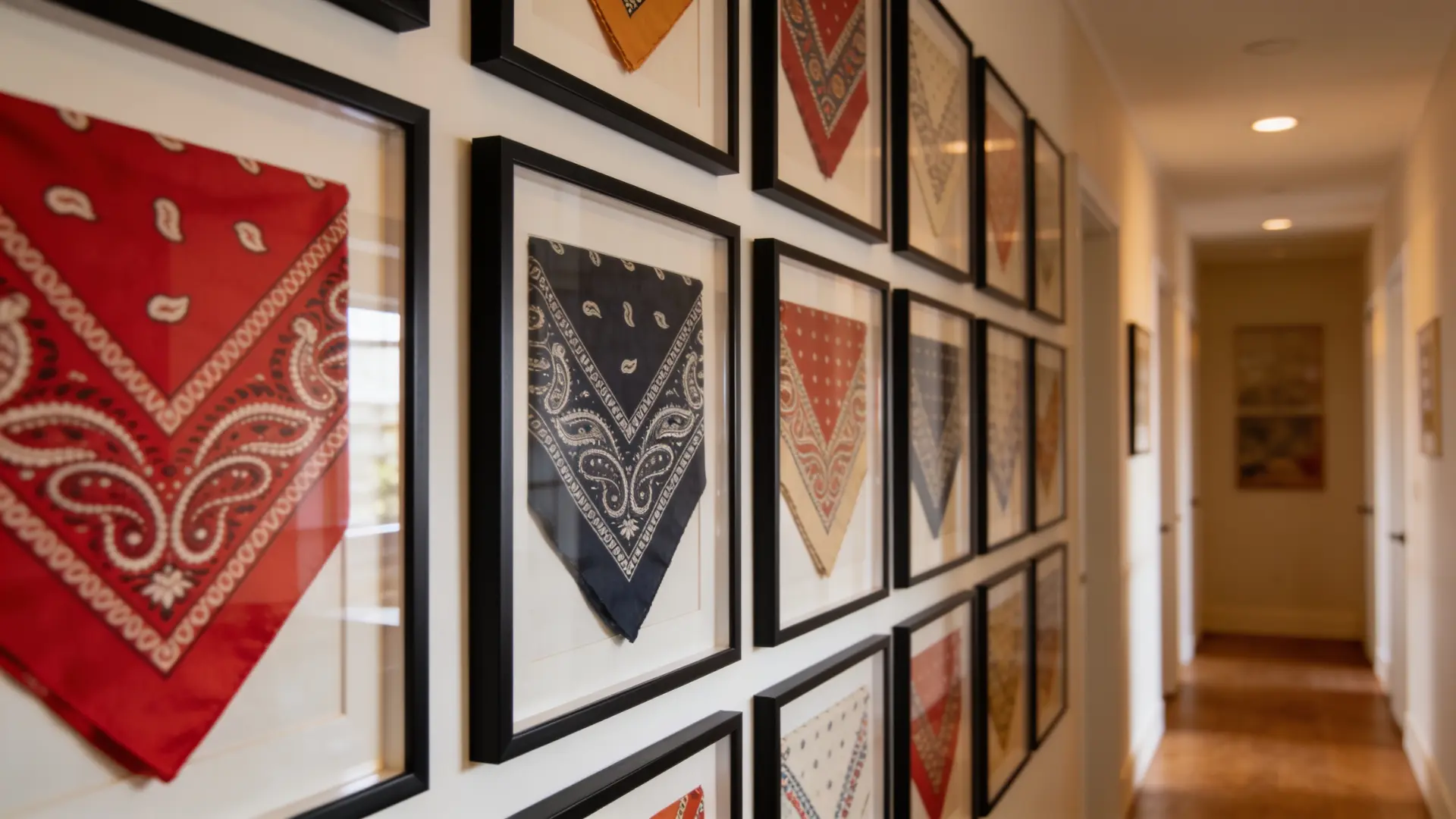
Framed vintage scarves or bandanas turn fabric pieces into wall art by placing them inside simple frames.
The prints, colors, and patterns become the main visual focus.
This method preserves soft fabrics while displaying them creatively. Arranging multiple framed pieces in a grid or line adds structure to the wall and works well in hallways, bedrooms, or reading areas.
Canvas and Painting DIY Wall Decor Ideas
These ideas range from abstract designs to structured patterns, making them suitable for beginners as well as more experienced creators.
15. Abstract Acrylic Pour Paintings
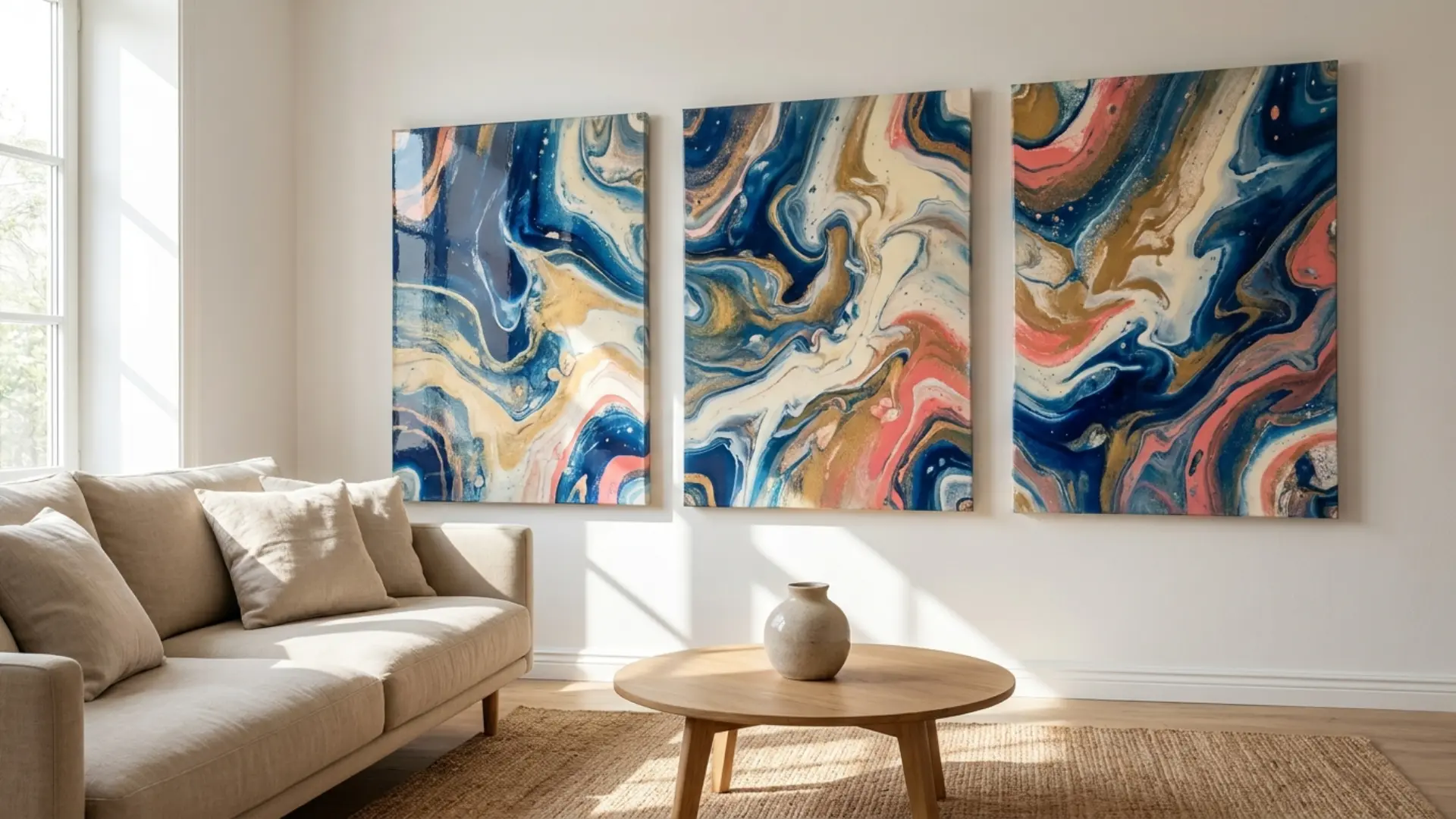
Abstract acrylic pour paintings are created by pouring mixed paint directly onto a canvas and tilting it to form flowing patterns.
The colors blend naturally, creating unique shapes each time. Once dried, the surface shows layered movement and depth.
These artworks work well in modern living rooms or creative corners where bold color accents can stand out against simple walls.
16. Stenciled Canvas Art
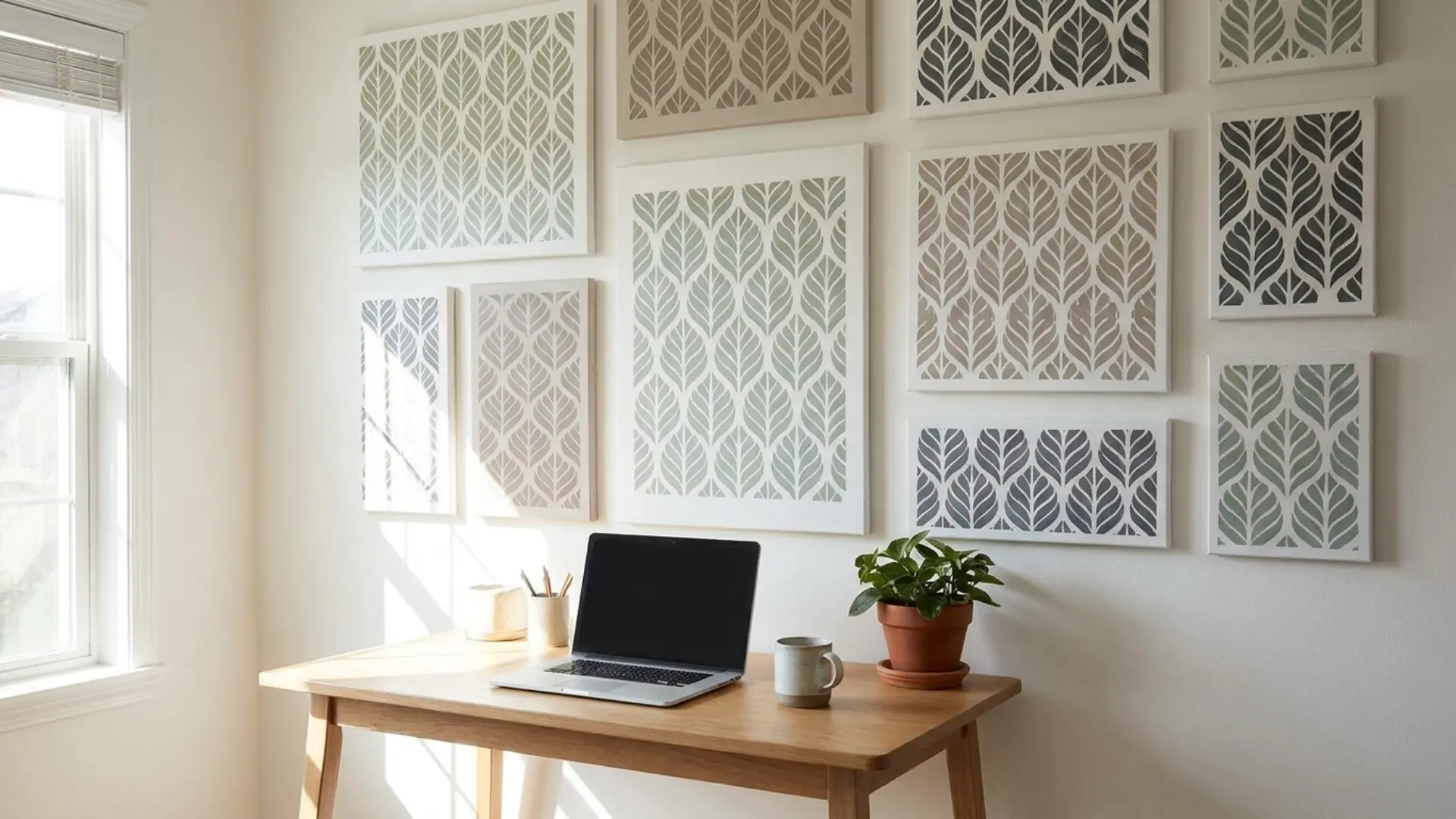
Stenciled canvas art uses cut-out shapes or patterns placed on a canvas, with paint applied over them.
Once removed, clean and sharp designs appear, such as leaves, geometric forms, or floral patterns.
This method helps achieve consistent designs without advanced painting skills. It fits well in bedrooms, hallways, or offices where structured wall decor is preferred.
17. Ombre Painted Canvas Panels

Ombre painted canvas panels feature smooth color transitions from light to dark shades across the surface.
You can blend two or more colors using soft brush strokes or sponges. The result is a calm, gradient effect that works well in minimalist interiors.
These panels are often used in sets of two or three to create balanced wall arrangements.
18. Geometric Tape Art
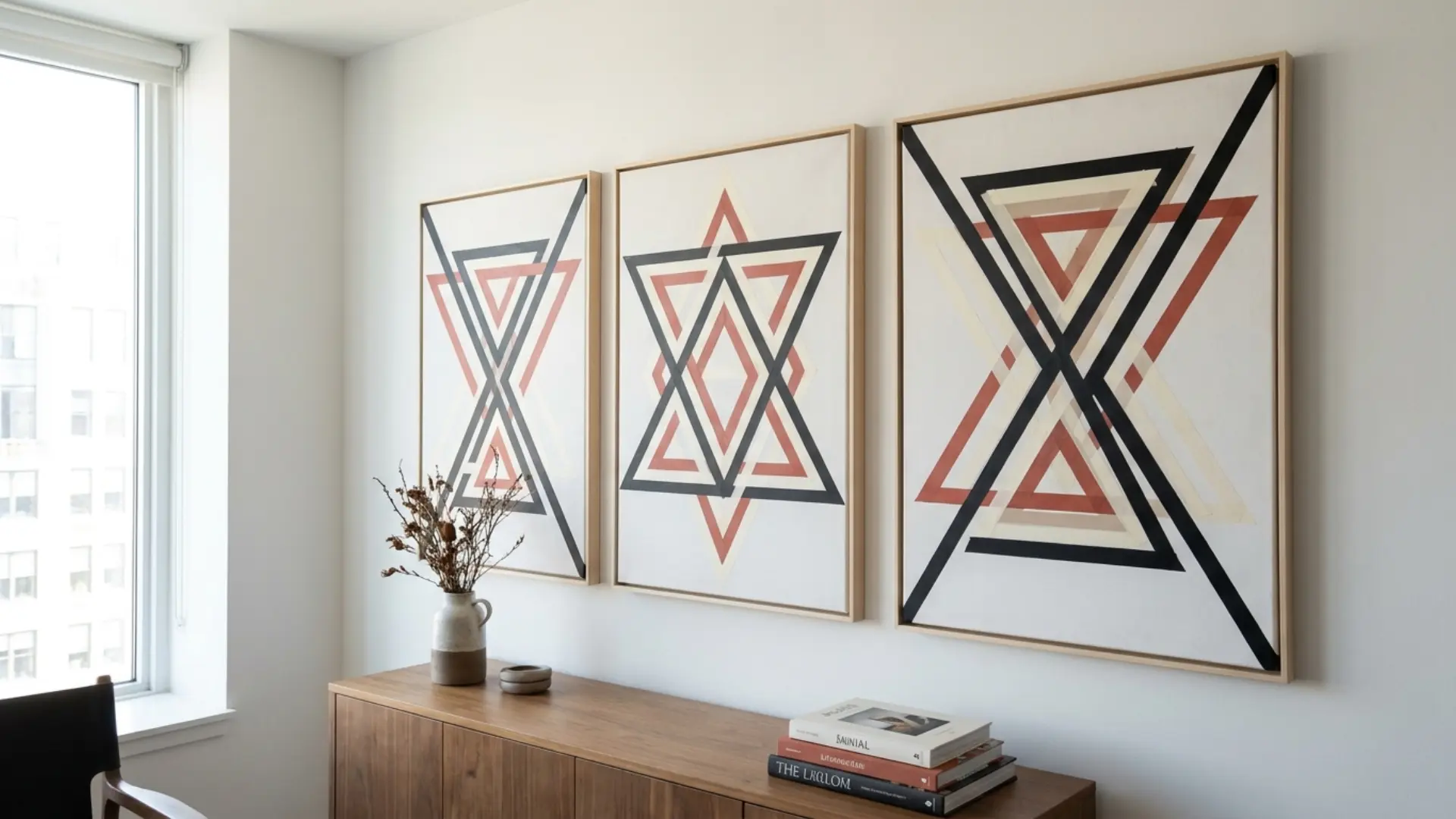
Geometric tape art is created by placing masking tape on a canvas to form sharp lines and shapes, then painting over it.
After removing the tape, clean geometric patterns are revealed. You can use contrasting or subtle colors depending on your style preference.
This approach suits modern interiors and adds a structured visual element to plain walls without complex techniques.
19. Painted Rock Displays on Canvas
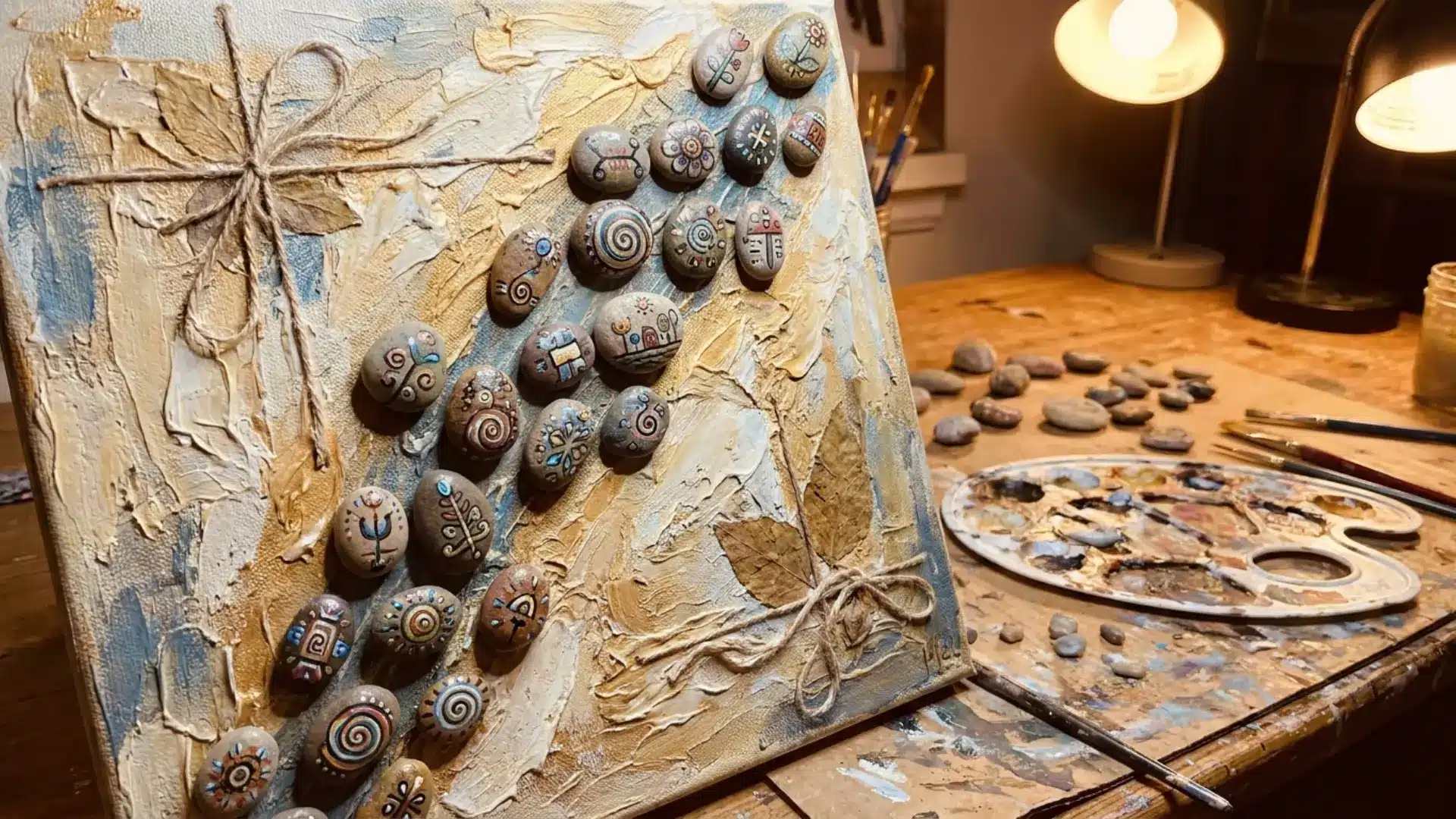
Painted rock displays on canvas combine small hand-painted stones arranged and fixed onto a painted background.
Each rock can feature simple patterns, faces, or symbols.
The canvas acts as a base for creative storytelling or themed designs. This idea adds texture and dimension to wall decor, making it suitable for playful or artistic home spaces.
20. Galaxy-Themed Spray Paint Canvas
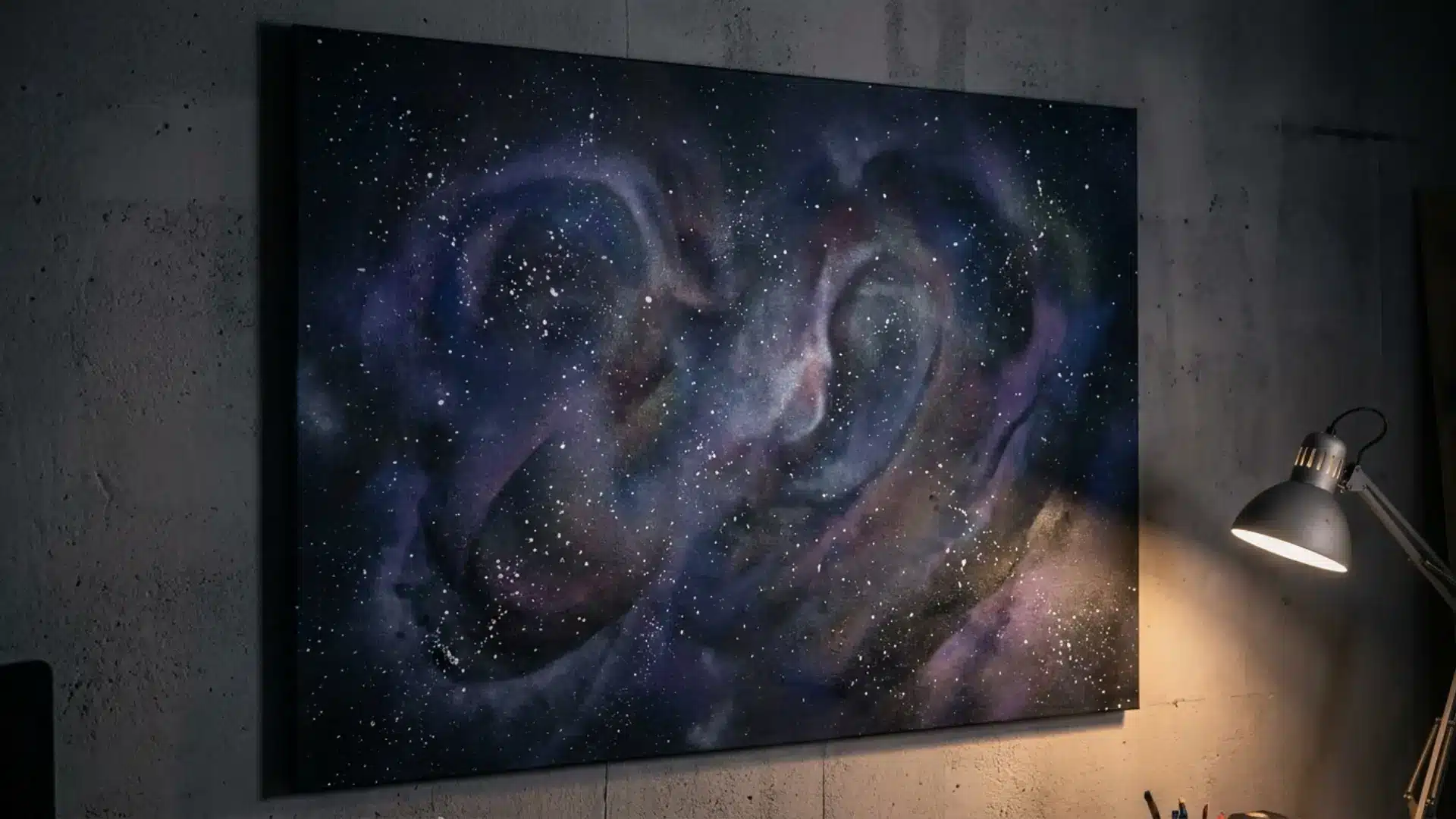
Galaxy-themed spray-paint canvas art uses dark backgrounds and layered spray-paint effects to mimic stars and cosmic clouds.
White splatter techniques create a star-like appearance, while blended colors form depth. The final piece has a bold, dramatic look.
It is often used in bedrooms or creative rooms where darker, mood-based wall decor is preferred.
21. Silhouette Canvas Art
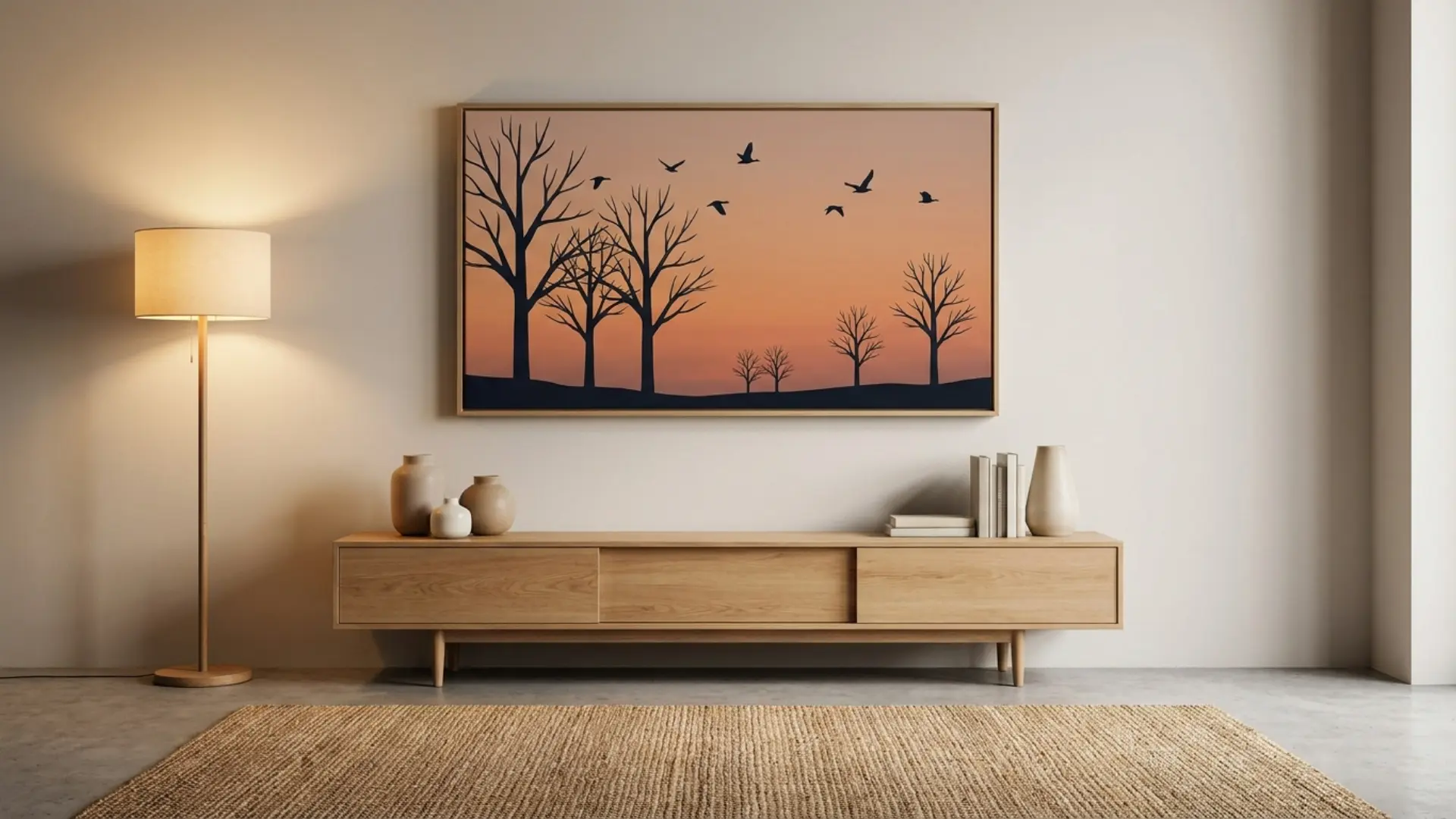
Silhouette canvas art features dark outlines of people, trees, or objects set against lighter-painted backgrounds. The contrast creates a strong visual focus.
You can trace outlines or use stencils for accuracy.
This style works well in living rooms and hallways, offering a simple yet expressive wall decor option that highlights shape and composition over detail.
Wood and Natural Material DIY Wall Art Ideas
These ideas use reclaimed pieces, branches, bark, and carved surfaces to create texture and depth. Each design blends natural tones with handmade detail, making them suitable for rustic, modern, or mixed interiors.
22. Reclaimed Wood Plank Accent Panels
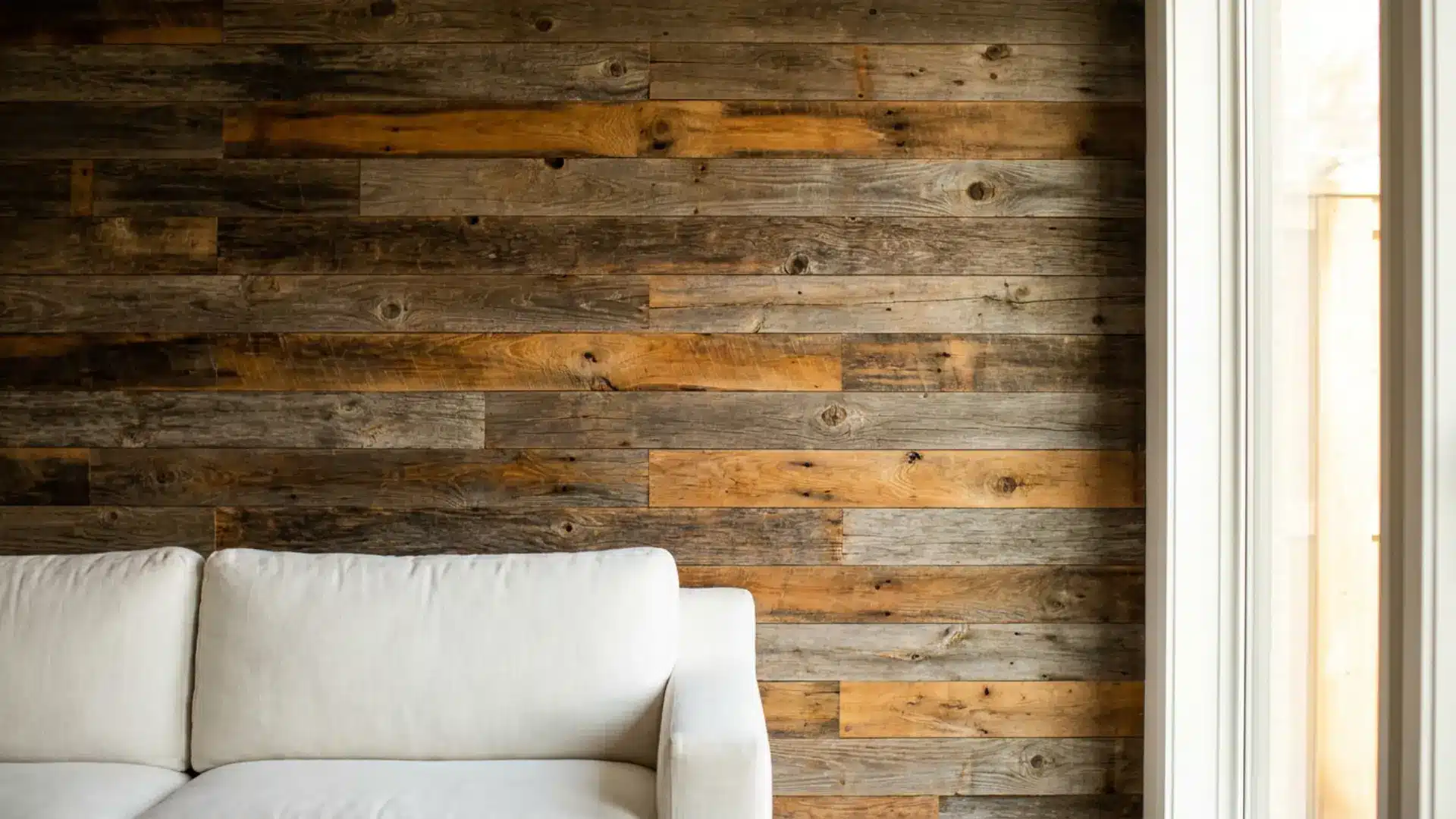
Reclaimed wood plank accent panels use reused timber pieces arranged across a wall to form a strong textured surface.
Each plank carries natural grain, marks, and color variation that adds character. The layout can be horizontal, vertical, or mixed for a more dynamic look.
Once installed, it creates a warm backdrop that works well behind sofas, beds, or dining areas with soft lighting.
23. Driftwood Sculpture Displays
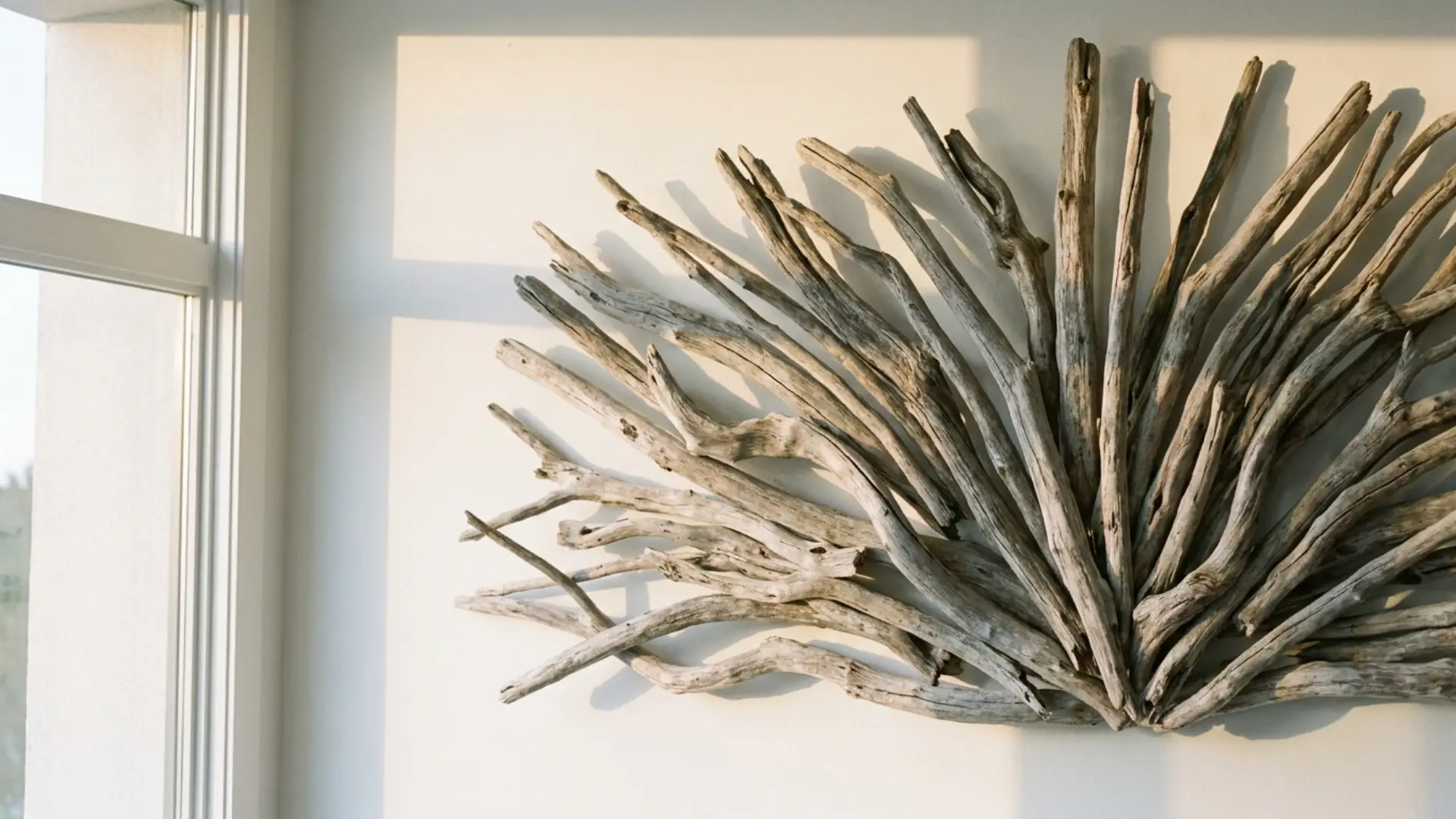
Driftwood sculpture displays the use of naturally shaped wood pieces collected from beaches or riverbanks.
These pieces can be arranged into abstract forms or mounted as single statement pieces on a wall. The smooth, weathered surface adds organic texture and soft tones.
This type of wall decor works well in calm interiors, especially when paired with neutral colors and natural light to highlight shape and form.
24. Burned Wood (Pyrography) Signs
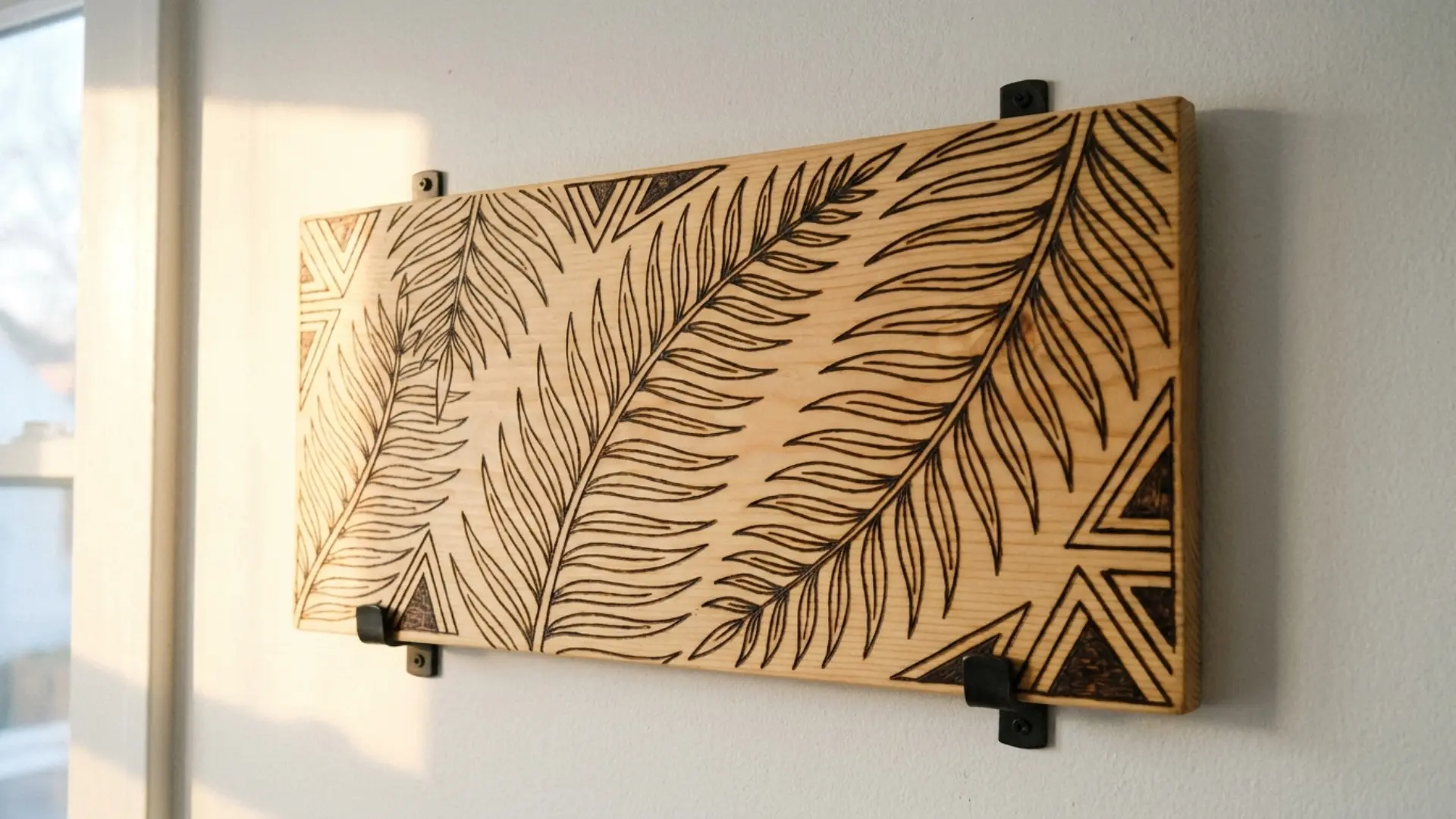
Burned wood pyrography signs are created by engraving designs, patterns, or lettering onto wooden boards using heat tools.
The burned lines create a dark contrast against the natural wood grain. Designs can include quotes, symbols, or simple illustrations.
Once finished, they can be hung individually or grouped together. This style suits rustic or handmade-inspired interiors and adds a strong handcrafted visual element to walls.
25. Wooden Initial or Monogram Letters
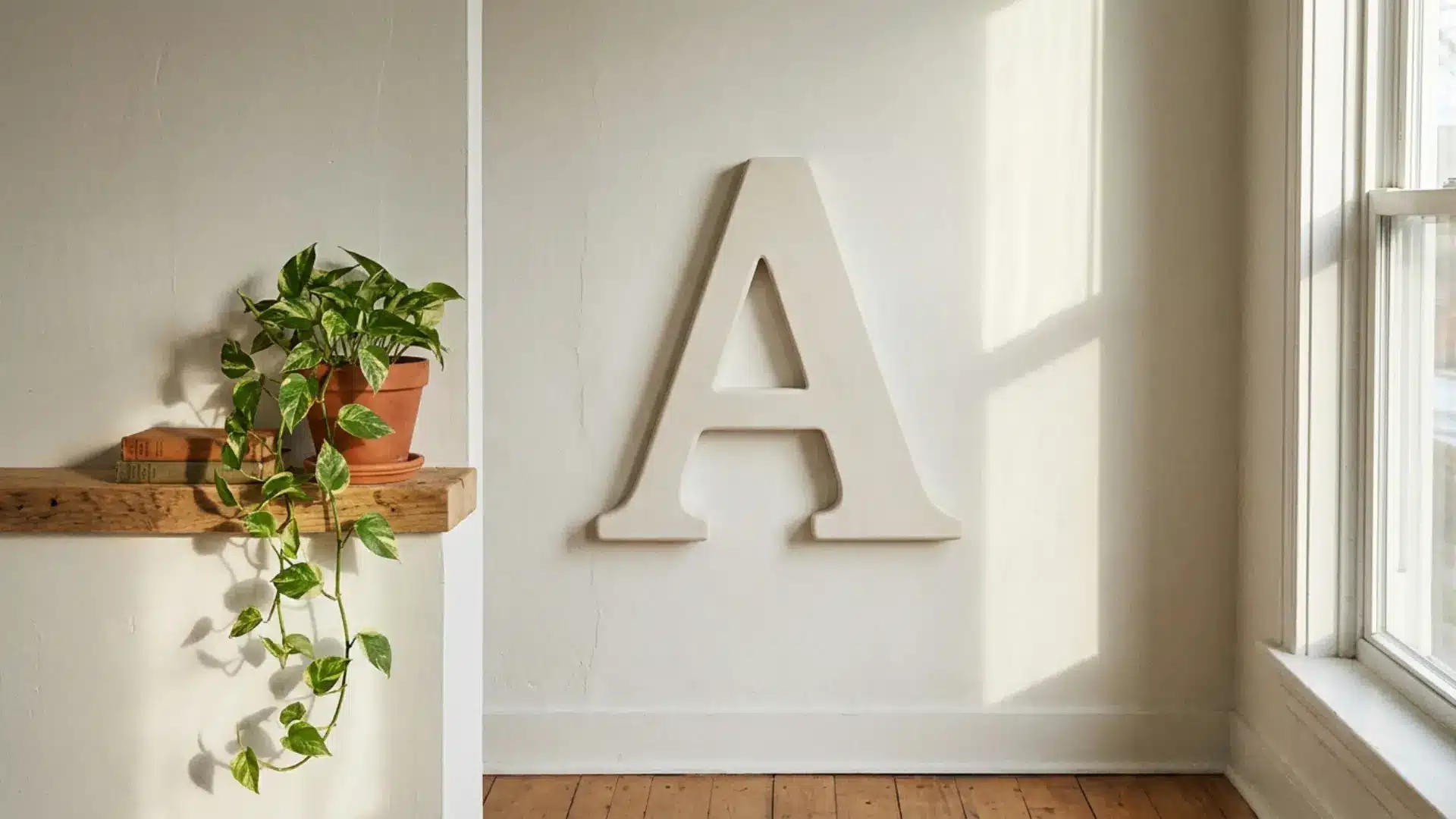
Wooden initial or monogram letters are large cut-out shapes made from natural or painted wood.
They can represent names, initials, or short words and are often used as focal points on feature walls. The surface can be left raw for a natural look or painted to match room decor.
This simple design works well in bedrooms, entryways, or shared family spaces.
26. Twig and Branch Wall Arrangements
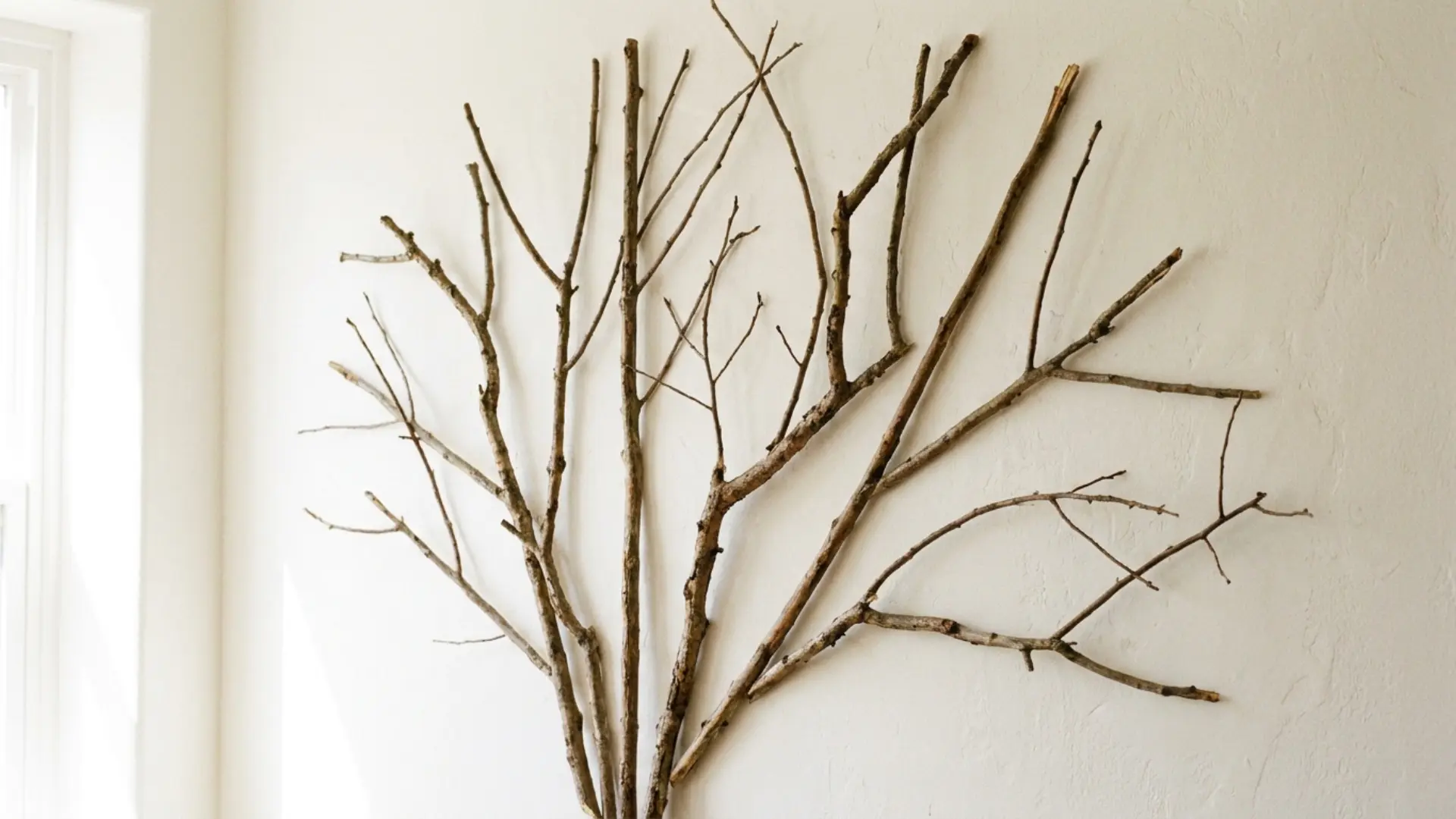
Twig and branch wall arrangements use thin natural sticks arranged into patterns or abstract shapes and mounted directly onto a wall.
The irregular lines create a natural, organic design that feels light and minimal. Branches can be left in raw form or lightly treated for consistency.
This idea works well in modern or earthy interiors where natural materials are used as soft decorative accents.
27. Corkboard Pinboard Gallery Walls

Corkboard, pinboard, and gallery walls use multiple cork panels arranged together to create a functional display area. Photos, notes, sketches, and small prints can be easily pinned and rearranged.
The natural cork texture adds warmth to the wall while keeping the design practical.
This setup is often used in home offices, study areas, or creative rooms where organization and decor work together.
28. Wooden Slice Photo Displays
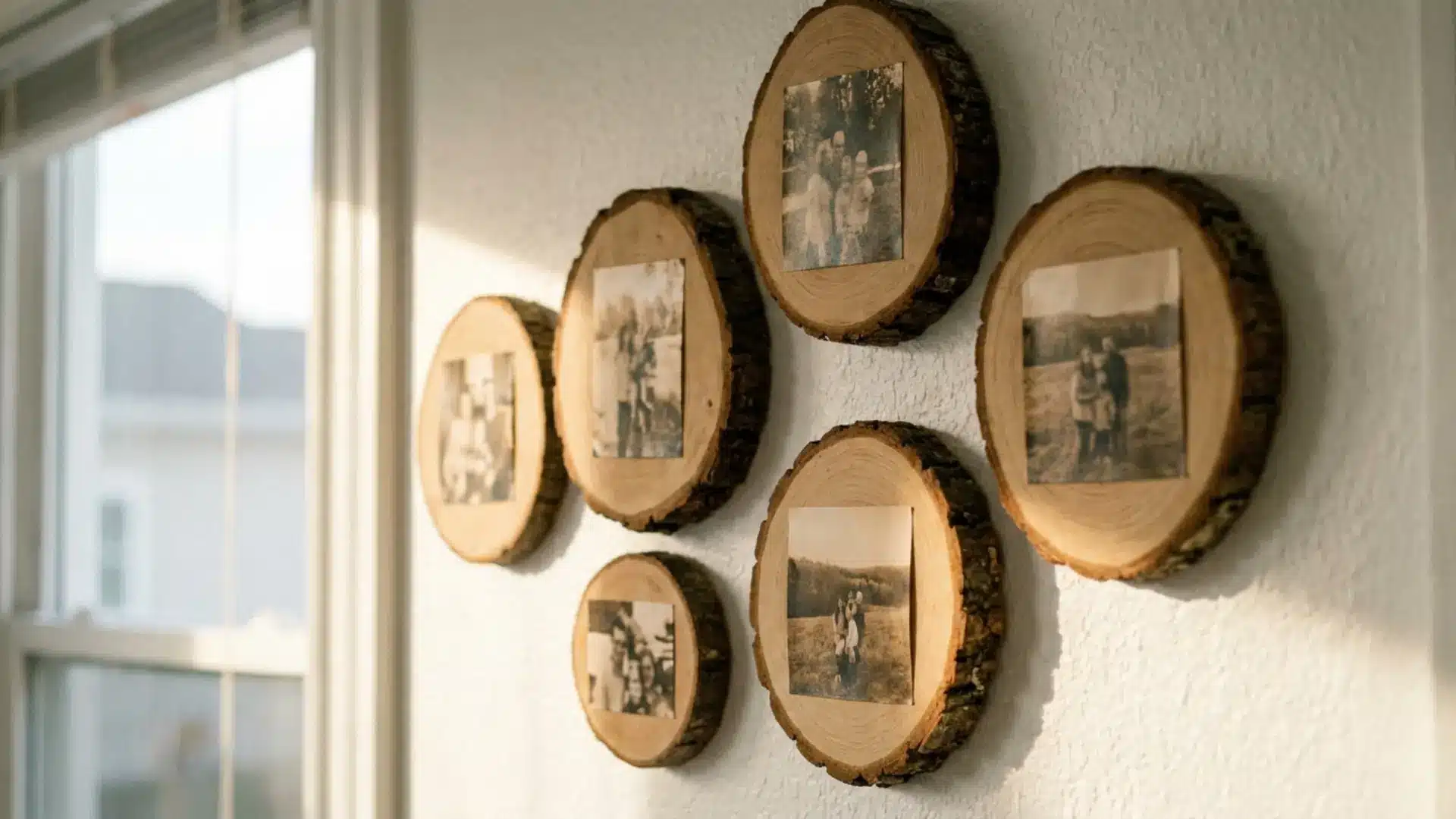
Wooden slice photo displays use round slices of natural wood as photo mounts. Printed images are attached to each slice, showing visible bark edges and grain texture.
They can be hung with string or hooks, or arranged in clusters on a wall.
The mix of wood texture and personal photos creates a warm, handmade display suitable for bedrooms, hallways, or memory-focused wall spaces.
Photo and Memory-Based DIY Wall Decor Ideas
These setups often feel casual and naturally imperfect, which makes them more personal and visually engaging.
29. String Lights Photo Display

String lights photo displays combine warm lighting with printed photos clipped onto strings or wires.
Small wooden pegs or clips hold images in place, creating a soft, glowing wall feature. The lights add warmth in the evenings, while the photos personalize the space.
Slight uneven spacing and relaxed arrangement make it feel more natural. This idea works well in bedrooms or cozy corners where a personal touch is preferred.
30. Polaroid Grid Gallery Wall

A Polaroid grid gallery wall arranges instant-style photos in rows or clusters directly on the wall using tape, pins, or adhesive.
The layout does not need to be perfectly aligned, which adds a casual feel. Photos can overlap slightly or vary in spacing.
This setup creates a visual story of memories and works well in bedrooms or study spaces where personal moments are displayed in a simple, flexible way.
31. DIY Floating Shelves Photo Ledge

DIY floating shelves photo ledges use narrow wall-mounted shelves to display framed photos, postcards, and small keepsakes. Items are layered casually rather than placed in strict order.
Frames may lean or overlap slightly, creating a sense of depth.
This method allows easy updates by swapping pieces at any time. It works well in living rooms or hallways where a flexible memory display can evolve over time without major changes.
32. Clipboard Photo Clusters
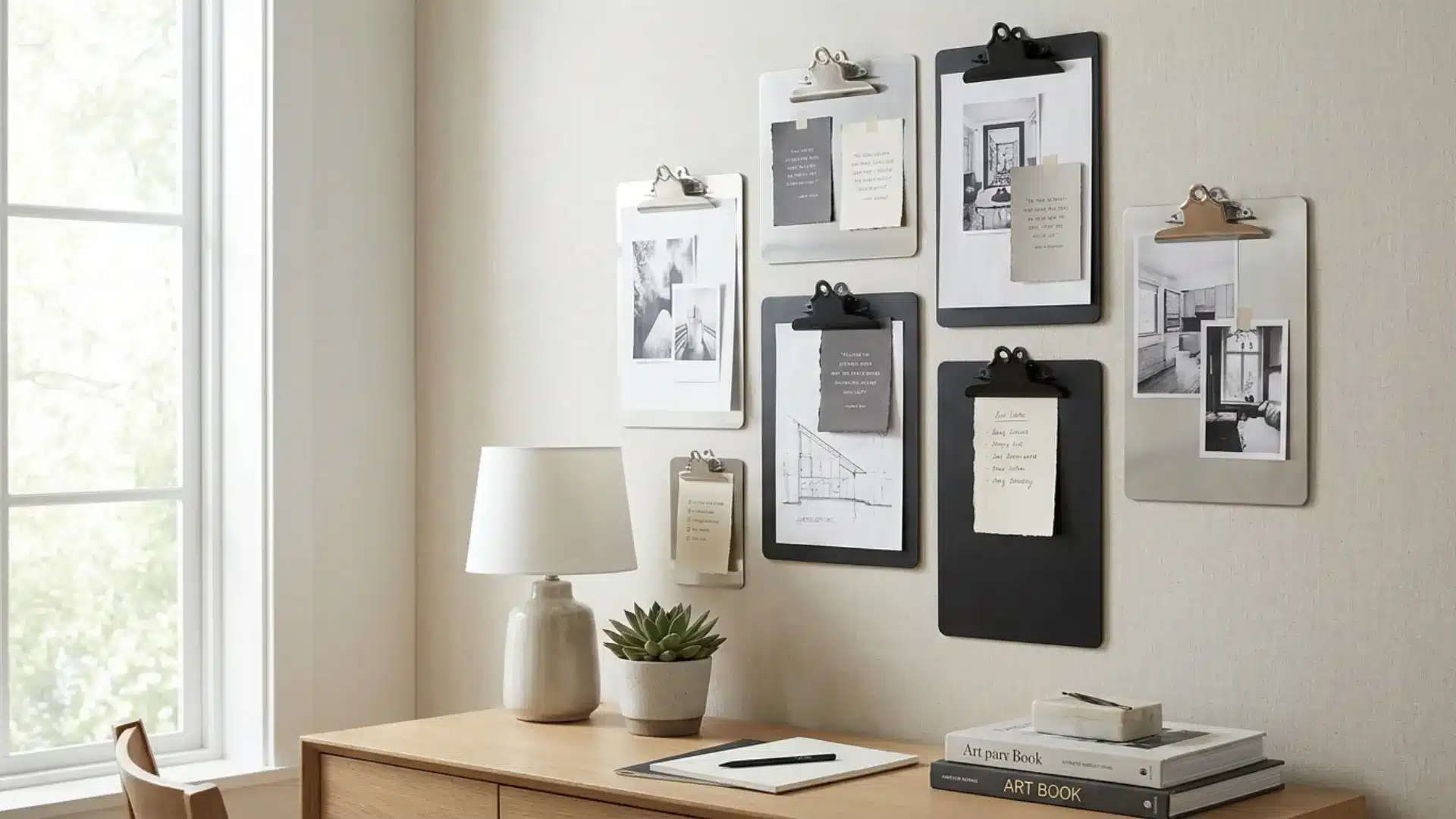
Clipboard photo clusters use mounted clipboards to hold printed photos, notes, or sketches on a wall.
Each board can be positioned at different heights for a relaxed layout. Items can be changed easily by opening the clips.
This setup works well in workspaces or creative rooms where frequent updates are needed. The mix of metal clips and paper adds a simple, functional style.
33. Shadow Box Memory Displays

Shadow box memory displays use deep frames to hold keepsakes such as tickets, dried flowers, fabric pieces, and photos. Items are arranged inside in layered compositions, creating depth and storytelling.
The glass front protects the contents while allowing visibility.
These displays work well in bedrooms or hallways where personal memories can be preserved in a structured yet creative visual form.
34. Washi Tape Photo Borders
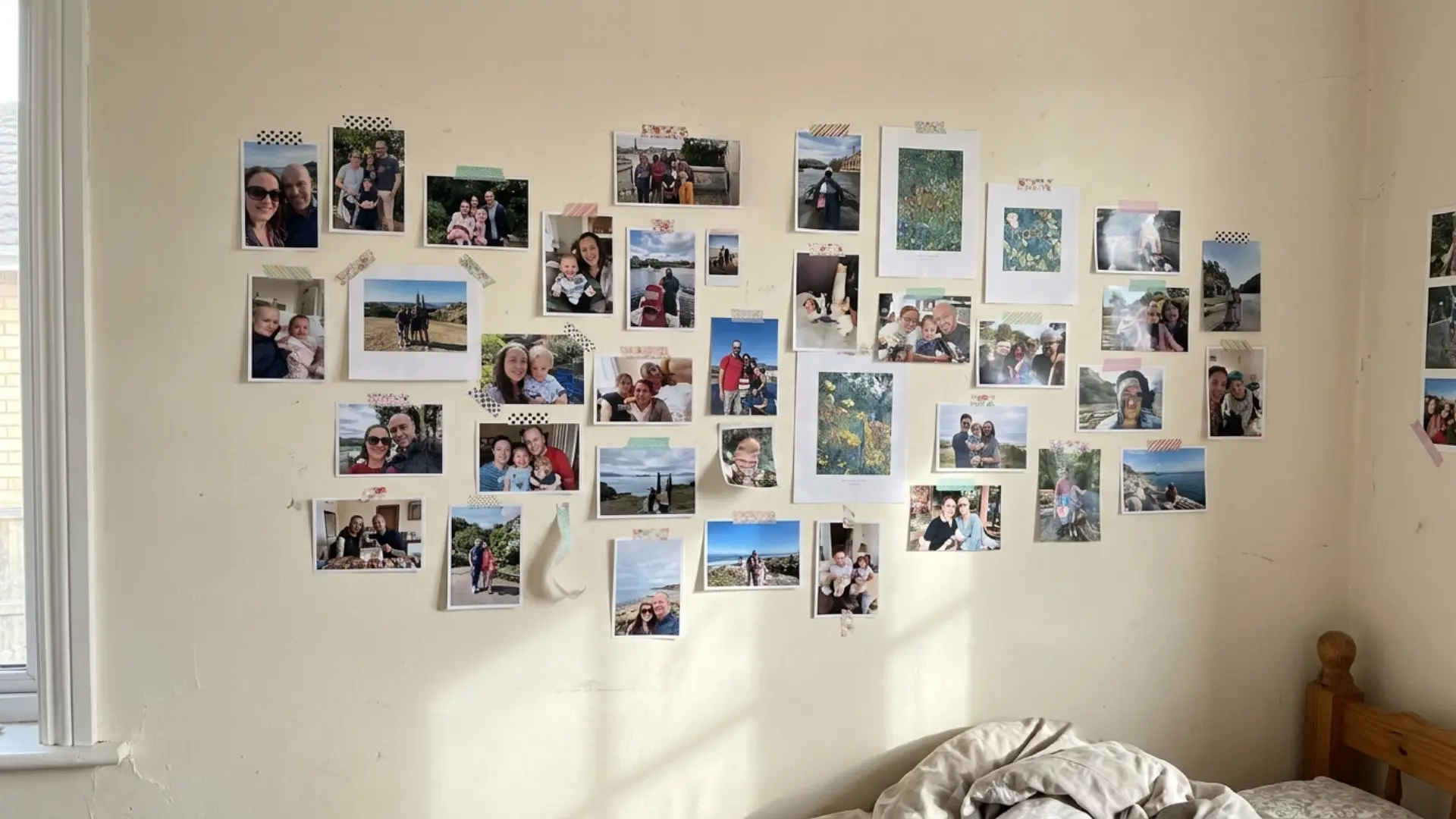
Washi tape photo borders attach printed photos directly onto walls using decorative tape.
The tape frames each image and can be changed easily without damaging surfaces. Arrangements can be neat or slightly uneven, depending on style preference.
Some edges may lift slightly over time, adding a casual look. This idea works well in bedrooms or study areas where flexible, low-cost wall decoration is needed.
35. Map and Travel Memory Collage

Map and travel memory collages combine printed maps with pinned photos, notes, and small keepsakes from different places. Items are arranged around travel routes or personal memories.
Pushpins and tape hold everything in place, often with slight irregular spacing.
This setup creates a storytelling wall that reflects personal experiences and works well in study rooms or hallways where meaningful visual memory displays are preferred.
Mirror and Metallic DIY Wall Art
These ideas use mirrors, metal sheets, and reflective materials to create contrast against matte walls. They work well in entryways, dining rooms, and living areas where brightness and visual depth are needed.
36. Mosaic Mirror Frames
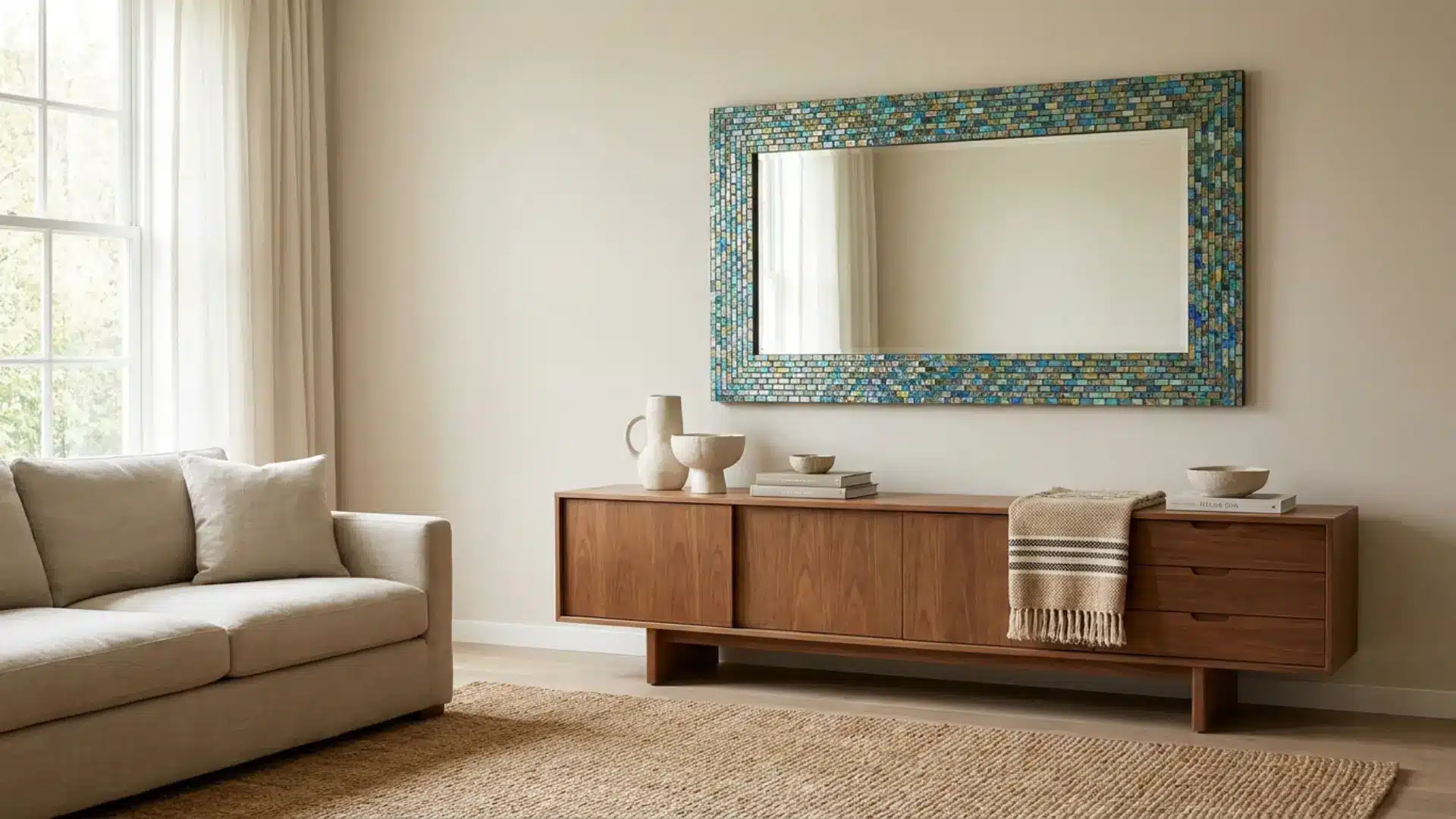
Mosaic mirror frames use small broken glass pieces, tiles, or mirror fragments arranged around a central mirror. The edges are uneven, creating a handmade look rather than a polished finish.
Light reflects differently off each piece, adding depth and sparkle.
Slight gaps or irregular spacing make the design feel more natural. This style works well in entryways or living rooms where reflective decor improves light.
37. Sunburst Mirror Made from Sticks or Dowels
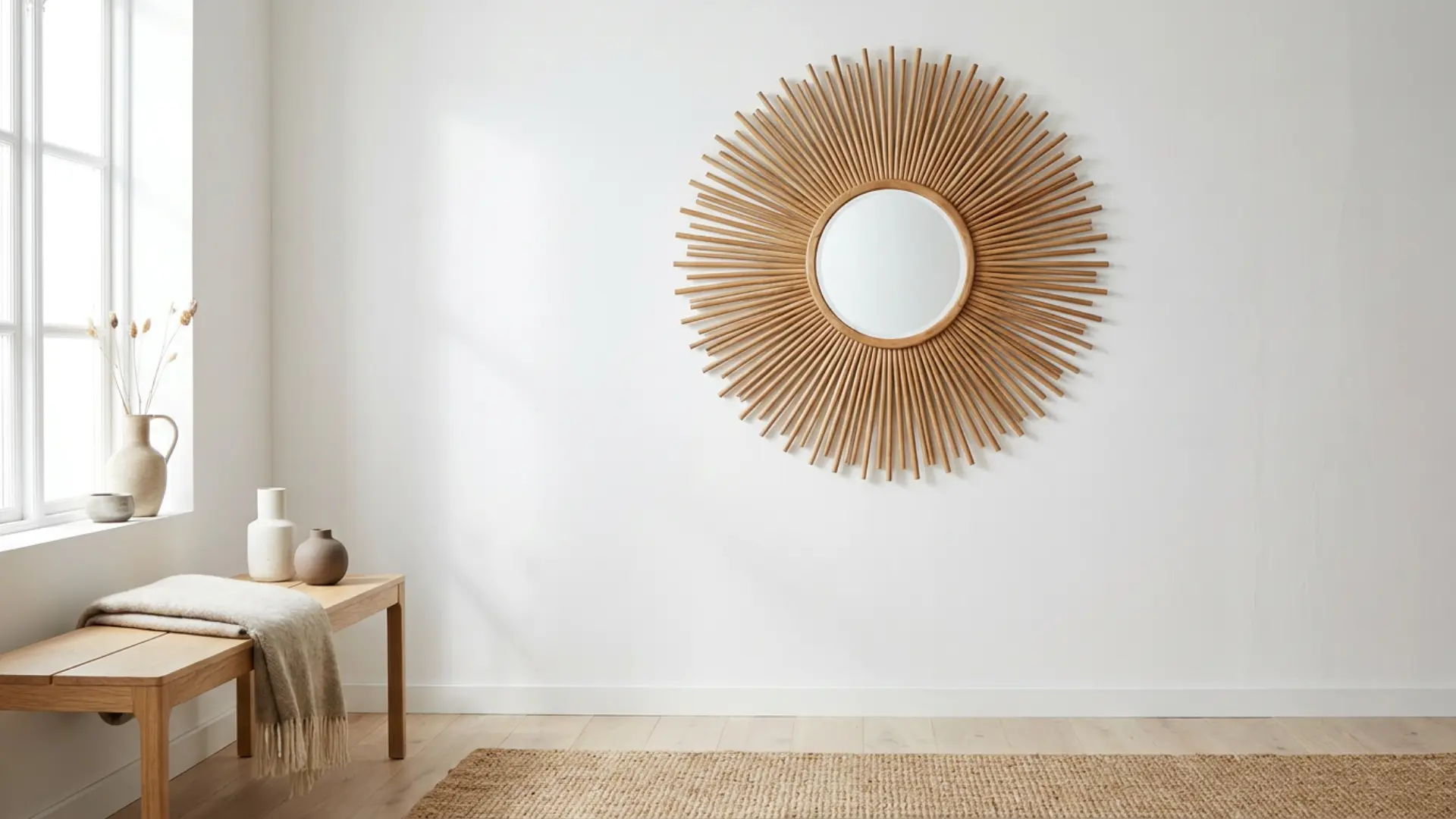
Sunburst mirrors are created by arranging wooden sticks or dowels around a central mirror, like rays.
Each stick may vary slightly in length or spacing, giving a handmade feel.
The natural wood texture contrasts with the reflective center. Shadows from the sticks fall unevenly on the wall, adding depth. This design works well as a focal point above sofas or beds in simple interiors.
38. Metallic Leaf Wall Panels
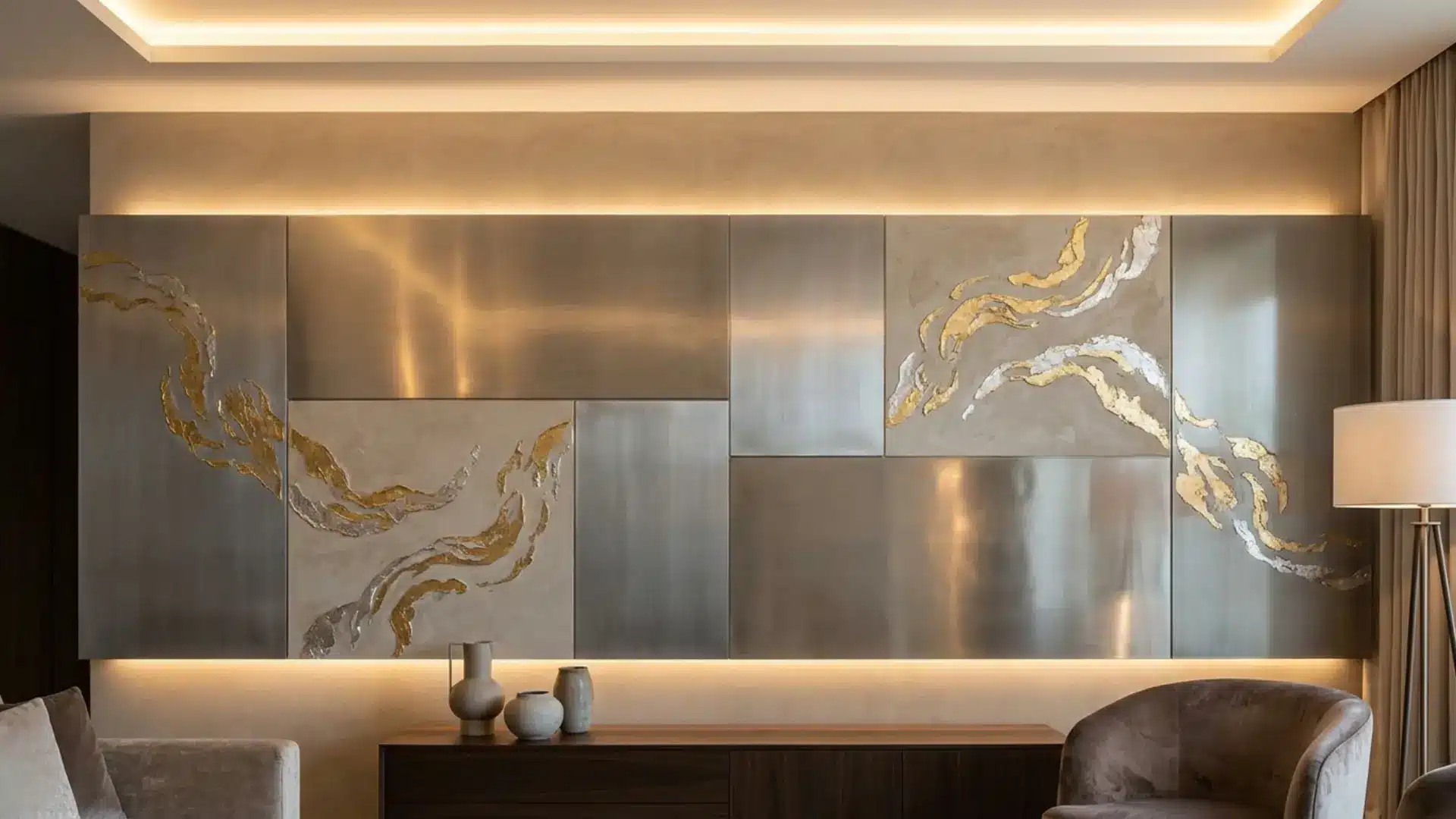
Metallic leaf wall panels use thin sheets of gold, silver, or copper foil applied to textured surfaces. The foil is often uneven, with visible brushstrokes or slightly peeling edges.
Light reflects softly depending on the angle, creating a subtle shine rather than a polished finish. These panels work well in modern interiors, where reflective accents highlight walls without overwhelming the space.
39. Painted Tin Can Wall Vases

Painted tin can wall vases repurpose used cans by mounting them on walls as small holders for plants or dried flowers. The paint may appear uneven, with visible brush marks or slight chipping.
Some rust or dents may remain visible, adding character. These pieces work well in kitchens, on balconies, or in creative spaces where functional decor blends with handmade, recycled materials for a casual look.
40. Hammered Copper Sheet Art

Hammered copper sheet art features metal sheets with visible dents and hand-hammered textures, mounted on walls or framed as panels.
The surface reflects light unevenly, creating soft highlights and shadows. Natural color variations appear across the metal due to oxidation.
Edges may not be perfectly straight, improving the handmade feel. This style suits interiors that use warm tones and metallic accents for depth.
41. CD or Foil Mosaic Panels
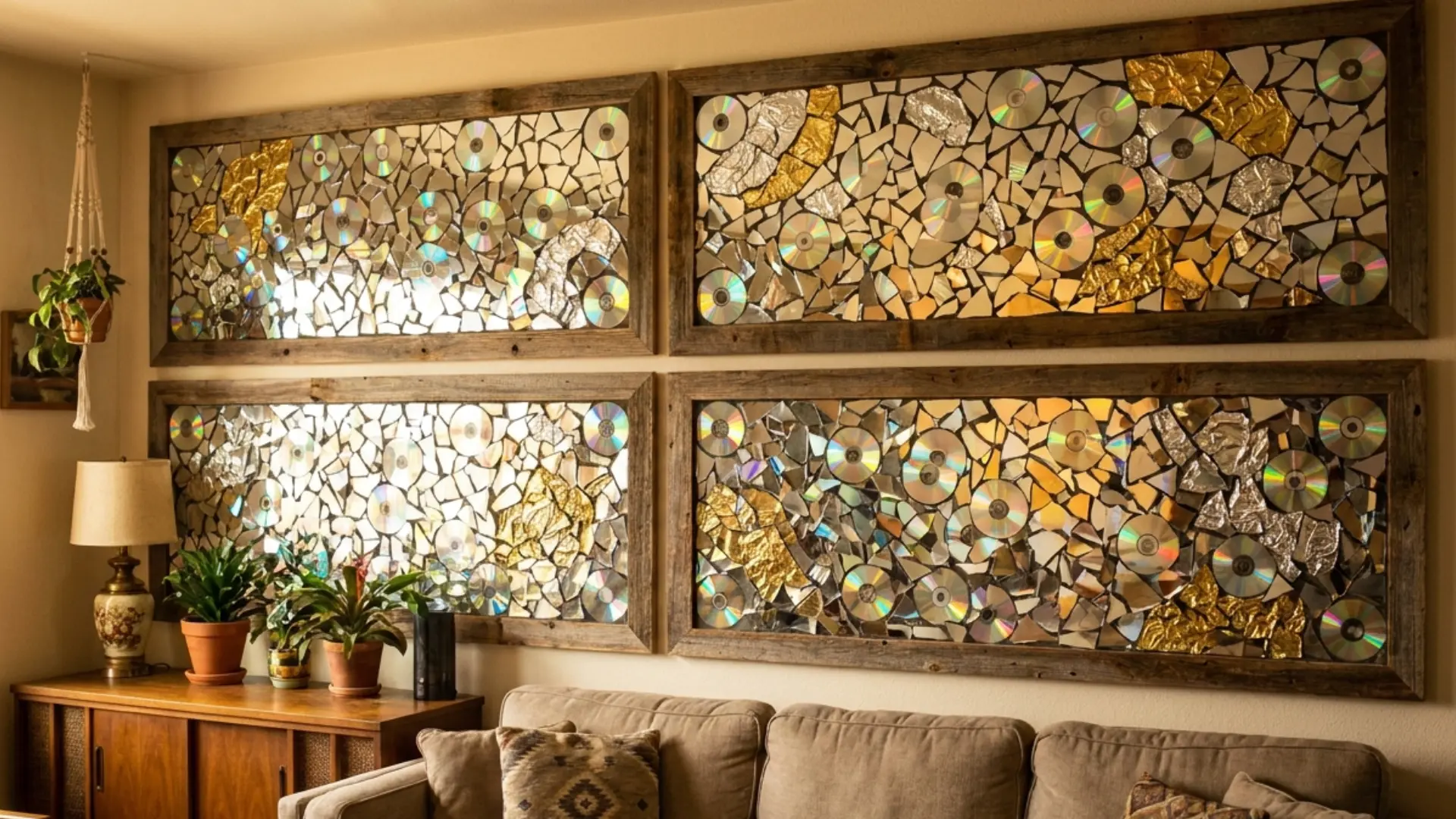
CD or foil mosaic panels are made by breaking reflective materials, such as CDs or foil sheets, into pieces and arranging them on a base surface.
The reflections scatter light across the wall in uneven patterns. Small glue marks or scratches may remain visible, adding a raw DIY feel.
This design works well in creative spaces where bold reflective textures are used for visual impact.
42. Mirror Tile Grid Displays
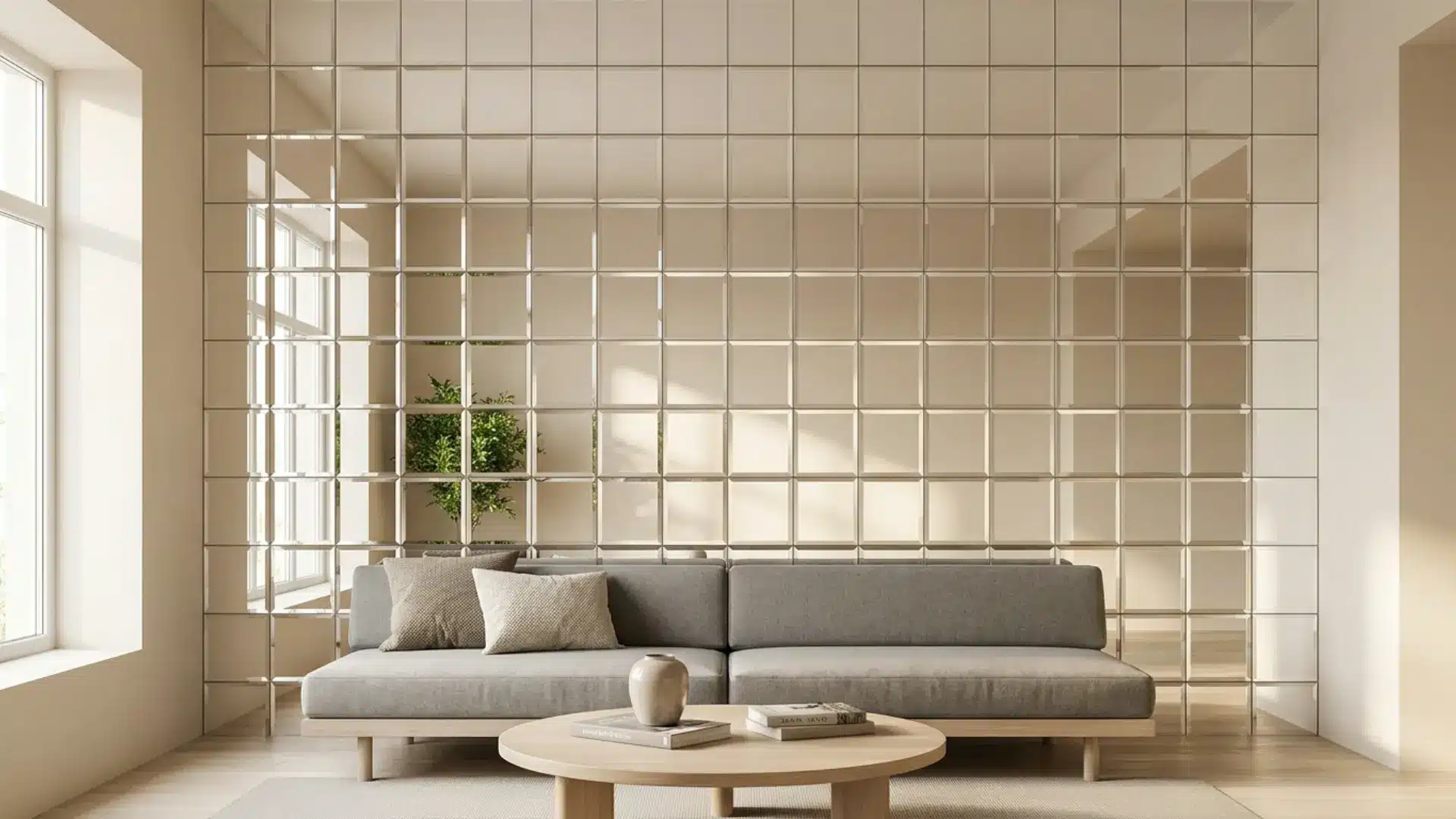
Mirror tile grid displays use small square mirrors arranged in rows or clusters on a wall. Slight misalignment or spacing differences create a handmade appearance.
Reflections from each tile show different parts of the room, adding movement and variation in light. Minor adhesive marks or imperfections may be visible.
This style works well in compact spaces, where mirrors enhance brightness and depth.
Greenery and Nature-Inspired DIY Wall Decor Ideas
These ideas help soften plain walls and add fresh visual interest without heavy decoration. They suit living rooms, bedrooms, kitchens, and workspaces.
43. Living Moss Wall Panels

Living moss wall panels are created by arranging preserved or living moss within framed sections on the wall.
The moss forms a soft, textured green surface that brings a natural feel indoors. It requires little maintenance and stays visually fresh for long periods.
Panels can be placed individually or grouped together to cover larger areas, making them ideal for modern interiors that need a calm, organic focal point.
44. Air Plant Wall Pocket Displays
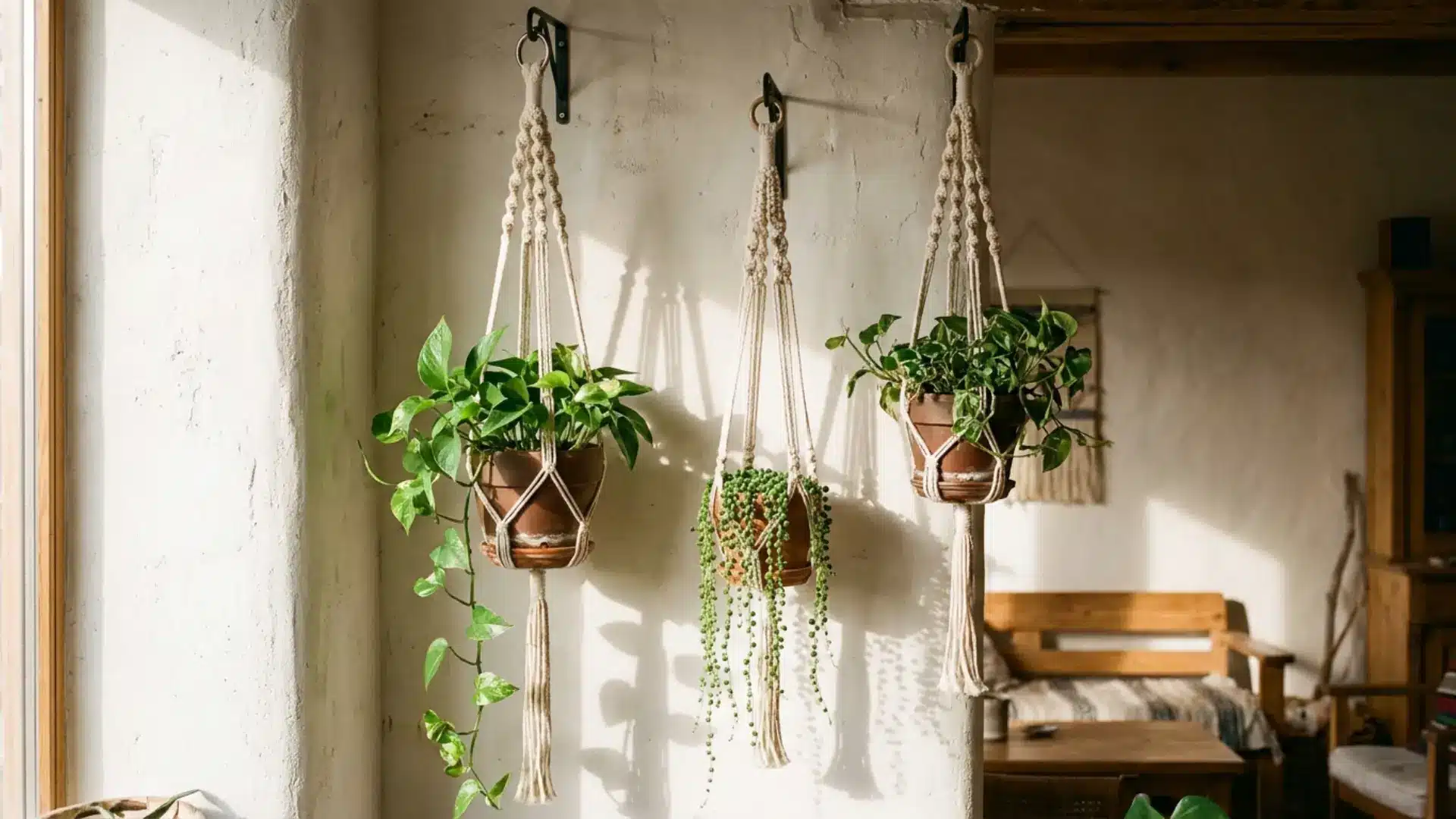
Air plant wall pocket displays use small mounted holders that hold soil-free plants attached directly to the wall. These plants require minimal care, usually only occasional misting.
The holders can be made from ceramic, wood, or metal and arranged in simple or scattered layouts.
This design creates a floating greenery effect that works well in compact rooms or spaces that need light and natural accents.
45. Pressed Flower Framed Art
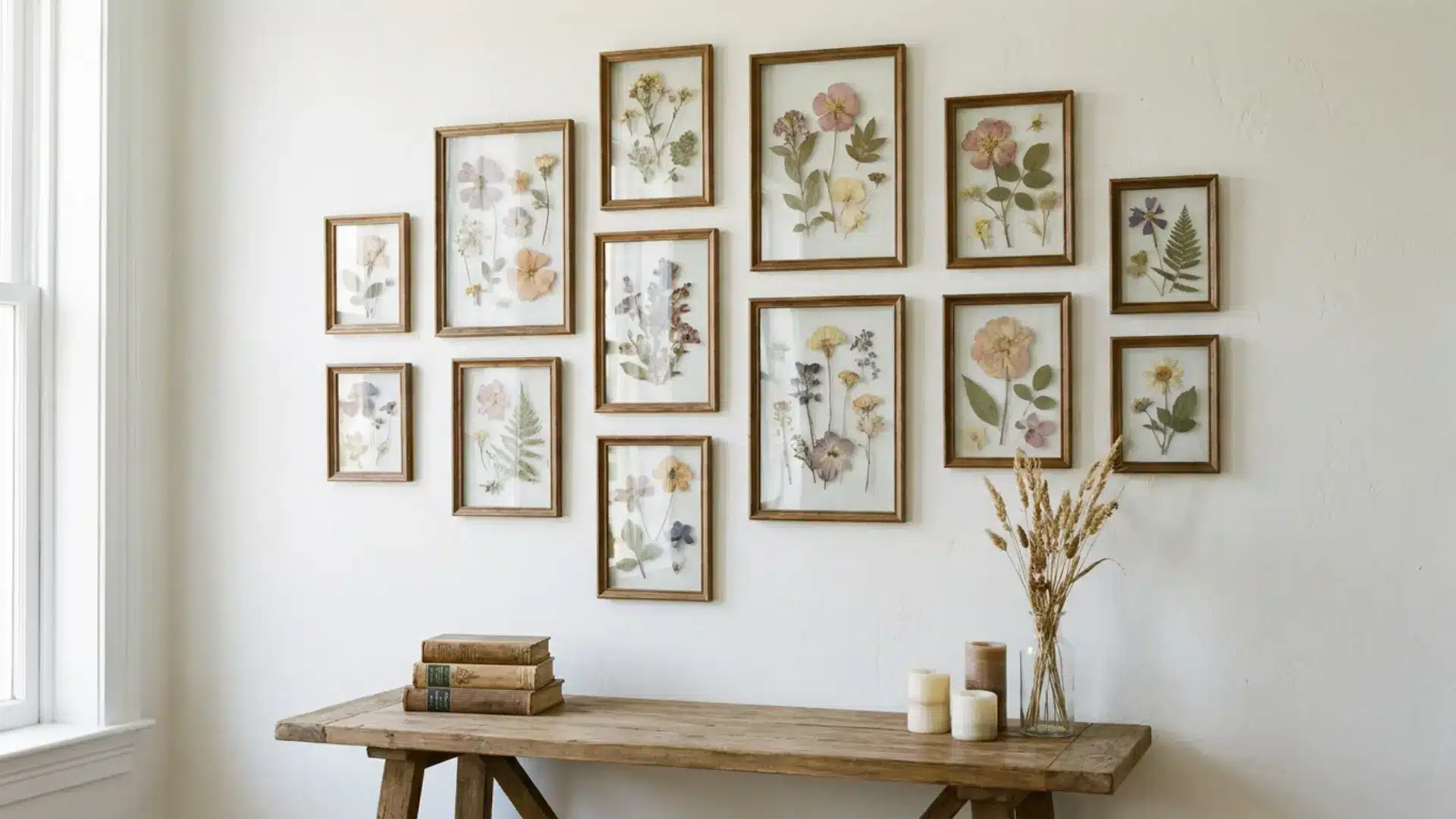
Pressed-flower framed art is made by drying flowers and leaves and carefully arranging them inside glass frames.
Each piece preserves natural shapes, veins, and soft color tones that slowly fade over time. Frames can be displayed individually or grouped into sets for a gallery effect.
This wall decor style adds a gentle, handmade touch and works well in bedrooms, reading spaces, or hallways with soft, natural lighting.
46. Hanging Planter Wall Arrangements

Hanging planter wall arrangements feature wall-mounted pots or holders suspended using ropes, hooks, or brackets. Plants grow downward or outward, creating movement and a layered green effect on the wall.
Different plant types can be combined for visual variety.
This setup brings a fresh indoor-garden feel and works best near windows or in bright spaces where plants can receive enough indirect natural light.
47. Leaf Print Canvas Art

Leaf print canvas art uses real leaves dipped in paint and pressed onto canvas to create natural patterns. Each print shows unique shapes, veins, and textures depending on the leaf used.
The process is simple but produces visually rich results with organic detail.
Finished canvases can be displayed alone or in groups, adding a nature-inspired artistic element that feels calm and handmade without requiring painting skills.
48. Dried Botanicals in Clip Frames

Dried botanicals in clip frames use preserved flowers, grasses, or leaves held in simple frames using metal clips. The drying process gives soft, muted colors and thin textures that feel light and natural.
Arrangements can be easily changed based on the season or preference.
This style creates a minimal, airy wall display that works well in neutral interiors where subtle natural accents are preferred.
49. Succulent Wall Garden Frames

Succulent wall garden frames are shallow frames filled with soil and arranged with small succulent plants.
These plants grow slowly and require very little water, making them easy to maintain indoors.
Their shapes and colors vary, creating natural visual interest across the frame. When placed on walls with good indirect light, they form a living decor piece that brings freshness and structure to indoor spaces.
Functional DIY Wall Decor Ideas
Functional wall decor combines storage and design in one setup. These ideas help organize daily items while still improving the look of a room. They often use simple materials like wood, boards, hooks, and paint.
50. Pegboard Organizer with Decorative Accessories

Pegboard organizer wall setups use perforated boards mounted on walls with hooks, shelves, and small containers attached. Items like tools, stationery, or decor pieces can be rearranged easily.
The layout can look slightly uneven depending on usage, which adds a lived-in feel.
This idea works well in workspaces, craft rooms, or kitchens where flexible storage and visual order are needed at the same time.
51. Chalkboard Paint Wall Panels

Chalkboard paint wall panels turn sections of a wall into writable surfaces for notes, reminders, or drawings.
The finish is matte and slightly uneven in texture, showing natural brush strokes. Over time, faint chalk marks may remain, adding character.
This setup is useful in kitchens, study areas, or family spaces where messages and lists can be updated regularly in a simple and practical way.
52. Magnetic Board with Framed Border
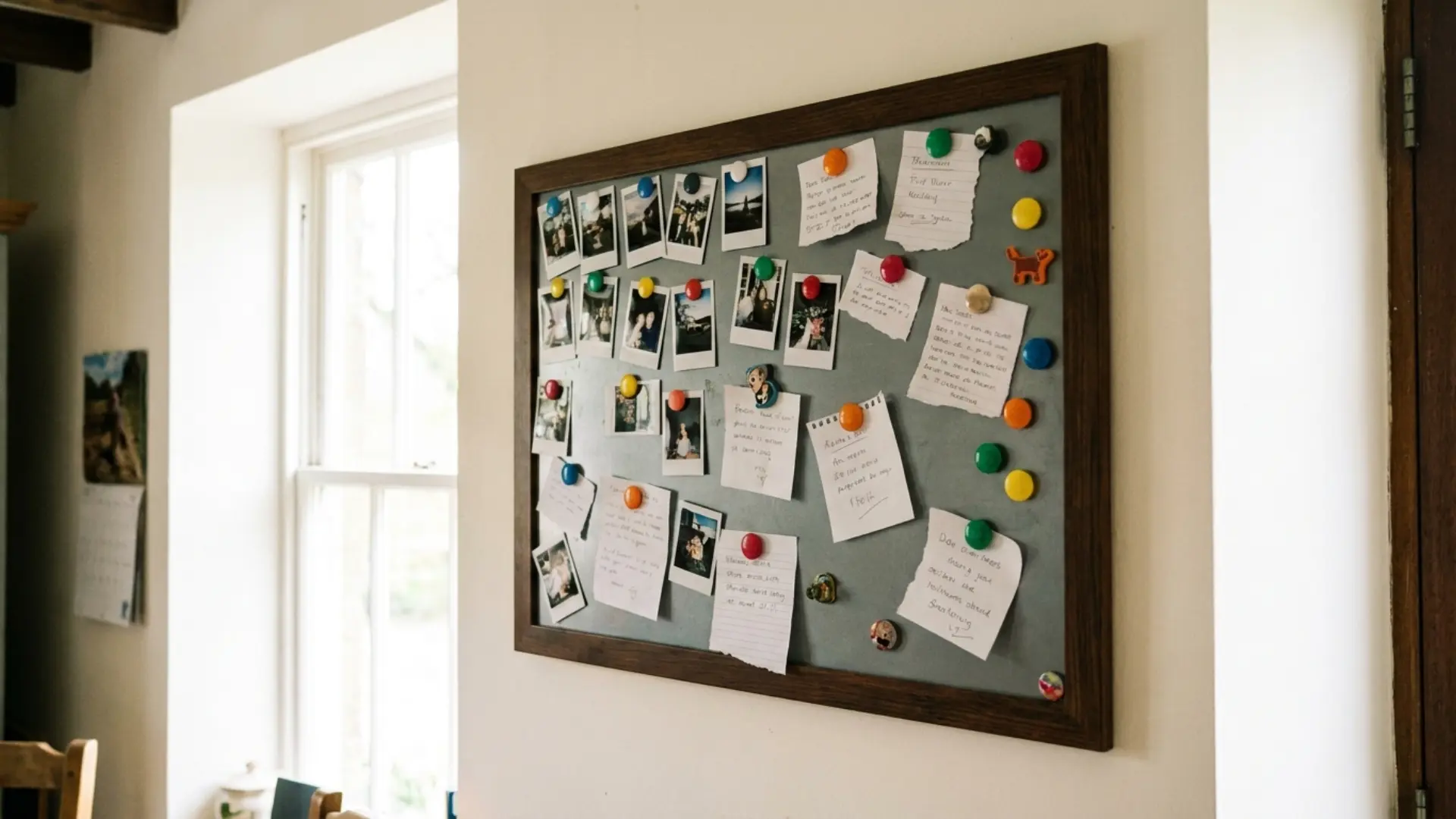
Magnetic board wall decor uses a metal sheet or magnetic surface framed with wood or simple molding.
Notes, photos, and small items can be attached using magnets. The surface may show slight smudges or scratches from use.
The frame does not need to be perfectly polished, which adds a handmade touch. This idea works well in offices or kitchens for everyday organization.
53. DIY Coat Hook Display Boards

DIY coat hook display boards combine wooden boards with mounted hooks for hanging coats, bags, or accessories. The wood surface may show grain, knots, or minor imperfections.
Hooks can be spaced unevenly depending on design preference.
Over time, slight wear marks appear around hook areas. This setup is ideal for entryways where storage is needed but still contributes to the overall wall design.
54. Floating Bookshelf Wall Art
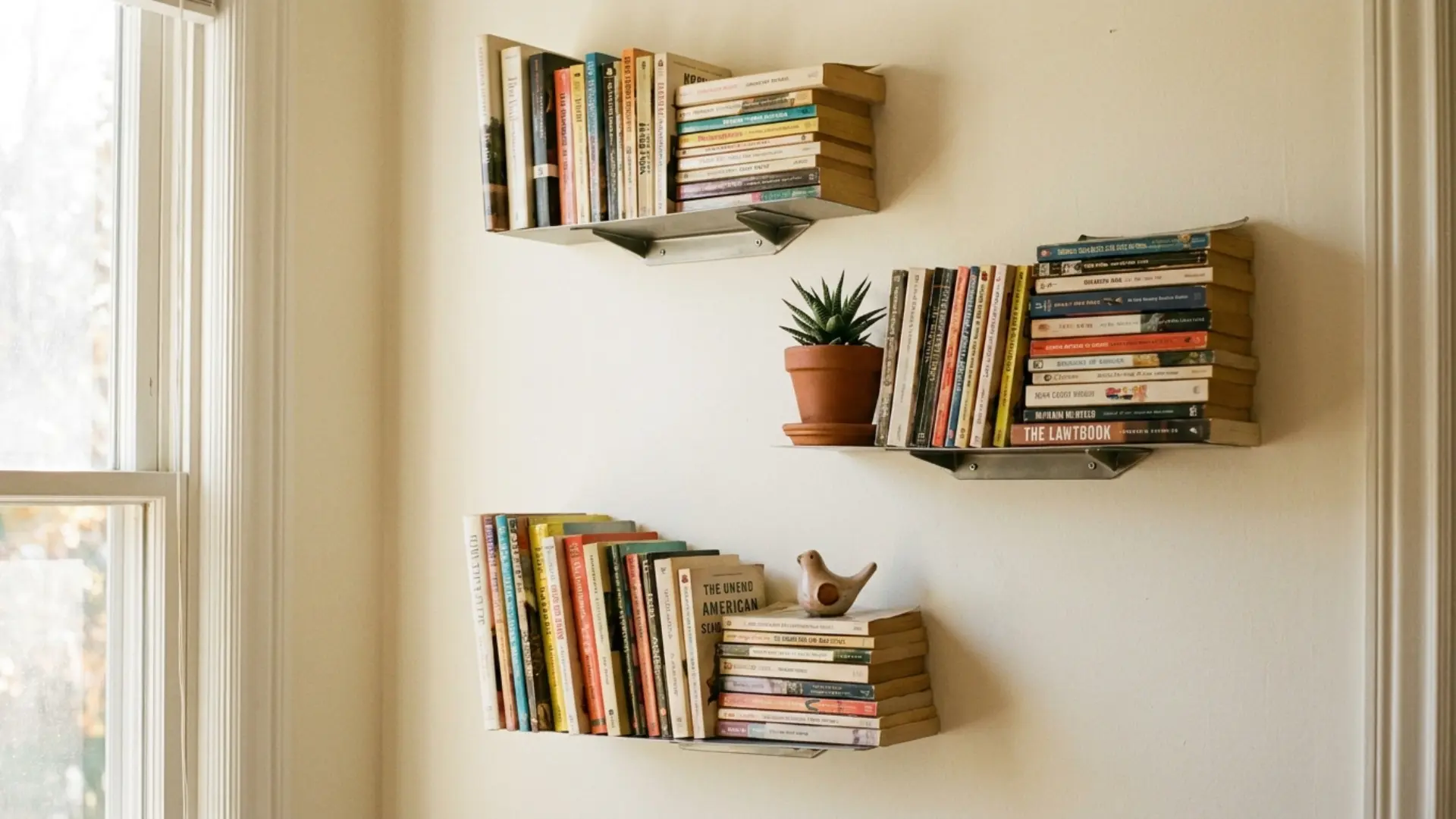
Floating bookshelf wall art uses slim shelves mounted directly on walls to hold books, small decor items, or plants. Items are often arranged casually rather than perfectly aligned.
Slight tilting or overlapping adds a natural, lived-in appearance.
The shelves may show visible brackets or screws, depending on the design. This idea works well in reading corners or living rooms where storage and display combine.
55. Memo and Inspiration Board

Memo and inspiration boards use cork, fabric, or pinboard surfaces to display notes, sketches, and images.
Items are pinned or clipped in a flexible layout that can change at any time.
Slight overlap and uneven spacing are common and add character. Pin marks and wear build up over time. This setup is popular in study rooms or creative spaces where ideas and reminders are displayed visually.
56. Key Holder with Decorative Backing
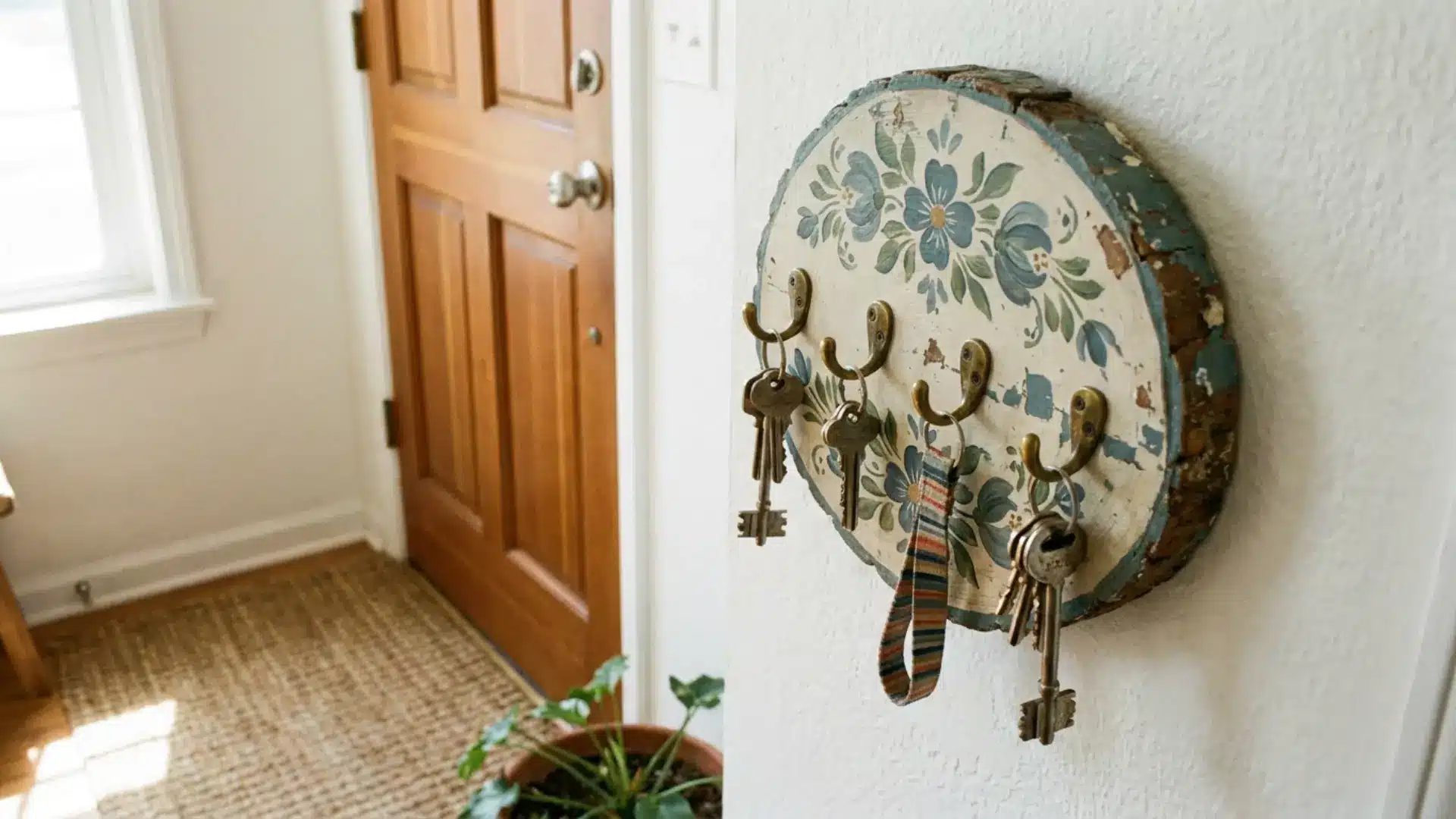
Key holder wall decor combines key hooks with a decorative backing made of wood, metal, or painted board. The surface may include slight imperfections, such as brush marks or natural grain.
Hooks are arranged for daily use and may shift slightly with time.
This functional piece works well near entry doors, keeping keys organized while still adding a small decorative element to the wall.
Kids’ Room and Playful DIY Wall Art Ideas
Kids’ room wall decor focuses on fun, color, and personal expression. These ideas use simple materials like paint, paper, and lightweight boards to create playful designs.
57. Handprint Art Canvases

Handprint art canvases are created by pressing children’s painted handprints onto canvas or thick paper.
Each print shows natural imperfections in shape and paint spread, making every piece unique. Designs can be arranged into animals, trees, or simple patterns.
Over time, these artworks become meaningful keepsakes. They work well in bedrooms or play areas where personal and creative expression is encouraged.
58. Chalkboard Map Wall Panels
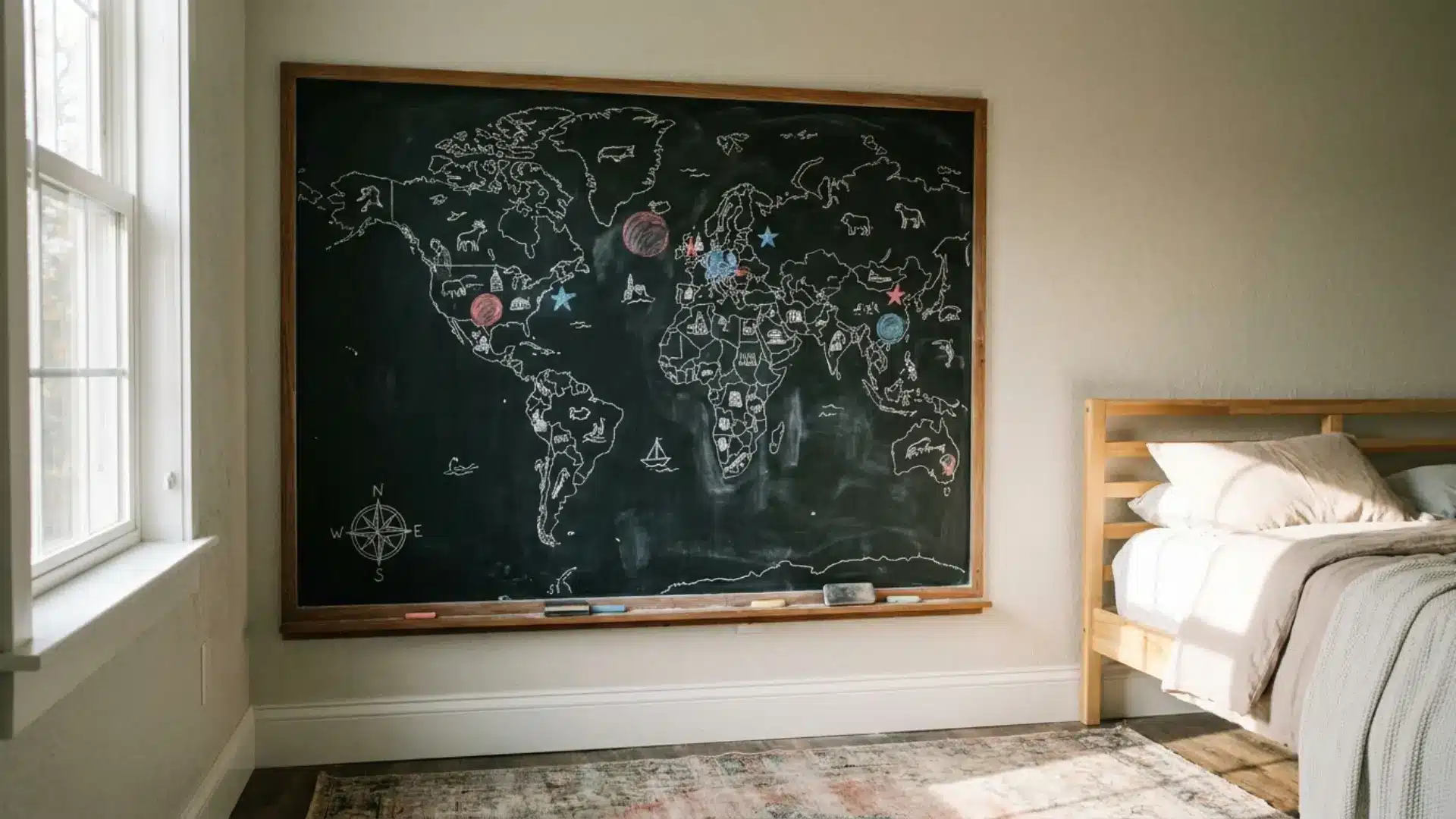
Chalkboard map wall panels turn a wall or board into a hand-drawn map surface using chalkboard paint.
Children can draw countries, cities, or imaginary places and update them at any time. Faint chalk marks and overlapping drawings remain visible over time, adding character.
This idea encourages learning and creativity while keeping the wall interactive. It works well in study corners or playrooms.
59. DIY Growth Chart Ruler

DIY growth chart rulers are made using painted wooden boards or wall-mounted strips marked with height measurements.
Pencil lines or paint marks indicate growth over time, often accompanied by handwritten notes or dates. The surface may show slight wear from frequent use.
This setup becomes both decor and memory tracking. It fits well in bedrooms or shared family spaces where growth milestones are recorded visually.
60. Character Silhouette Cut-Outs

Character silhouette cut-outs use cardboard or painted shapes of animals, cartoon figures, or simple characters mounted on walls. The edges may be slightly uneven, adding a handmade feel.
Arrangements can be playful and scattered or organized in clusters.
Over time, some pieces may shift slightly. This idea adds a fun, story-like visual element to kids’ rooms and encourages imagination through simple shapes.
61. Alphabet Letter Gallery Wall

Alphabet letter gallery walls display individual letters made from wood, cardboard, or foam arranged across the wall.
Each letter can be painted in different colors or patterns, sometimes slightly uneven in spacing or alignment. The display may spell names or random learning sequences.
This setup supports early learning while also decorating the space. It works well in nurseries or early learning play areas.
How to Plan a DIY Wall Art Project
A little planning before you start saves a lot of frustration later. Getting organized upfront means fewer mistakes and a much better result. Here is what to sort out before you begin:
- Pick your theme first: Deciding on a style early keeps everything cohesive and stops you from buying things that do not work together.
- Gather your materials in advance: Having everything ready before you start means no mid-project trips to the store or unnecessary delays.
- Sketch your layout on paper: A rough drawing helps you visualize spacing and arrangement before anything goes on the wall.
- Test your arrangement first: Lay everything out on the floor or use paper templates on the wall before making anything permanent.
- Balance your colors and spacing: Step back often and check that nothing feels too crowded, too empty, or visually off.
These steps do not take long, but they make a real difference to the finished result. A well-planned project almost always looks more intentional and put together than one that was figured out along the way.
Common Mistakes to Avoid in DIY Wall Decor
DIY wall decor is forgiving, but a few common mistakes can make even a well-intentioned project fall flat. Knowing what to watch for before you start saves you time, money, and a lot of rework. Here are the most common ones to avoid:
| Mistake | Why It’s a Problem | Quick Fix |
|---|---|---|
| Overcrowding the wall | Too many pieces make the wall feel chaotic and overwhelming | Edit down to your favorites and leave breathing room between each piece |
| Mixing too many styles | Clashing styles make the display look unplanned and visually restless | Stick to one theme or a consistent color palette throughout |
| Poor spacing and alignment | Uneven gaps and crooked placement draw attention for the wrong reasons | Use a level, measuring tape, and paper templates before hanging anything |
| Weak adhesives or materials | Pieces fall, walls get damaged, and the whole display comes undone | Match your adhesive or hardware to the actual weight of each piece |
| Ignoring room lighting | Bad lighting flattens the display and hides details worth seeing | Test how both natural and artificial light hit the wall before finalizing placement |
These mistakes are easy to make but just as easy to avoid once you know what to look for. A little extra care during planning means your finished wall will look exactly the way you intended.
Final Thoughts
DIY wall decor ideas offer a wide range of ways to shape a space using simple materials and personal creativity.
From paper crafts and fabric pieces to wood, plants, photos, and functional boards, each section shows how everyday items can become meaningful wall displays.
These ideas suit different rooms, budgets, and skill levels, making it easy to start small or build larger setups over time.
What makes diy wall art special is the personal touch behind every piece. Each wall reflects choices, memories, and small details that feel real to the space. There is no fixed rule, so every design can change and grow with time.
Save your favorite ideas, try one out, and share your results in the comments
Frequently Asked Questions
What Are the Easiest DIY Wall Decor Ideas for Beginners?
Simple options like framed prints, washi tape photos, clipboard displays, or basic string photo setups are easy to start with. They require minimal tools and can be changed at any time without damage, making them ideal for first-time DIY projects.
How Do I Make DIY Wall Art Without Spending a Lot?
Using materials already at home helps keep costs low. Paper, old magazines, fabric scraps, and recycled items can be turned into wall decor. Simple framing or mounting techniques are enough to create clean, attractive displays without extra expense.
What Materials Do I Need for DIY Wall Decor?
Basic materials include paper, cardboard, wood pieces, fabric, glue, tape, scissors, nails, and frames. Depending on the project, paints, yarn, or plants can also be used. Most ideas rely on easy-to-find, everyday items.
How Do I Hang DIY Wall Art Without Damaging Walls?
Use removable adhesive strips, hooks, or washi tape for lightweight items. Command hooks and removable mounting pads also help avoid drilling. Choosing light materials makes it easier to rearrange decor without leaving marks.